 EN
EN
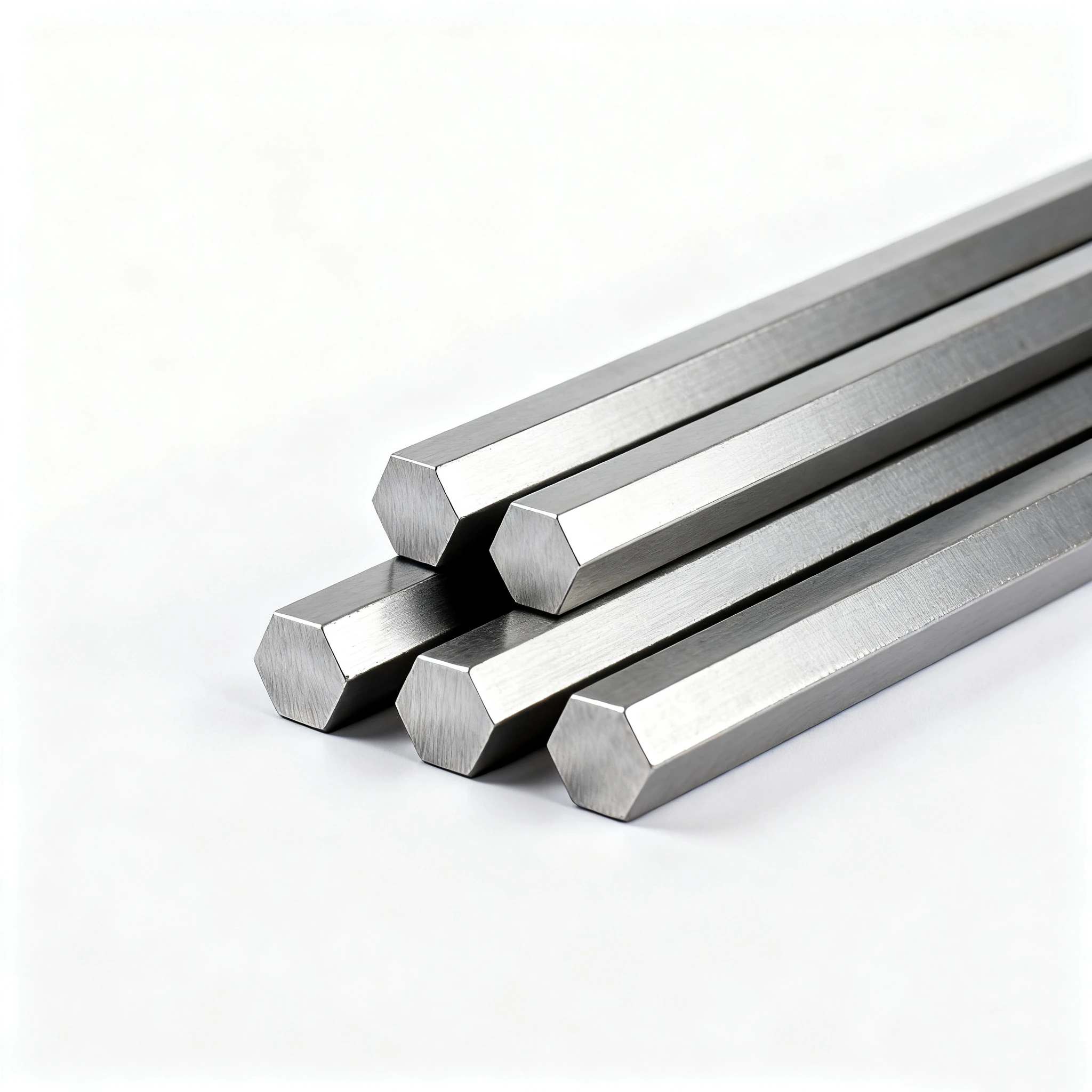

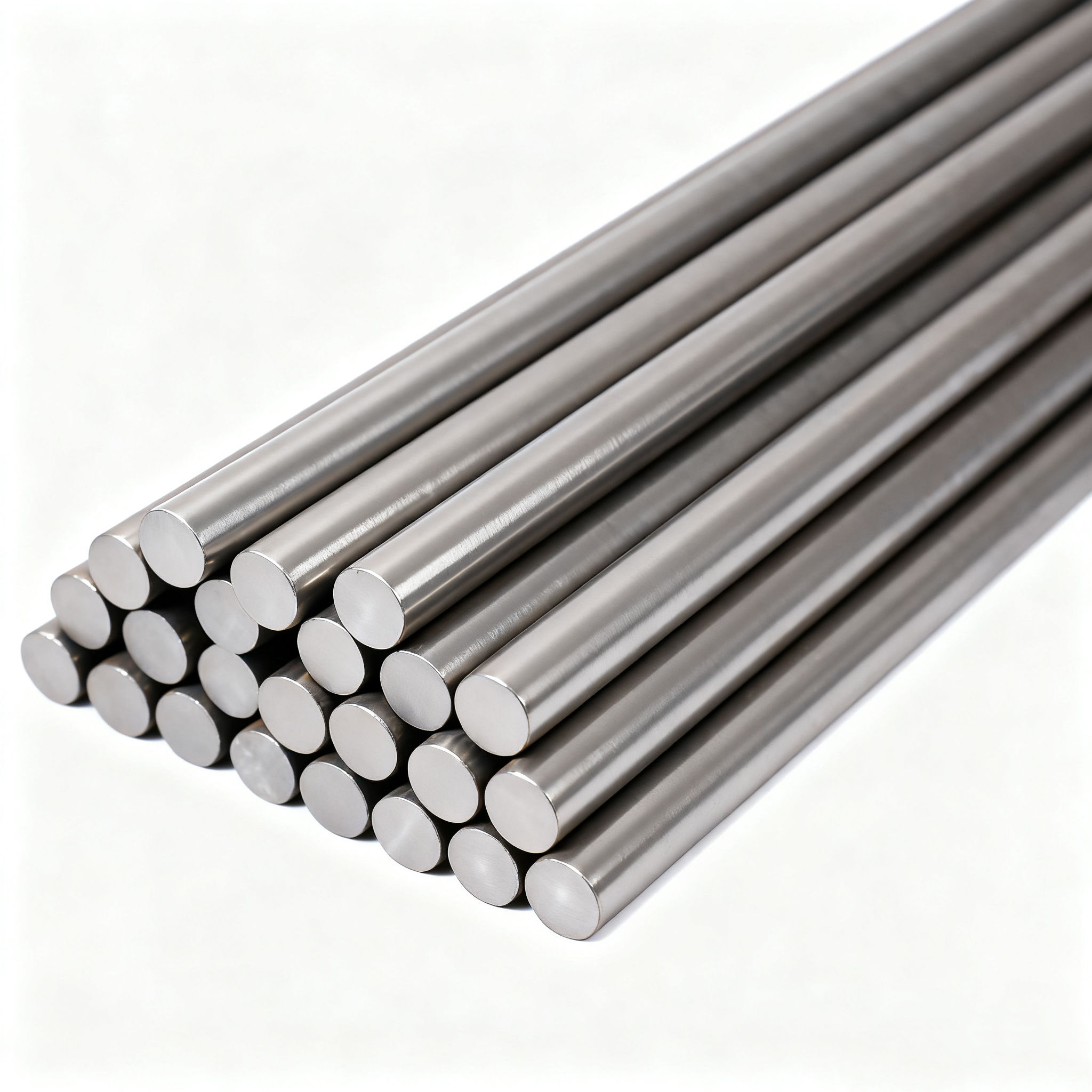
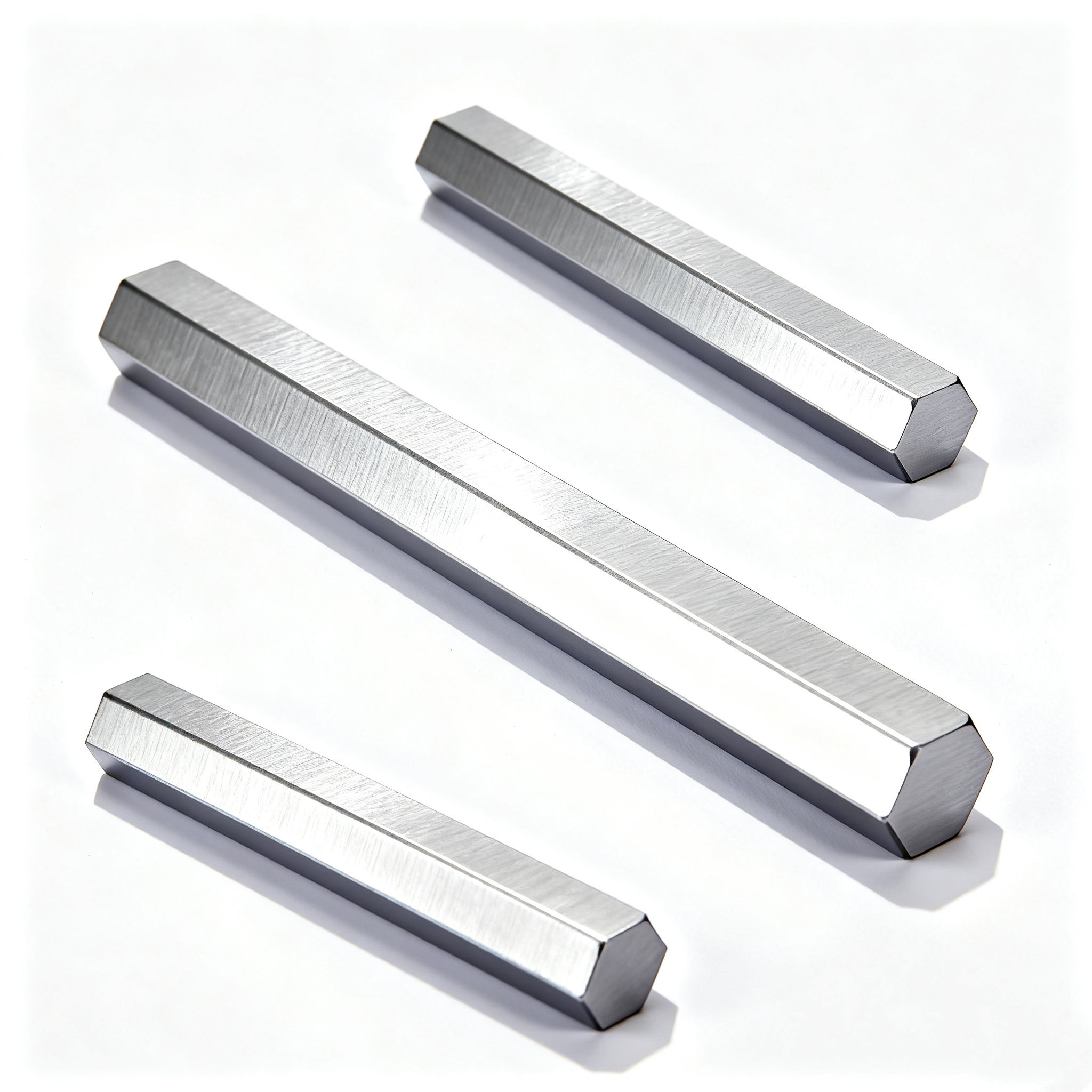
Cold Drawn Ground Hex Steel Rod Bright Finish Smooth Surface for Mechanical Fabrication Carbon Steel Hexagonal Bar
Our cold drawn ground hex steel rod features bright finish and smooth surface. Made of carbon steel, it offers excellent precision and durability, ideal for high-quality mechanical fabrication.
- Overview
- Recommended Products
In the field of mechanical fabrication, where precision and reliability directly determine the performance of end products, the choice of raw materials becomes a critical decision. Our Cold Drawn Ground Hex Steel Rod with Bright Finish and Smooth Surface stands out as a premium solution tailored for mechanical manufacturing needs. This carbon steel hexagonal bar combines the structural advantages of hexagonal profiles with the dual refinement of cold-drawing and grinding processes, resulting in exceptional dimensional accuracy, a mirror-like bright surface, and consistent mechanical properties. Unlike ordinary cold-drawn hex bars or hot-rolled alternatives, it eliminates the need for additional surface processing and fine-tuning, directly meeting the strict requirements of precision components such as gears, shafts, and fasteners. Whether used in automotive transmissions, industrial machinery, or precision hardware, this hex steel rod delivers stable performance, reduces processing costs, and elevates the quality of fabricated parts.
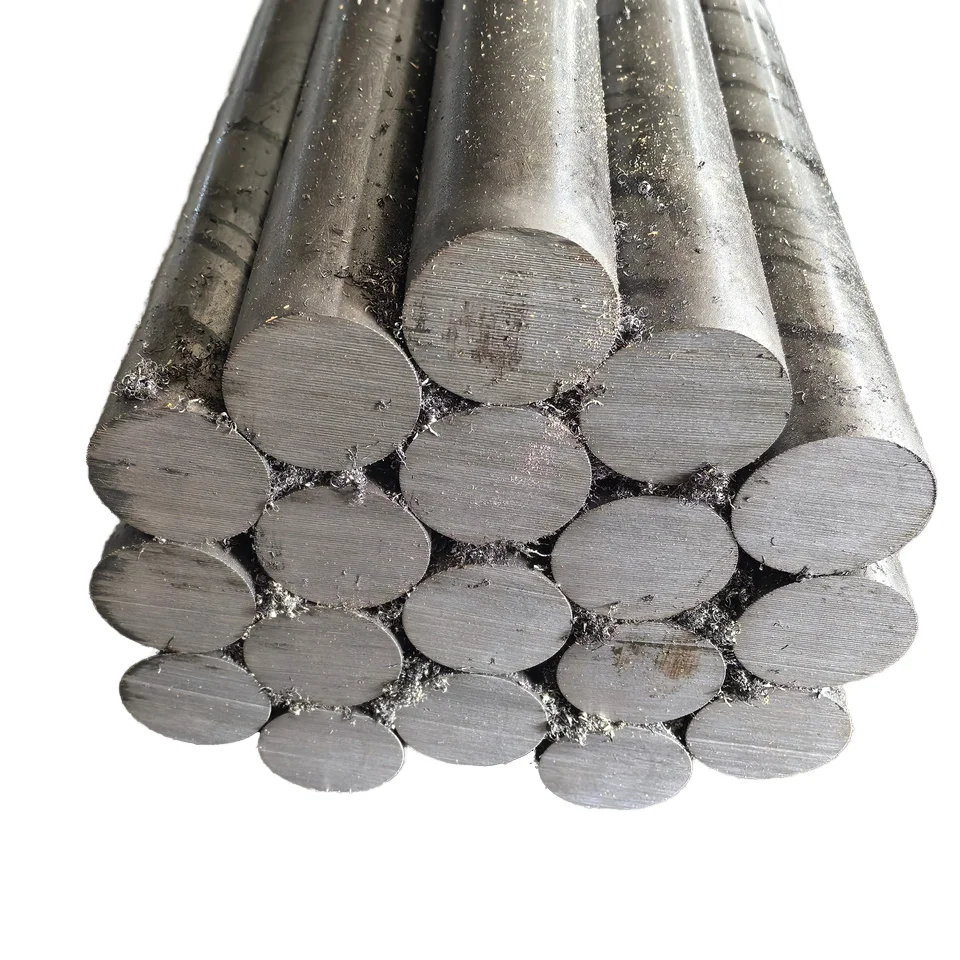
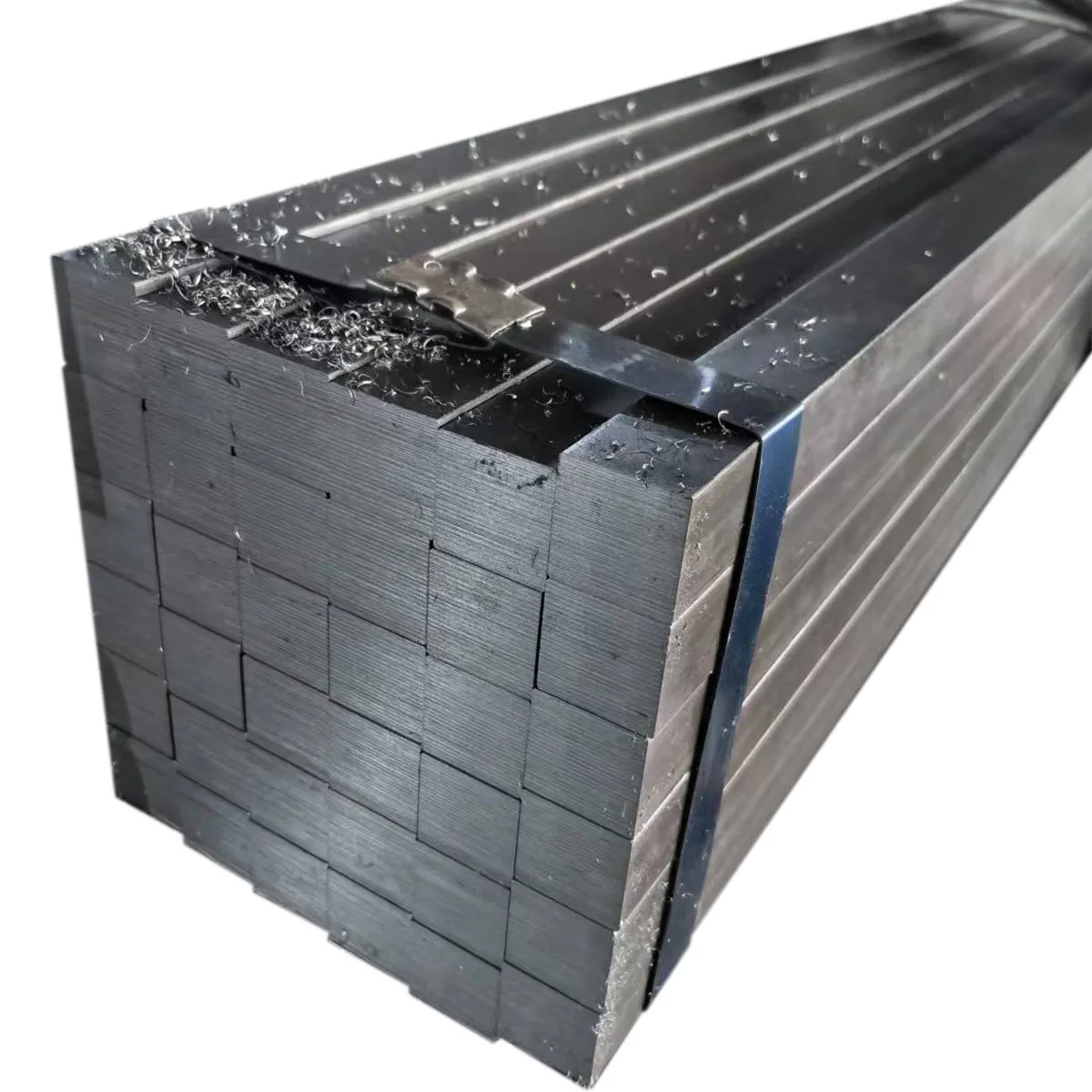
Cold drawn steel profiles are precision steel products manufactured through a cold-drawing process at room temperature.
This process significantly improves dimensional accuracy, surface smoothness, and mechanical properties compared to hot-rolled steel.
They are widely used in machinery manufacturing, construction structures, automotive components, and precision equipment.
Material Grades Available
Carbon Steel: Q195, Q215, Q235, 20#, 35#, 45#, 55#
Alloy / Gear Steel: 40Cr, 20CrMo, 35CrMo, 42CrMo, 20Cr, 20CrMoTi, Q355
Free Cutting Steel: 1215, 12L14, 1144
Bearing Steel: GCr15
Spring Steel: 60Si2Mn, 65Mn

✅ High Dimensional Precision – Tolerance up to ±0.02mm
✅ Bright Surface Finish – Smooth and oxide-free, ready for machining
✅ Enhanced Mechanical Strength – Balanced hardness and toughness
✅ High Material Utilization – Reduced machining allowance, higher efficiency
✅ Customizable Solutions – Shapes, sizes, and materials can be tailored to drawings or requirements

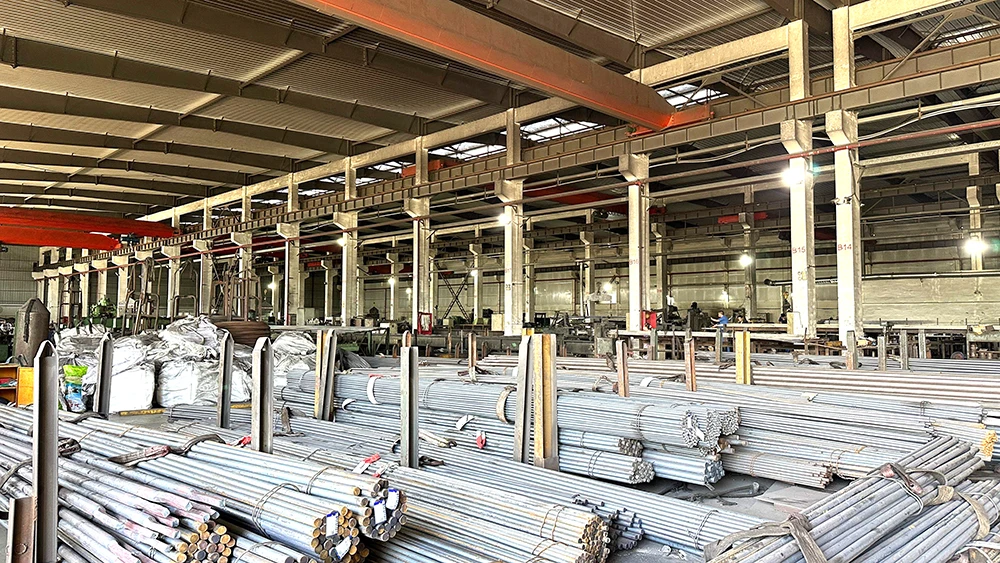


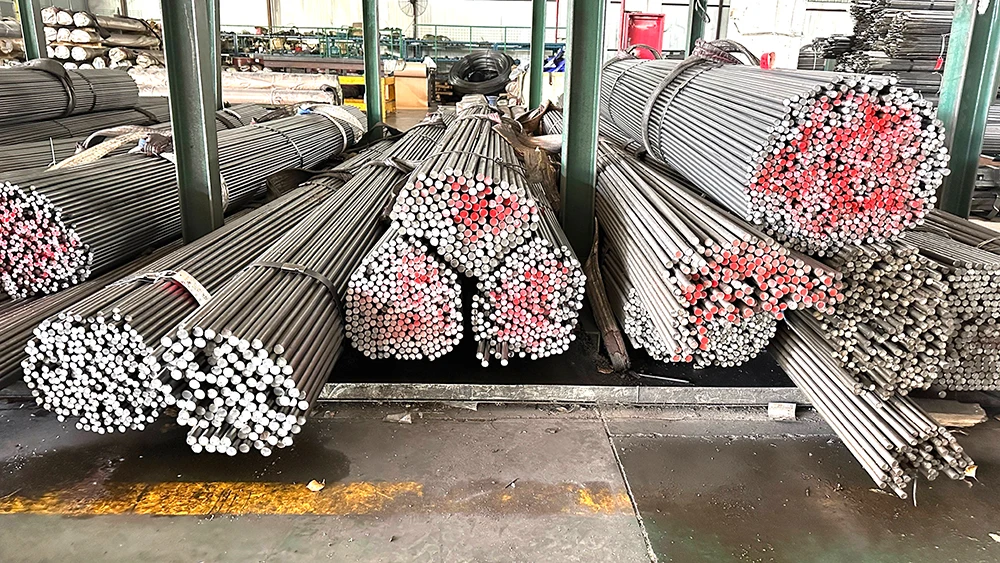
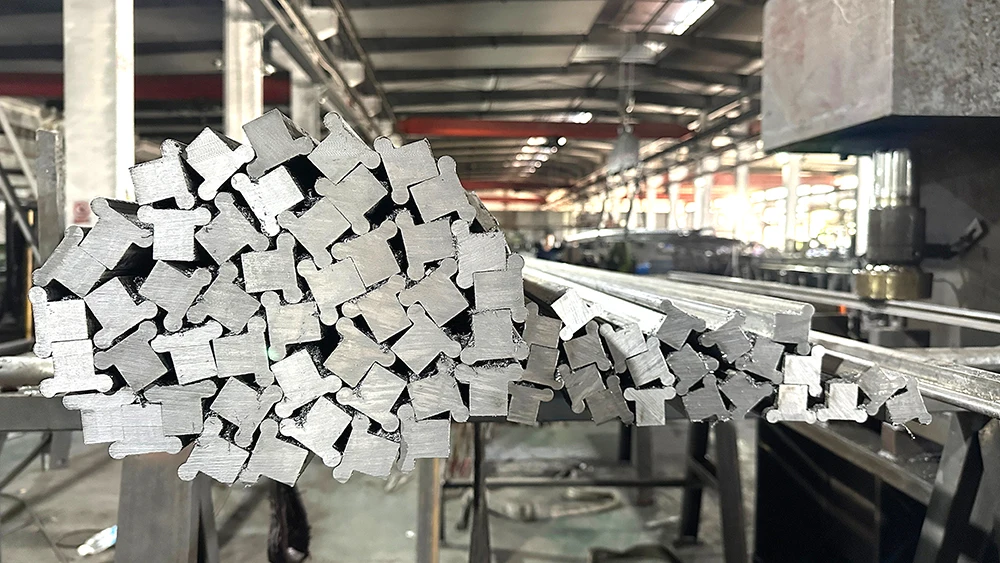





The superior performance of this hex steel rod originates from its high-quality carbon steel base and targeted material selection. We prioritize carbon steel grades that balance strength, machinability, and cost-effectiveness, primarily 45# medium-carbon steel and 35# carbon steel, with 10# low-carbon steel available for specialized needs. 45# carbon steel, with a carbon content of 0.42%-0.50%, is the most widely used grade for mechanical components—it achieves a tensile strength of 550-650MPa after cold drawing and grinding, providing sufficient load-bearing capacity for gears, connecting rods, and other stress-bearing parts. 35# carbon steel (0.32%-0.40% carbon content) offers better ductility while maintaining reliable strength, suitable for components requiring both machining precision and slight deformation resilience. All raw steel billets comply with GB/T 700-2006 and ASTM A108 standards, with strict control over harmful impurities: phosphorus content ≤0.040% and sulfur content ≤0.045% to prevent brittleness and machining defects. Before processing, billets undergo homogenization annealing to eliminate internal segregation and stress, ensuring uniform grain structure—a foundational guarantee for consistent performance across the entire hex rod.
The combination of cold-drawing and precision grinding processes is the key to creating the unique advantages of this hex steel rod, setting it apart from conventional products. The production process follows a rigorous, multi-stage workflow to ensure quality at every step. First, annealed steel billets undergo acid pickling and phosphating to remove surface oxide scale and form a lubricating film, which protects the material during cold drawing and prevents surface scratches. Next, the billets are pulled through a precision hexagonal die using numerically controlled cold-drawing machines—this cold-working process refines the grain structure of the steel, increasing hardness by 20%-30% (HB 180-220 for 45# grade) and ensuring preliminary dimensional accuracy. The critical post-drawing step is precision grinding: using centerless grinding machines equipped with diamond grinding wheels, we uniformly remove 0.1-0.3mm of material from the hex rod surface. This grinding process achieves three core results: a bright, mirror-like finish with surface roughness Ra ≤ 0.4μm, tight dimensional tolerance (opposite side distance ±0.02mm), and exceptional straightness (≤0.2mm/m). Compared to cold-drawn-only hex bars, the ground version eliminates surface defects such as tool marks and micro-cracks, significantly improving corrosion resistance and wear resistance—essential for mechanical components operating in dynamic environments.
The bright finish and smooth surface of this hex steel rod bring tangible benefits to mechanical fabrication, directly addressing pain points in precision machining. First, the ultra-smooth surface reduces friction between the hex rod and machining tools (such as lathe chucks and milling cutters), minimizing tool wear and extending tool life by 30% compared to using unground hex bars. This is particularly valuable for high-volume production, where tool replacement costs and downtime significantly impact efficiency. Second, the bright surface acts as a natural quality indicator—any internal defects such as cracks or inclusions are easily visible, helping manufacturers identify substandard materials before machining and avoiding costly rework. Third, the smooth, defect-free surface improves the adhesion of subsequent treatments such as plating or coating, ensuring uniform coverage and enhanced corrosion resistance for components used in humid or harsh environments. For example, an automotive parts manufacturer reported that using our ground hex steel rod for transmission gear blanks reduced the need for post-machining polishing, cutting total processing time by 18% while improving the gear’s surface finish to meet automotive grade A standards.
The wide applicability of this cold drawn ground hex steel rod in mechanical fabrication stems from its balanced combination of precision, strength, and surface quality. In automotive manufacturing, it is used to produce core transmission components such as gear blanks, shaft sleeves, and differential pins—its high precision ensures tight meshing of gears, reducing noise and improving transmission efficiency. A major automotive transmission supplier confirmed that our hex rod reduced gear machining errors by 40% compared to standard materials. In industrial machinery, it serves as raw material for machine tool guide rails, reducer shafts, and conveyor chain pins—the smooth surface minimizes friction during operation, and the high strength withstands long-term load. For example, a CNC machine tool manufacturer uses 45# grade ground hex steel for lead screws, achieving a positioning accuracy of ±0.01mm. In precision hardware, it is processed into high-grade hex bolts, nuts, and connectors for aerospace and medical equipment—its bright finish meets the aesthetic and corrosion resistance requirements of high-end applications. In agricultural and construction machinery, it is used for wear-resistant components such as plow shafts and excavator bucket pins, where the combination of hardness and smooth surface reduces soil and debris adhesion. The hex rod is available in a comprehensive range of specifications: opposite side lengths from 6mm to 80mm, lengths from 1m to 12m, and can be customized with chamfering, cutting, or surface treatments (such as galvanizing or anti-rust oiling) to match specific fabrication needs.
A strict quality control system ensures that every batch of cold drawn ground hex steel rod meets the rigorous standards of mechanical fabrication. We have established a four-stage inspection process covering raw materials, cold drawing, grinding, and finished products, and hold ISO 9001 and IATF 16949 certifications to cater to automotive and high-precision manufacturing. Raw material inspection includes spectral analysis (to verify chemical composition) and ultrasonic testing (to detect internal defects). During cold drawing, laser diameter gauges monitor the hex rod’s dimensions in real time. After grinding, three key tests are performed: a surface roughness tester confirms Ra ≤ 0.4μm, a 3D coordinate measuring machine verifies dimensional accuracy and straightness, and a Brinell hardness tester ensures uniform hardness distribution. For critical applications (such as aerospace components), we conduct additional non-destructive testing using magnetic particle inspection to detect surface micro-cracks. Each batch is accompanied by a detailed quality report, which includes machining recommendations (such as cutting speed and tool selection) for common mechanical fabrication processes, providing direct value for manufacturers’ production lines.
Beyond product quality, we provide mechanical fabrication-focused value-added services to enhance customer efficiency and reduce costs. Our technical team, composed of material engineers and mechanical processing experts, offers pre-sales consultation to help customers select the optimal carbon steel grade—for example, recommending 45# grade for high-load gears and 35# grade for components requiring welding. We provide customized precision cutting services, using CNC saws to cut the hex rod into fixed lengths (from 200mm to 6000mm) according to the customer’s fabrication requirements, reducing material waste and on-site setup time. For large-volume orders, we offer batch chamfering services, processing 45° chamfers on both ends of the hex rod to facilitate easy loading into machining equipment. After-sales support includes on-site technical guidance: a manufacturer once encountered chip adhesion during high-speed turning, and our team adjusted the cutting fluid type and feed rate based on the hex rod’s surface properties, resolving the issue within 24 hours. We also collect feedback from fabrication workshops to continuously optimize our grinding process—recently, we improved the grinding wheel material to further reduce surface scratches, increasing the product’s pass rate by 5%.
In the context of mechanical fabrication’s shift toward higher precision and efficiency, our Cold Drawn Ground Hex Steel Rod represents the synergy between advanced material processing and manufacturing needs. By addressing core pain points—such as surface quality, dimensional accuracy, and machining efficiency—it enables manufacturers to produce higher-quality components at lower costs. Looking to the future, we will continue to innovate in two key areas: first, expanding our material range to include micro-alloyed carbon steels, which offer higher strength and fatigue resistance for extreme mechanical applications (such as wind turbine components); second, upgrading our grinding equipment to achieve ultra-precision surface finishes (Ra ≤ 0.2μm) for semiconductor and aerospace manufacturing. We will also strengthen cooperation with mechanical fabrication enterprises to develop "material-component matching" solutions, tailoring hex rod specifications to specific component designs. Whether for small-batch precision machining or large-scale mass production, our cold drawn ground hex steel rod will remain committed to the concept of "precision for fabrication, quality for performance," supporting the development of the global mechanical manufacturing industry and becoming a trusted raw material partner for enterprises pursuing excellence.

Cold drawn steel profiles are precision steel products manufactured through a cold-drawing process at room temperature.
This process significantly improves dimensional accuracy, surface smoothness, and mechanical properties compared to hot-rolled steel.
They are widely used in machinery manufacturing, construction structures, automotive components, and precision equipment.
Material Grades Available
Carbon Steel: Q195, Q215, Q235, 20#, 35#, 45#, 55#
Alloy / Gear Steel: 40Cr, 20CrMo, 35CrMo, 42CrMo, 20Cr, 20CrMoTi, Q355
Free Cutting Steel: 1215, 12L14, 1144
Bearing Steel: GCr15
Spring Steel: 60Si2Mn, 65Mn
Diameter Range |
Customized (typically 3mm – 300mm) |
Length |
Standard 6 meters or customized |
Surface Finish |
Bright, smooth, no oxide scale |
Tolerance |
±0.05mm |
Shape Options |
Round / Square / Flat / Hexagonal / Special profiles |
Process |
Cold drawing, straightening, cutting, polishing |
Certification |
ISO9001 / SGS / Mill Test Certificate available |
✅ High Dimensional Precision – Tolerance up to ±0.02mm
✅ Bright Surface Finish – Smooth and oxide-free, ready for machining
✅ Enhanced Mechanical Strength – Balanced hardness and toughness
✅ High Material Utilization – Reduced machining allowance, higher efficiency
✅ Customizable Solutions – Shapes, sizes, and materials can be tailored to drawings or requirements


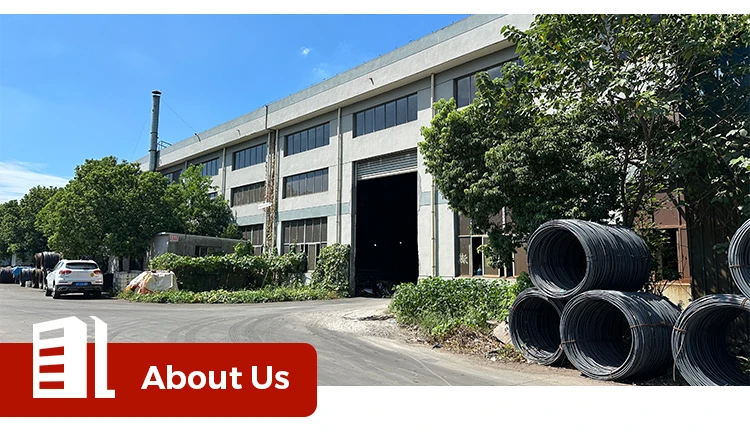
Jiangsu Beitong Cold-Drawn Steel Technology Co., Ltd.
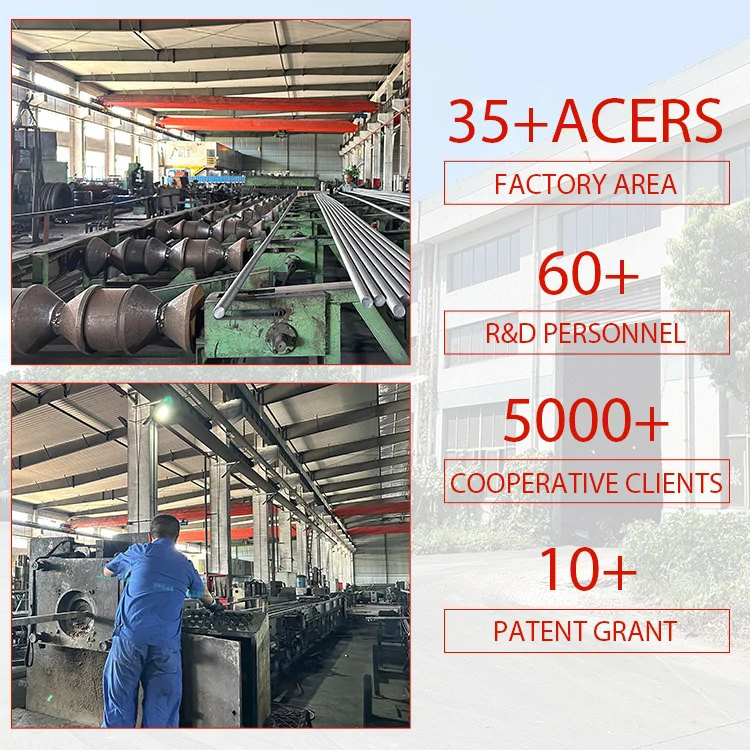
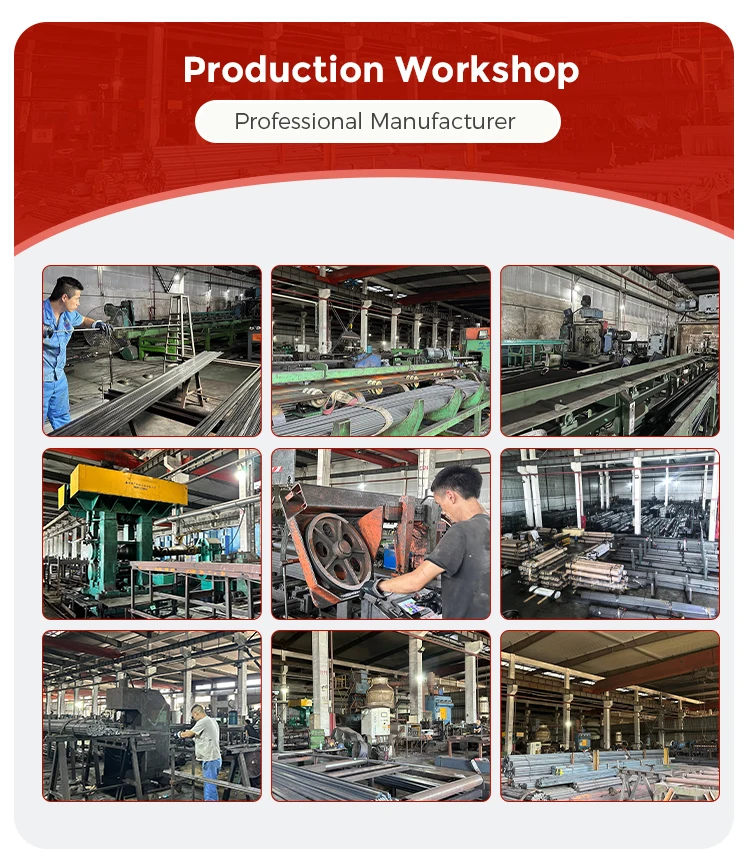
was established in 2018 with an investment of 80 million RMB.Located in Fenhu High-Tech Zone, Wujiang District, Suzhou, Jiangsu Province, the company covers an area of 35 mu (≈23,000 m²) and integrates R&D, production, and modern management.
With a team of over 60 employees, including skilled engineers and R&D professionals, Beitong specializes in the research and manufacture of precision cold-drawn steel products, serving more than 5,000 domestic and overseas customers.
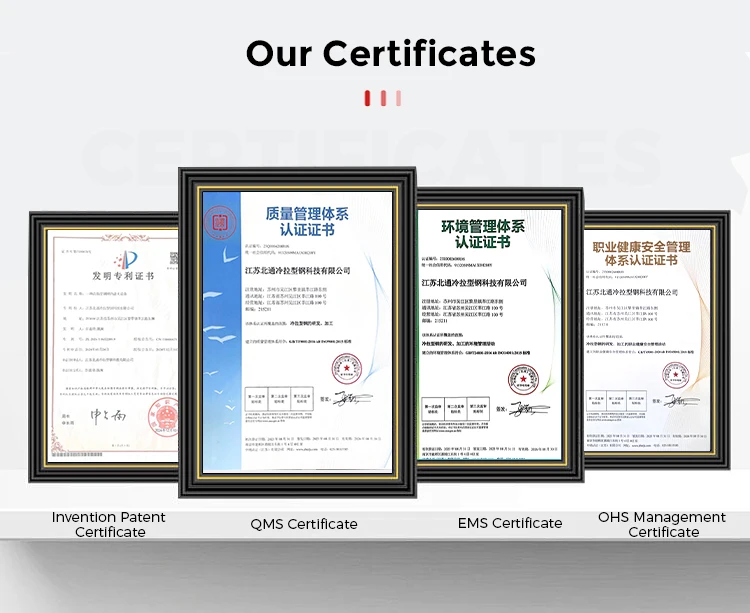
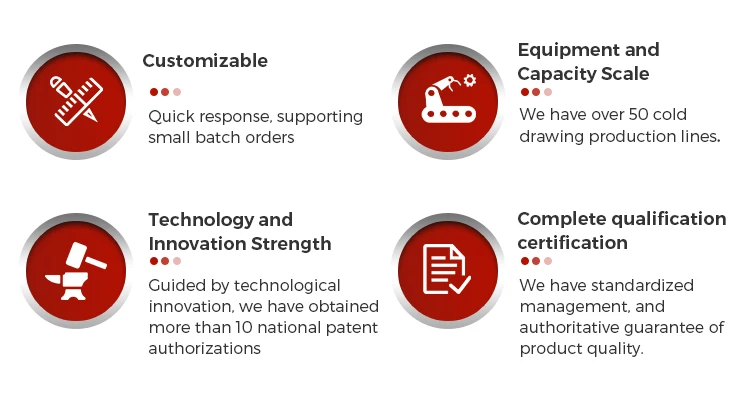
Guided by technological innovation, Beitong has obtained over 10 national patents, was recognized as a Provincial Science &Technology SME (2022), achieved ISO Three-System Certification (2023), and was honored as a Specialized and Innovative SME (2024).
The company operates 50+ advanced cold-drawing production lines, equipped with mechanical performance testers, ultrasonic flaw detectors, and full laboratory analysis systems, ensuring reliable quality and strong technical capability.
Main Products & Applications
* Elevator guide rails – exported to the Middle East
* Automotive parts materials – supplied to major brands such as BYD, Tesla, Toyota, SAIC, GAC, Huawei, and CATL
* Chain flat steel and precision shafts
* Free-cutting steel – directly supplied to top domestic automation enterprises
Our products are widely used in construction machinery, automotive, aerospace, petroleum, coal mining, national defense, textile machinery, machine tools, agricultural equipment, fitness equipment, and elevators.
With solid technology and stable quality, Beitong warmly welcomes customers worldwide for long-term cooperation and mutual
success.
With a team of over 60 employees, including skilled engineers and R&D professionals, Beitong specializes in the research and manufacture of precision cold-drawn steel products, serving more than 5,000 domestic and overseas customers.
Guided by technological innovation, Beitong has obtained over 10 national patents, was recognized as a Provincial Science &Technology SME (2022), achieved ISO Three-System Certification (2023), and was honored as a Specialized and Innovative SME (2024).
The company operates 50+ advanced cold-drawing production lines, equipped with mechanical performance testers, ultrasonic flaw detectors, and full laboratory analysis systems, ensuring reliable quality and strong technical capability.
Main Products & Applications
* Elevator guide rails – exported to the Middle East
* Automotive parts materials – supplied to major brands such as BYD, Tesla, Toyota, SAIC, GAC, Huawei, and CATL
* Chain flat steel and precision shafts
* Free-cutting steel – directly supplied to top domestic automation enterprises
Our products are widely used in construction machinery, automotive, aerospace, petroleum, coal mining, national defense, textile machinery, machine tools, agricultural equipment, fitness equipment, and elevators.
With solid technology and stable quality, Beitong warmly welcomes customers worldwide for long-term cooperation and mutual
success.


1. When can you produce the samples?
Usually, it takes 5–7 days to produce samples.
2. What is your minimum order quantity (MOQ)?
For cold-drawn steel profiles, we usually offer two purchasing options - LTL (less than truckload) and bulk order, starting from 2 tons. The specific quantity can be discussed.
3. What is your delivery time?
For customized product orders, we can arrange shipment within 30 days after receiving the deposit.
4. Which ports do you ship from?
We usually ship from Shanghai Port.
5. What are your payment terms?
Normally 30% T/T deposit in advance, and the balance against the copy of the Bill of Lading.
6. Where is your company located?
Our factory is located in Jiangsu Province, China.
7. What are your main products?
We specialize in cold-drawn steel:
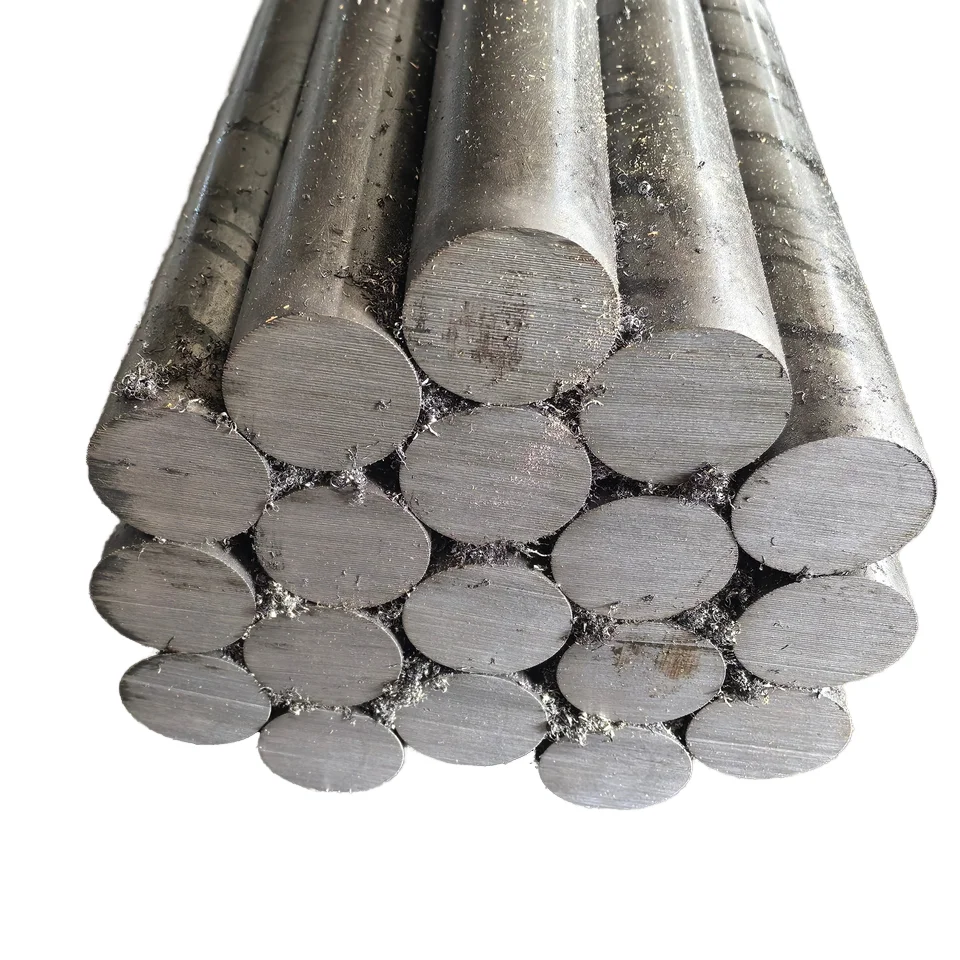
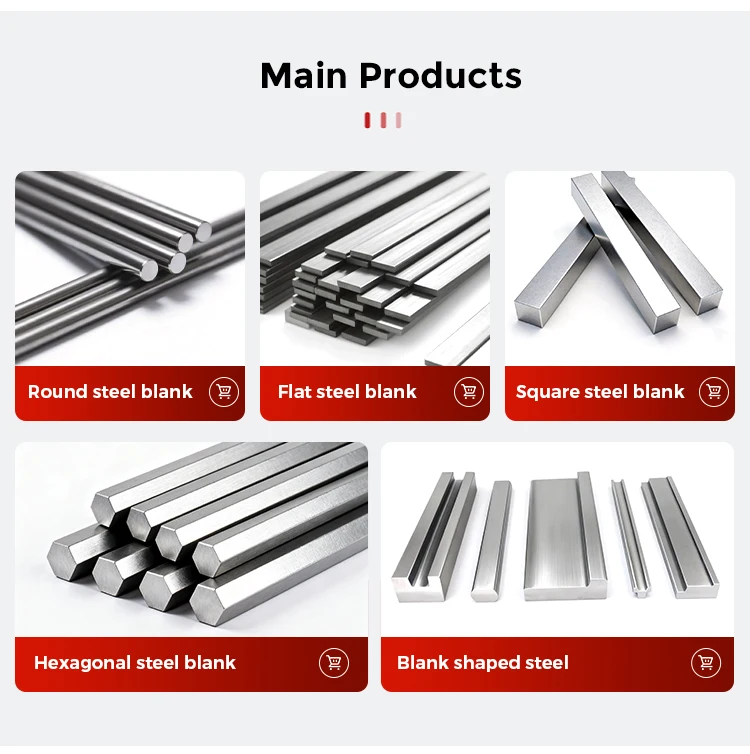
* Cold drawn round bar
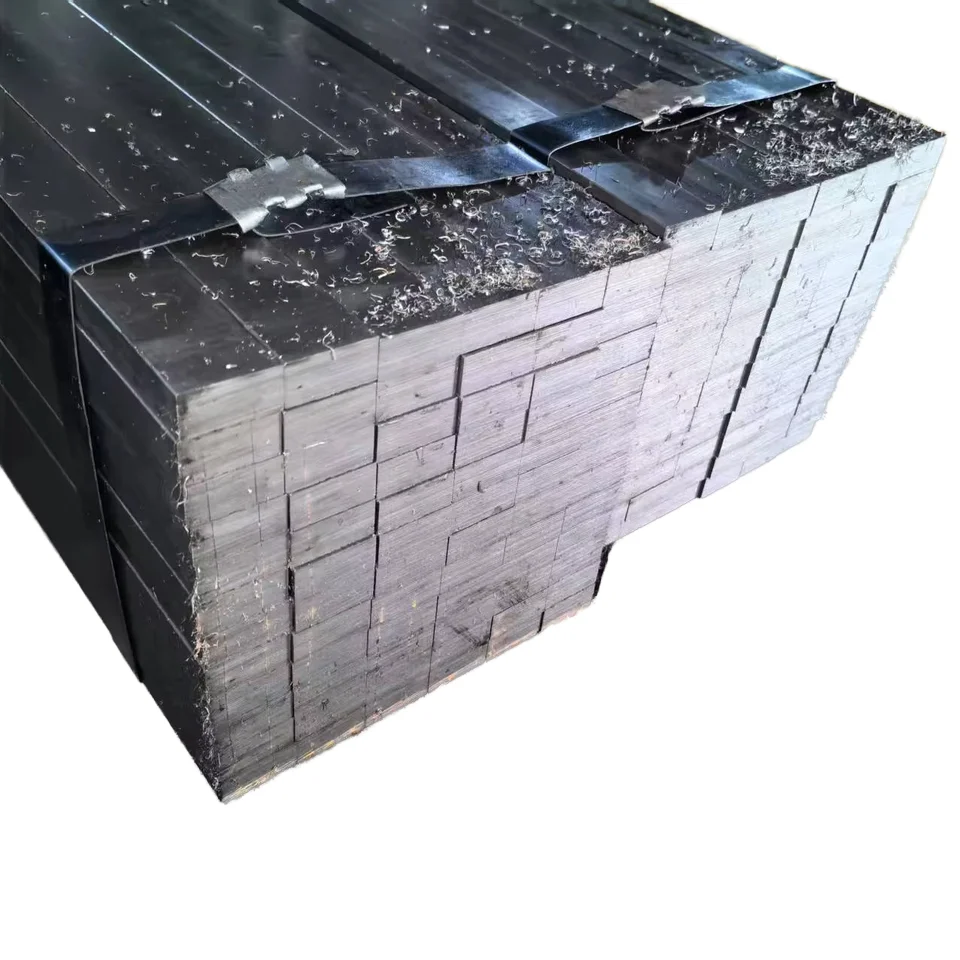
* Cold drawn square bar
* Cold drawn flat bar
* Cold drawn hexagonal bar
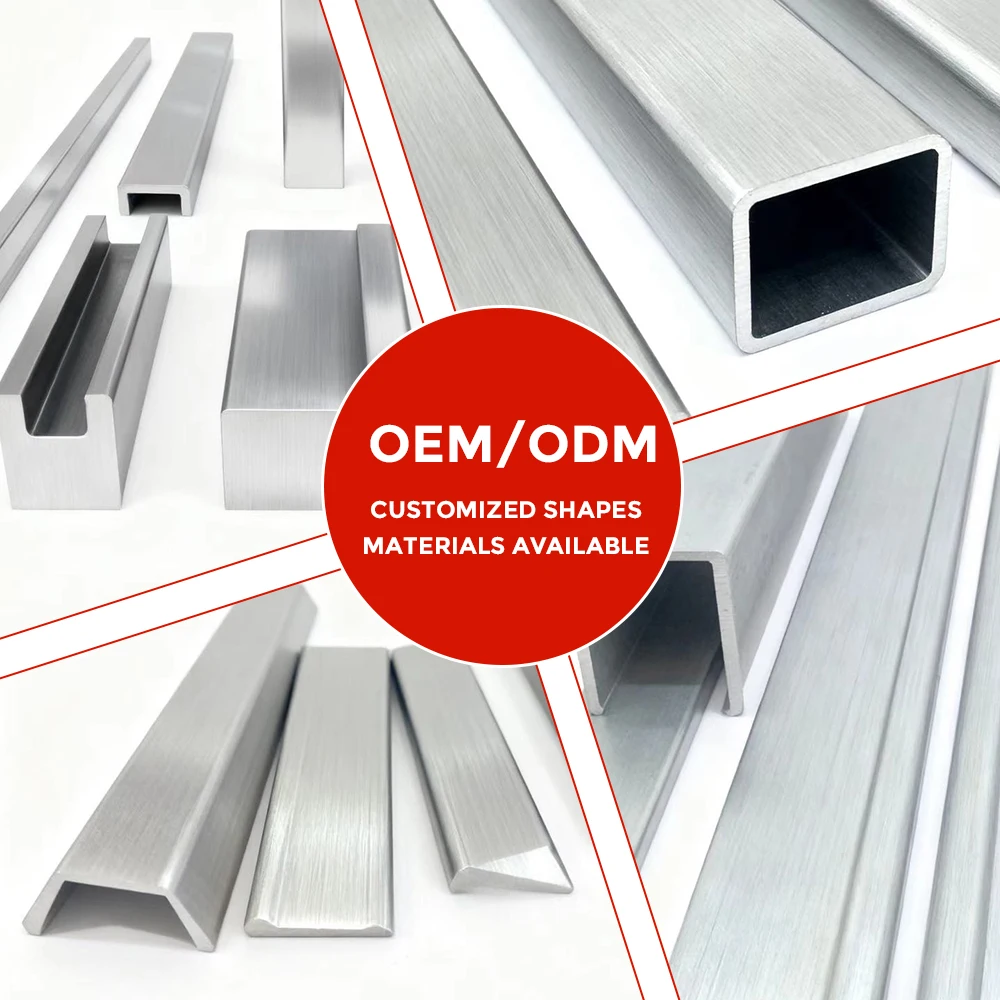
* Cold drawn special-shaped bar
Material Grades:
* Carbon steel: Q215, Q195, Q235, 20#, 35#, 45#, 55#
* Alloy / gear steel: Q355, 40Cr, 20CrMo, 35CrMo, 42CrMo, 20Cr, 20CrMoTi
* Free cutting steel: 1215, 12L14, 1144
* Bearing steel: GCr15
* Spring steel: 60Si2Mn, 65Mn
Service Commitment:
24-Hour Feedback, 48-Hour Solution
8. What types of carbon steel bars are there?
* Low carbon steel bar: Low carbon content, good toughness, suitable for welding and machining.
* Medium carbon steel bar: Balanced strength and toughness, ideal for mechanical parts.
* High carbon steel bar: High hardness, used for tools and springs.
9. Will carbon steel bars rust?
Yes. Carbon steel bars can rust in humid environments. Coating, galvanizing, or heat treatment can improve corrosion resistance.
10. What are the common applications of carbon steel bars?
* Building structures (rebar, support rods)
* Mechanical parts (shafts, bolts)
* Tools (cutting tools, drill bits)
11. How to determine the size specifications of carbon steel bars?
Classified by diameter and length.
Diameter: from a few millimeters to several hundred millimeters.
Length: typically 6 meters or customized.
12. What is the fatigue resistance of carbon steel bars?
Fatigue performance depends on carbon content, microstructure, and surface quality.
It can be improved by surface treatment (rolling, polishing) or optimized heat treatment.
13. What should be noted when welding carbon steel bars?
* Low carbon steel: easy to weld, but avoid overheating.
* High carbon steel: prone to cracking during welding; preheating and post-heat treatment are recommended.
14. Can I get samples?
Yes, samples are available.
15. Do you have a factory?
Yes, we have our own factory in Jiangsu, and warmly welcome your visit.
We are a professional cold-drawn steel manufacturer providing OEM & ODM services.
Usually, it takes 5–7 days to produce samples.
2. What is your minimum order quantity (MOQ)?
For cold-drawn steel profiles, we usually offer two purchasing options - LTL (less than truckload) and bulk order, starting from 2 tons. The specific quantity can be discussed.
3. What is your delivery time?
For customized product orders, we can arrange shipment within 30 days after receiving the deposit.
4. Which ports do you ship from?
We usually ship from Shanghai Port.
5. What are your payment terms?
Normally 30% T/T deposit in advance, and the balance against the copy of the Bill of Lading.
6. Where is your company located?
Our factory is located in Jiangsu Province, China.
7. What are your main products?
We specialize in cold-drawn steel:
* Cold drawn round bar
* Cold drawn square bar
* Cold drawn flat bar
* Cold drawn hexagonal bar
* Cold drawn special-shaped bar
Material Grades:
* Carbon steel: Q215, Q195, Q235, 20#, 35#, 45#, 55#
* Alloy / gear steel: Q355, 40Cr, 20CrMo, 35CrMo, 42CrMo, 20Cr, 20CrMoTi
* Free cutting steel: 1215, 12L14, 1144
* Bearing steel: GCr15
* Spring steel: 60Si2Mn, 65Mn
Service Commitment:
24-Hour Feedback, 48-Hour Solution
8. What types of carbon steel bars are there?
* Low carbon steel bar: Low carbon content, good toughness, suitable for welding and machining.
* Medium carbon steel bar: Balanced strength and toughness, ideal for mechanical parts.
* High carbon steel bar: High hardness, used for tools and springs.
9. Will carbon steel bars rust?
Yes. Carbon steel bars can rust in humid environments. Coating, galvanizing, or heat treatment can improve corrosion resistance.
10. What are the common applications of carbon steel bars?
* Building structures (rebar, support rods)
* Mechanical parts (shafts, bolts)
* Tools (cutting tools, drill bits)
11. How to determine the size specifications of carbon steel bars?
Classified by diameter and length.
Diameter: from a few millimeters to several hundred millimeters.
Length: typically 6 meters or customized.
12. What is the fatigue resistance of carbon steel bars?
Fatigue performance depends on carbon content, microstructure, and surface quality.
It can be improved by surface treatment (rolling, polishing) or optimized heat treatment.
13. What should be noted when welding carbon steel bars?
* Low carbon steel: easy to weld, but avoid overheating.
* High carbon steel: prone to cracking during welding; preheating and post-heat treatment are recommended.
14. Can I get samples?
Yes, samples are available.
15. Do you have a factory?
Yes, we have our own factory in Jiangsu, and warmly welcome your visit.
We are a professional cold-drawn steel manufacturer providing OEM & ODM services.