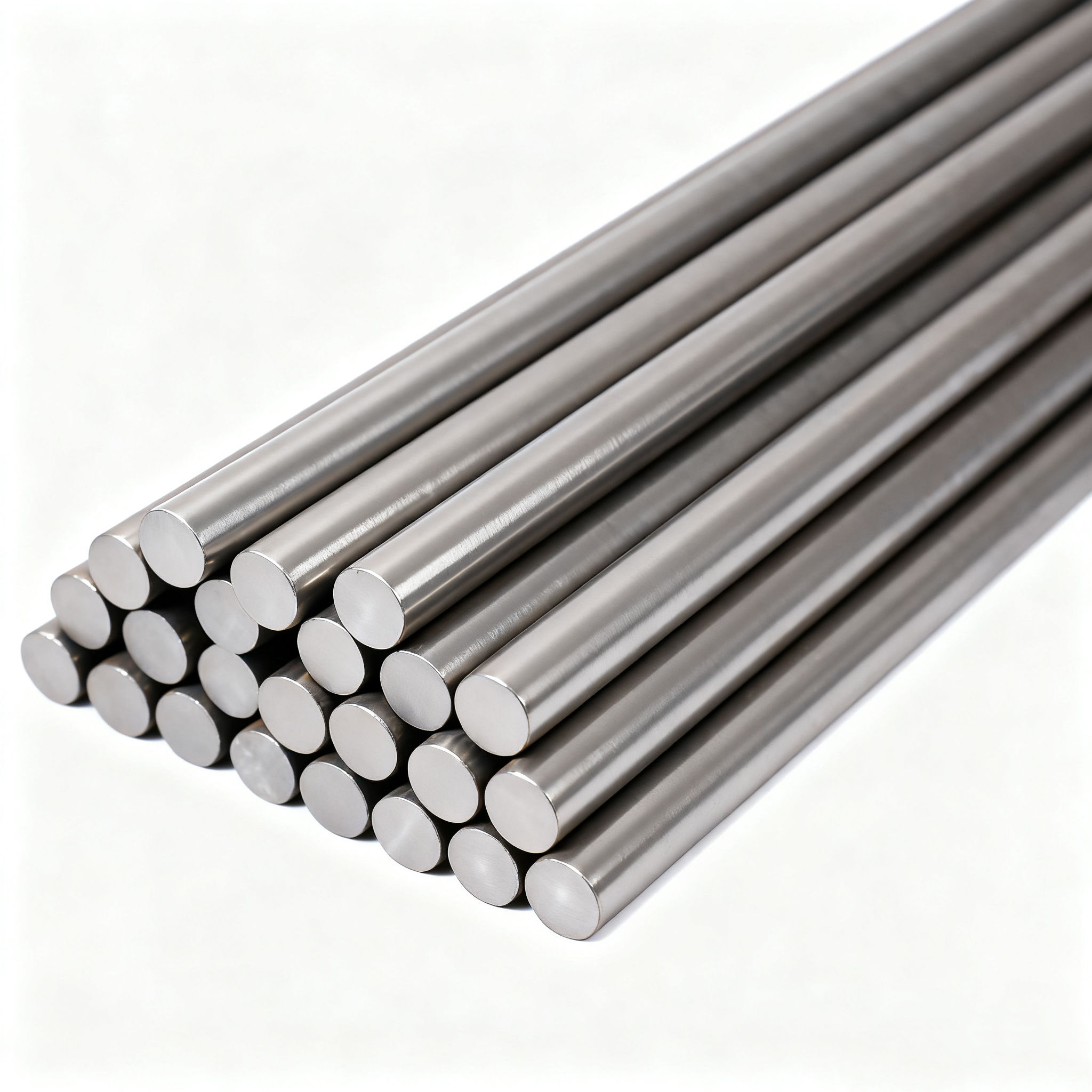
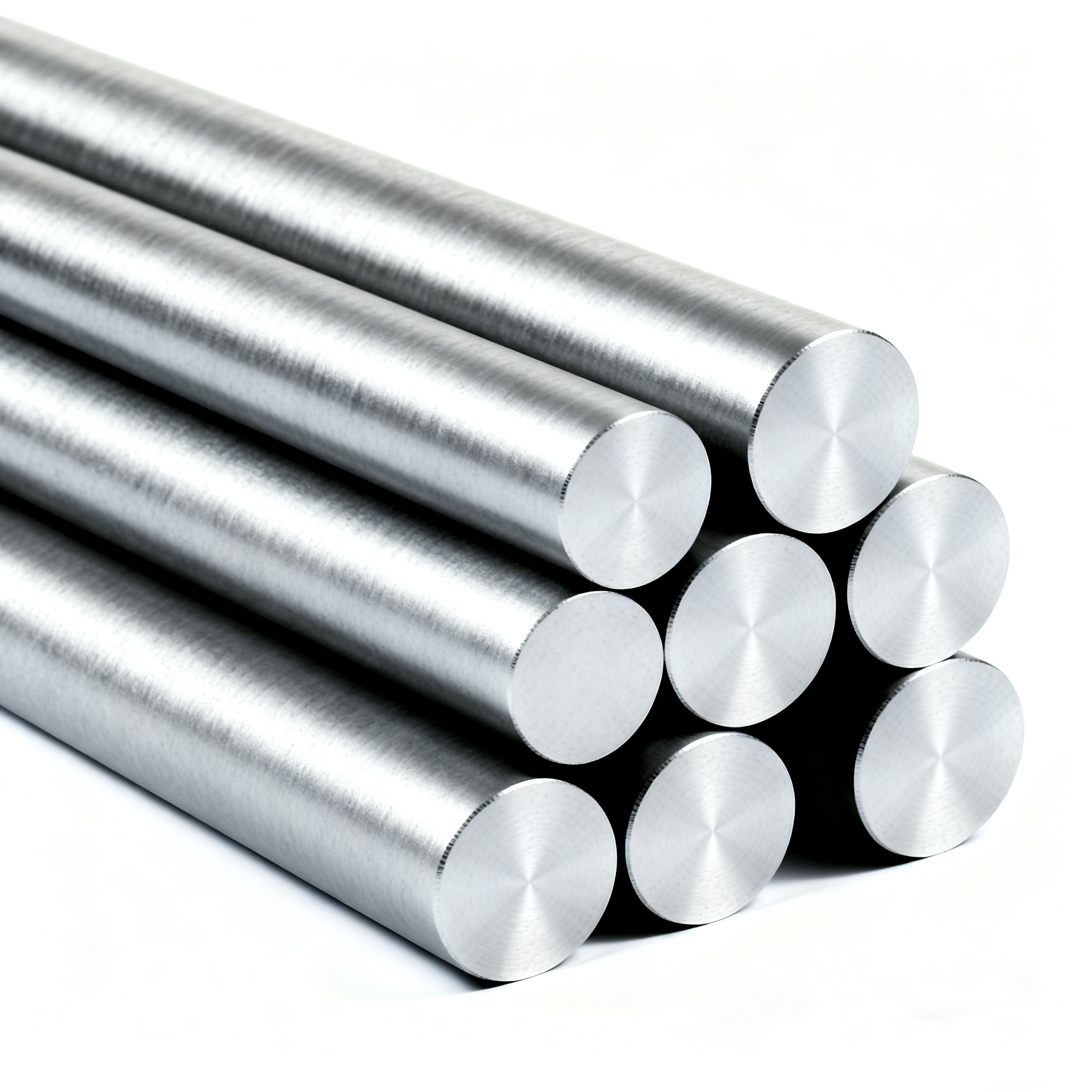
Cold Drawn Round Steel: Precision, Strength, and Versatility in Metal Fabrication
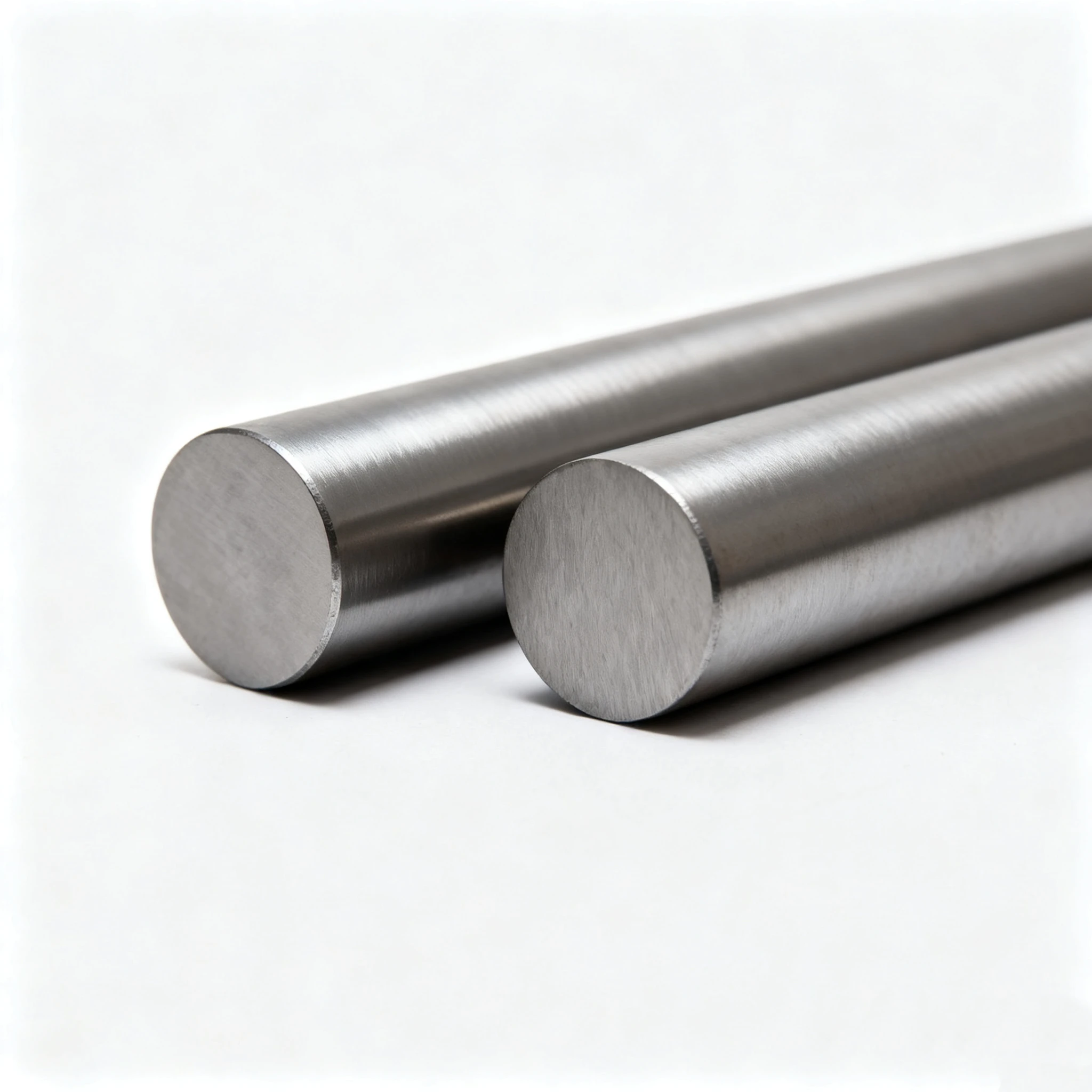
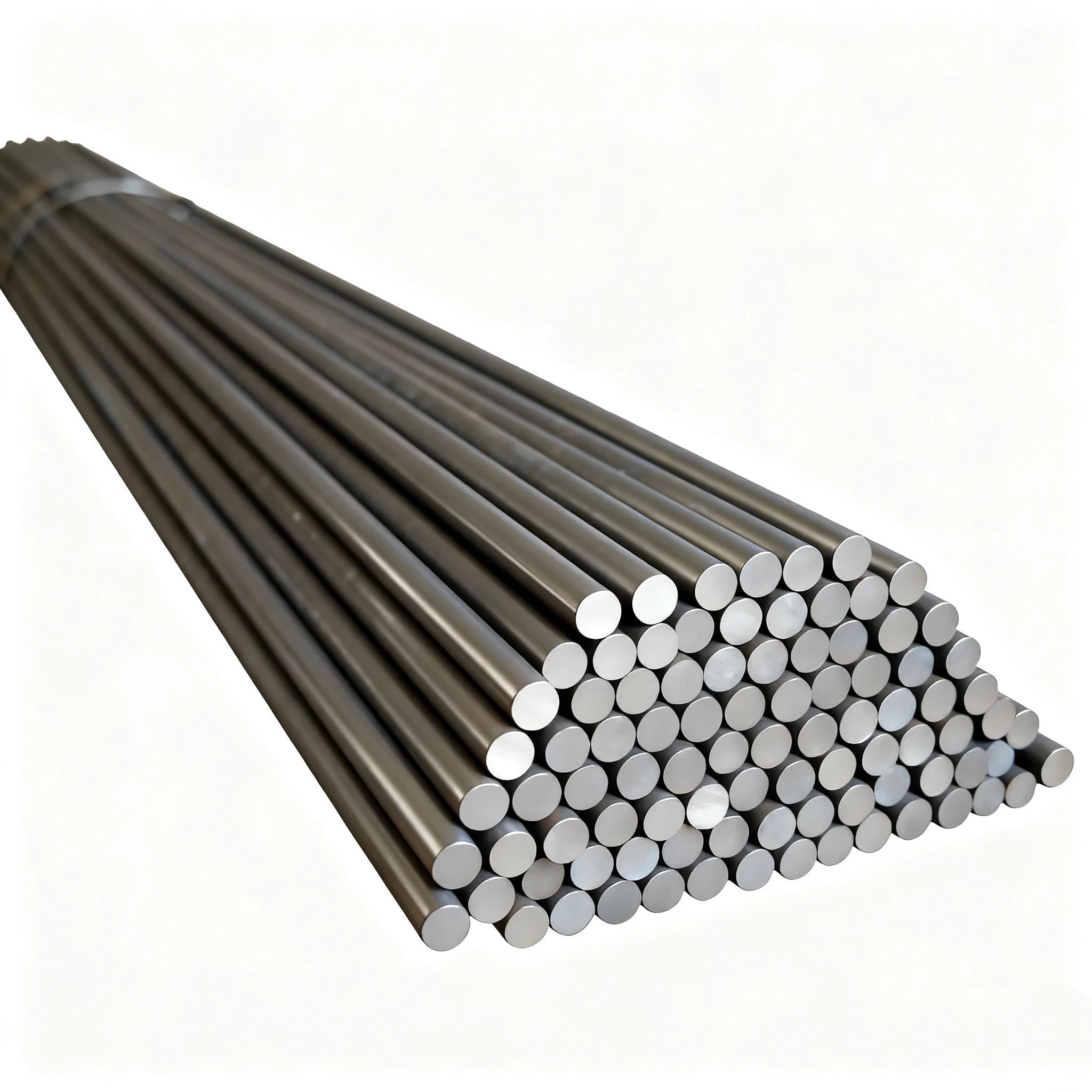
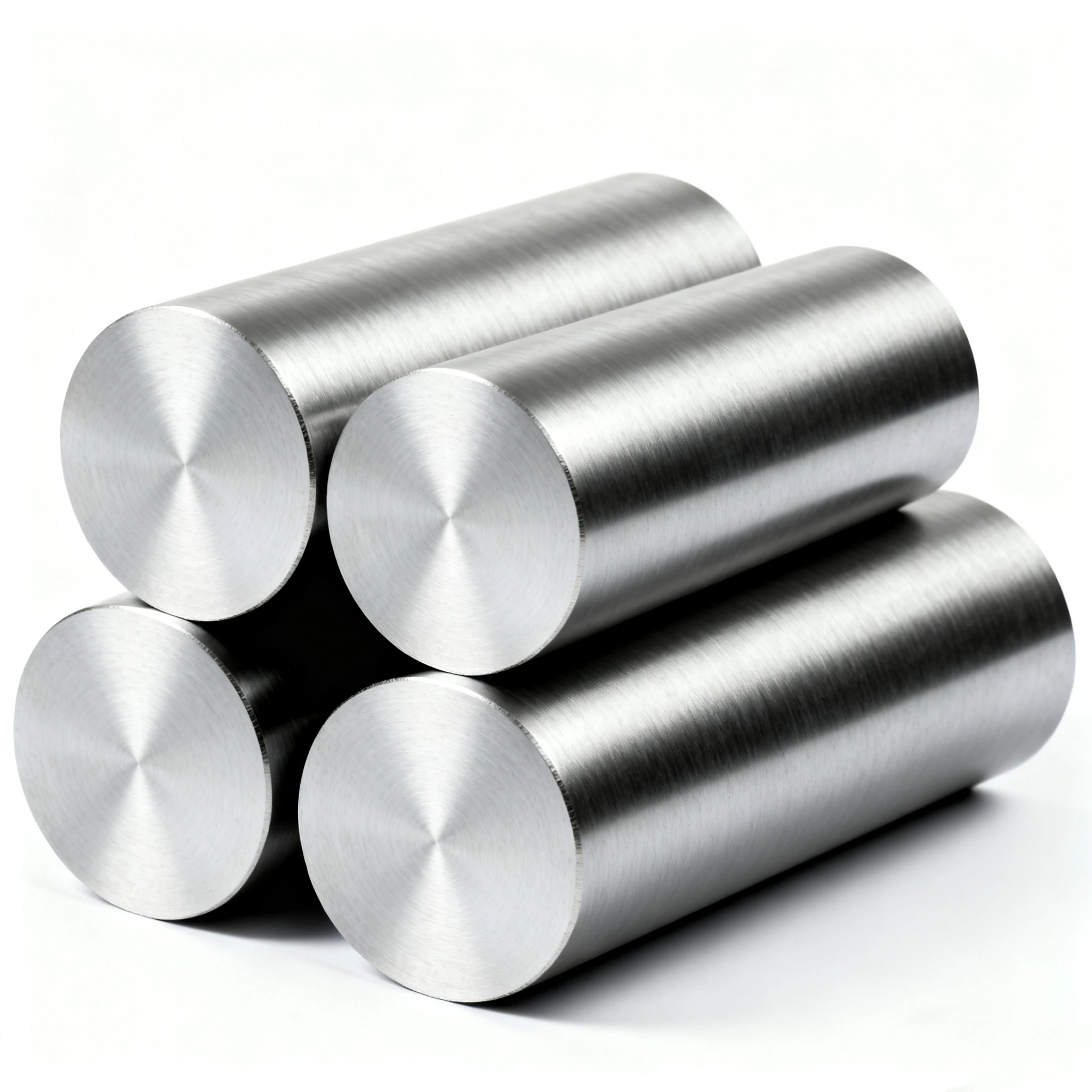
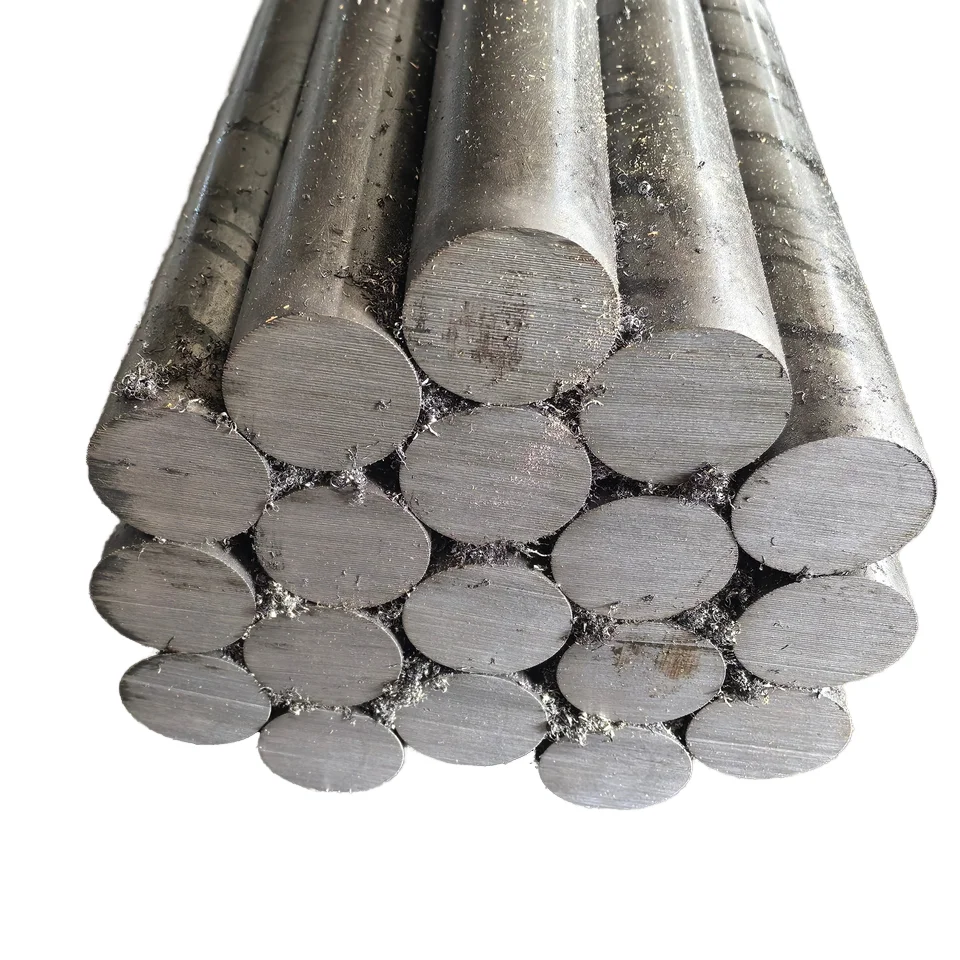
Cold drawn round steel stands as a cornerstone of modern manufacturing, celebrated for its exceptional dimensional accuracy, superior mechanical properties, and wide-ranging applicability across industries. As a premium metal product, it is produced through a specialized cold working process that transforms hot-rolled steel bars into refined, cylindrical components—setting a high standard for performance in critical applications where reliability and precision are non-negotiable.
At its core, the production of cold drawn round steel begins with high-quality hot-rolled round bars, which serve as the raw material. These bars undergo rigorous inspection to ensure they meet strict chemical composition requirements, typically featuring low carbon, alloy, or stainless steel formulations tailored to specific end uses. The cold drawing process itself is a meticulous operation: the hot-rolled bar is first cleaned to remove scale, rust, and impurities, then coated with a lubricant (such as phosphate or oil) to reduce friction. Next, the bar is pulled through a die of precisely calibrated diameter at room temperature—no additional heat is applied during this stage. This cold deformation process compresses the steel’s grain structure, eliminating internal defects like porosity and improving uniformity, while simultaneously achieving tight dimensional tolerances that hot-rolled steel simply cannot match.
The defining advantage of cold drawn round steel lies in its unmatched precision. Unlike hot-rolled products, which often exhibit surface irregularities and dimensional variations, cold drawn round steel boasts a smooth, consistent surface finish (typically ranging from 1.6 to 6.3 μm Ra) and diameter tolerances as tight as ±0.02 mm. This level of accuracy eliminates the need for secondary machining in many applications, reducing production time and costs while ensuring seamless integration into assemblies. Whether used as shafts, fasteners, or precision components, its uniform geometry guarantees reliable fit and function, even in high-precision machinery.
Beyond precision, cold drawing significantly enhances the steel’s mechanical performance. The cold working process increases tensile strength by up to 30% compared to hot-rolled equivalents, while also improving yield strength, hardness, and wear resistance. This is attributed to strain hardening—where the compression of grain structures creates a denser, more resilient material that can withstand higher loads and harsher operating conditions. Additionally, cold drawn round steel exhibits excellent straightness and concentricity, minimizing deflection in dynamic applications such as automotive drivetrains, industrial bearings, and aerospace components.
The versatility of cold drawn round steel is evident in its broad spectrum of applications across industries. In the automotive sector, it is used to manufacture critical parts like crankshafts, camshafts, and transmission gears, where strength and precision are vital for engine performance and durability. The machinery and equipment industry relies on it for shafts, bolts, nuts, and hydraulic cylinders, leveraging its dimensional accuracy to ensure seamless assembly and long service life. In construction, cold drawn round steel serves as reinforcement bars and structural fasteners, providing enhanced load-bearing capacity for buildings, bridges, and infrastructure. It also finds use in the aerospace and defense sectors, where its high strength-to-weight ratio and resistance to fatigue make it ideal for aircraft components and military hardware. Even in consumer goods, such as furniture, appliances, and medical devices, cold drawn round steel contributes to product reliability and performance.
Quality control is paramount in the production of cold drawn round steel. Manufacturers implement strict testing protocols throughout the process, including chemical composition analysis, tensile strength testing, hardness testing, and dimensional inspection using advanced tools like laser micrometers and coordinate measuring machines (CMMs). This ensures that every batch meets international standards such as ASTM A108, DIN 1013, or JIS G3507, guaranteeing consistency and reliability for end-users. Additionally, surface treatments like galvanizing, phosphatizing, or passivation can be applied to enhance corrosion resistance, extending the product’s lifespan in harsh environments.
As industries continue to demand higher performance and greater efficiency, cold drawn round steel remains at the forefront of innovation. Advances in die technology and lubrication systems have improved production efficiency and expanded the range of available sizes—from small diameters of 3 mm to large bars exceeding 100 mm. Moreover, the development of specialty alloys, such as high-strength low-alloy (HSLA) steels and corrosion-resistant stainless steels, has expanded its application scope to meet the unique needs of emerging sectors like renewable energy (e.g., wind turbine components) and electric vehicles (e.g., battery connectors and motor shafts).
In summary, cold drawn round steel is more than just a metal product—it is a testament to the marriage of precision engineering and material science. Its exceptional dimensional accuracy, enhanced mechanical properties, and versatile applications make it an indispensable component in modern manufacturing. Whether powering automobiles, supporting skyscrapers, or enabling cutting-edge aerospace technology, cold drawn round steel delivers the reliability, strength, and precision that industries depend on. As technology evolves, it will continue to adapt and innovate, solidifying its position as a cornerstone of global manufacturing for years to come.

Copyright © 2026 by Jiangsu Beitong Cold-drawn Section Steel Technology Co., Ltd.
 EN
EN