Cold Drawn Hex Steel: Hexagonal Precision, Robust Performance, and Industry-Wide Adaptability
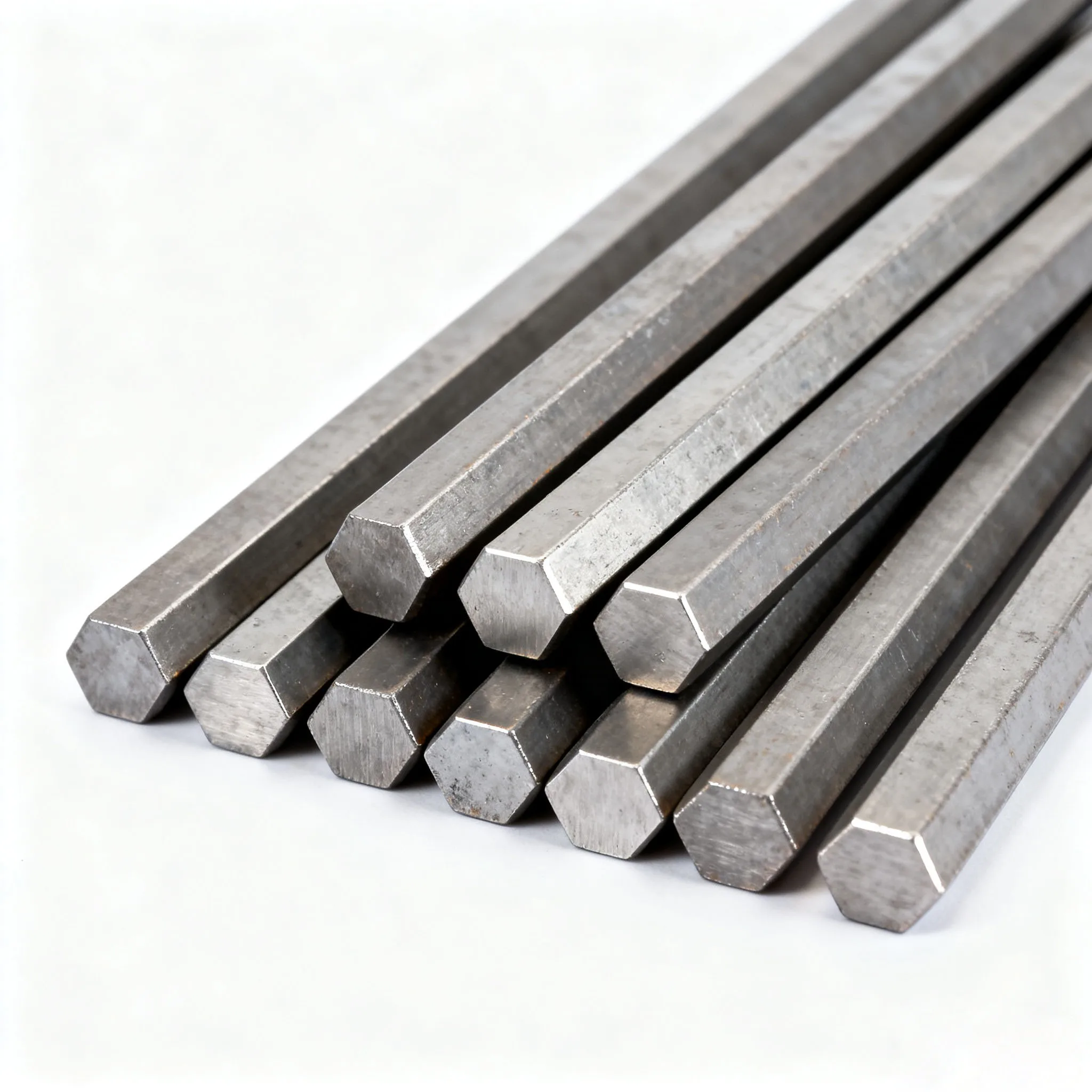
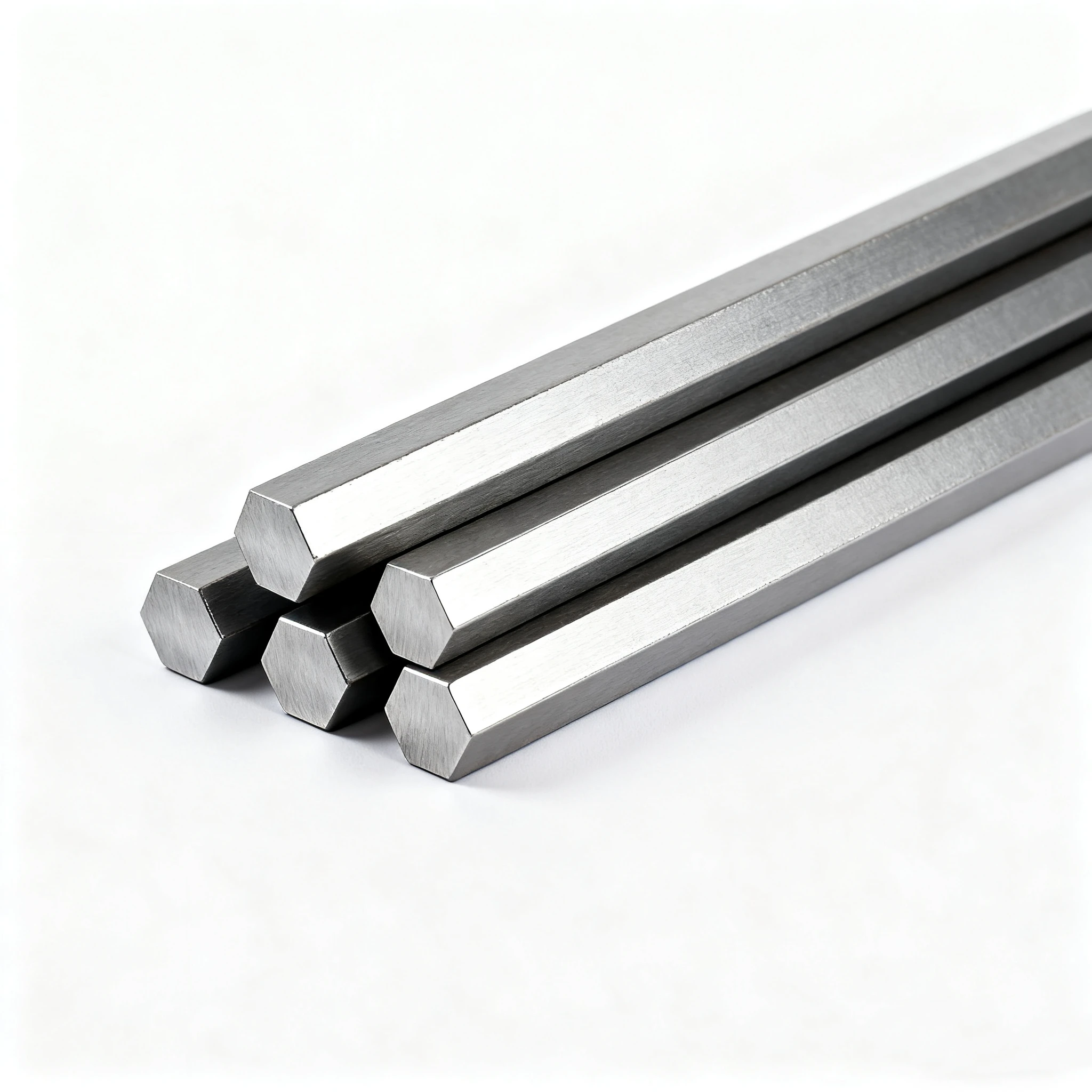
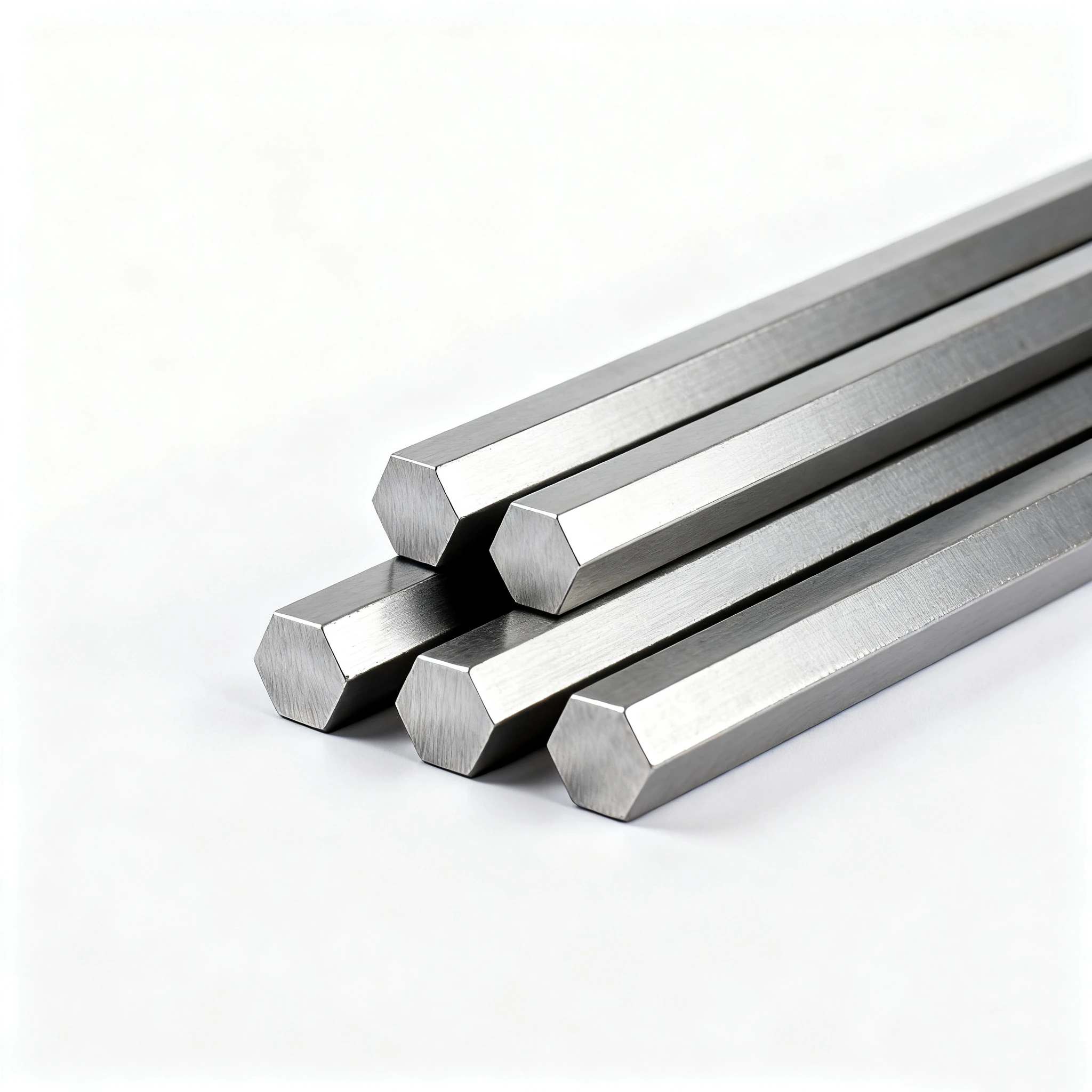
Cold drawn hex steel stands as a specialized and high-performance metal product in modern manufacturing, distinguished by its regular hexagonal cross-section, exceptional dimensional accuracy, and enhanced mechanical properties. Unlike cold drawn round (cylindrical), flat (rectangular), or square steel, its six-sided symmetrical structure offers unique advantages—superior grip for tool engagement, balanced torque transmission, and space-efficient fitting in assemblies. These characteristics make it an indispensable component in industries where precise fastening, reliable power transfer, and structural stability are critical.
The production process of cold drawn hex steel is a meticulous sequence designed to maximize precision and material integrity. It begins with selecting high-quality hot-rolled hexagonal steel billets or bars, with material composition tailored to specific end-use needs: common options include low-carbon steel (e.g., 1018, 1045 for general fastening applications), alloy steel (for enhanced strength in heavy-duty machinery), and stainless steel (for corrosion resistance in harsh environments like marine or food processing). Before the cold drawing stage, the raw material undergoes thorough preparation: it is cleaned to remove scale, rust, and contaminants (via chemical pickling or mechanical shot blasting), then coated with a high-performance lubricant (such as calcium-based soaps or polymer solutions) to minimize friction between the steel and the die, and prevent surface damage during deformation. The core step involves pulling the prepped steel through a custom-engineered hexagonal die at ambient temperature. This cold working process compresses the material’s grain structure, eliminating internal defects like porosity and inclusions while shaping it into a uniform hexagonal profile. The result is exceptional dimensional control: side length tolerances as tight as ±0.015 mm, and angular tolerances (deviation from the ideal 120° between sides) of less than 0.5°, far exceeding the precision of hot-rolled hex steel.
A defining advantage of cold drawn hex steel is its superior hexagonal symmetry and surface quality. Unlike hot-rolled hex steel, which often exhibits uneven side lengths, rounded edges, or rough surfaces, cold drawn variants feature sharp, consistent 120° angles, uniform side dimensions, and a smooth surface finish (typically 0.8–3.2 μm Ra). This symmetry is critical for applications requiring tool compatibility—for example, in fasteners like hex bolts or nuts, the precise hexagonal shape ensures a secure fit with wrenches or sockets, preventing slippage (known as “stripping”) during installation or removal. Additionally, the smooth surface eliminates the need for secondary machining (such as grinding or polishing) in most cases, reducing production costs and accelerating assembly timelines.
Beyond precision, cold drawn hex steel delivers enhanced mechanical performance driven by the cold working process. Strain hardening from die pulling increases tensile strength by 25–40% and yield strength by 30–50% compared to hot-rolled equivalents. This makes it ideal for high-load applications, such as drive shafts or structural supports, where resistance to bending and torsion is essential. Its dense, uniform grain structure also improves ductility and impact resistance, allowing the material to withstand repeated stress (e.g., in rotating machinery parts) without cracking or deformation. The hexagonal shape further amplifies these benefits: for instance, in power transmission components like hex shafts, the six-sided profile provides more contact points with mating parts, ensuring efficient torque transfer compared to round shafts.
The versatility of cold drawn hex steel is reflected in its wide range of industrial applications. In the fastener industry, it is the primary material for manufacturing hex bolts, nuts, screws, and studs—its precise hexagonal shape ensures reliable tool engagement and secure fastening in construction, automotive, and machinery assembly. The automotive sector uses it for components like drive shafts, steering knuckles, and suspension links, leveraging its strength and torque-transmission capabilities to handle dynamic loads. In industrial machinery, cold drawn hex steel serves as the base material for gears, sprockets, and coupling components, where its symmetrical shape guarantees precise alignment and smooth operation. The aerospace and defense industries rely on stainless steel variants for critical components like aircraft fasteners and missile guidance system parts, as the material’s corrosion resistance and high strength meet strict performance standards. Even in consumer goods—such as bicycle components, furniture hardware, and power tools—cold drawn hex steel contributes to product durability and functionality.
Quality control is a cornerstone of cold drawn hex steel production, with rigorous testing protocols enforced at every stage. Manufacturers conduct chemical composition analysis (via spectroscopy) to verify material purity and compliance with standards. Tensile and hardness tests (using Rockwell or Brinell methods) confirm mechanical properties, while dimensional inspections—using advanced tools like laser profilometers and coordinate measuring machines (CMMs)—ensure side length, angular, and straightness accuracy. The material adheres to global specifications such as ASTM A108 (for carbon steel hex bars), DIN 1016 (for general-purpose hex steel), and JIS G3507 (for stainless steel hex bars), guaranteeing consistency across batches. To enhance durability in harsh environments, additional surface treatments are often applied: galvanizing (for corrosion resistance in outdoor applications), zinc-nickel plating (for wear resistance in automotive components), or passivation (for stainless steel to reinforce rust resistance).
As industries evolve toward miniaturization, sustainability, and higher performance, cold drawn hex steel continues to innovate. Advances in die technology—including 3D-printed dies and CNC-machined dies—have enabled the production of smaller, more complex hexagonal profiles (with side lengths as small as 2 mm) for microelectronics and medical devices. The adoption of eco-friendly lubricants (such as plant-based oils) and closed-loop recycling systems has reduced the environmental impact of production, aligning with global sustainability goals. Additionally, the development of high-strength low-alloy (HSLA) hex steel has expanded its use in lightweight sectors like electric vehicles (EVs), where it is used for battery module fasteners and motor components—combining thin profiles with exceptional strength to reduce vehicle weight and improve energy efficiency.
In summary, cold drawn hex steel is a testament to the synergy of precision engineering and material science. Its regular hexagonal profile, exceptional dimensional accuracy, and enhanced mechanical properties make it a critical component in modern manufacturing. Whether securing structures, transmitting power in machinery, or enabling innovation in aerospace, it delivers the reliability, performance, and versatility that industries demand. As technology advances, cold drawn hex steel will continue to adapt, solidifying its role as a foundational material for the next generation of industrial solutions.


Copyright © 2026 by Jiangsu Beitong Cold-drawn Section Steel Technology Co., Ltd.
 EN
EN