 EN
EN
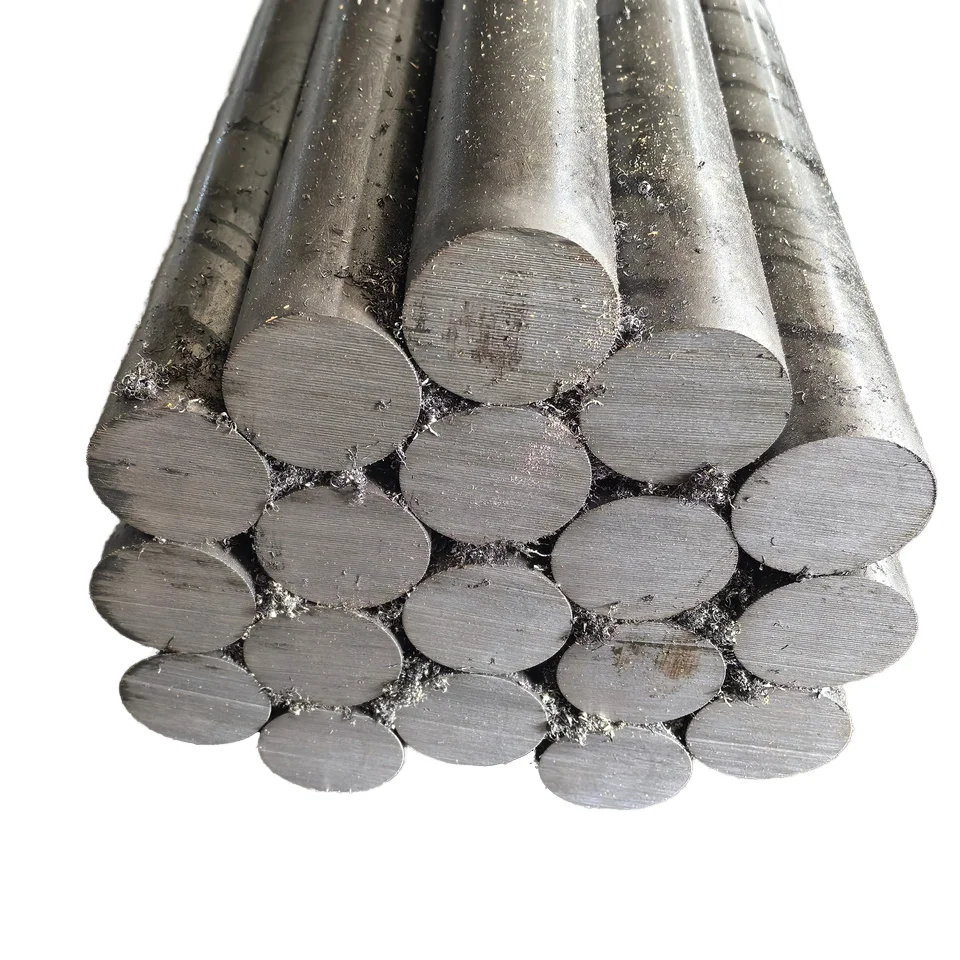
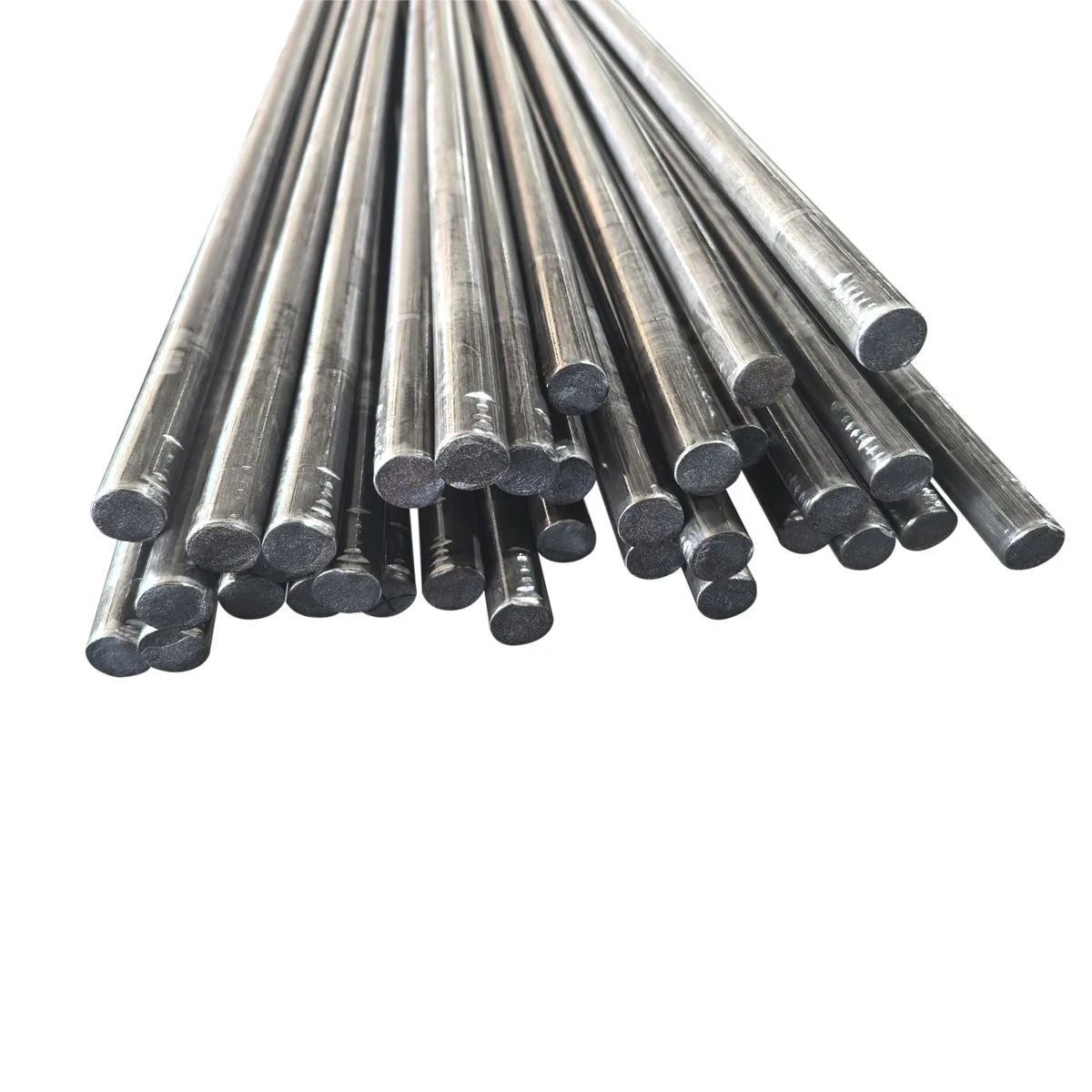
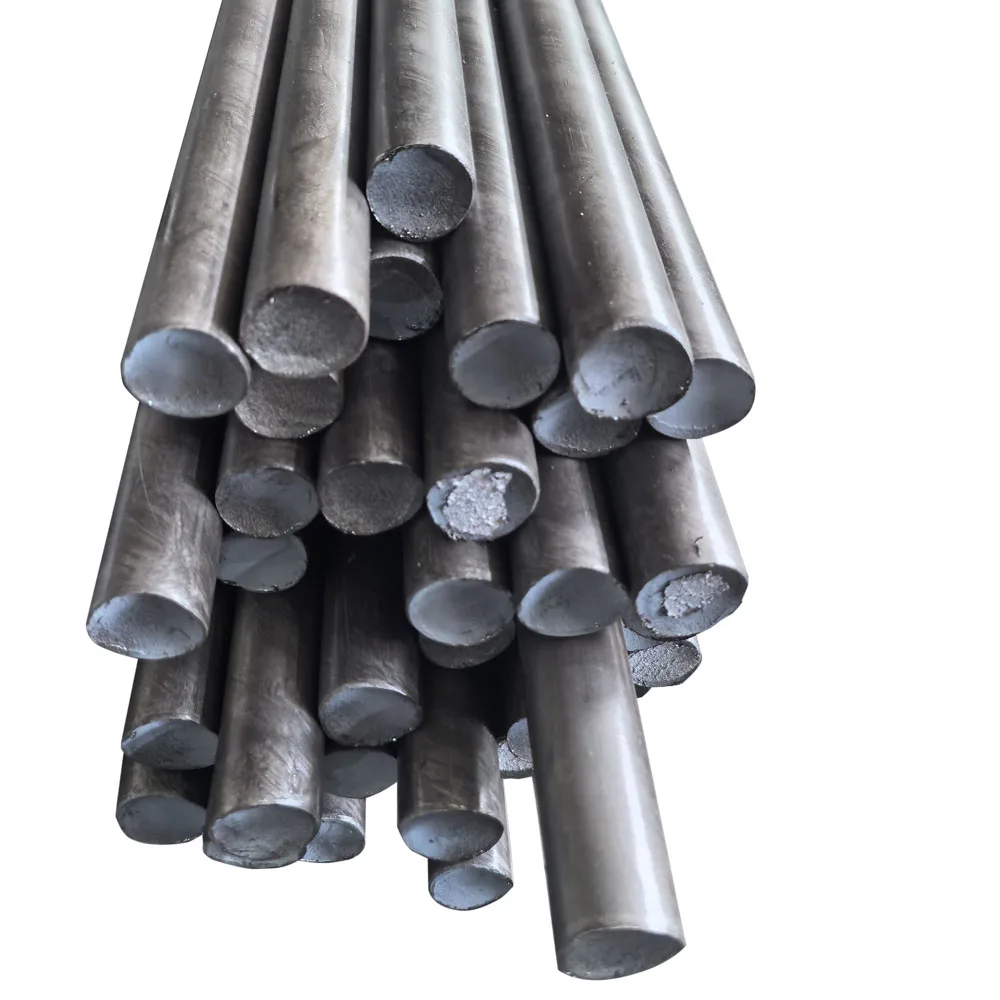
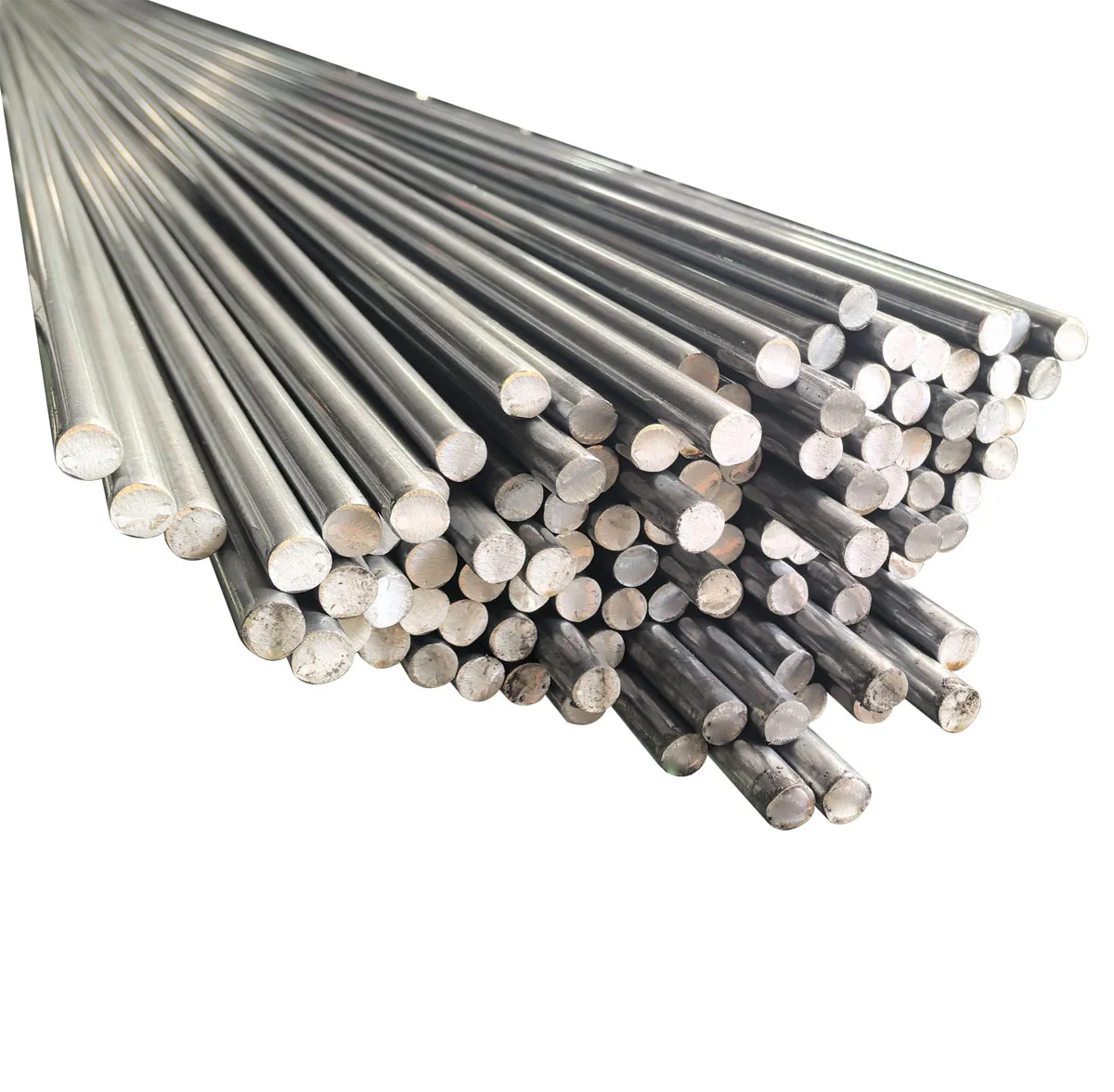
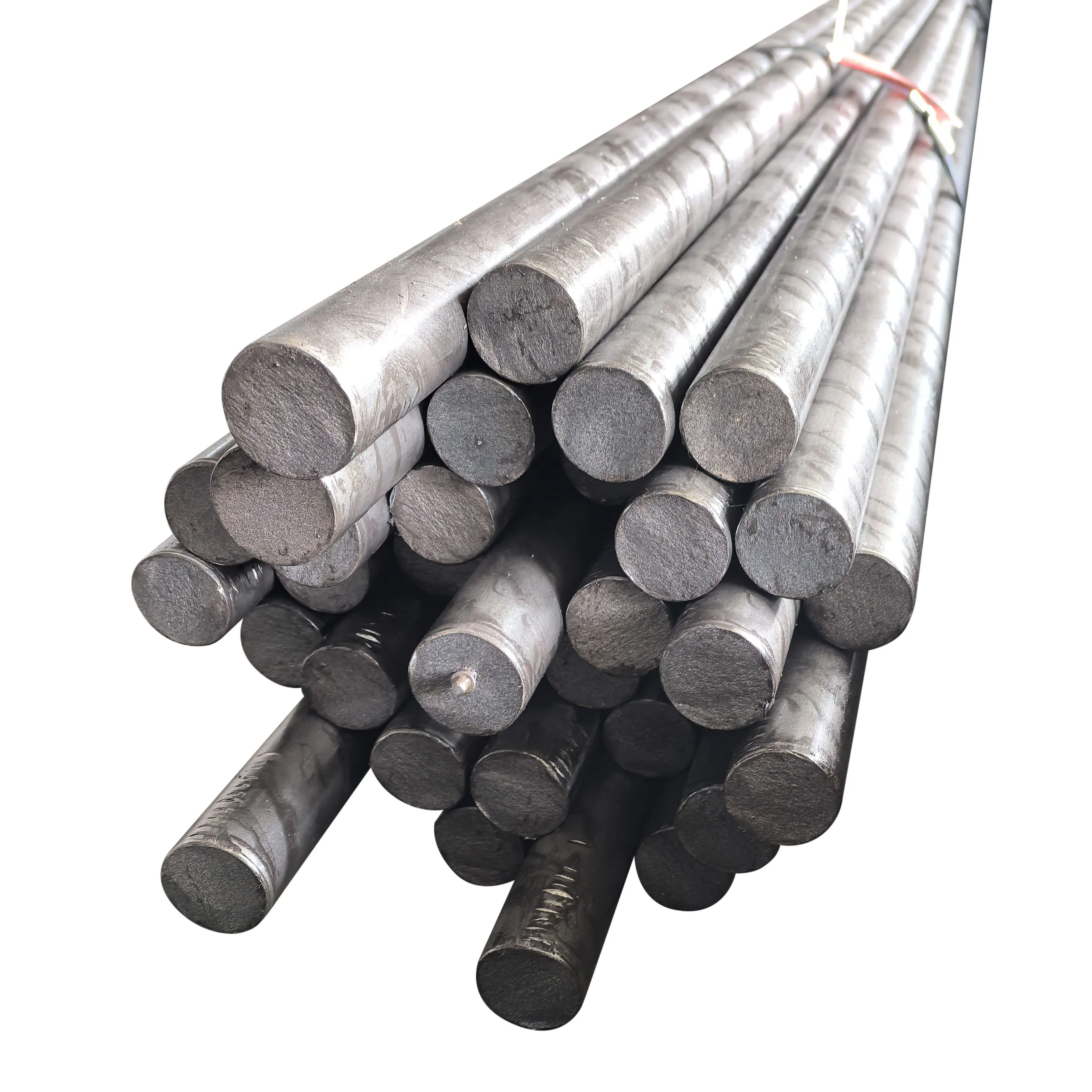
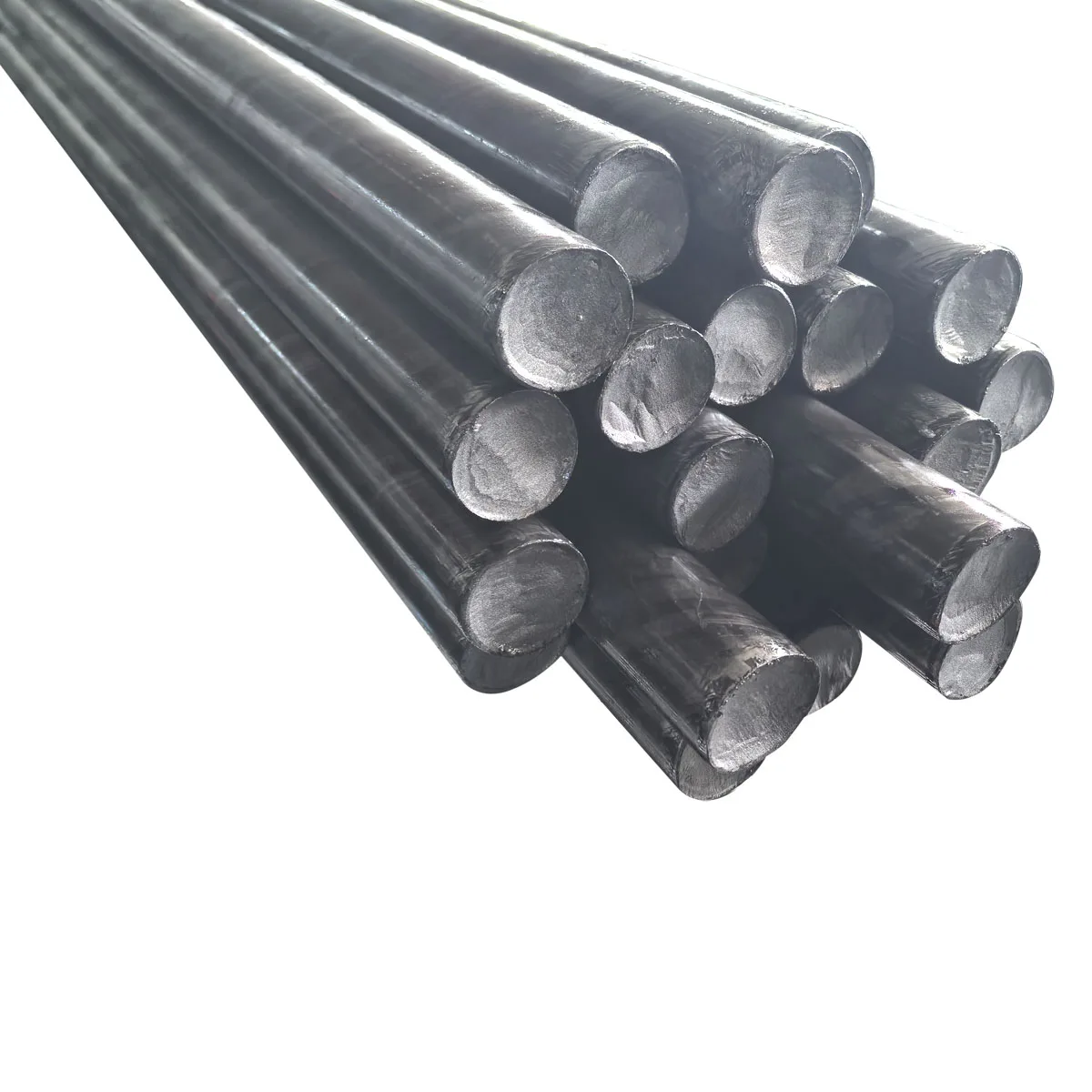
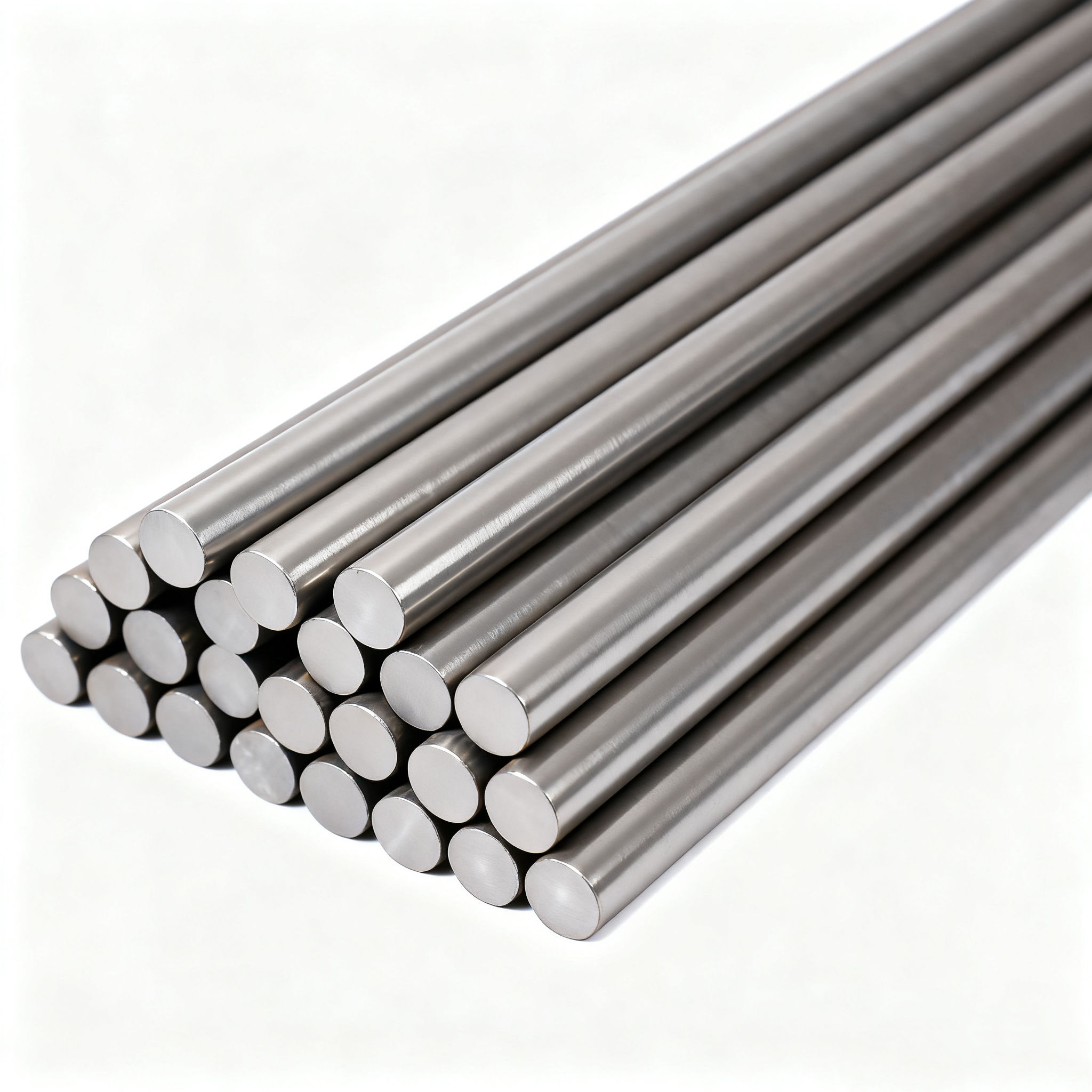
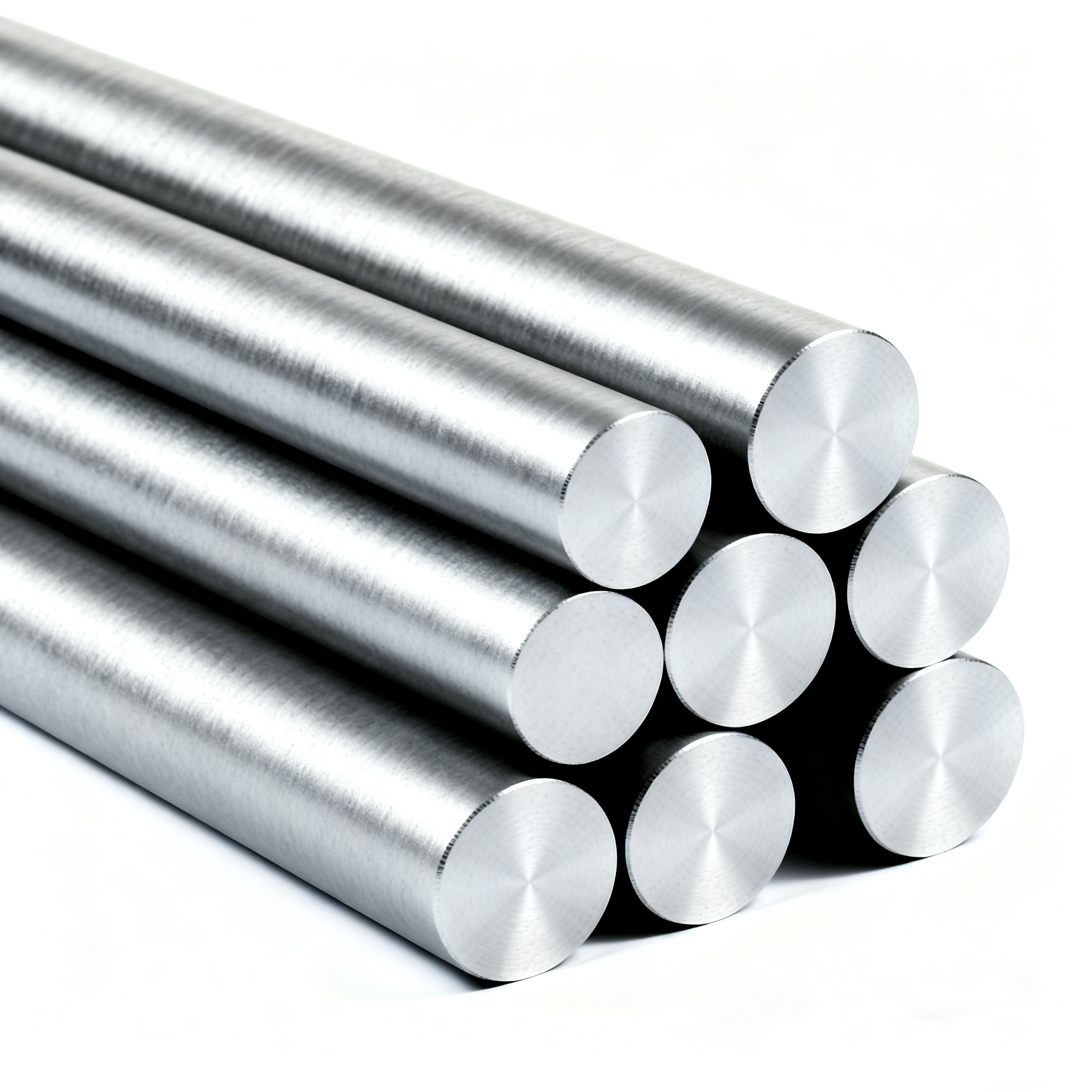
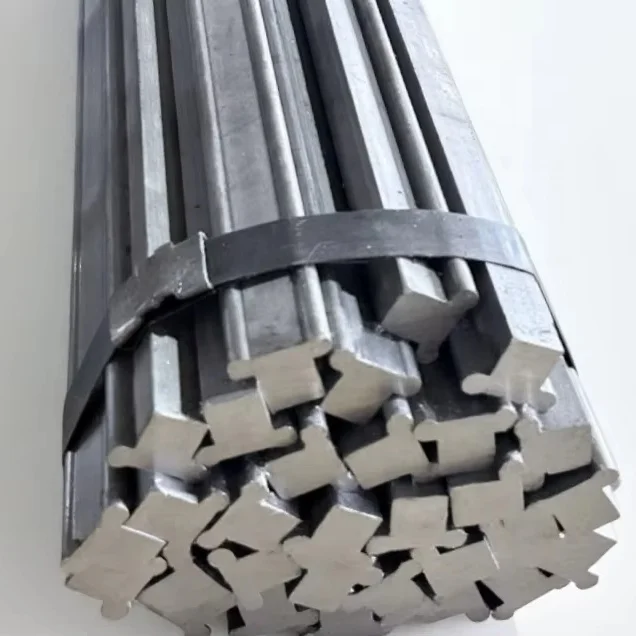
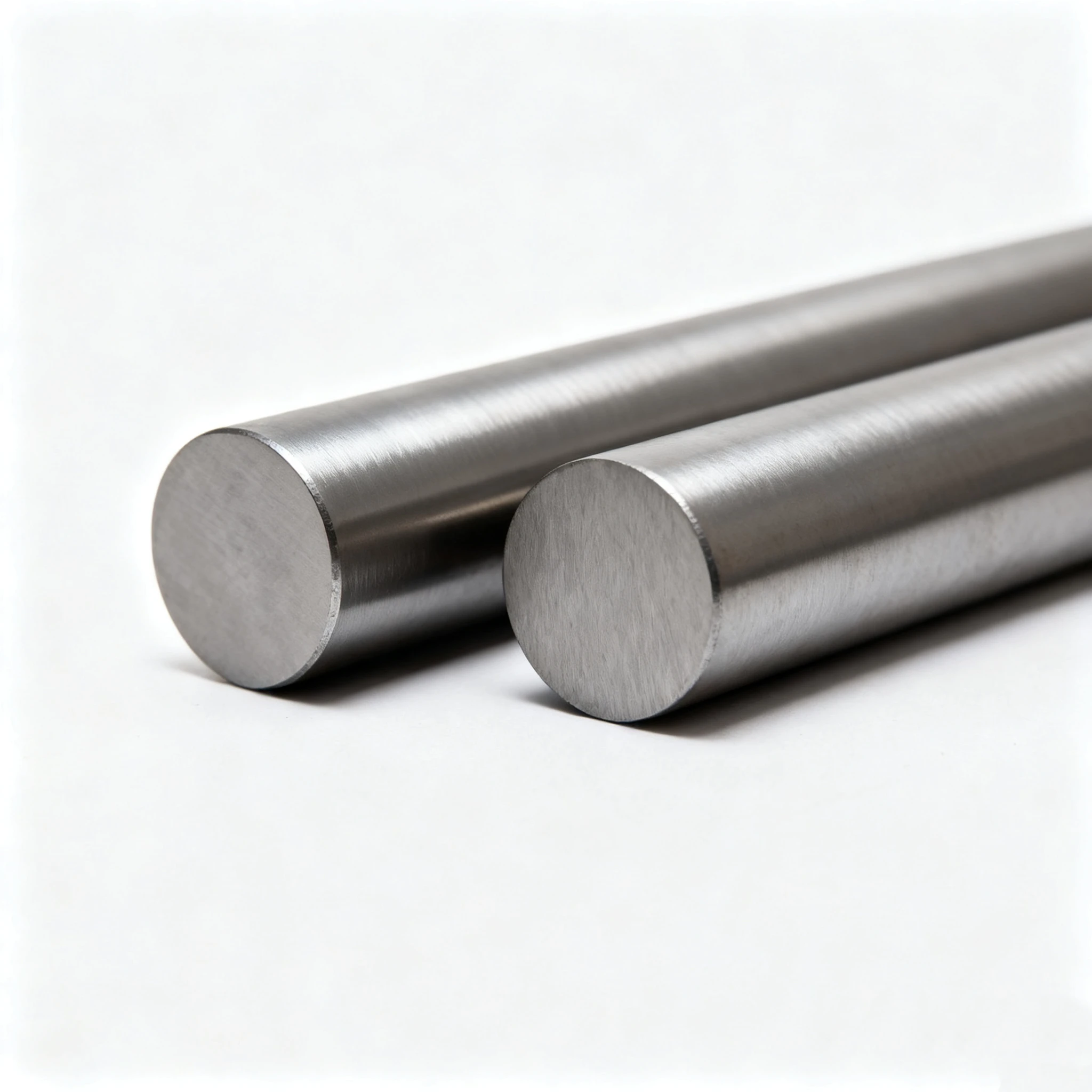
Corrosion Resistant Anti-Rust High-Quality Ideal Cold-Drawn Round Section Steel for Marine Applications
Our corrosion-resistant cold-drawn round steel features excellent anti-rust performance. High-quality and durable, it’s the ideal material for marine applications, withstanding harsh saltwater environments reliably.
- Overview
- Recommended Products
Marine environments, characterized by high salt content, humidity, and alternating dry-wet cycles, pose extreme corrosion challenges to structural steel—making corrosion resistance the most critical requirement for marine-grade materials. Our Corrosion Resistant Anti-Rust High-Quality Ideal Cold-Drawn Round Section Steel is specifically engineered to tackle these challenges, combining the precision of cold-drawing technology with targeted anti-corrosion enhancements. This round steel transcends the limitations of conventional marine steel, offering exceptional rust resistance, high structural strength, and consistent dimensional accuracy—key attributes for components used in shipbuilding, offshore platforms, marine equipment, and coastal infrastructure. Whether serving as a shaft for ship propellers, a fastener for offshore pipelines, or a structural part for marine pumps, it ensures long-term reliability in the harshest saltwater conditions, reducing maintenance costs and extending service life for marine operations.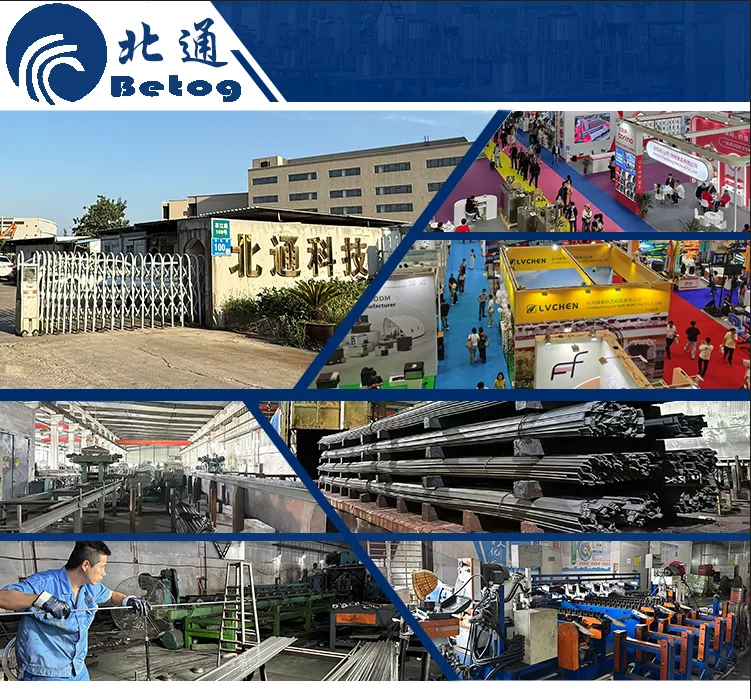
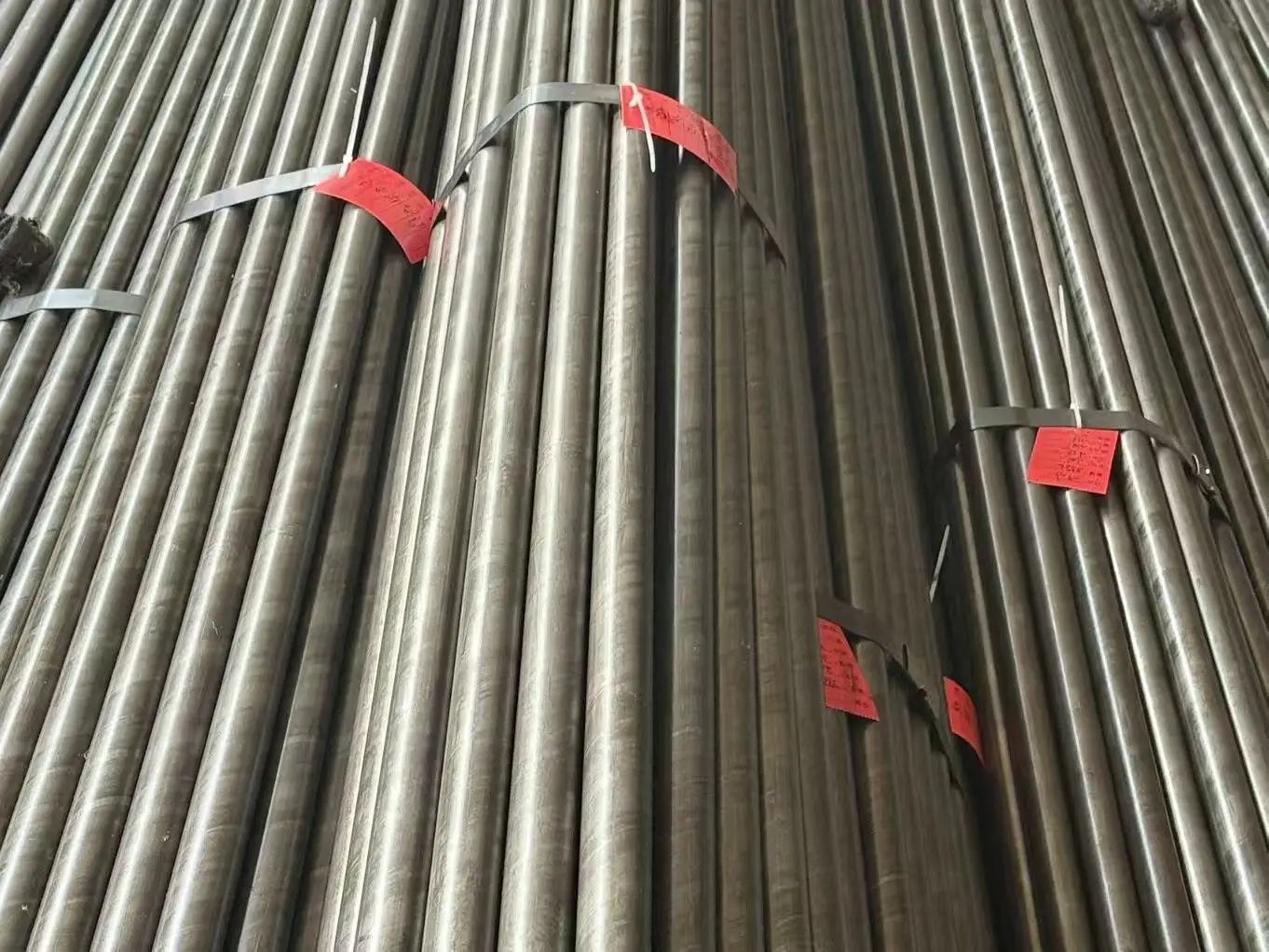
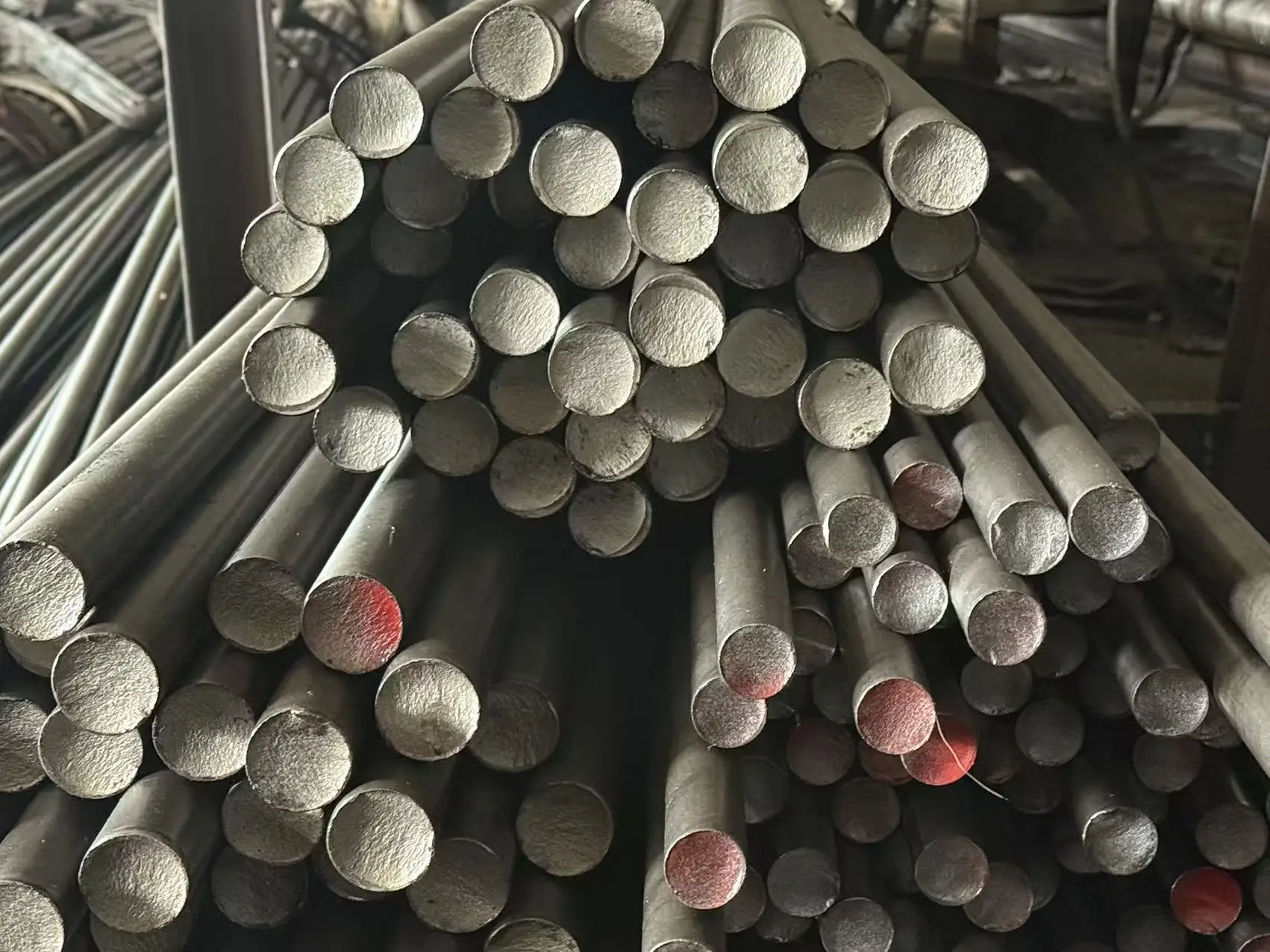


The superior corrosion resistance of this cold-drawn round steel originates from high-quality material selection and optimized alloy composition, tailored for marine service. We primarily use two core material systems: 316L stainless steel and corrosion-resistant alloyed carbon steel (Q355NH), each addressing different marine application needs. 316L stainless steel, containing 16%-18% chromium, 10%-14% nickel, and 2%-3% molybdenum, forms a dense, stable chromium oxide passive film on the surface—this film self-repairs when damaged, effectively blocking saltwater penetration. Its corrosion rate in seawater is less than 0.01mm/year, making it ideal for critical components like marine valve stems and pump shafts. For structural applications requiring higher strength and cost-effectiveness, Q355NH alloyed carbon steel is the choice—it adds copper, phosphorus, and chromium to form a protective rust layer that adheres tightly to the surface, with a corrosion rate 60% lower than ordinary Q235 steel in marine environments. All raw steel billets comply with GB/T 1220-2007 (stainless steel) and GB/T 4171-2008 (weathering steel) standards, with strict control over harmful elements: sulfur content ≤0.030% and phosphorus content ≤0.035% to avoid intergranular corrosion, a common failure mode in saltwater. Before cold drawing, billets undergo solution annealing (for stainless steel) or normalization (for alloyed carbon steel) to refine the microstructure, enhancing both corrosion resistance and mechanical properties.
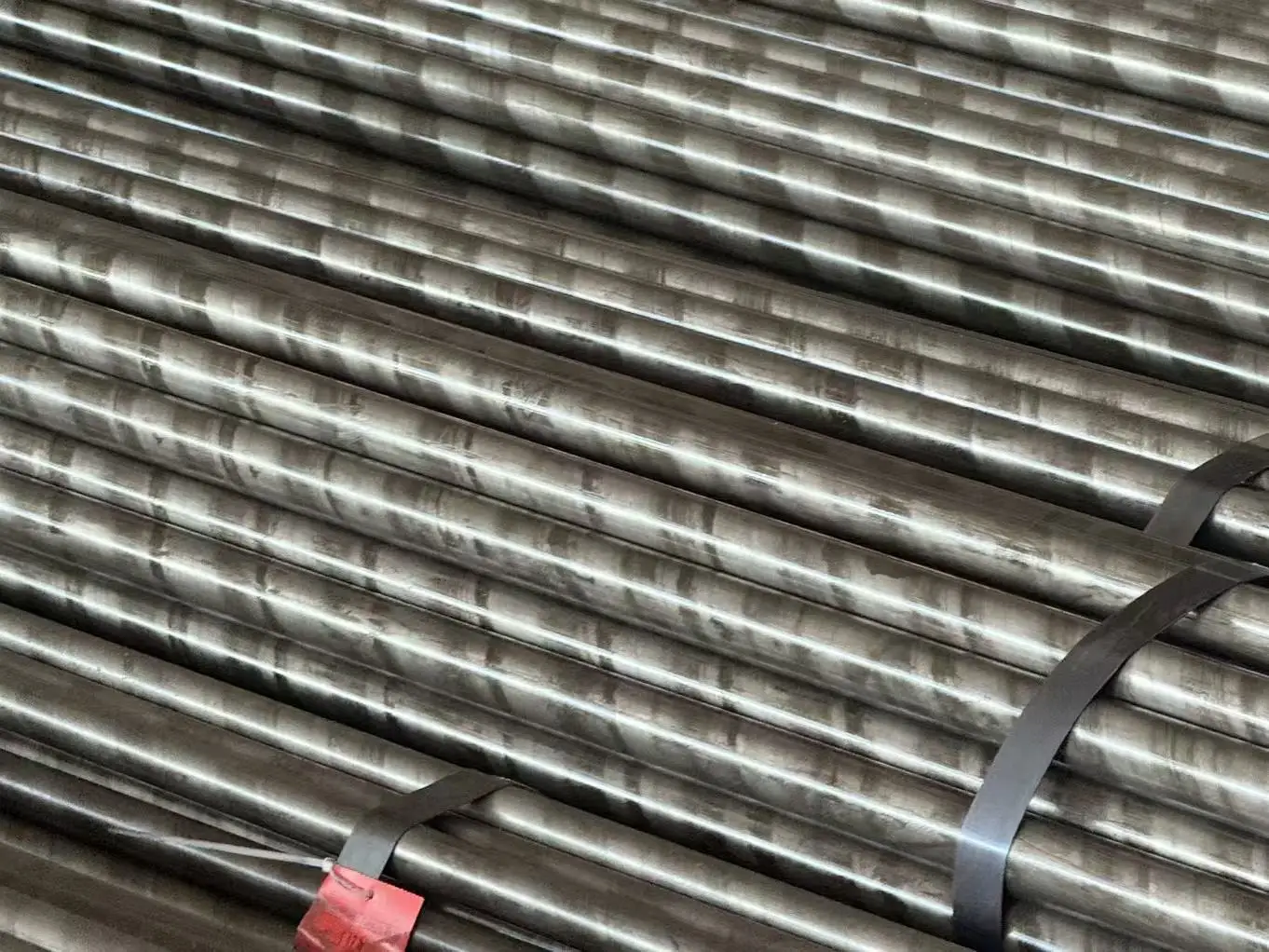
The combination of precision cold-drawing and targeted anti-rust processes further elevates the marine performance of this round steel, creating a dual defense against corrosion. The production workflow is designed to maximize both rust resistance and structural integrity: first, raw billets undergo pickling and passivation—pickling removes surface oxide scale and impurities, while passivation (using nitric acid solution for stainless steel) thickens the passive film, enhancing initial corrosion resistance. Next, the billets are pulled through a precision round die using servo-controlled cold-drawing machines—this cold-working process refines the grain structure, increasing tensile strength by 25%-30% (316L reaches 580-750MPa, Q355NH reaches 510-650MPa) and improving dimensional accuracy. The cold-drawing process also compresses surface pores, reducing pathways for saltwater infiltration—a critical advantage over porous hot-rolled steel. After cold drawing, we apply a marine-specific anti-rust treatment: for stainless steel, this involves electrolytic polishing to achieve a mirror-like surface (Ra ≤ 0.2μm) that minimizes saltwater adhesion; for alloyed carbon steel, we use hot-dip galvanizing or epoxy coating, creating a physical barrier with a thickness of 80-120μm. This multi-stage process ensures the round steel meets the NACE MR0175 standard for corrosion-resistant materials in oil and gas marine applications, withstanding 5000 hours of neutral salt spray testing without red rust.
The exceptional anti-rust performance of this cold-drawn round steel translates to tangible benefits for marine applications, directly addressing the high maintenance costs and safety risks of corrosion. First, extended service life: a shipyard using our 316L round steel for propeller shafts reported a service life of 15 years, compared to 5-8 years for conventional carbon steel shafts—reducing replacement frequency and downtime. This is particularly valuable for offshore platforms, where component replacement can cost millions in vessel and labor fees. Second, reduced maintenance requirements: the passive film and anti-rust coating eliminate the need for frequent repainting or corrosion inhibitors, cutting annual maintenance costs by 40% for a medium-sized fishing vessel. Third, enhanced safety: corrosion-induced structural failure is a major risk in marine operations—our round steel’s consistent corrosion resistance ensures critical components like ship hull fasteners and offshore platform braces maintain their strength over time. For example, an offshore wind farm used our Q355NH round steel for turbine foundation connectors; after 10 years of exposure to North Sea saltwater, the connectors retained 92% of their original tensile strength, far exceeding the 70% minimum requirement. Additionally, the smooth surface of the cold-drawn round steel reduces marine fouling (barnacles and algae growth), which not only improves hydrodynamic efficiency for ship components but also prevents localized corrosion under fouling deposits.
The wide applicability of this corrosion-resistant cold-drawn round steel spans all key marine sectors, thanks to its adaptable material systems and precise specifications. In shipbuilding, it is used for critical components such as propeller shafts, rudder stocks, valve stems, and hull fasteners—316L stainless steel versions handle the dynamic loads and saltwater immersion of underwater parts, while Q355NH serves as structural bracing for ship decks and bulkheads. A major shipbuilder confirmed that using our round steel reduced hull corrosion-related warranty claims by 75%. In offshore oil and gas, it is applied to pipeline connectors, wellhead components, and platform structural parts—the anti-rust coating withstands the harsh conditions of subsea environments, and the high strength resists pressure and wave loads. For example, an offshore pipeline operator uses our galvanized Q355NH round steel for flange bolts, which have operated for 8 years in the Gulf of Mexico without significant corrosion. In marine equipment, it is processed into parts for fishing nets, marine pumps, navigation buoys, and seawater desalination systems—its smooth surface prevents clogging in pumps, and corrosion resistance ensures reliable operation in seawater handling. In coastal infrastructure, it serves as reinforcing bars for seawalls, bridge piers, and port terminals—Q355NH’s protective rust layer adapts to tidal zones’ alternating dry-wet conditions. The round steel is available in a comprehensive range of specifications: diameters from 5mm to 100mm, lengths from 1m to 12m, and custom anti-rust treatments (such as duplex coating for extreme subsea applications) to match specific marine scenarios.
A marine-focused quality control system ensures that every batch of round steel meets the rigorous corrosion and strength requirements of marine applications. We have established a five-stage inspection process aligned with DNV GL and ABS marine certification standards, covering raw materials, processing, anti-rust treatment, and finished products. Key tests include: 1) Corrosion performance testing: neutral salt spray testing (ASTM B117) for 5000 hours, electrochemical impedance spectroscopy to verify passive film stability, and marine immersion testing (6 months in natural seawater) for long-term performance. 2) Mechanical property testing: tensile testing to confirm strength (316L yield strength ≥170MPa, Q355NH ≥355MPa), impact testing at -20°C to ensure toughness in cold marine environments. 3) Dimensional accuracy testing: using laser diameter gauges and 3D coordinate measuring machines to control diameter tolerance within ±0.03mm and straightness within 0.2mm/m—critical for shaft and fastener applications. 4) Anti-rust coating testing: thickness measurement (using magnetic induction gauges) and adhesion testing (ASTM D3359 cross-cut test) to ensure coating durability. 5) Non-destructive testing: ultrasonic testing to detect internal defects and magnetic particle inspection for surface cracks. Each batch is accompanied by a marine material certification report, including corrosion test data and compliance with international standards, providing shipyards and offshore operators with complete quality assurance.
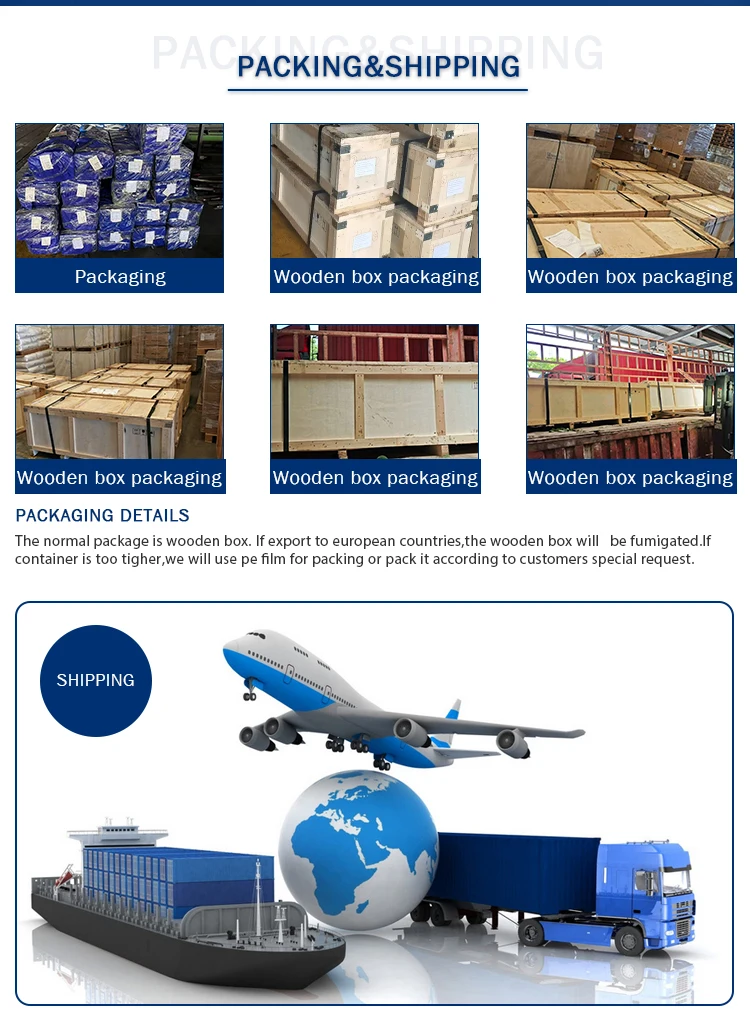
To better support marine customers, we provide customized technical services tailored to marine applications. Our team of metallurgists and marine engineers offers pre-sales consultation to help select the optimal material and anti-rust treatment: for example, recommending 316L with electrolytic polishing for subsea pumps and Q355NH with hot-dip galvanizing for coastal bridges. We provide certification support, assisting customers in obtaining DNV GL, ABS, or BV certifications for marine components made from our round steel—streamlining the shipbuilding and offshore project approval process. For large-volume orders (such as offshore platform construction), we offer just-in-time delivery with corrosion-resistant packaging (vacuum-sealed for stainless steel, moisture-proof wrapping for coated steel) to prevent rust during transportation. After-sales, we provide on-site corrosion inspection and maintenance guidance: a fishing company using our round steel for net winch shafts received annual inspections from our technicians, who recommended targeted lubrication to further extend service life. We also conduct joint R&D with marine research institutions—recently, we developed a new 316L-Mo variant with enhanced molybdenum content (3.5%) for ultra-deep-sea applications (1000m+), where higher pressure and more aggressive seawater demand superior corrosion resistance.
As the marine industry shifts toward more sustainable and cost-effective operations—with a growing focus on reducing maintenance and extending asset life—our corrosion-resistant cold-drawn round steel is well-positioned to meet evolving demands. The global marine corrosion market costs an estimated $2.5 trillion annually, and our material offers a proven solution to mitigate this loss. Looking forward, we will continue to innovate in two key areas: first, developing high-entropy alloy stainless steel grades that offer 20% better corrosion resistance than 316L, targeting ultra-harsh marine environments like coastal desalination plants with high chloride concentrations. Second, optimizing our anti-rust coating processes with eco-friendly materials (such as water-based epoxy) to meet increasingly strict marine environmental regulations. We will also expand our specification range to include ultra-large diameter round steel (up to 150mm) for ship propeller shafts and offshore wind turbine main shafts. By focusing on the unique corrosion challenges of marine applications and delivering high-quality, durable cold-drawn round steel, we aim to become a global trusted partner for shipyards, offshore operators, and marine equipment manufacturers. Whether for small-scale fishing vessel components or large-scale offshore platform structures, our product remains committed to the promise of "anti-rust for durability, strength for safety," supporting the sustainable development of the global marine industry.
Jiangsu Beitong Cold-Drrawn SteelTechnology Co..Ltd.Established in 2018 with an investment of80 million RMB, the company is located in FenhuHigh-Tech Zone, Wujiang District, Suzhou City, Jiangsu Province. Covering an area of 35mu (approximately 23,333 square meters), it is a private enterprise integrating high tech.nologyand modernmanagement.The company has a staffofover 60, including technical personnel and R&D professionalsIt mainly engages in the R&D and production of precision cold-drawn steel productswhich are well-received both at home and abroad, serving more than 5,000 customersGuided by technological innovation,the company has obtained more than 10 nationapatent authorizations.lt was awarded the title of "Provincial Science and Technolo.gy-Based Small and Medium-Sized Enterprise" in 2022, passed the "lSO Three-SystemCertification" in 2023, and won the title of"Specialized, Refined, Characteristic and inno.vative Small and Medium-Sized Enterprise" in 2024.Currently,it has more than 50cold-drawing production lines, equipped with mechanical performance testing equip.ment, ultrasonic flaw detection equipment and laboratory analysis equipment, boastingstrong technical capabilities. its products are widely applied in industries such as construction machinery,automobiles,submarines, aerospace, petroleum, coalmining, national defense, textile machinery, machine tools, agricultural machin-ery,fitness equipment and elevators.
Product Name: |
Material: |
Product Dimensions: |
Unit: |
Round Steel |
Carbon Steel |
Packaging according to custom requirements |
Tons |

Q1.When can you produce samples? Usually,it takes us 5 to 7 days to produce samples.
Q2.What is your minimum order quantity?
Cold-drawn structural steel sections are generally divided into two typesless-than-truckload and wholesale, with a minimum of 2 tons; specific quantitiescan be discussed.
Q3.How long is your delivery time?
For customized products, we can arrange shipment within 30 days after receiv-ing the deposit.
Q4.Which ports do you ship from? Shanghai Port.
Q5.What are your payment terms?
Typically,30% telegraphic transfer (TT) as advance deposit, and the balanceagainst a copy of the bill of lading.
Q6.Where is your company located?
Viangsu Province.
Q7.What are your main products?
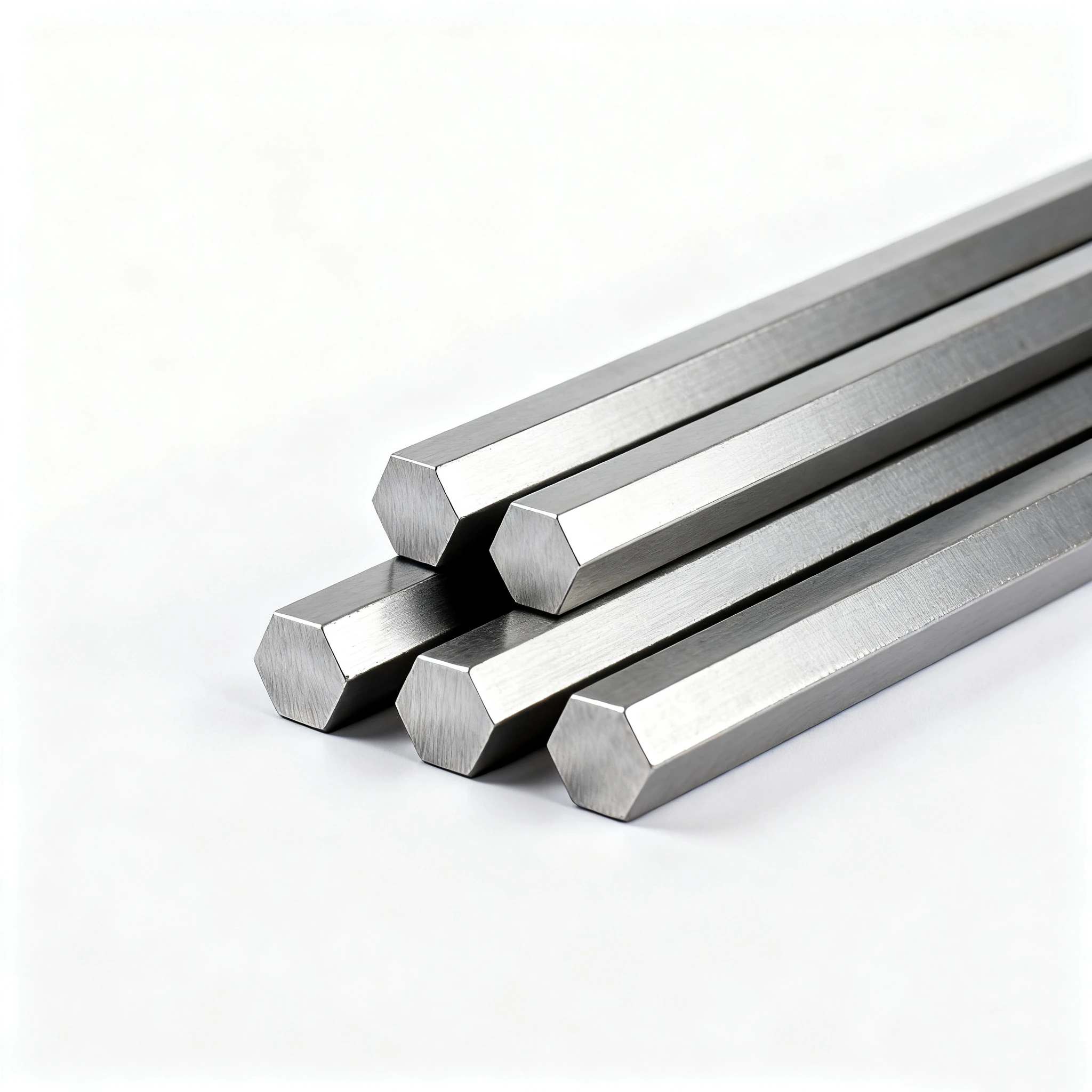
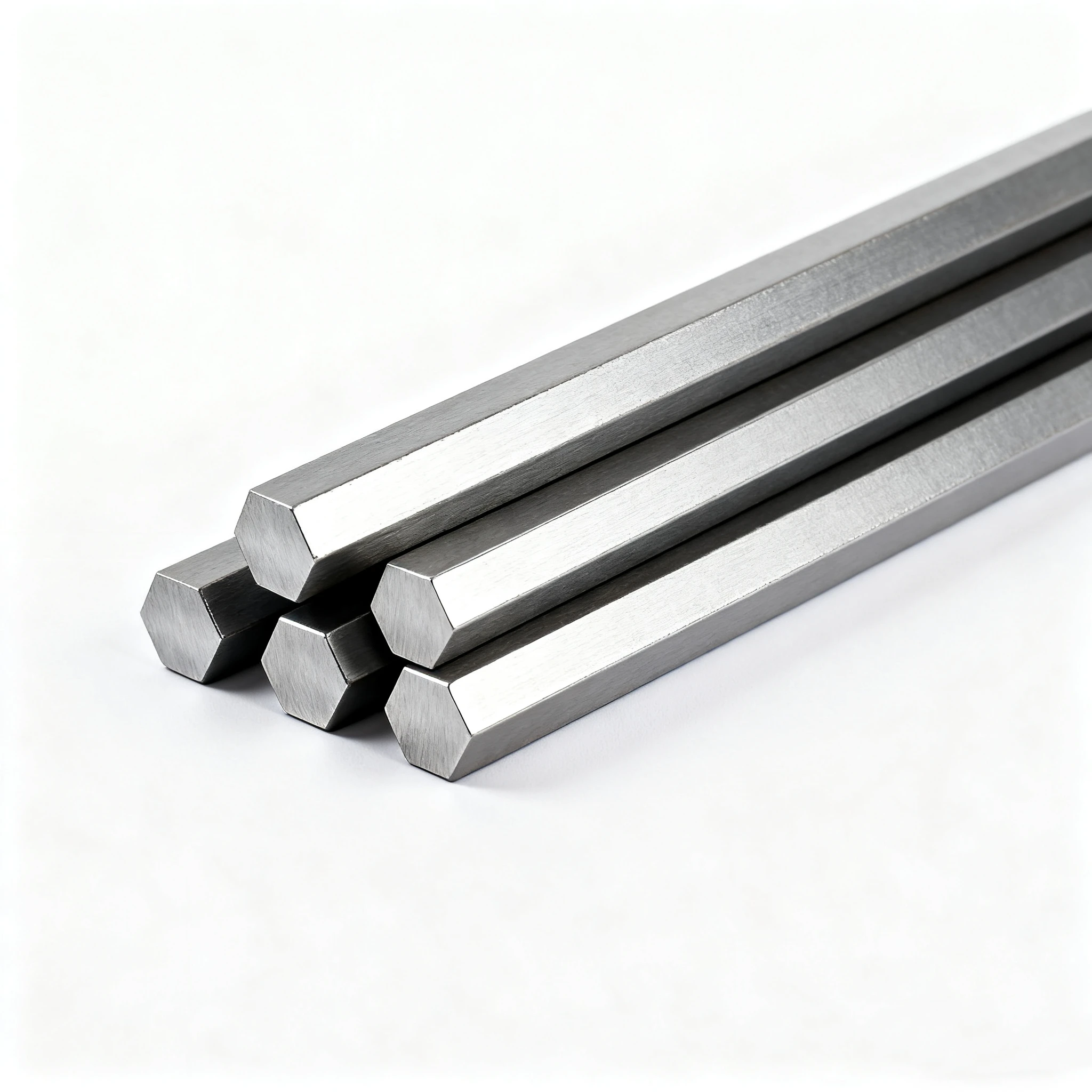
Cold-drawn structural steel:Cold-drawn round steel, cold-drawn square steel, cold-drawn flat steel.cold-drawn hexagonal steel, cold-drawn special-shaped steel.Carbon steel:Q215.Q195.Q235.20#.35#.45#.55#Alloy steel/gear steel:Q355.40Cr,20CrMo,35CrMo.42CrMo,20Cr.20CrMoTi.Free-cutting steel:1215,12L14,1144.Bearing steel: GCr15.Spring steel:60Si2Mn.65Mn.Add inks 24-hourfeedback.48-hour solution(24-Hour Feedback,48-Hour Solution)
Q8.What types of carbon steel bars are there?
Low-carbon steel bars: Low carbon content, good toughness, suitable for weld-ing and machining.Medium-carbon steel bars: Moderate carbon content, balanced strength andtoughness,suitable for mechanical partsHigh-carbon steel bars: High carbon content, high hardness, suitable for toolsand springs.
Q9.Do carbon steel bars rust?
Yes, carbon steel bars are prone to rust in high-humidity environments. Coating.galvanizing,or heat treatment can improve corrosion resistance.
Q10.What are common uses for carbon steel bars?
Used in building structures (such as rebars, support rods)Production of mechanical parts, such as shafts and bolts.Production of tools (such as cutting tools, drill bits).
Q11.How are the dimensional specifications of carbon steel bars determined?
They are typically categorized by diameter and length, with diameters rangingfrom severalmimetershundreds of millimeters.Common lengths are tometers or custom lengths.
Q12.What is the fatiaue resistance of carbon steel bars?
Fatigue resistance depends on the carbon content, microstructure, and surfacequality ofthecaroon steeImprovement methods: Surface treatments (such as rolling, polishing) or opti.mizingheattreatmentprocesses.
Q13.What should be considered when welding carbon steel bars?
Low-carbon steel bars are easy to weld, but it is important to avoid excessivelyhiah temperatures that mav cause coarse arain formation.High-carbon steel bars are prone to cracking during welding and require pre-heating and post-heating treatments.
Q14.Can l get samples? Yes.
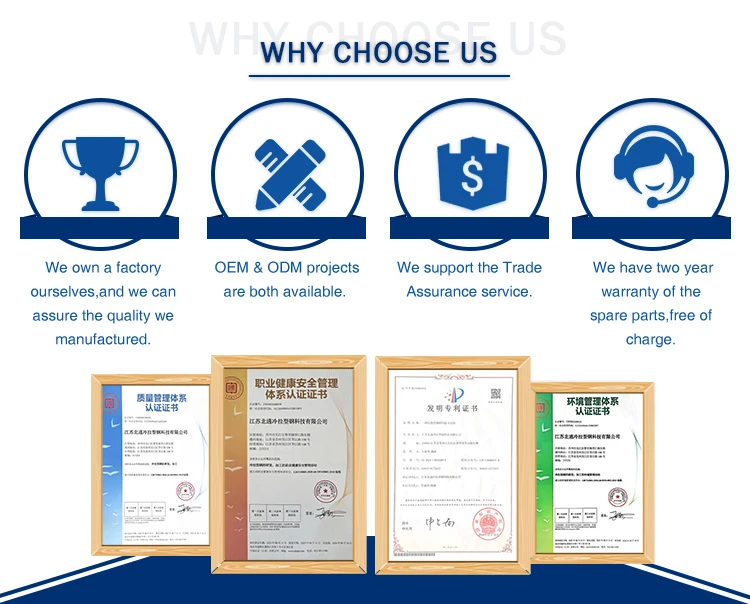
Q15. Do you have a factory?
Yes, we have a factory in Jiangsu, and you are welcome to visit our company andfactory.We are a professional cold-drawn steel manufacturer offering OEM/ODMservices to customers