Cold Drawn Flat Steel: Precision, Durability, and Adaptability for Diverse Industrial Needs
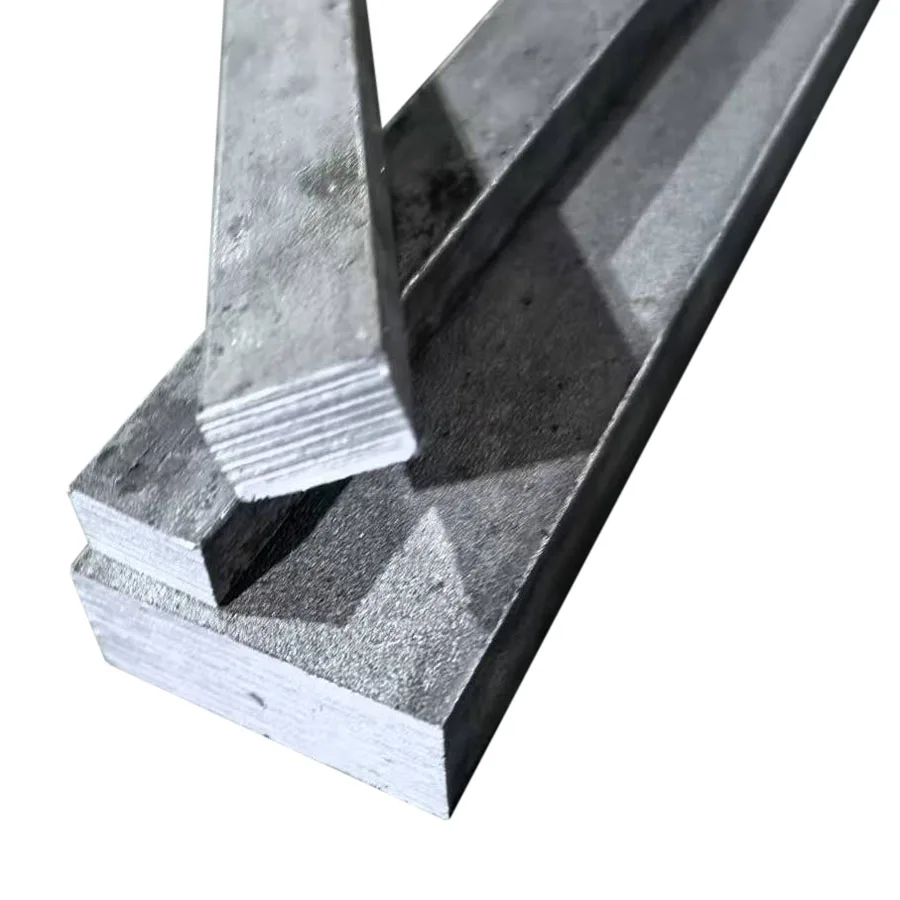
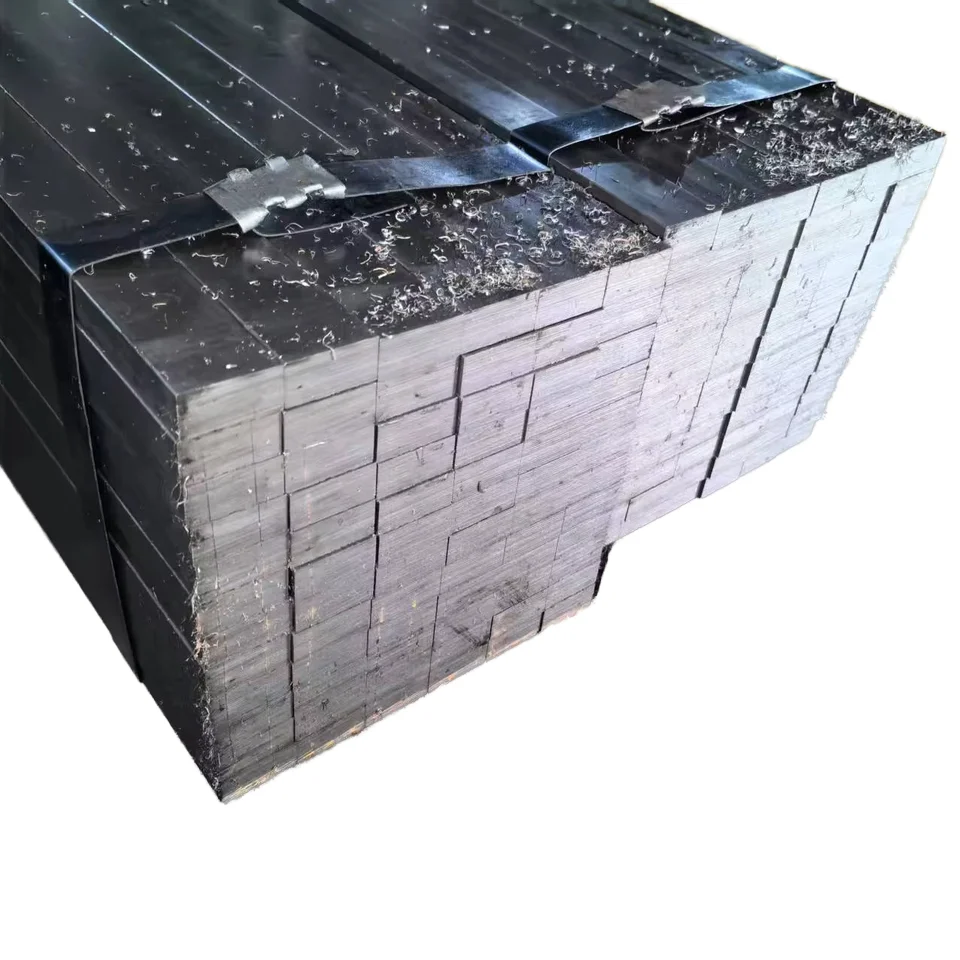
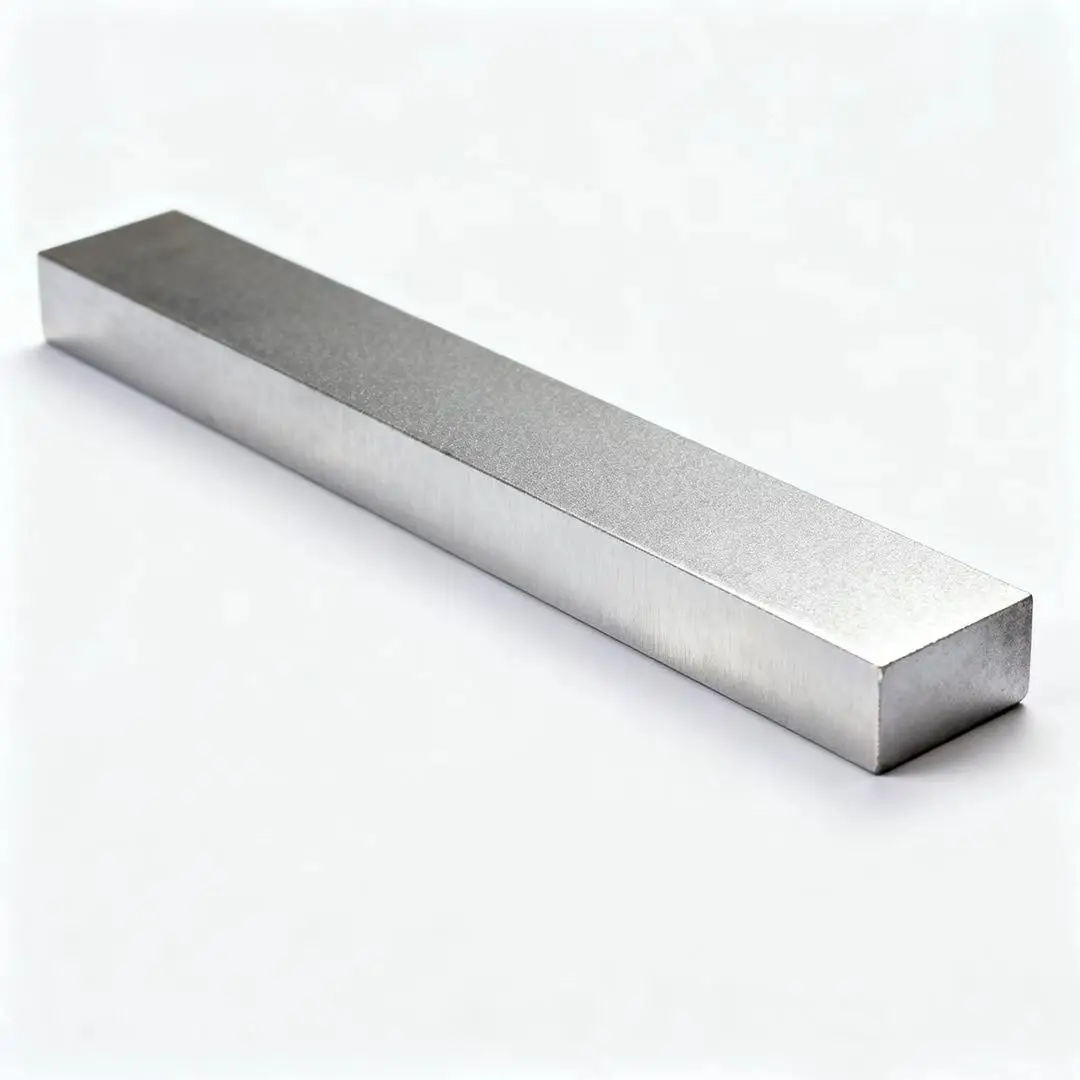
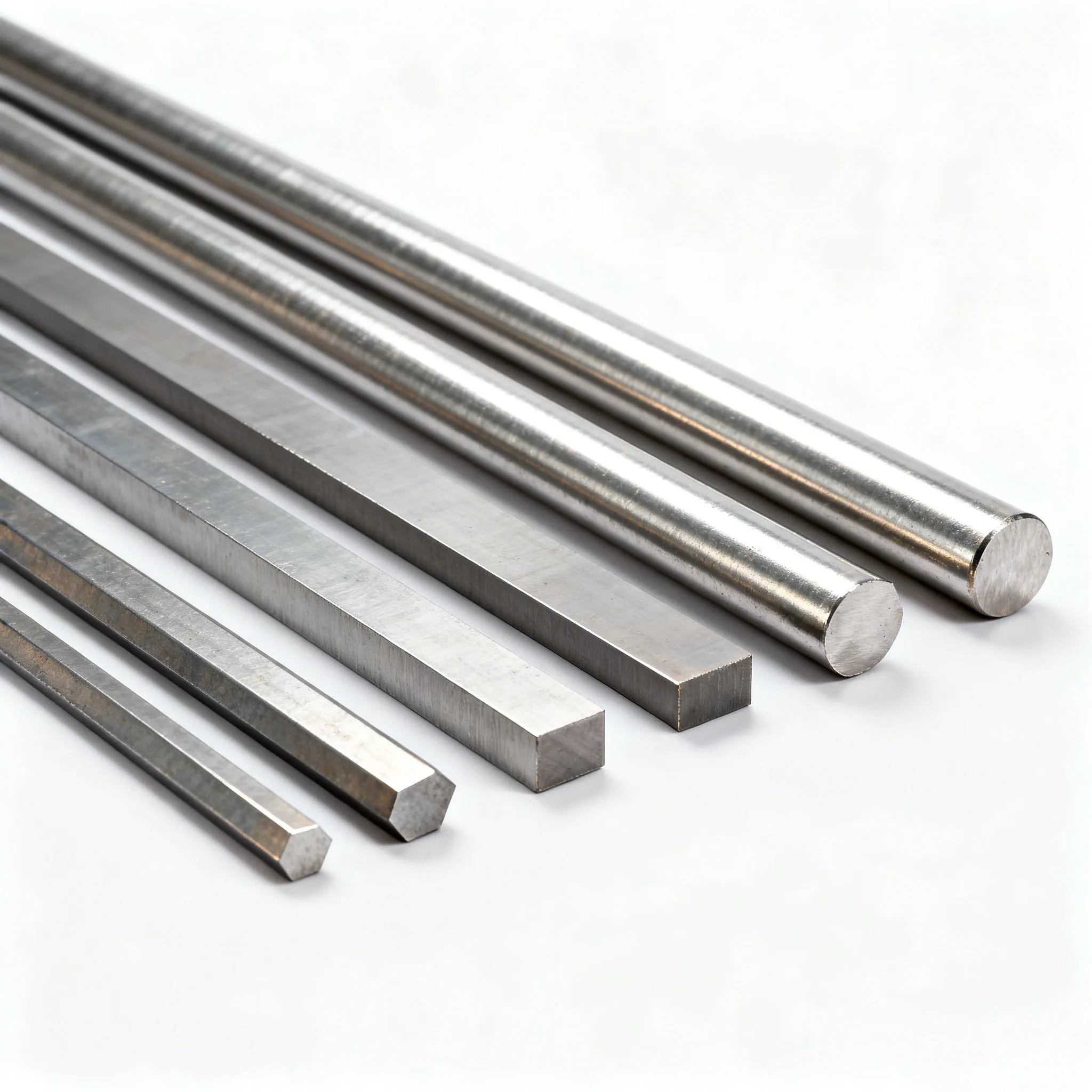
Cold drawn flat steel emerges as a vital and versatile metal product in modern manufacturing, distinguished by its flat, rectangular cross-section, exceptional dimensional precision, and enhanced mechanical strength. Unlike its cylindrical counterpart, cold drawn round steel, this specialized material is engineered to meet the unique demands of applications requiring stable load distribution, seamless fitting in flat assemblies, and reliable performance in structural or functional roles. As a result, it has become an indispensable component across industries where form, function, and consistency converge.
The production process of cold drawn flat steel is a refined sequence that prioritizes precision and material integrity. It starts with high-quality hot-rolled flat steel coils or bars, selected based on their chemical composition—commonly low-carbon steel (e.g., 1018, 1045), alloy steel, or stainless steel—to align with specific end-use requirements. Before drawing, the raw material undergoes thorough preparation: it is cleaned to strip away scale, rust, and contaminants, then coated with a high-performance lubricant (such as calcium or polymer-based solutions) to minimize friction during deformation. The key step follows: the prepped steel is pulled through a custom-engineered flat die at ambient temperature. This cold working process compresses the material’s grain structure, eliminating internal flaws like voids and inclusions while shaping it into a flat profile with tight dimensional control—thickness tolerances as narrow as ±0.01 mm and width tolerances of ±0.03 mm are achievable, far exceeding the precision of hot-rolled flat steel.
A defining feature of cold drawn flat steel is its superior dimensional accuracy and surface quality. Unlike hot-rolled flat steel, which often has uneven edges, rough surfaces, and inconsistent thickness, cold drawn variants boast a smooth, uniform surface finish (typically 0.8–3.2 μm Ra) and crisp, straight edges. This eliminates the need for time-consuming secondary processes like grinding, milling, or edge trimming in most applications, reducing production costs and accelerating assembly timelines. For instance, in the manufacturing of precision brackets or sliding components, the consistent thickness and smooth surface of cold drawn flat steel ensure a perfect fit and smooth operation, eliminating the risk of jamming or premature wear.
Beyond precision, cold drawn flat steel delivers enhanced mechanical performance tailored to its flat geometry. The cold drawing process induces strain hardening, increasing tensile strength by 25–40% and yield strength by 30–50% compared to hot-rolled equivalents. This makes it ideal for applications requiring high load-bearing capacity in a thin, flat form—such as structural supports in compact machinery or load-bearing plates in automotive chassis. Additionally, the uniform grain structure enhances ductility and impact resistance, allowing the material to withstand repeated stress without cracking or deformation. Its flat profile also enables efficient heat distribution, a critical advantage in applications like heat exchangers or electrical components where thermal management is essential.
The adaptability of cold drawn flat steel is reflected in its diverse industrial applications. In the automotive industry, it is widely used to produce components like door hinges, seat frames, and brake system brackets—where its flat shape ensures stable mounting and its high strength withstands the rigors of daily use. The electronics sector relies on it for manufacturing heat sinks and electrical contacts, leveraging its smooth surface for optimal thermal conductivity and electrical performance. In construction and furniture manufacturing, cold drawn flat steel serves as the backbone for modular shelving, cabinet frames, and structural brackets, thanks to its dimensional consistency and ease of fabrication (it can be easily cut, drilled, or bent into custom shapes). The industrial machinery sector uses it for guide rails, sliding blocks, and precision linkages, where its straight edges and uniform thickness guarantee smooth, precise movement. Even in specialized fields like medical device manufacturing, cold drawn flat steel is employed to make surgical instrument components—its biocompatible stainless steel variants (e.g., 304, 316) and precise dimensions meet the strict hygiene and performance standards of the healthcare industry.
Quality control is a cornerstone of cold drawn flat steel production. Manufacturers implement rigorous testing at every stage: chemical composition analysis ensures compliance with material specifications, tensile and hardness tests verify mechanical properties, and advanced inspection tools—including laser profilometers and digital calipers—confirm dimensional accuracy. The material also adheres to global standards such as ASTM A108 (for carbon steel), DIN 1014 (for general use), and JIS G3507 (for stainless steel), ensuring consistency and reliability across batches. To enhance durability in harsh environments, additional surface treatments are often applied: galvanizing for corrosion resistance in outdoor applications, zinc-nickel plating for enhanced wear resistance in automotive components, or passivation for stainless steel variants to improve rust resistance.
As industries evolve toward miniaturization, sustainability, and higher performance, cold drawn flat steel continues to innovate. Advances in die design—such as multi-cavity dies—have increased production efficiency, enabling the manufacture of smaller, more complex flat profiles for microelectronics and medical devices. The development of eco-friendly lubricants and recycling processes has reduced the environmental impact of production, aligning with global sustainability goals. Additionally, the integration of high-strength alloys (e.g., HSLA 420) has expanded its application in lightweight, high-performance sectors like electric vehicles (EVs), where it is used to produce battery tray components—combining thin profiles with exceptional strength to reduce vehicle weight and improve energy efficiency.
In conclusion, cold drawn flat steel is a testament to the synergy of precision engineering and material science. Its exceptional dimensional accuracy, enhanced mechanical strength, and versatile flat profile make it a critical component in modern manufacturing. Whether enabling the production of compact automotive parts, high-precision electronics, or durable structural components, it delivers the reliability, performance, and efficiency that industries demand. As technology advances, cold drawn flat steel will continue to adapt, solidifying its role as a foundational material for the next generation of industrial innovation.

Copyright © 2026 by Jiangsu Beitong Cold-drawn Section Steel Technology Co., Ltd.
 EN
EN