 EN
EN
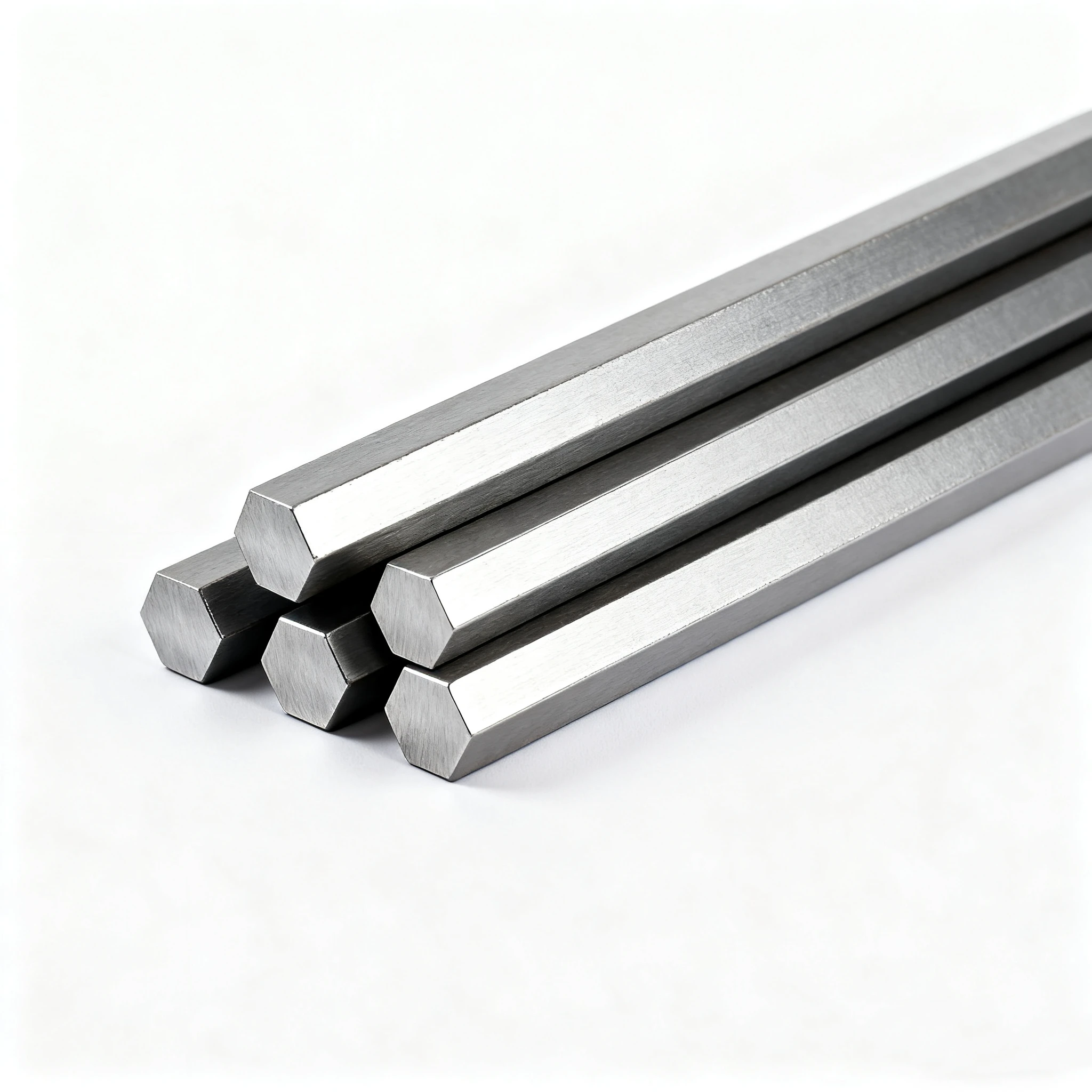

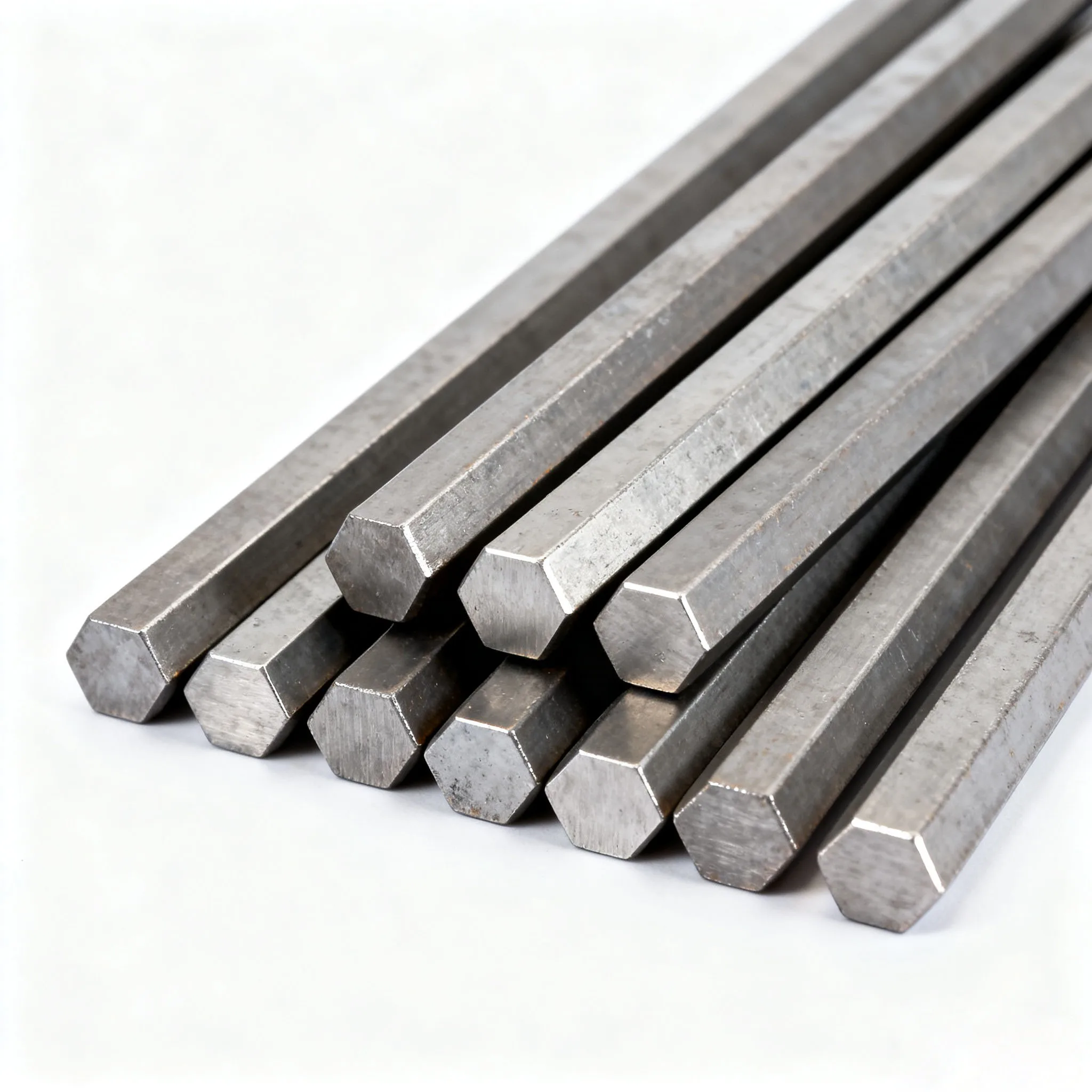
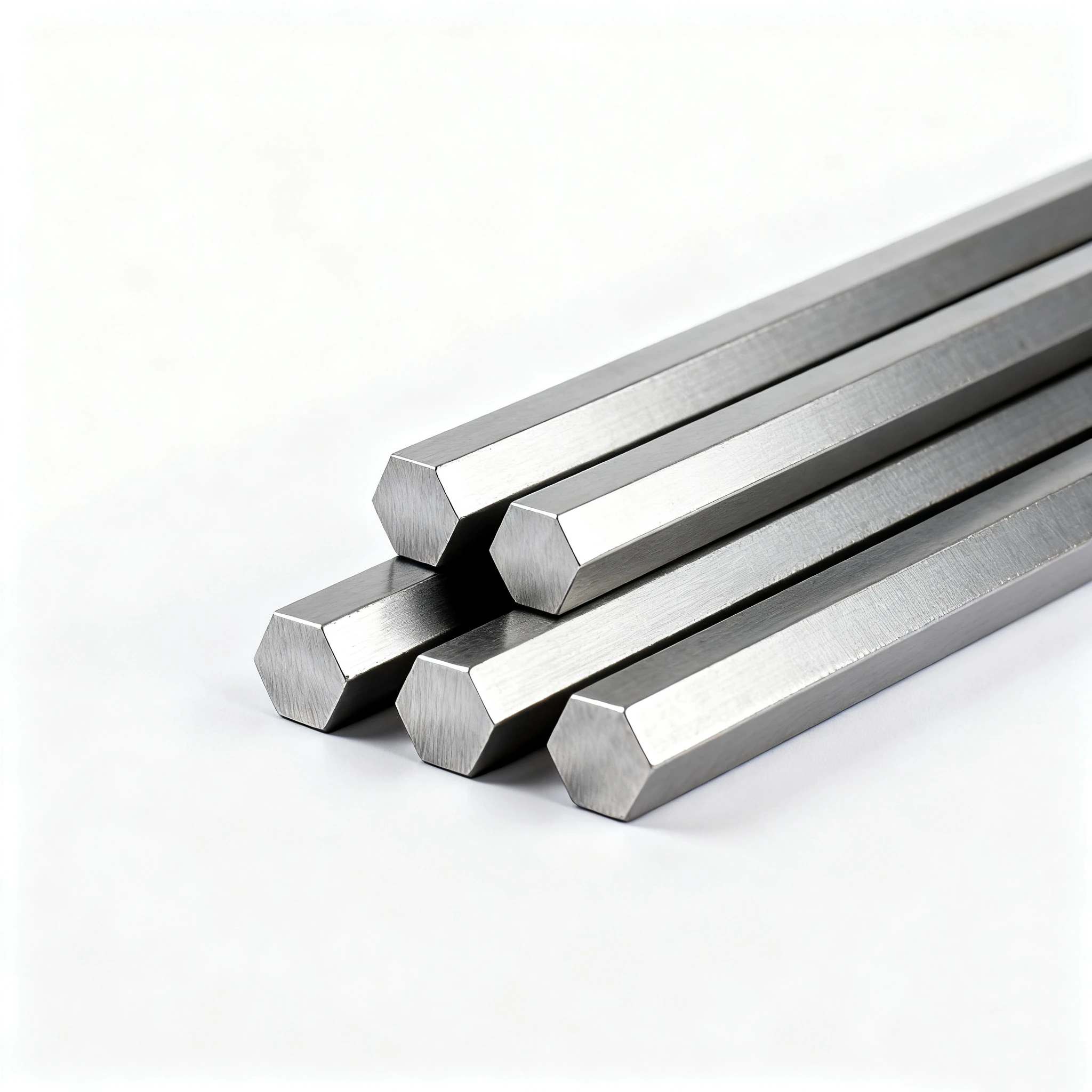
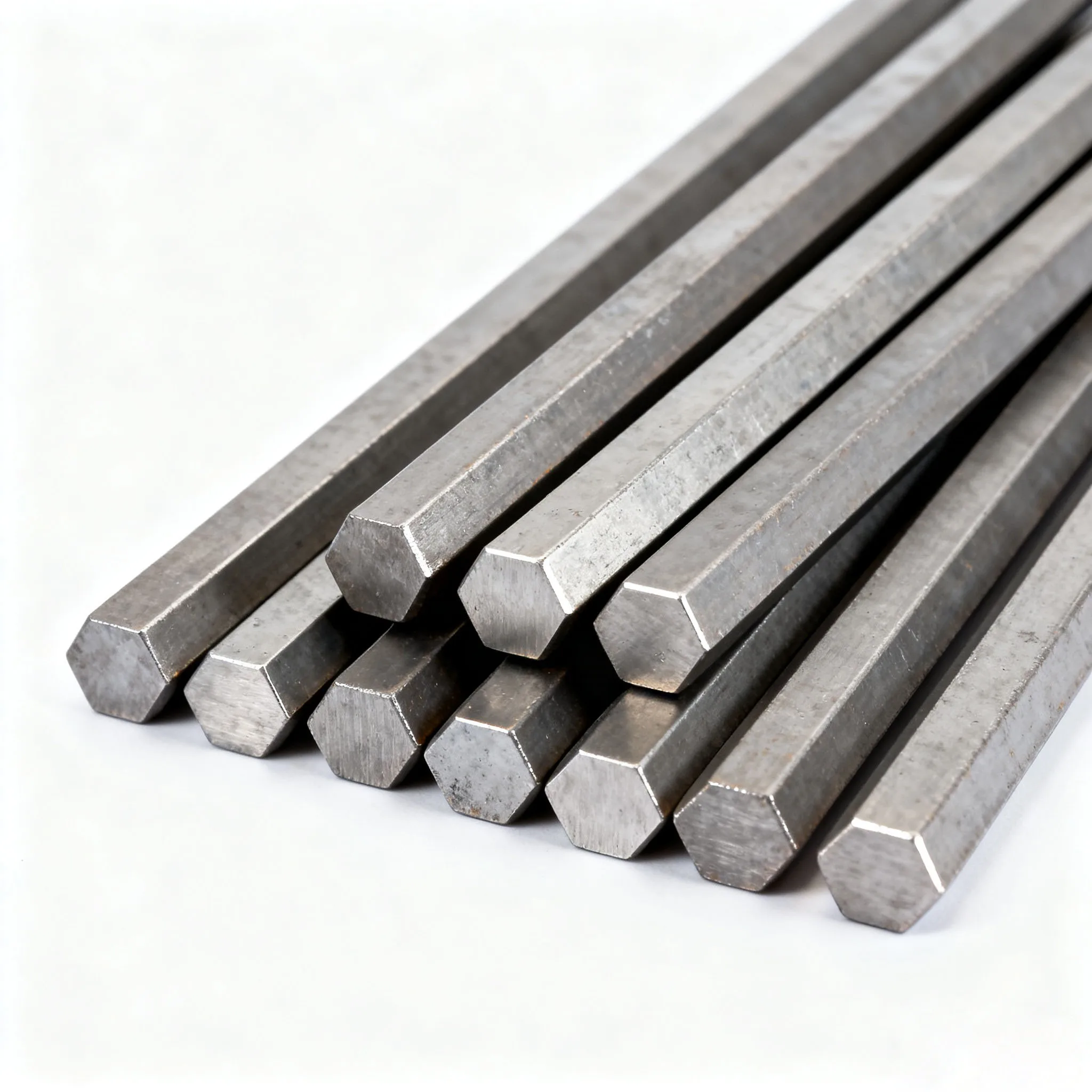
Peeled and Straightened Hex Rod High Hardness and Smooth Surface for CNC Lathe Processing Carbon Steel Hexagonal Bar
Our peeled & straightened carbon steel hex rod boasts high hardness and smooth surface. Tailored for CNC lathe processing, it ensures precise machining and stable performance in hardware and machinery fields.
- Overview
- Recommended Products
In the era of high-precision CNC machining, the quality of raw materials directly determines the efficiency of processing and the performance of finished components. Our Peeled and Straightened Hex Rod—High Hardness and Smooth Surface for CNC Lathe Processing Carbon Steel Hexagonal Bar stands out as a dedicated solution for CNC lathe operations. Combining the structural advantages of hexagonal profiles with the precision of peeling and straightening processes, this carbon steel hex rod delivers exceptional surface smoothness, high hardness, and superior straightness—three core attributes that address the strict requirements of CNC lathe machining for material uniformity and dimensional stability. Whether used for producing high-precision fasteners, complex mechanical parts, or custom hardware, it significantly reduces machining time, minimizes tool wear, and ensures consistent quality of finished products, becoming an indispensable raw material for modern precision manufacturing.
The foundation of this hex rod’s suitability for CNC lathe processing lies in its high-quality carbon steel base and optimized chemical composition. We select premium carbon steel grades (primarily 45# and 35#) based on the machining requirements of different scenarios—45# carbon steel (0.42%-0.50% carbon content) for components requiring high hardness and load-bearing capacity, and 35# carbon steel (0.32%-0.40% carbon content) for parts that balance hardness and ductility. These grades feature controlled manganese content (0.50%-0.80%) to enhance hardenability and trace silicon to improve strength, while strictly limiting phosphorus and sulfur impurities (≤0.040%) to avoid brittleness and machining defects. Compared to ordinary carbon steel, our selected materials undergo homogenization annealing before processing, which eliminates internal segregation and ensures uniform grain structure. This not only lays the groundwork for subsequent peeling and straightening but also guarantees consistent hardness distribution (HB 180-220 for 45# grade) across the entire hex rod—critical for preventing uneven cutting forces during CNC lathe processing that can lead to tool chipping or dimensional deviations.
The peeling and straightening processes are the key to unlocking the hex rod’s CNC-friendly performance, distinguishing it from conventional cold-drawn or hot-rolled hex bars. The peeling process, performed using high-precision rotary peeling machines, removes the surface oxide scale, defects, and uneven layers of the pre-processed hex billet. Unlike grinding, peeling achieves a continuous and uniform surface finish with a roughness of Ra ≤ 0.8μm—smooth enough to eliminate the need for pre-machining cleaning or grinding before CNC lathe operations. This smooth surface reduces friction between the hex rod and CNC chuck, ensuring stable clamping and preventing slippage during high-speed rotation (up to 3000 rpm common in CNC lathes). The straightening process, which follows peeling, uses a multi-roll precision straightening machine to correct any bending or warping. Through computer-controlled roll pressure and spacing adjustments, the hex rod’s straightness is controlled within 0.2mm/m—far exceeding the 0.5mm/m standard of ordinary hex bars. This superior straightness ensures that the cutting tool maintains a consistent distance from the workpiece during CNC turning, avoiding dimensional errors caused by material runout. Together, peeling and straightening transform raw carbon steel into a "ready-to-machine" hex rod that directly meets the feed requirements of CNC lathes.
The high hardness and structural stability of this hex rod further enhance its performance in CNC lathe processing. Through controlled cold working and low-temperature tempering after peeling and straightening, the hex rod’s hardness is increased by 15%-20% compared to annealed carbon steel. For 45# carbon steel hex rods, the tensile strength reaches 550-650MPa, and the yield strength is ≥310MPa—sufficient to withstand the cutting forces of CNC lathes without deformation. This high hardness also improves the wear resistance of the hex rod during machining, reducing the adhesion of chips to the workpiece surface and ensuring a smooth machined finish. In practical applications, a hardware manufacturer producing M20 hex bolts reported that using our peeled and straightened hex rod reduced tool change frequency by 30% compared to using ordinary hex bars, as the smooth surface and uniform hardness minimized tool wear. Another CNC machining workshop noted that the hex rod’s straightness and dimensional accuracy (opposite side tolerance ±0.04mm) allowed for unmanned batch processing, as the risk of machining errors due to material defects was drastically reduced. These advantages translate directly to lower production costs and higher efficiency for CNC processing enterprises.
The versatility of this carbon steel hex rod is reflected in its wide application across CNC lathe processing scenarios. In the fastener industry, it is the preferred raw material for manufacturing high-precision hex bolts, nuts, and studs. The smooth surface ensures consistent thread forming during CNC turning, and the high hardness prevents thread deformation under load. In the mechanical parts industry, it is used to produce shafts, gears, and connecting rods—components that require complex turning operations. The hex rod’s regular hexagonal cross-section allows for easy clamping in CNC chucks, eliminating the need for special fixtures and reducing setup time. For example, a manufacturer of small gearboxes uses our hex rod to machine gear blanks, achieving a machining accuracy of IT6 grade with minimal post-processing. In the automotive parts industry, the hex rod is processed into valve stems, sensor brackets, and brake system components, where its high hardness and dimensional stability ensure compliance with automotive quality standards. In the precision hardware industry, it is used for producing custom hex tools, watch parts, and electronic component housings—applications where the smooth surface and precise dimensions directly affect the aesthetics and functionality of the finished product. Even in the mold industry, it serves as a raw material for small mold inserts, leveraging its uniform hardness to withstand repeated use.
A strict quality control system ensures that every batch of peeled and straightened hex rods meets the rigorous demands of CNC lathe processing. We have established a three-stage quality inspection mechanism covering raw materials, processing, and finished products, and hold ISO 9001 and IATF 16949 certifications to cater to automotive and high-precision manufacturing needs. In raw material inspection, spectral analysis verifies chemical composition, and ultrasonic testing detects internal defects. During peeling and straightening, real-time monitoring is conducted: a laser diameter gauge checks the opposite side distance of the hex rod, and a surface roughness tester ensures the finish meets Ra ≤ 0.8μm. After processing, finished products undergo comprehensive testing: a precision straightness meter measures straightness, a Brinell hardness tester confirms hardness, and a coordinate measuring machine verifies dimensional accuracy. For orders destined for critical industries (such as automotive or aerospace), additional non-destructive testing (magnetic particle inspection) is performed to detect surface cracks. Each batch is accompanied by a detailed quality report, including machining parameter recommendations for common CNC lathe models, providing customers with direct guidance for efficient processing.
In addition to product quality, we also focus on providing professional and efficient customer services to build long-term cooperative relationships. Our service team is composed of technical consultants with rich experience in the steel industry, who can provide one-on-one pre-sales consultation for customers: according to the customer’s application scenario, we recommend the most suitable C45 steel specifications and cold-drawing process, and even help optimize the component design to improve performance and reduce costs. During the production process, we use an intelligent production management system to track the production progress of each order in real time, and provide weekly or daily progress feedback to customers according to their needs. For urgent orders, we can adjust the production plan and open a green channel to ensure timely delivery—we once completed a 50-ton non-standard C45 cold-drawn special-shaped steel order in 15 days for an emergency maintenance project of a power plant, winning high praise from the customer. After-sales service is equally important: we send technicians to the customer’s production site to guide the processing and installation of the product, and collect feedback on product performance. If there are any quality problems, we will respond within 24 hours and provide a satisfactory solution, ensuring that the customer’s production is not affected.
In the context of the manufacturing industry moving towards high-endization and customization, our high-quality C45 mild steel cold-drawn special-shaped and non-standard steel represents the development trend of structural steel materials. By combining the excellent mechanical properties of C45 steel with the precision processing advantages of cold-drawing technology, we provide customers with high-performance, customized material solutions that help them improve the quality and competitiveness of their end products. Looking to the future, we will continue to increase investment in R&D, focusing on two key directions: on the one hand, we will explore the application of micro-alloying technology in C45 steel to further improve its strength and corrosion resistance; on the other hand, we will introduce more intelligent cold-drawing equipment to improve production efficiency and profile precision. We will also expand our international market layout, adhering to the quality standards of major international markets such as the European Union and the United States, and bringing our high-quality C45 cold-drawn steel products to the global market. Whether it’s a small-batch precision non-standard order or a large-scale special-shaped steel supply project, we will always adhere to the business philosophy of "quality first, customer-oriented", and provide professional, reliable, and efficient products and services to every customer. As a professional supplier of C45 cold-drawn special-shaped and non-standard steel, we are willing to grow together with the manufacturing industry and contribute to the development of high-end equipment manufacturing.
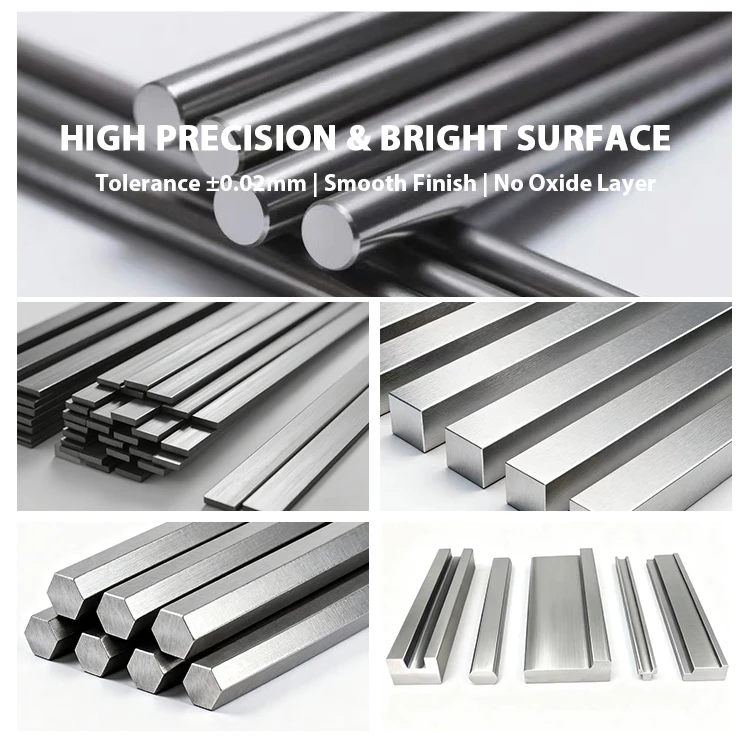
✅ High Dimensional Precision – Tolerance up to ±0.02mm
✅ Bright Surface Finish – Smooth and oxide-free, ready for machining
✅ Enhanced Mechanical Strength – Balanced hardness and toughness
✅ High Material Utilization – Reduced machining allowance, higher efficiency
✅ Customizable Solutions – Shapes, sizes, and materials can be tailored to drawings or requirements








The foundation of this hex rod’s suitability for CNC lathe processing lies in its high-quality carbon steel base and optimized chemical composition. We select premium carbon steel grades (primarily 45# and 35#) based on the machining requirements of different scenarios—45# carbon steel (0.42%-0.50% carbon content) for components requiring high hardness and load-bearing capacity, and 35# carbon steel (0.32%-0.40% carbon content) for parts that balance hardness and ductility. These grades feature controlled manganese content (0.50%-0.80%) to enhance hardenability and trace silicon to improve strength, while strictly limiting phosphorus and sulfur impurities (≤0.040%) to avoid brittleness and machining defects. Compared to ordinary carbon steel, our selected materials undergo homogenization annealing before processing, which eliminates internal segregation and ensures uniform grain structure. This not only lays the groundwork for subsequent peeling and straightening but also guarantees consistent hardness distribution (HB 180-220 for 45# grade) across the entire hex rod—critical for preventing uneven cutting forces during CNC lathe processing that can lead to tool chipping or dimensional deviations.
The peeling and straightening processes are the key to unlocking the hex rod’s CNC-friendly performance, distinguishing it from conventional cold-drawn or hot-rolled hex bars. The peeling process, performed using high-precision rotary peeling machines, removes the surface oxide scale, defects, and uneven layers of the pre-processed hex billet. Unlike grinding, peeling achieves a continuous and uniform surface finish with a roughness of Ra ≤ 0.8μm—smooth enough to eliminate the need for pre-machining cleaning or grinding before CNC lathe operations. This smooth surface reduces friction between the hex rod and CNC chuck, ensuring stable clamping and preventing slippage during high-speed rotation (up to 3000 rpm common in CNC lathes). The straightening process, which follows peeling, uses a multi-roll precision straightening machine to correct any bending or warping. Through computer-controlled roll pressure and spacing adjustments, the hex rod’s straightness is controlled within 0.2mm/m—far exceeding the 0.5mm/m standard of ordinary hex bars. This superior straightness ensures that the cutting tool maintains a consistent distance from the workpiece during CNC turning, avoiding dimensional errors caused by material runout. Together, peeling and straightening transform raw carbon steel into a "ready-to-machine" hex rod that directly meets the feed requirements of CNC lathes.
The high hardness and structural stability of this hex rod further enhance its performance in CNC lathe processing. Through controlled cold working and low-temperature tempering after peeling and straightening, the hex rod’s hardness is increased by 15%-20% compared to annealed carbon steel. For 45# carbon steel hex rods, the tensile strength reaches 550-650MPa, and the yield strength is ≥310MPa—sufficient to withstand the cutting forces of CNC lathes without deformation. This high hardness also improves the wear resistance of the hex rod during machining, reducing the adhesion of chips to the workpiece surface and ensuring a smooth machined finish. In practical applications, a hardware manufacturer producing M20 hex bolts reported that using our peeled and straightened hex rod reduced tool change frequency by 30% compared to using ordinary hex bars, as the smooth surface and uniform hardness minimized tool wear. Another CNC machining workshop noted that the hex rod’s straightness and dimensional accuracy (opposite side tolerance ±0.04mm) allowed for unmanned batch processing, as the risk of machining errors due to material defects was drastically reduced. These advantages translate directly to lower production costs and higher efficiency for CNC processing enterprises.
The versatility of this carbon steel hex rod is reflected in its wide application across CNC lathe processing scenarios. In the fastener industry, it is the preferred raw material for manufacturing high-precision hex bolts, nuts, and studs. The smooth surface ensures consistent thread forming during CNC turning, and the high hardness prevents thread deformation under load. In the mechanical parts industry, it is used to produce shafts, gears, and connecting rods—components that require complex turning operations. The hex rod’s regular hexagonal cross-section allows for easy clamping in CNC chucks, eliminating the need for special fixtures and reducing setup time. For example, a manufacturer of small gearboxes uses our hex rod to machine gear blanks, achieving a machining accuracy of IT6 grade with minimal post-processing. In the automotive parts industry, the hex rod is processed into valve stems, sensor brackets, and brake system components, where its high hardness and dimensional stability ensure compliance with automotive quality standards. In the precision hardware industry, it is used for producing custom hex tools, watch parts, and electronic component housings—applications where the smooth surface and precise dimensions directly affect the aesthetics and functionality of the finished product. Even in the mold industry, it serves as a raw material for small mold inserts, leveraging its uniform hardness to withstand repeated use.
A strict quality control system ensures that every batch of peeled and straightened hex rods meets the rigorous demands of CNC lathe processing. We have established a three-stage quality inspection mechanism covering raw materials, processing, and finished products, and hold ISO 9001 and IATF 16949 certifications to cater to automotive and high-precision manufacturing needs. In raw material inspection, spectral analysis verifies chemical composition, and ultrasonic testing detects internal defects. During peeling and straightening, real-time monitoring is conducted: a laser diameter gauge checks the opposite side distance of the hex rod, and a surface roughness tester ensures the finish meets Ra ≤ 0.8μm. After processing, finished products undergo comprehensive testing: a precision straightness meter measures straightness, a Brinell hardness tester confirms hardness, and a coordinate measuring machine verifies dimensional accuracy. For orders destined for critical industries (such as automotive or aerospace), additional non-destructive testing (magnetic particle inspection) is performed to detect surface cracks. Each batch is accompanied by a detailed quality report, including machining parameter recommendations for common CNC lathe models, providing customers with direct guidance for efficient processing.
In addition to product quality, we also focus on providing professional and efficient customer services to build long-term cooperative relationships. Our service team is composed of technical consultants with rich experience in the steel industry, who can provide one-on-one pre-sales consultation for customers: according to the customer’s application scenario, we recommend the most suitable C45 steel specifications and cold-drawing process, and even help optimize the component design to improve performance and reduce costs. During the production process, we use an intelligent production management system to track the production progress of each order in real time, and provide weekly or daily progress feedback to customers according to their needs. For urgent orders, we can adjust the production plan and open a green channel to ensure timely delivery—we once completed a 50-ton non-standard C45 cold-drawn special-shaped steel order in 15 days for an emergency maintenance project of a power plant, winning high praise from the customer. After-sales service is equally important: we send technicians to the customer’s production site to guide the processing and installation of the product, and collect feedback on product performance. If there are any quality problems, we will respond within 24 hours and provide a satisfactory solution, ensuring that the customer’s production is not affected.
In the context of the manufacturing industry moving towards high-endization and customization, our high-quality C45 mild steel cold-drawn special-shaped and non-standard steel represents the development trend of structural steel materials. By combining the excellent mechanical properties of C45 steel with the precision processing advantages of cold-drawing technology, we provide customers with high-performance, customized material solutions that help them improve the quality and competitiveness of their end products. Looking to the future, we will continue to increase investment in R&D, focusing on two key directions: on the one hand, we will explore the application of micro-alloying technology in C45 steel to further improve its strength and corrosion resistance; on the other hand, we will introduce more intelligent cold-drawing equipment to improve production efficiency and profile precision. We will also expand our international market layout, adhering to the quality standards of major international markets such as the European Union and the United States, and bringing our high-quality C45 cold-drawn steel products to the global market. Whether it’s a small-batch precision non-standard order or a large-scale special-shaped steel supply project, we will always adhere to the business philosophy of "quality first, customer-oriented", and provide professional, reliable, and efficient products and services to every customer. As a professional supplier of C45 cold-drawn special-shaped and non-standard steel, we are willing to grow together with the manufacturing industry and contribute to the development of high-end equipment manufacturing.

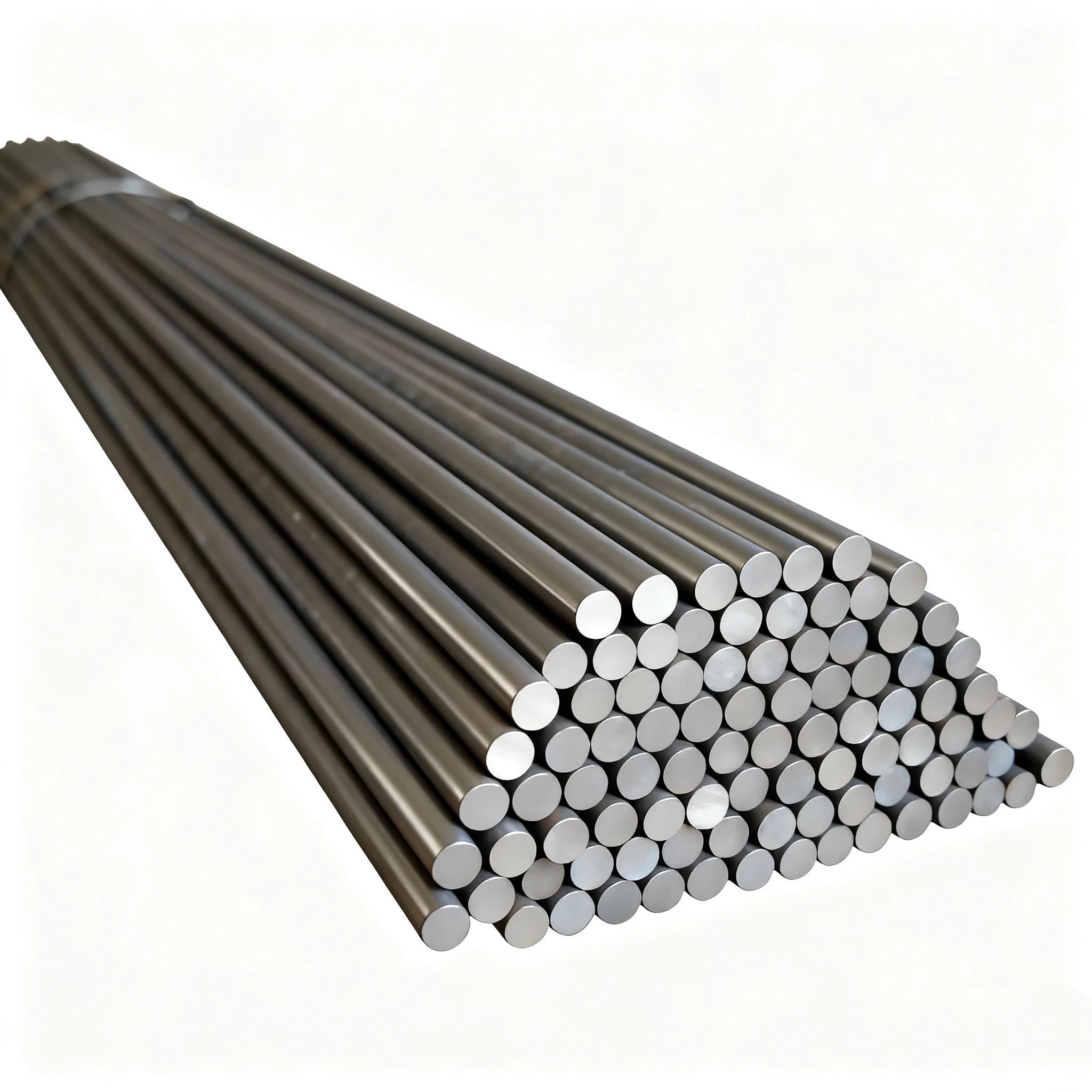
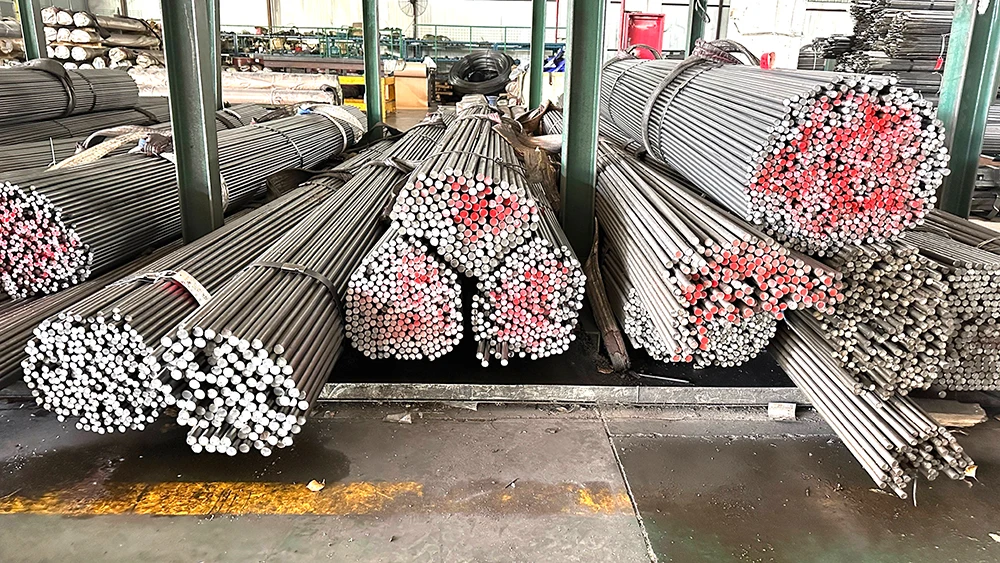
Cold drawn steel profiles are precision steel products manufactured through a cold-drawing process at room temperature.
This process significantly improves dimensional accuracy, surface smoothness, and mechanical properties compared to hot-rolled steel.
They are widely used in machinery manufacturing, construction structures, automotive components, and precision equipment.
This process significantly improves dimensional accuracy, surface smoothness, and mechanical properties compared to hot-rolled steel.
They are widely used in machinery manufacturing, construction structures, automotive components, and precision equipment.
Material Grades Available
Carbon Steel: Q195, Q215, Q235, 20#, 35#, 45#, 55#
Alloy / Gear Steel: 40Cr, 20CrMo, 35CrMo, 42CrMo, 20Cr, 20CrMoTi, Q355
Free Cutting Steel: 1215, 12L14, 1144
Bearing Steel: GCr15
Spring Steel: 60Si2Mn, 65Mn

Carbon Steel: Q195, Q215, Q235, 20#, 35#, 45#, 55#
Alloy / Gear Steel: 40Cr, 20CrMo, 35CrMo, 42CrMo, 20Cr, 20CrMoTi, Q355
Free Cutting Steel: 1215, 12L14, 1144
Bearing Steel: GCr15
Spring Steel: 60Si2Mn, 65Mn
Diameter Range |
Customized (typically 3mm – 300mm) |
Length |
Standard 6 meters or customized |
Surface Finish |
Bright, smooth, no oxide scale |
Tolerance |
±0.05mm |
Shape Options |
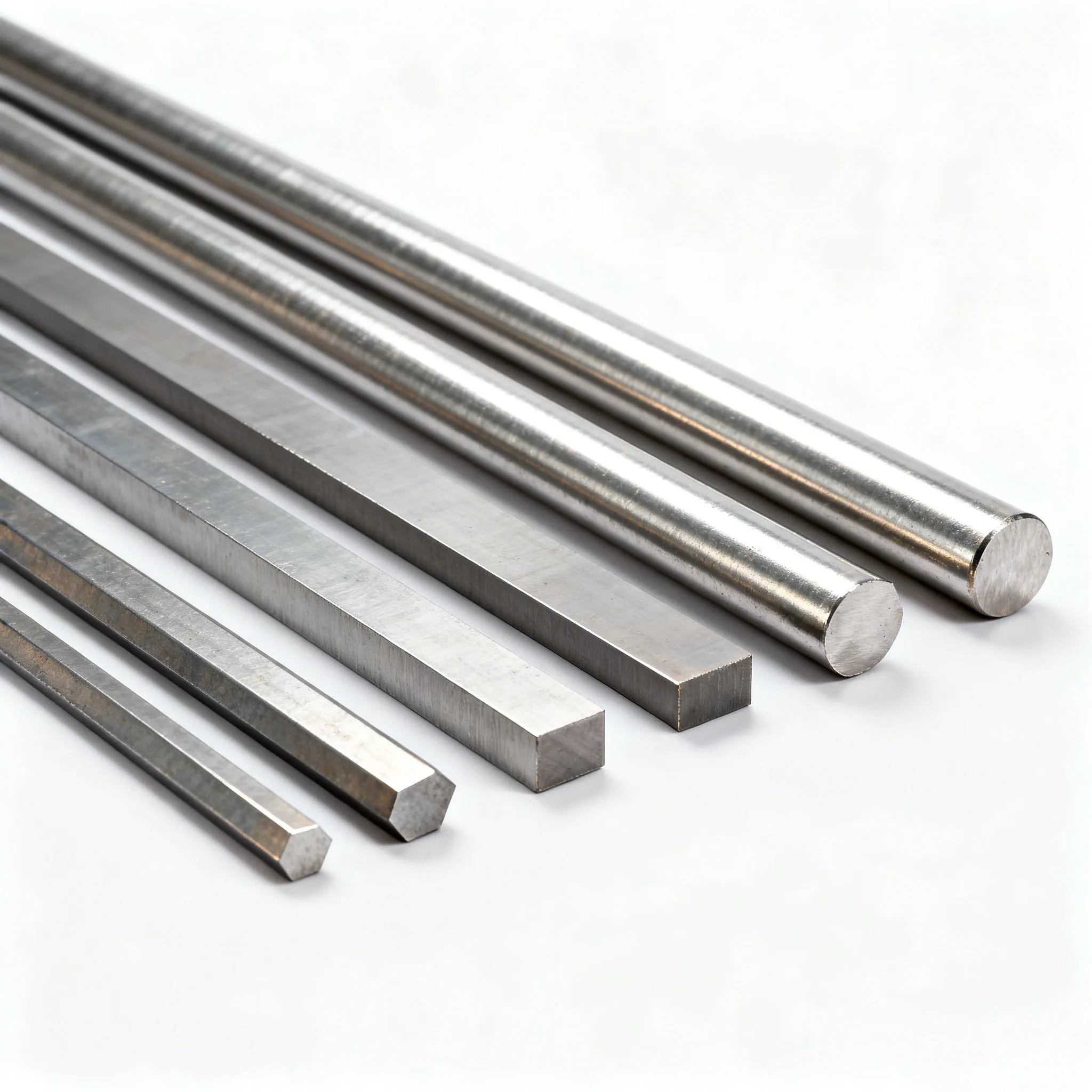
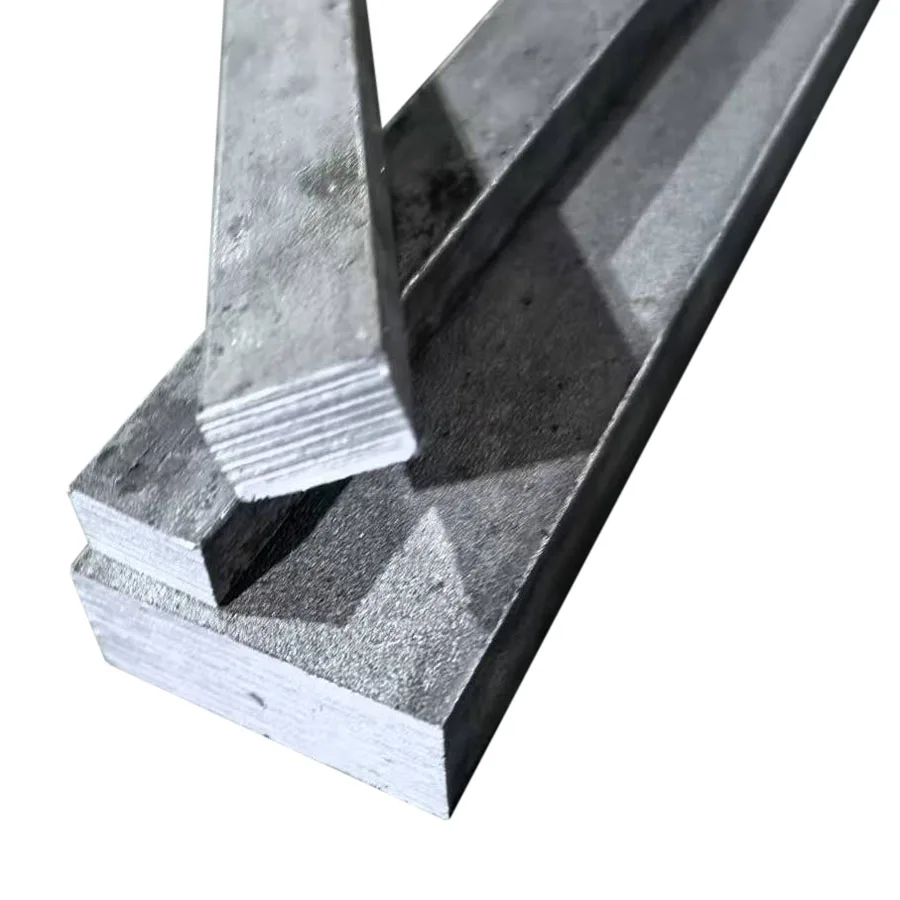
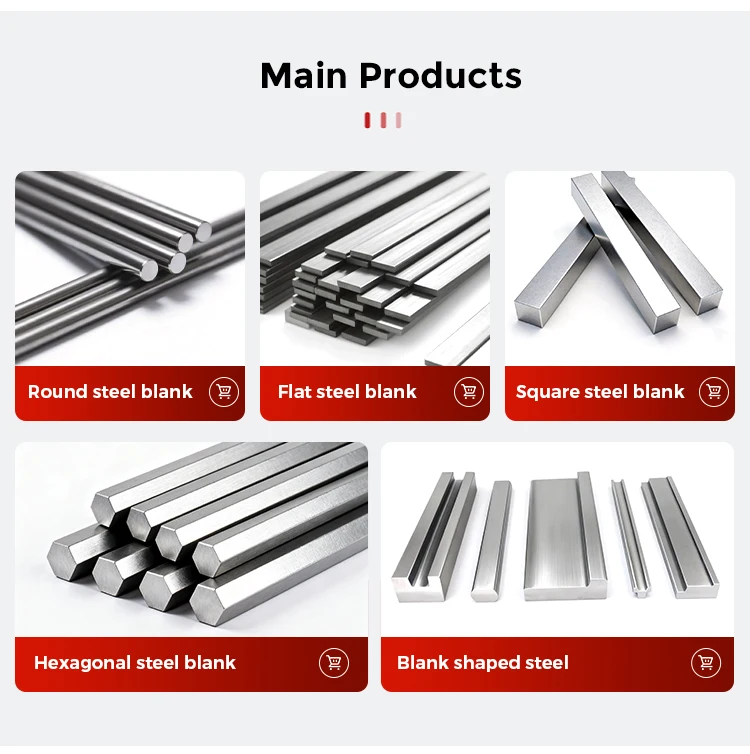
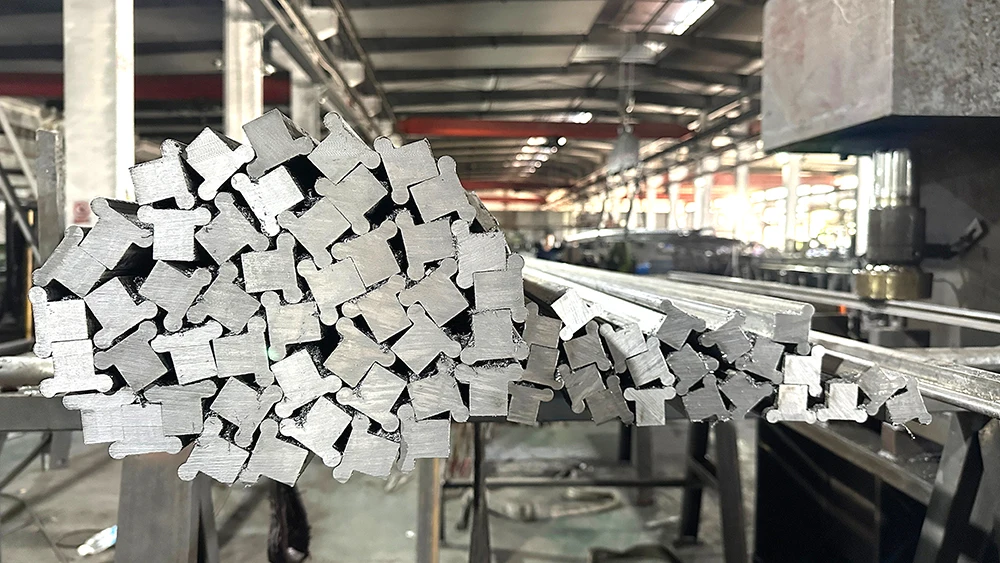
Round / Square / Flat / Hexagonal / Special profiles |
Process |
Cold drawing, straightening, cutting, polishing |
Certification |
ISO9001 / SGS / Mill Test Certificate available |
✅ High Dimensional Precision – Tolerance up to ±0.02mm
✅ Bright Surface Finish – Smooth and oxide-free, ready for machining
✅ Enhanced Mechanical Strength – Balanced hardness and toughness
✅ High Material Utilization – Reduced machining allowance, higher efficiency
✅ Customizable Solutions – Shapes, sizes, and materials can be tailored to drawings or requirements


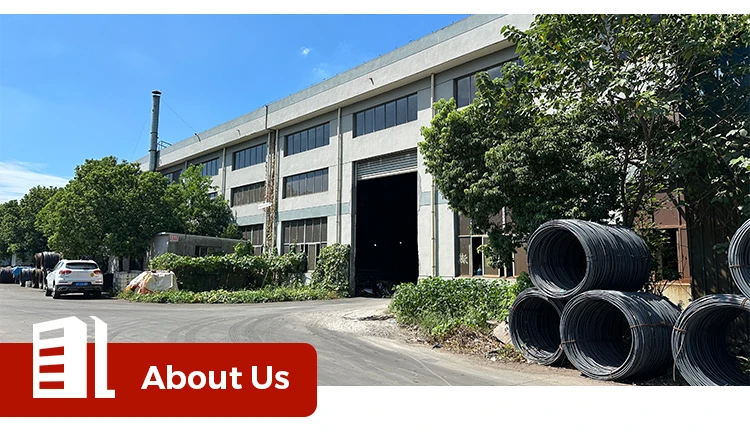
Jiangsu Beitong Cold-Drawn Steel Technology Co., Ltd.
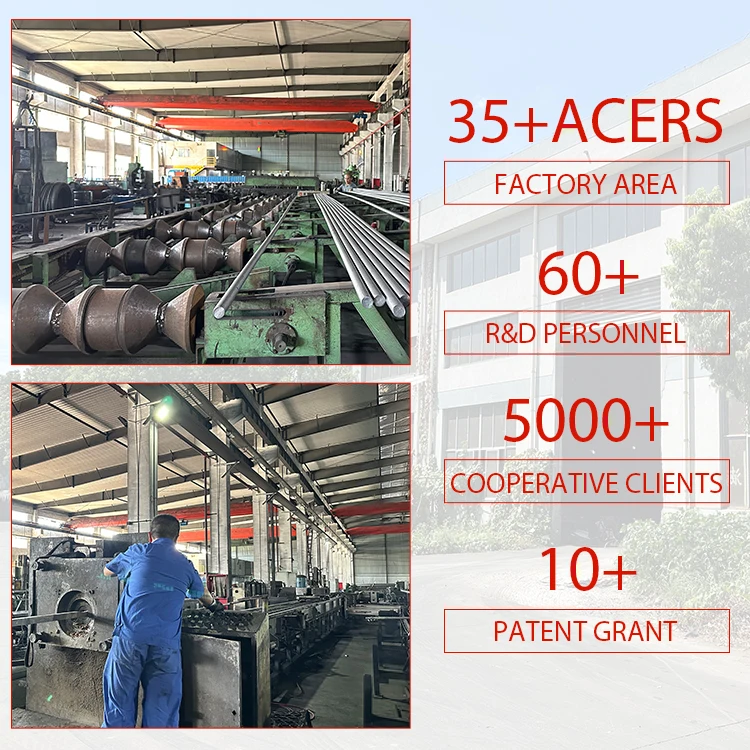
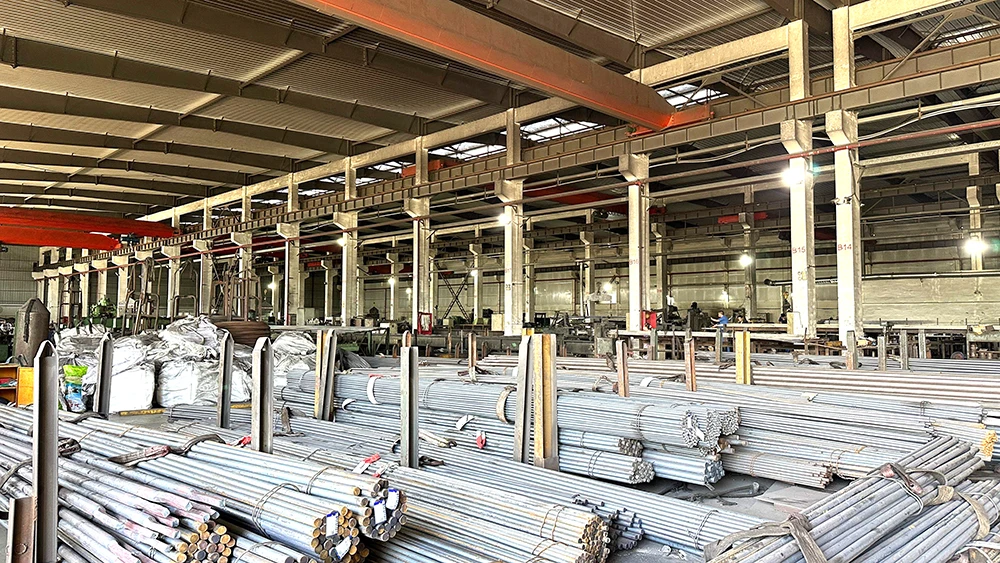
was established in 2018 with an investment of 80 million RMB.Located in Fenhu High-Tech Zone, Wujiang District, Suzhou, Jiangsu Province, the company covers an area of 35 mu (≈23,000 m²) and integrates R&D, production, and modern management.
With a team of over 60 employees, including skilled engineers and R&D professionals, Beitong specializes in the research and manufacture of precision cold-drawn steel products, serving more than 5,000 domestic and overseas customers.
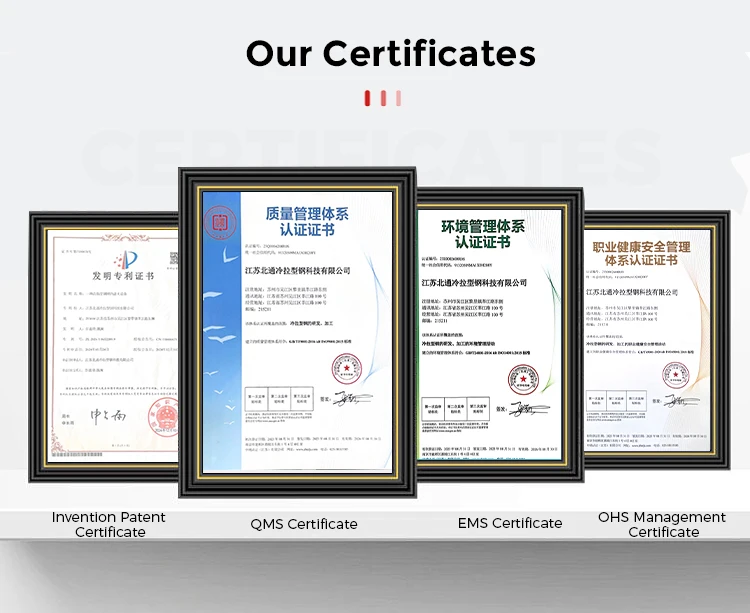
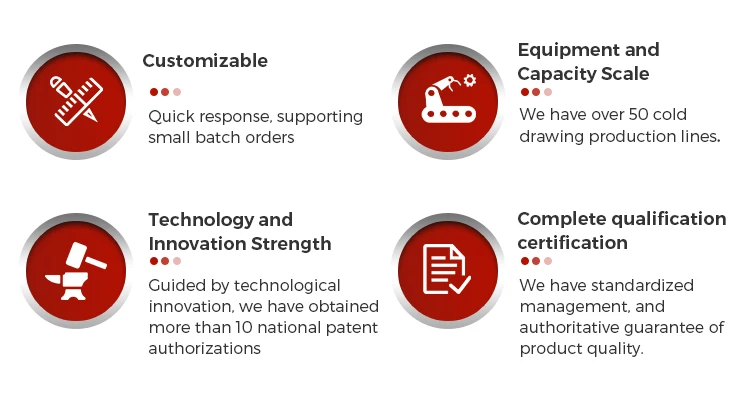
Guided by technological innovation, Beitong has obtained over 10 national patents, was recognized as a Provincial Science &Technology SME (2022), achieved ISO Three-System Certification (2023), and was honored as a Specialized and Innovative SME (2024).
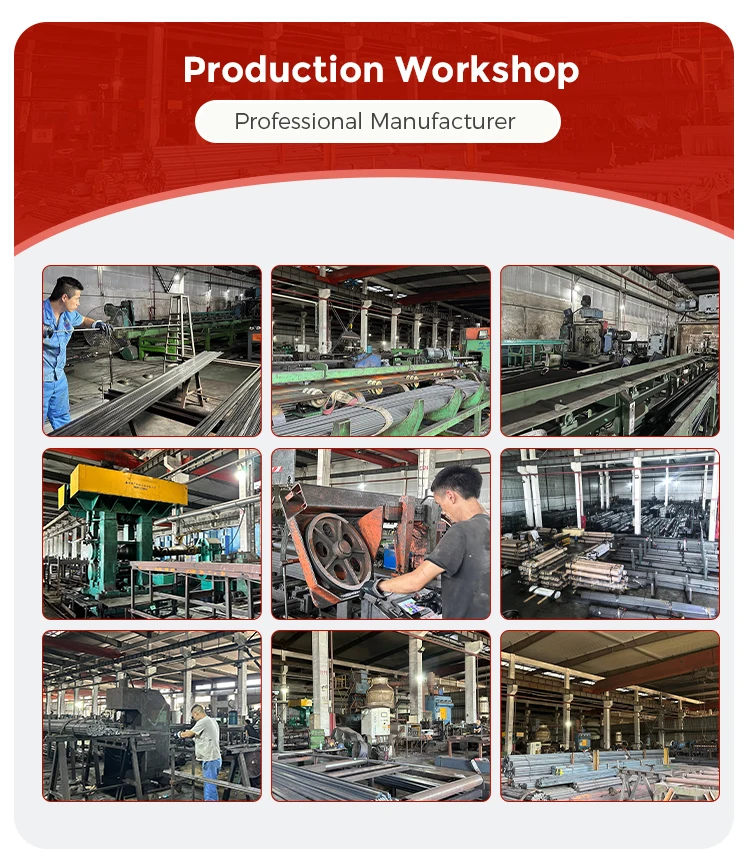
The company operates 50+ advanced cold-drawing production lines, equipped with mechanical performance testers, ultrasonic flaw detectors, and full laboratory analysis systems, ensuring reliable quality and strong technical capability.
Main Products & Applications
* Elevator guide rails – exported to the Middle East
* Automotive parts materials – supplied to major brands such as BYD, Tesla, Toyota, SAIC, GAC, Huawei, and CATL
* Chain flat steel and precision shafts
* Free-cutting steel – directly supplied to top domestic automation enterprises
Our products are widely used in construction machinery, automotive, aerospace, petroleum, coal mining, national defense, textile machinery, machine tools, agricultural equipment, fitness equipment, and elevators.
With solid technology and stable quality, Beitong warmly welcomes customers worldwide for long-term cooperation and mutual
success.
With a team of over 60 employees, including skilled engineers and R&D professionals, Beitong specializes in the research and manufacture of precision cold-drawn steel products, serving more than 5,000 domestic and overseas customers.
Guided by technological innovation, Beitong has obtained over 10 national patents, was recognized as a Provincial Science &Technology SME (2022), achieved ISO Three-System Certification (2023), and was honored as a Specialized and Innovative SME (2024).
The company operates 50+ advanced cold-drawing production lines, equipped with mechanical performance testers, ultrasonic flaw detectors, and full laboratory analysis systems, ensuring reliable quality and strong technical capability.
Main Products & Applications
* Elevator guide rails – exported to the Middle East
* Automotive parts materials – supplied to major brands such as BYD, Tesla, Toyota, SAIC, GAC, Huawei, and CATL
* Chain flat steel and precision shafts
* Free-cutting steel – directly supplied to top domestic automation enterprises
Our products are widely used in construction machinery, automotive, aerospace, petroleum, coal mining, national defense, textile machinery, machine tools, agricultural equipment, fitness equipment, and elevators.
With solid technology and stable quality, Beitong warmly welcomes customers worldwide for long-term cooperation and mutual
success.


1. When can you produce the samples?
Usually, it takes 5–7 days to produce samples.
2. What is your minimum order quantity (MOQ)?
For cold-drawn steel profiles, we usually offer two purchasing options - LTL (less than truckload) and bulk order, starting from 2 tons. The specific quantity can be discussed.
3. What is your delivery time?
For customized product orders, we can arrange shipment within 30 days after receiving the deposit.
4. Which ports do you ship from?
We usually ship from Shanghai Port.
5. What are your payment terms?
Normally 30% T/T deposit in advance, and the balance against the copy of the Bill of Lading.
6. Where is your company located?
Our factory is located in Jiangsu Province, China.
7. What are your main products?
We specialize in cold-drawn steel:
* Cold drawn round bar
* Cold drawn square bar
* Cold drawn flat bar
* Cold drawn hexagonal bar
* Cold drawn special-shaped bar
Material Grades:
* Carbon steel: Q215, Q195, Q235, 20#, 35#, 45#, 55#
* Alloy / gear steel: Q355, 40Cr, 20CrMo, 35CrMo, 42CrMo, 20Cr, 20CrMoTi
* Free cutting steel: 1215, 12L14, 1144
* Bearing steel: GCr15
* Spring steel: 60Si2Mn, 65Mn
Service Commitment:
24-Hour Feedback, 48-Hour Solution
8. What types of carbon steel bars are there?
* Low carbon steel bar: Low carbon content, good toughness, suitable for welding and machining.
* Medium carbon steel bar: Balanced strength and toughness, ideal for mechanical parts.
* High carbon steel bar: High hardness, used for tools and springs.
9. Will carbon steel bars rust?
Yes. Carbon steel bars can rust in humid environments. Coating, galvanizing, or heat treatment can improve corrosion resistance.
10. What are the common applications of carbon steel bars?
* Building structures (rebar, support rods)
* Mechanical parts (shafts, bolts)
* Tools (cutting tools, drill bits)
11. How to determine the size specifications of carbon steel bars?
Classified by diameter and length.
Diameter: from a few millimeters to several hundred millimeters.
Length: typically 6 meters or customized.
12. What is the fatigue resistance of carbon steel bars?
Fatigue performance depends on carbon content, microstructure, and surface quality.
It can be improved by surface treatment (rolling, polishing) or optimized heat treatment.
13. What should be noted when welding carbon steel bars?
* Low carbon steel: easy to weld, but avoid overheating.
* High carbon steel: prone to cracking during welding; preheating and post-heat treatment are recommended.
14. Can I get samples?
Yes, samples are available.
15. Do you have a factory?
Yes, we have our own factory in Jiangsu, and warmly welcome your visit.
We are a professional cold-drawn steel manufacturer providing OEM & ODM services.
Usually, it takes 5–7 days to produce samples.
2. What is your minimum order quantity (MOQ)?
For cold-drawn steel profiles, we usually offer two purchasing options - LTL (less than truckload) and bulk order, starting from 2 tons. The specific quantity can be discussed.
3. What is your delivery time?
For customized product orders, we can arrange shipment within 30 days after receiving the deposit.
4. Which ports do you ship from?
We usually ship from Shanghai Port.
5. What are your payment terms?
Normally 30% T/T deposit in advance, and the balance against the copy of the Bill of Lading.
6. Where is your company located?
Our factory is located in Jiangsu Province, China.
7. What are your main products?
We specialize in cold-drawn steel:
* Cold drawn round bar
* Cold drawn square bar
* Cold drawn flat bar
* Cold drawn hexagonal bar
* Cold drawn special-shaped bar
Material Grades:
* Carbon steel: Q215, Q195, Q235, 20#, 35#, 45#, 55#
* Alloy / gear steel: Q355, 40Cr, 20CrMo, 35CrMo, 42CrMo, 20Cr, 20CrMoTi
* Free cutting steel: 1215, 12L14, 1144
* Bearing steel: GCr15
* Spring steel: 60Si2Mn, 65Mn
Service Commitment:
24-Hour Feedback, 48-Hour Solution
8. What types of carbon steel bars are there?
* Low carbon steel bar: Low carbon content, good toughness, suitable for welding and machining.
* Medium carbon steel bar: Balanced strength and toughness, ideal for mechanical parts.
* High carbon steel bar: High hardness, used for tools and springs.
9. Will carbon steel bars rust?
Yes. Carbon steel bars can rust in humid environments. Coating, galvanizing, or heat treatment can improve corrosion resistance.
10. What are the common applications of carbon steel bars?
* Building structures (rebar, support rods)
* Mechanical parts (shafts, bolts)
* Tools (cutting tools, drill bits)
11. How to determine the size specifications of carbon steel bars?
Classified by diameter and length.
Diameter: from a few millimeters to several hundred millimeters.
Length: typically 6 meters or customized.
12. What is the fatigue resistance of carbon steel bars?
Fatigue performance depends on carbon content, microstructure, and surface quality.
It can be improved by surface treatment (rolling, polishing) or optimized heat treatment.
13. What should be noted when welding carbon steel bars?
* Low carbon steel: easy to weld, but avoid overheating.
* High carbon steel: prone to cracking during welding; preheating and post-heat treatment are recommended.
14. Can I get samples?
Yes, samples are available.
15. Do you have a factory?
Yes, we have our own factory in Jiangsu, and warmly welcome your visit.
We are a professional cold-drawn steel manufacturer providing OEM & ODM services.