 EN
EN
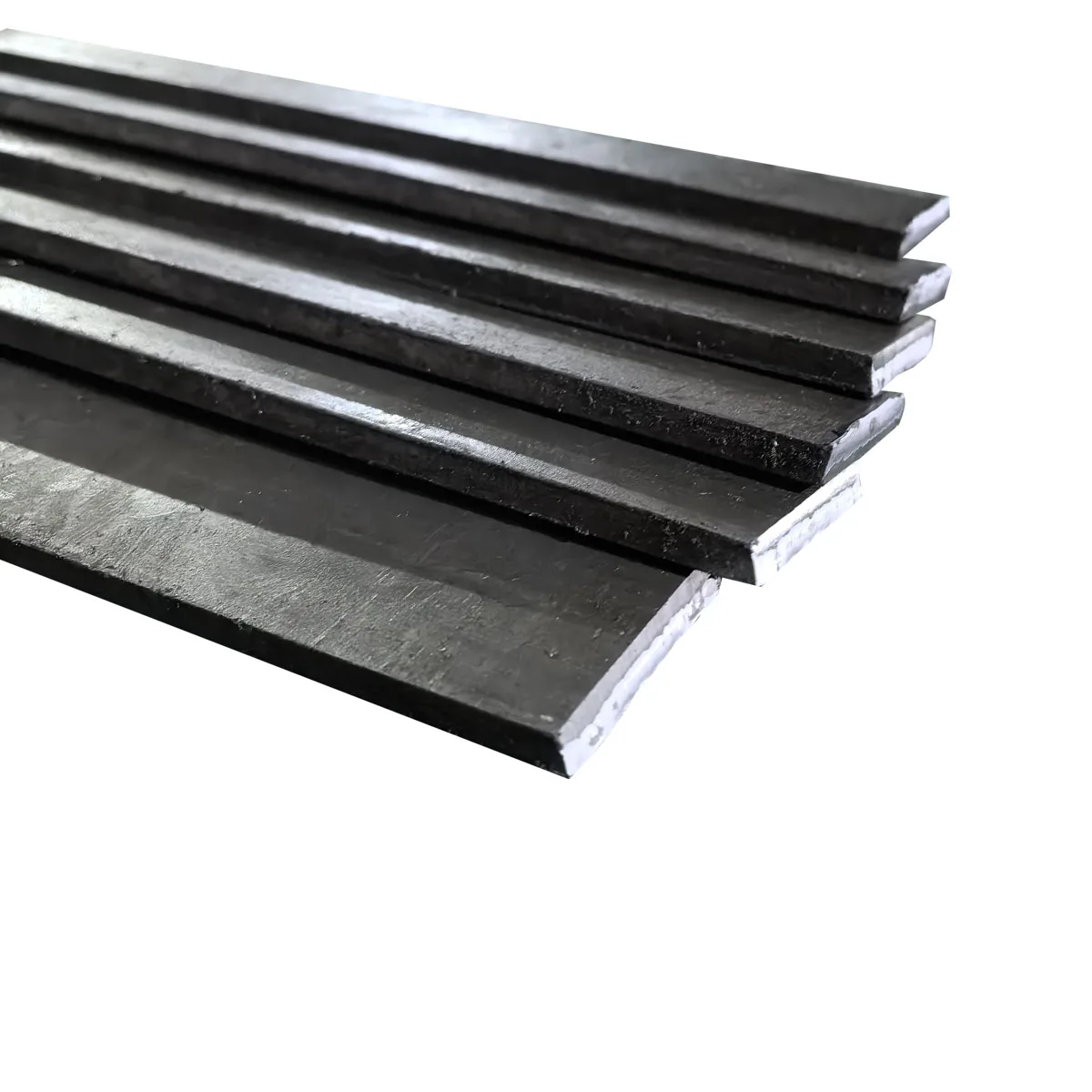

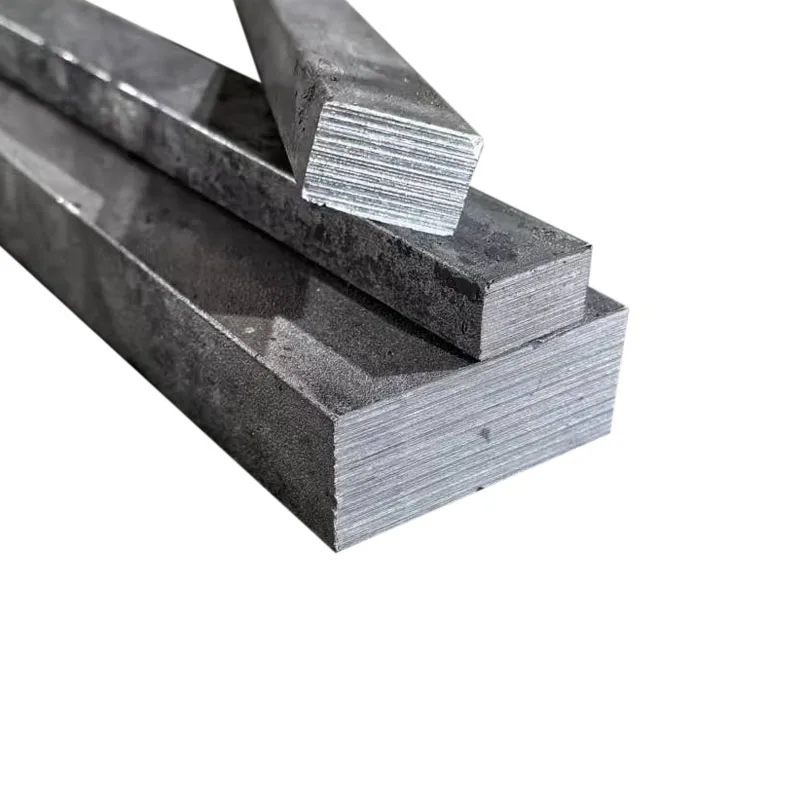

High Wear Resistant Cold Drawn Metal Q235 Cold Rolled Carbon Steel Flat Bar
- Overview
- Recommended Products
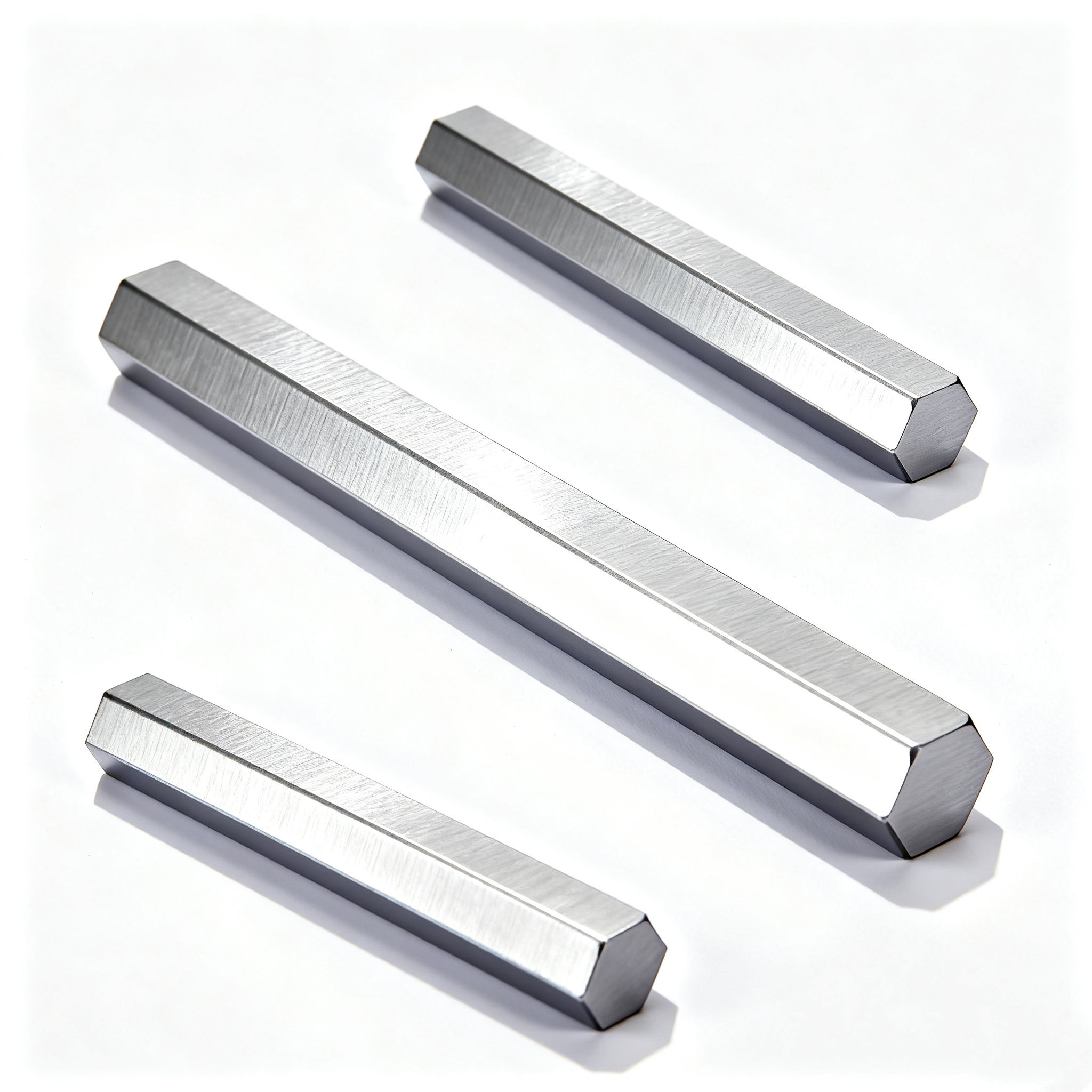
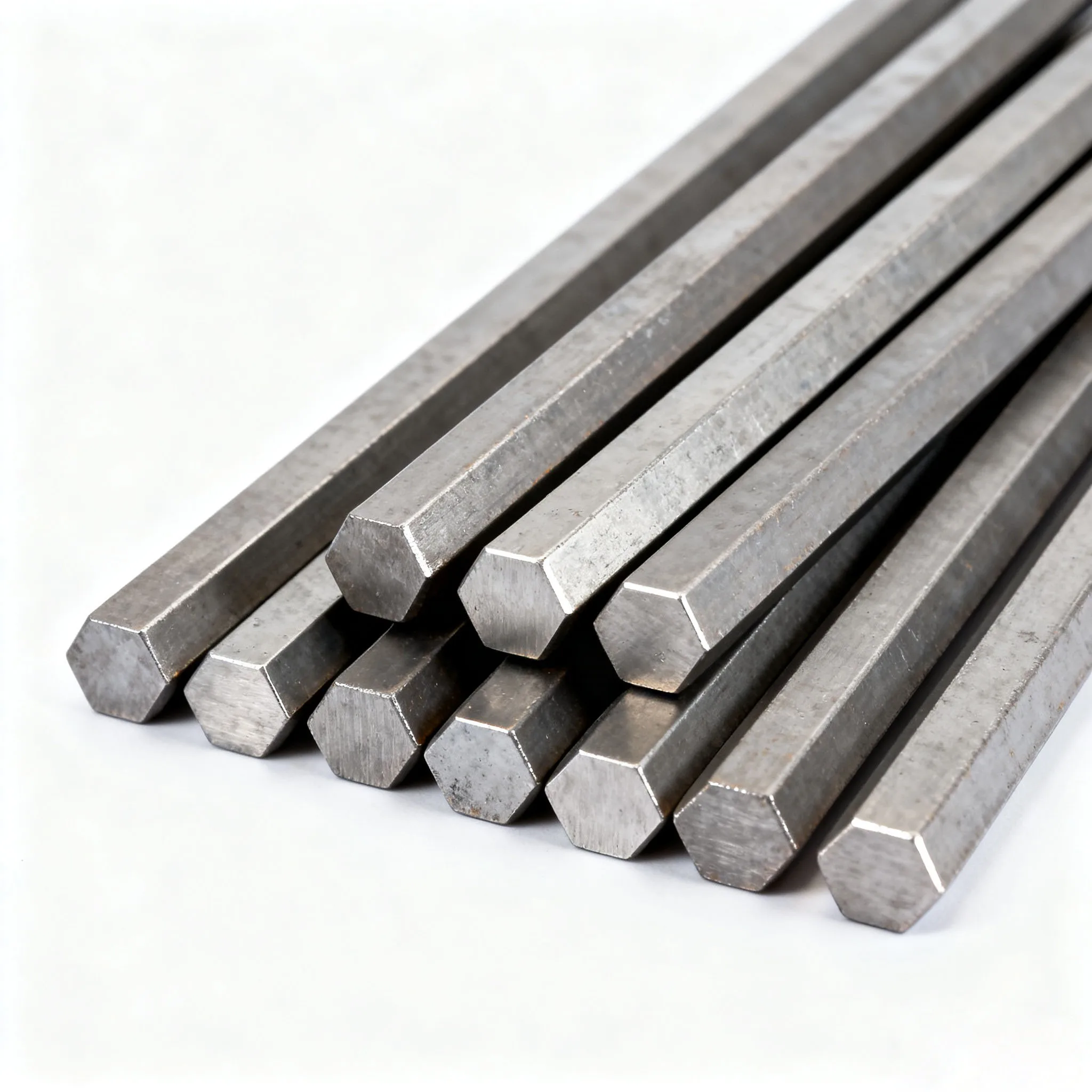
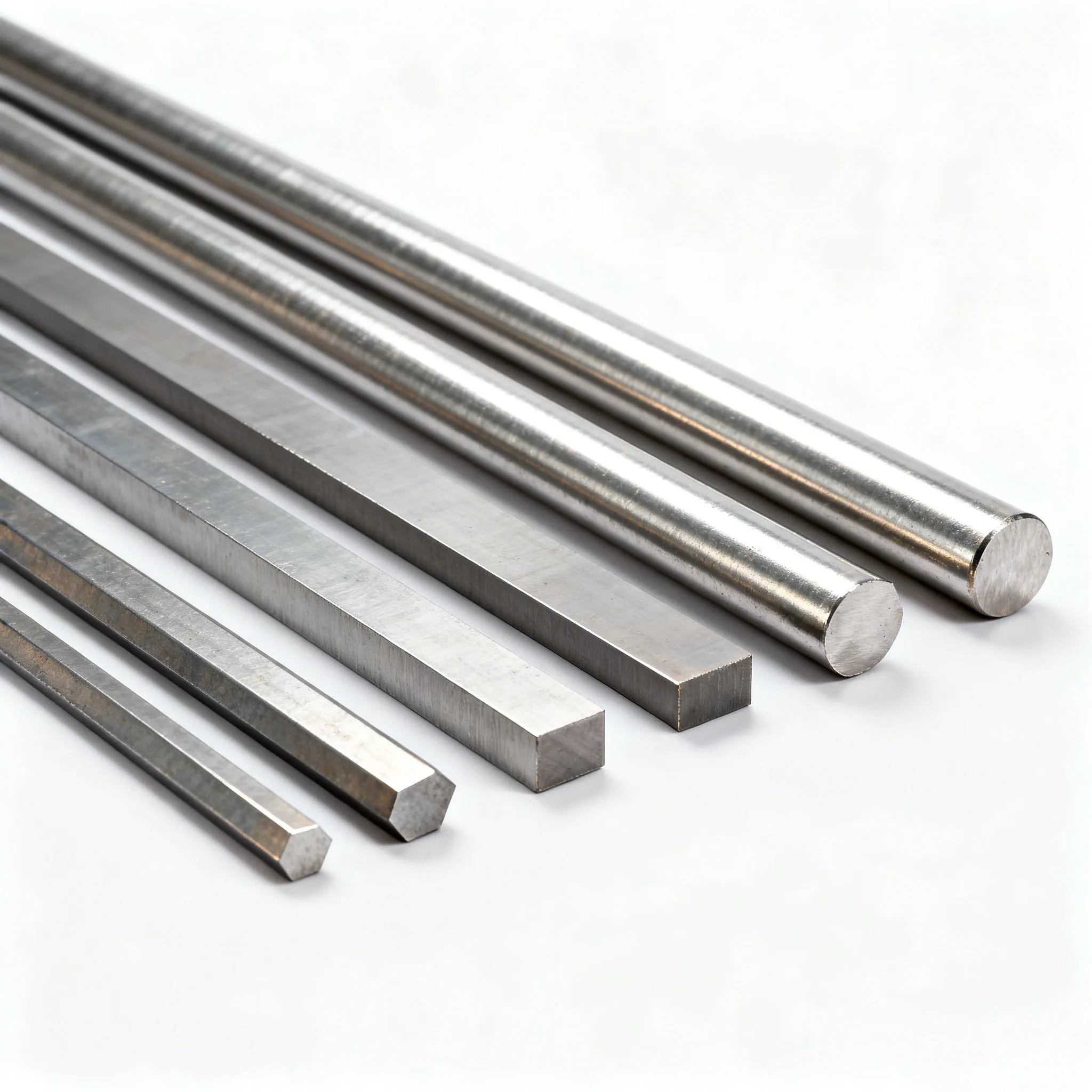
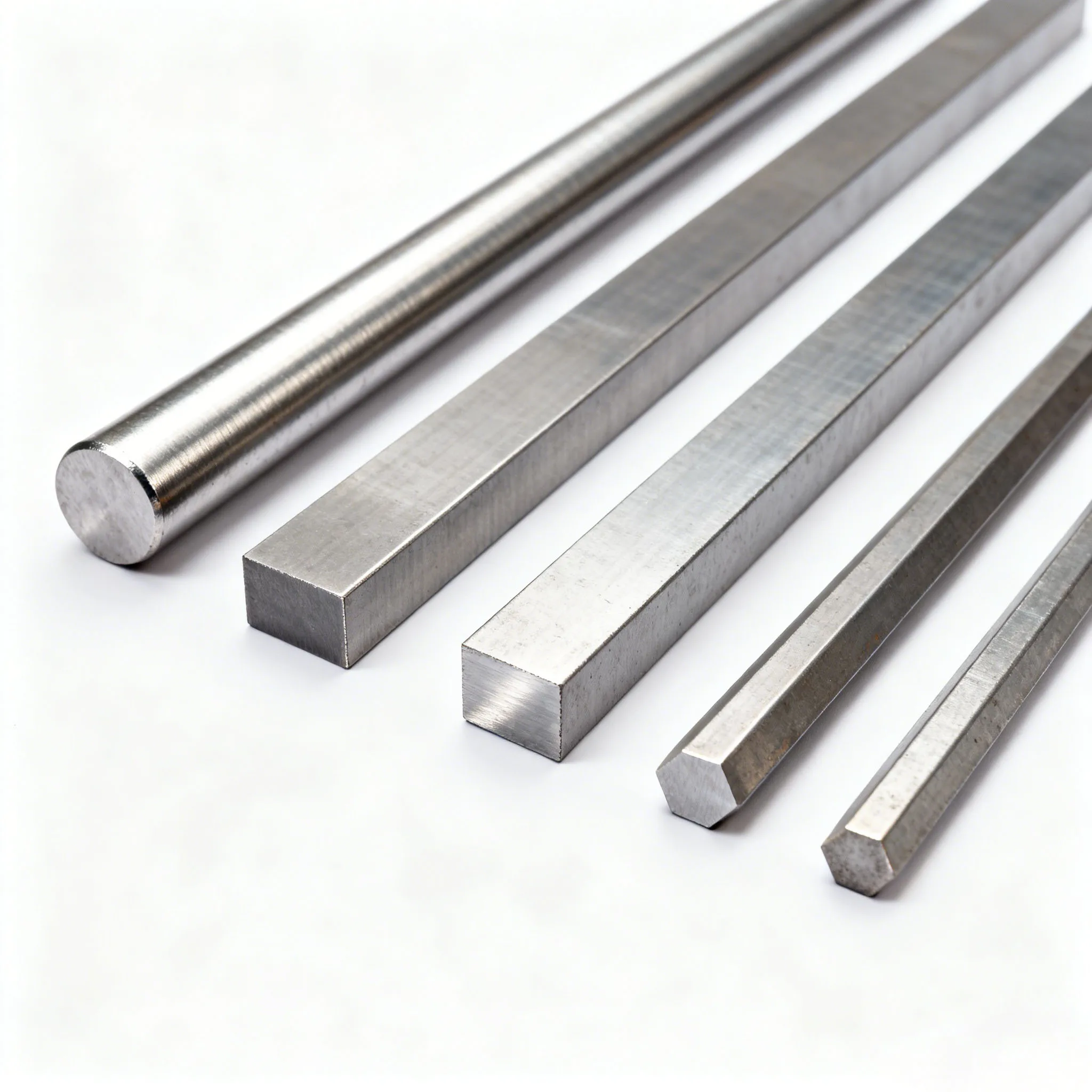
In the diverse landscape of industrial materials, wear resistance stands as a critical criterion for evaluating the service life and cost-effectiveness of components. The High Wear Resistant Cold Drawn Metal Q235 Cold Rolled Carbon Steel Flat Bar emerges as a standout solution, combining the inherent reliability of Q235 carbon steel with the enhanced performance brought by cold-drawn and cold-rolled processes. This flat bar is not only endowed with exceptional wear resistance but also retains the excellent toughness, weldability, and formability of Q235 steel, making it a versatile and cost-effective choice for industries ranging from machinery manufacturing and automotive parts to construction and hardware production. In scenarios where components are subjected to frequent friction, impact, or load-bearing—such as conveyor rollers, machine tool guides, and structural brackets—this flat bar delivers consistent performance, reducing maintenance frequency and extending the operational life of equipment.
The foundation of this flat bar’s performance lies in its high-quality Q235 carbon steel base material, a widely recognized and trusted grade in the industrial sector. Q235 carbon steel, also known as A3 steel in some regions, has a carbon content ranging from 0.14% to 0.22%, a manganese content of 0.30% to 0.65%, and trace amounts of silicon, sulfur, and phosphorus. This chemical composition strikes a perfect balance between strength and toughness: the moderate carbon content ensures sufficient hardness to resist wear, while the low alloy composition maintains excellent ductility, preventing brittle fracture under impact or bending. According to national and international standards (such as GB/T 700-2006 and ASTM A36), Q235 steel has a yield strength of no less than 235MPa and a tensile strength of 375-500MPa, providing a solid mechanical foundation for the flat bar’s load-bearing and wear-resistant capabilities. Unlike high-carbon or alloy steels that often come with high costs and reduced weldability, Q235 steel offers an economical alternative without compromising on core performance, making the cold-drawn and cold-rolled flat bar accessible to both large-scale industrial enterprises and small-to-medium hardware workshops.
The combination of cold-drawn and cold-rolled processes is the key to unlocking the flat bar’s high wear resistance and precision performance, setting it apart from traditional hot-rolled products. The production process begins with the selection of high-purity Q235 steel billets, which undergo strict pre-treatment: first, annealing to soften the material and reduce internal stress, then descaling to remove surface oxide layers and impurities. This pre-treatment ensures that the billet is uniform in texture and free from defects that could affect subsequent processing. The first core process—cold rolling—involves passing the billet through a series of rolling mills at room temperature, applying compressive force to reduce its thickness and shape it into a flat profile. Cold rolling refines the grain structure of the steel, increasing its density and surface hardness by 15% to 25% compared to hot-rolled Q235 steel. Following cold rolling, the flat bar undergoes cold drawing: it is pulled through a precision die to further improve dimensional accuracy and enhance internal structural uniformity. This two-step cold working process not only increases the flat bar’s surface hardness (up to HB 160-190) but also creates a dense, smooth surface that reduces friction coefficients—directly contributing to its exceptional wear resistance. Additionally, the cold-drawing process ensures tight dimensional tolerances: thickness tolerance can be controlled within ±0.03mm, width tolerance within ±0.06mm, and straightness within 0.4mm/m, making the flat bar suitable for precision machining without the need for extensive post-processing.
The high wear resistance of this Q235 flat bar is not just a theoretical advantage but a practical feature validated by real-world applications and testing. In wear resistance tests, the flat bar demonstrates a wear loss rate that is 30% lower than that of hot-rolled Q235 flat bars under the same friction conditions. This is attributed to two key factors: the refined grain structure from cold working and the smooth surface finish. The dense grain structure formed by cold-drawn and cold-rolled processes creates a harder surface layer that resists material removal caused by friction, while the smooth surface reduces the abrasive effect of contact with other components. For example, in the manufacturing of conveyor system components—such as the flat bars used in conveyor belts for mining or logistics—this wear resistance translates to a service life extension of 50% compared to traditional hot-rolled bars. In agricultural machinery, where components like plow blades and harvester parts are exposed to constant friction with soil and crops, the flat bar maintains its shape and performance for entire planting or harvesting seasons, reducing the need for frequent replacements. Even in high-speed machinery, such as the guide rails of automated production lines, the low friction and high wear resistance of the flat bar ensure smooth operation and minimize downtime due to component wear.
Beyond wear resistance, this Q235 cold-drawn and cold-rolled flat bar retains the excellent processability and versatility that make Q235 steel a staple in industry. One of its most notable advantages is its superior weldability: unlike high-carbon steels that require preheating or post-weld heat treatment to avoid cracking, the Q235 flat bar can be easily welded using common methods such as arc welding, gas welding, and resistance welding. This allows for seamless integration with other steel components in manufacturing processes, reducing production complexity and costs. Additionally, the flat bar exhibits excellent formability, capable of being bent, stamped, cut, and drilled into various shapes with standard industrial equipment. For example, in hardware manufacturing, it can be processed into bolts, nuts, washers, and brackets with high precision; in construction, it is used to make floor supports, wall frames, and decorative components that require both strength and shape adaptability; in automotive parts production, it serves as a raw material for brake pads, suspension brackets, and chassis components, where its combination of wear resistance and toughness ensures safety and reliability. The flat bar is also available in a wide range of specifications to meet diverse needs: thicknesses from 1mm to 60mm, widths from 5mm to 300mm, and lengths from 1m to 12m, with custom cutting services available for special applications.
To ensure consistent quality and performance, the strict quality control system for this cold-drawn and cold-rolled Q235 flat bar covers every stage of production. In the raw material inspection phase, Q235 steel billets undergo spectral analysis to verify chemical composition and tensile testing to confirm mechanical properties, ensuring they meet standard requirements. During the cold-rolling and cold-drawing processes, real-time monitoring is conducted using precision sensors to track parameters such as rolling pressure, drawing speed, and die temperature, preventing process fluctuations that could affect wear resistance or dimensional accuracy. After processing, the flat bars undergo a series of tests: hardness tests (using Brinell or Vickers hardness testers) to confirm wear resistance potential, surface roughness tests (Ra ≤ 1.2μm) to ensure smoothness, and dimensional measurements using coordinate measuring machines (CMMs) to validate tolerances. Wear resistance is further verified through simulated friction tests, where samples are subjected to controlled friction cycles to measure wear loss. Each batch of products is accompanied by a comprehensive quality report, detailing test results, batch numbers, and compliance with standards, providing customers with full transparency and confidence in the product.
In an industrial environment where cost control and operational efficiency are paramount, the High Wear Resistant Cold Drawn Q235 Flat Bar offers significant economic and practical value. Its high wear resistance reduces the frequency of component replacement, lowering maintenance costs and downtime for equipment— a critical advantage for industries such as mining, logistics, and manufacturing where production continuity is essential. The use of Q235 steel ensures that these performance benefits come at an economical price point, avoiding the premium associated with alloy or high-carbon steels. Additionally, the flat bar’s excellent processability reduces the need for specialized machining equipment or skilled labor, streamlining production workflows and cutting manufacturing costs. For example, a machinery factory producing conveyor systems reported a 20% reduction in annual maintenance costs after switching to this flat bar, while a hardware manufacturer noted a 15% increase in production efficiency due to the material’s ease of processing. In the context of sustainable manufacturing, the extended service life of the flat bar also reduces material waste and the environmental impact associated with frequent component production and disposal.
In conclusion, the High Wear Resistant Cold Drawn Metal Q235 Cold Rolled Carbon Steel Flat Bar is a testament to how advanced processing techniques can elevate the performance of a classic material. By combining the reliability of Q235 carbon steel with the precision and wear resistance enhancement of cold-drawn and cold-rolled processes, this flat bar addresses the core needs of industries requiring durable, versatile, and cost-effective components. Its exceptional wear resistance, coupled with excellent weldability, formability, and dimensional accuracy, makes it suitable for a wide range of applications, from heavy machinery to everyday hardware. As industries continue to pursue higher efficiency and lower costs, this flat bar will remain a valuable asset, providing consistent performance and economic benefits to manufacturers and end-users alike. Whether used in high-stress industrial equipment or routine construction projects, it stands as a reliable material that delivers on both performance and value.
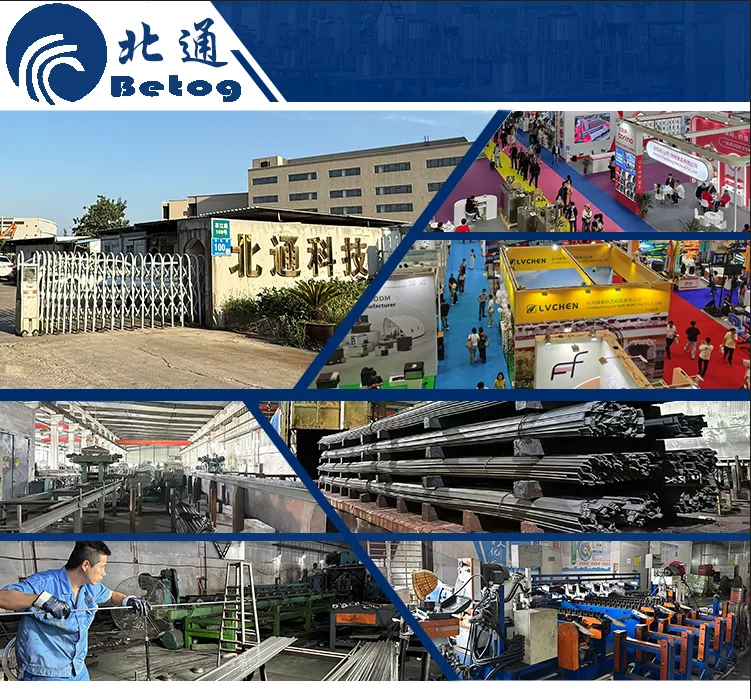
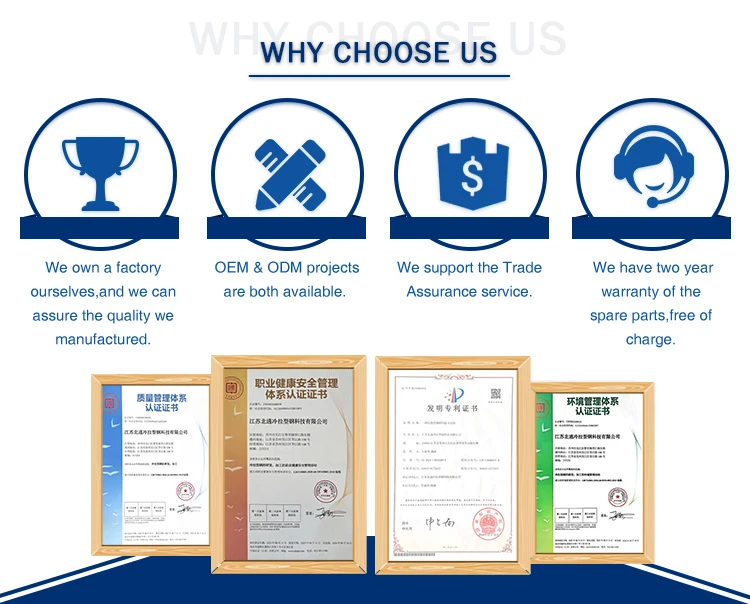
Jiangsu Beitong Cold-Drrawn SteelTechnology Co..Ltd.Established in 2018 with an investment of80 million RMB, the company is located in FenhuHigh-Tech Zone, Wujiang District, Suzhou City, Jiangsu Province. Covering an area of 35mu (approximately 23,333 square meters), it is a private enterprise integrating high tech.nologyand modernmanagement.The company has a staffofover 60, including technical personnel and R&D professionalsIt mainly engages in the R&D and production of precision cold-drawn steel productswhich are well-received both at home and abroad, serving more than 5,000 customersGuided by technological innovation,the company has obtained more than 10 nationapatent authorizations.lt was awarded the title of "Provincial Science and Technolo.gy-Based Small and Medium-Sized Enterprise" in 2022, passed the "lSO Three-SystemCertification" in 2023, and won the title of"Specialized, Refined, Characteristic and inno.vative Small and Medium-Sized Enterprise" in 2024.Currently,it has more than 50cold-drawing production lines, equipped with mechanical performance testing equip.ment, ultrasonic flaw detection equipment and laboratory analysis equipment, boastingstrong technical capabilities. its products are widely applied in industries such as construction machinery,automobiles,submarines, aerospace, petroleum, coalmining, national defense, textile machinery, machine tools, agricultural machin-ery,fitness equipment and elevators.


Product Name: |
Product Unit: |
Product Dimensions: |
Product Model: |
Flat Steel |
Tons |
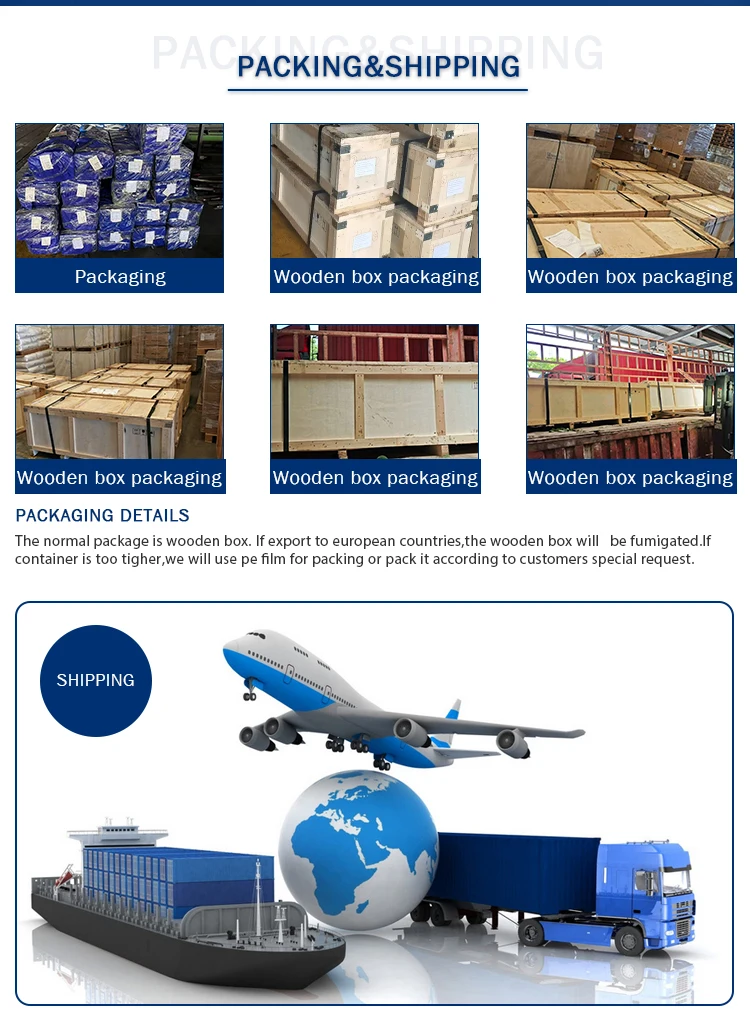
Packaging according to custom requirements |
Q235 |