 EN
EN
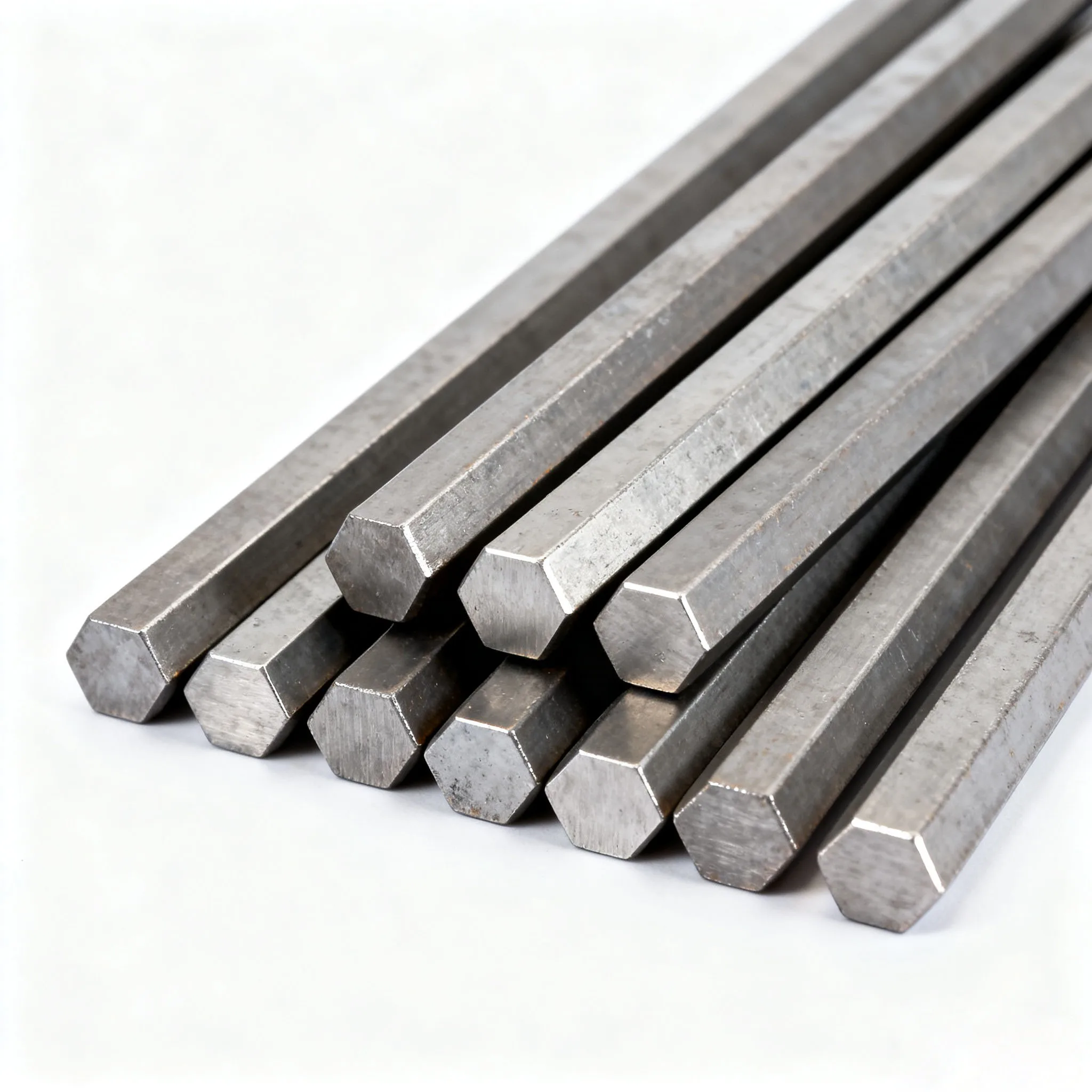
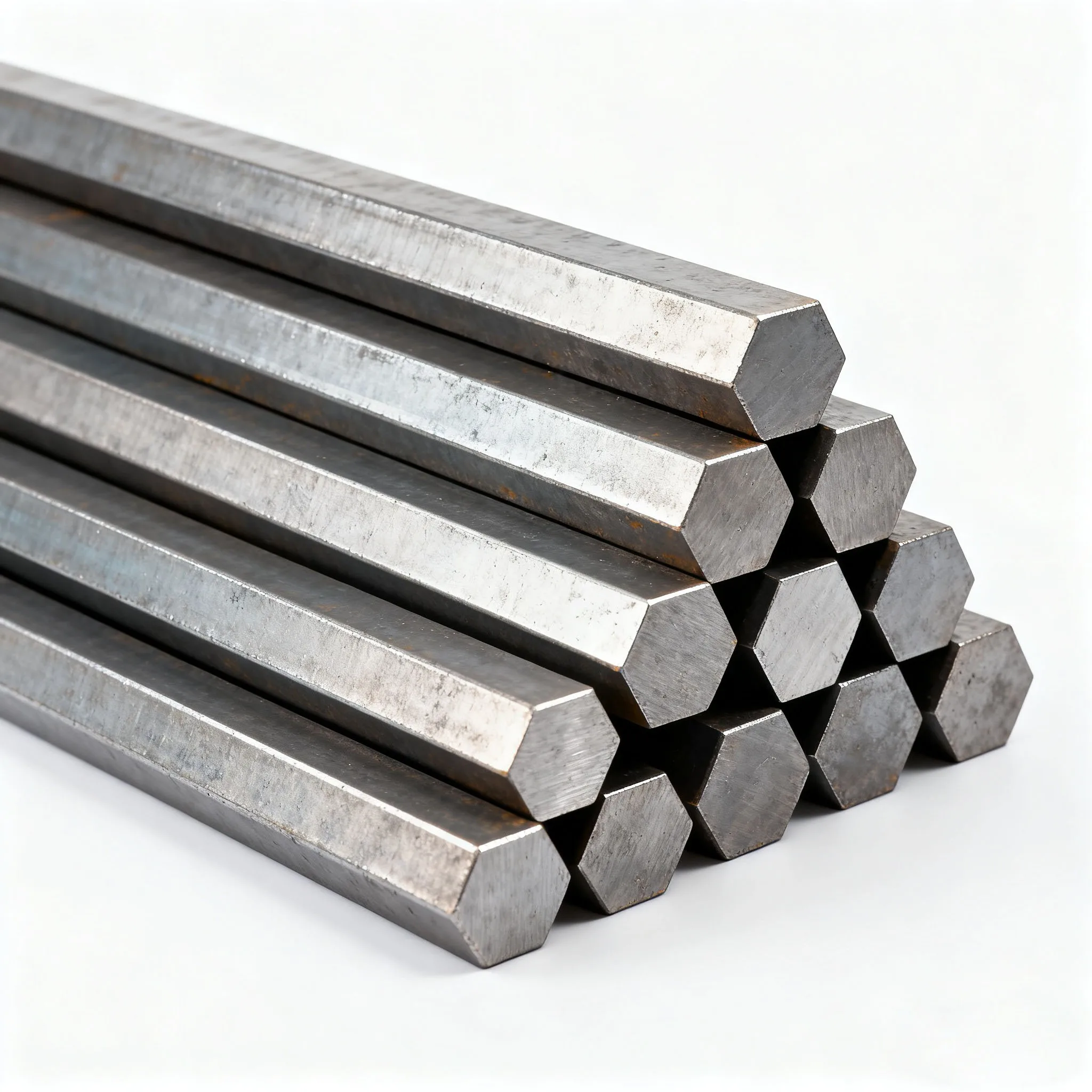
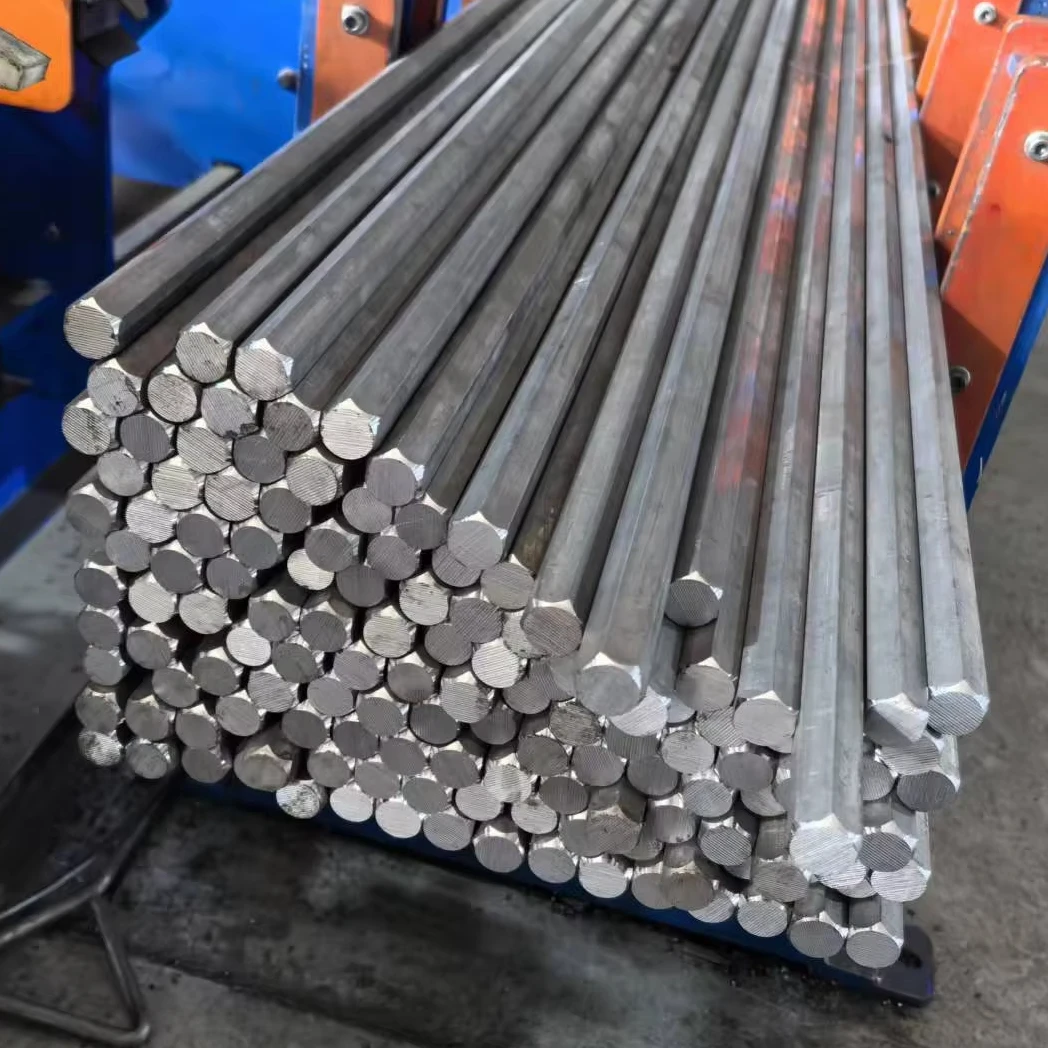
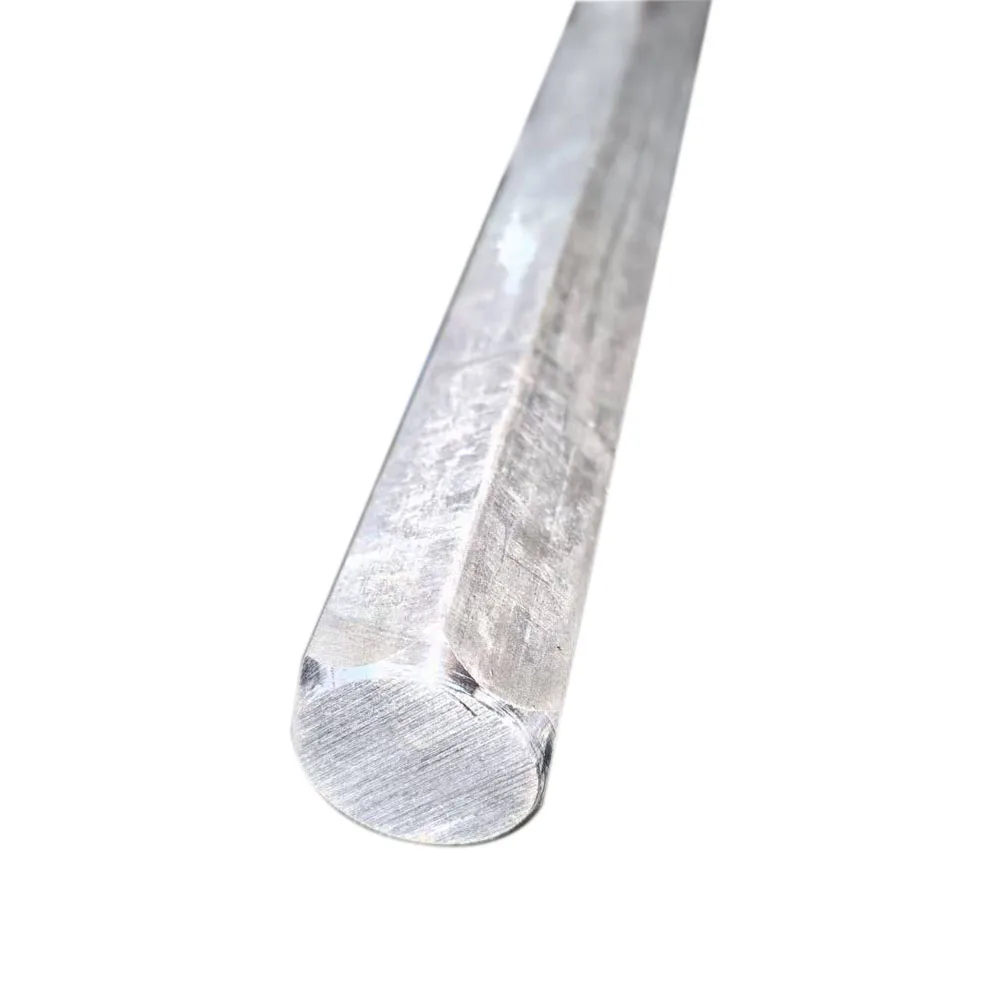
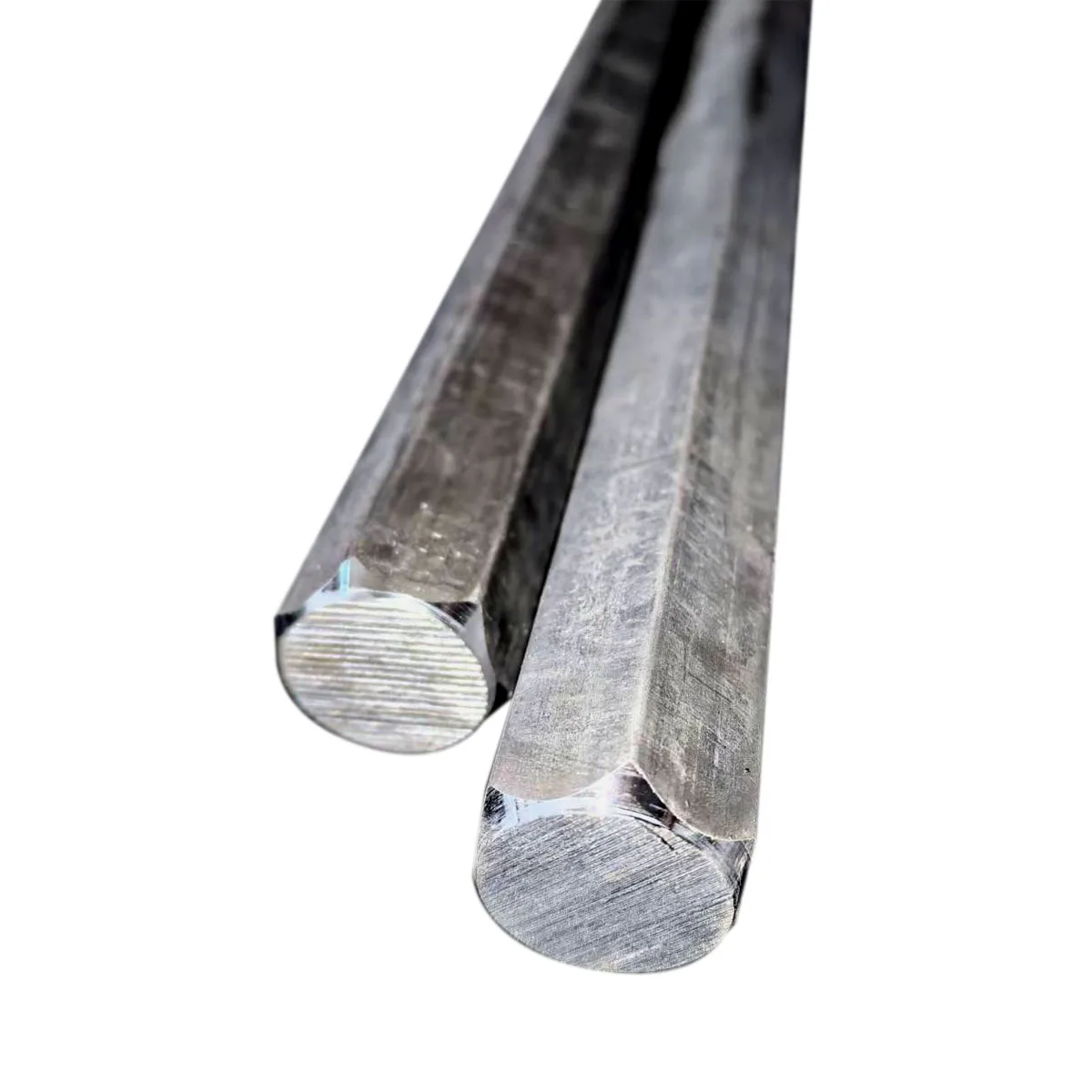
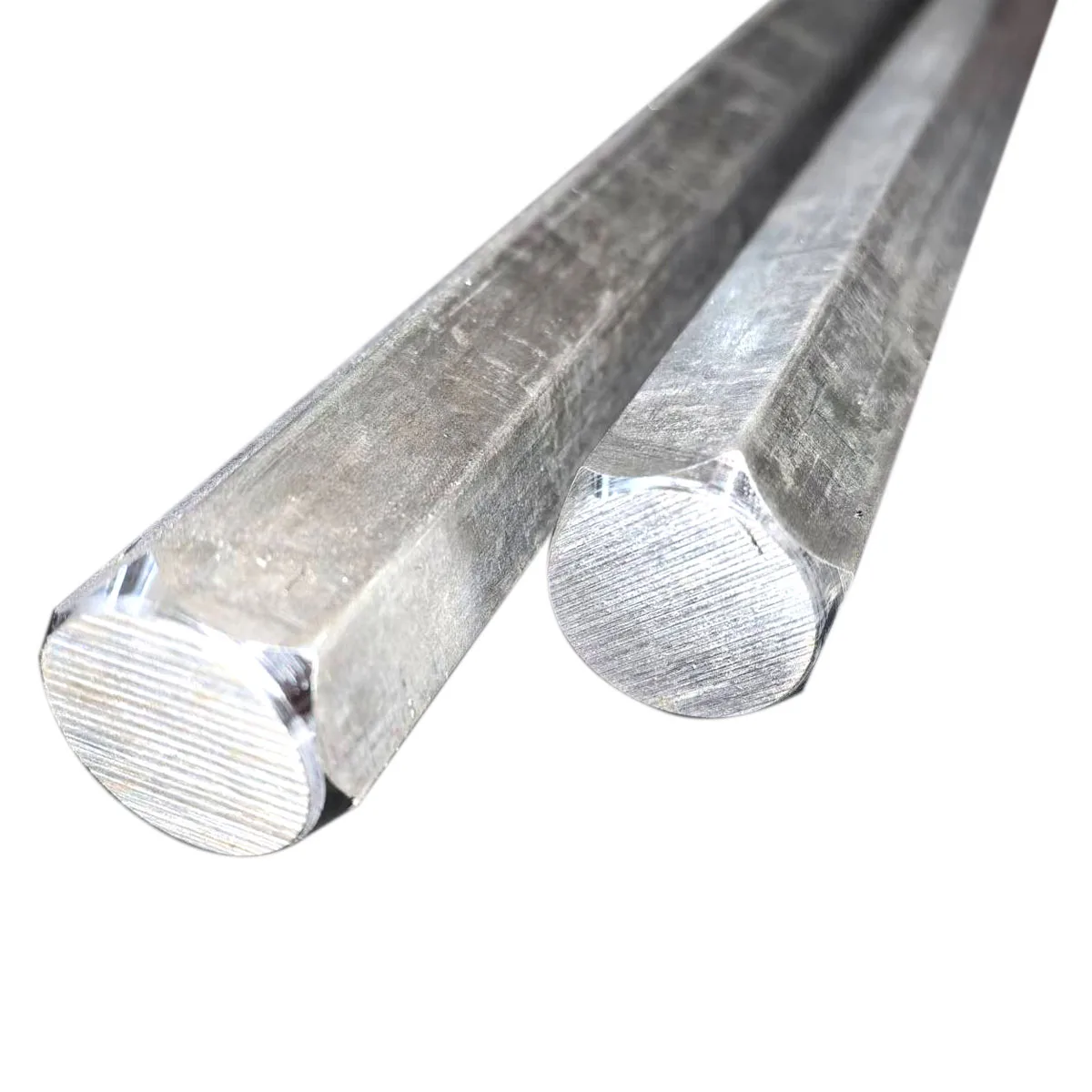
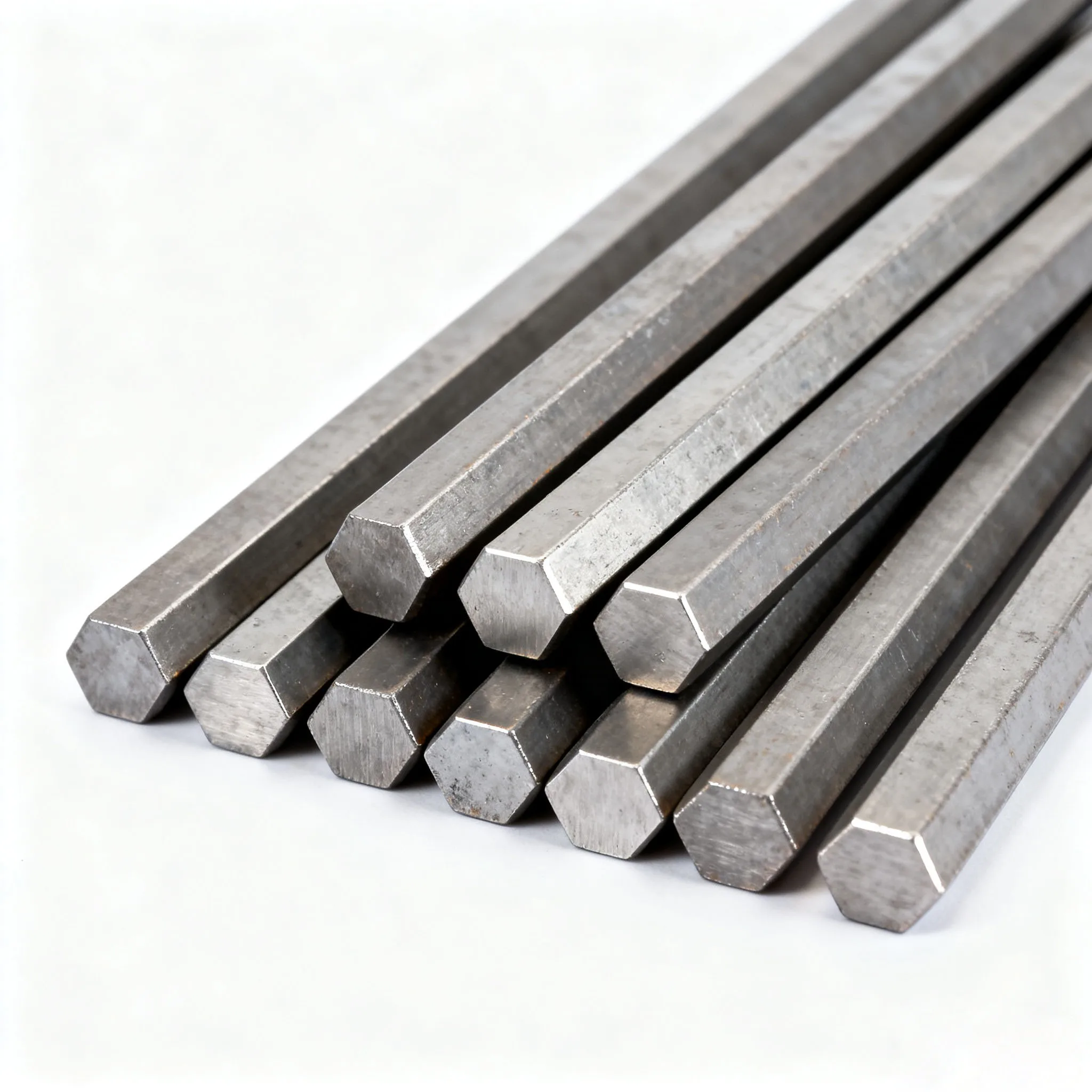
Ductile Easy to Bend Strong Ideal Cold-Drawn Hexagonal Steel for Formed Components
Our ductile cold-drawn hexagonal steel is easy to bend yet strong. It’s the ideal material for formed components, ensuring excellent formability and stable performance in various manufacturing scenarios.
- Overview
- Recommended Products
In the manufacturing of formed components—where materials must undergo bending, stamping, or shaping while retaining structural integrity—finding the balance between ductility and strength is a persistent challenge. Our Ductile, Easy to Bend, Strong Ideal Cold-Drawn Hexagonal Steel for Formed Components solves this dilemma by leveraging advanced cold-drawing technology to enhance the inherent properties of carbon steel. This hexagonal steel combines exceptional ductility (allowing for complex forming without cracking) with reliable strength (ensuring formed parts withstand operational loads), making it a game-changer for industries producing brackets, fasteners, automotive parts, and household hardware. Unlike brittle hot-rolled steels or overly soft low-carbon steels, it delivers consistent performance throughout the forming process and service life, reducing material waste and improving production efficiency for manufacturers worldwide.
The unique "ductile yet strong" characteristic of this hexagonal steel originates from targeted material selection and scientific alloy adjustment. We primarily use low-to-medium carbon steel grades—10#, 20#, and 20CrMo—each tailored to specific forming requirements. 10# low-carbon steel (carbon content 0.07%-0.14%) is the top choice for components requiring extreme formability, such as intricate decorative brackets or small stamped parts; its elongation rate reaches 25% after cold drawing, enabling 180° bending without surface cracks. 20# carbon steel (0.17%-0.24% carbon content) strikes a balance between ductility and strength, with an elongation rate of 22% and tensile strength of 410MPa, suitable for general formed components like automotive door hinges. For high-load formed parts (e.g., construction machinery brackets), we offer 20CrMo alloy steel, which adds chromium and molybdenum to maintain ductility (elongation 18%) while boosting tensile strength to 540MPa. All raw steel billets comply with GB/T 700-2006 and ASTM A108 standards, with strict control over impurity content: sulfur ≤0.045% and phosphorus ≤0.040% to avoid brittle spots that cause cracking during forming. Before cold drawing, billets undergo spheroidizing annealing to refine carbides into spherical particles, further enhancing ductility by reducing internal stress.
The precision cold-drawing process is the key to unlocking the hexagonal steel’s optimal forming performance, distinguishing it from conventional hot-rolled products. The production workflow is designed to enhance ductility while preserving strength: first, annealed billets are descaled via mechanical shot blasting (instead of harsh acid pickling) to protect the surface and avoid micro-cracks that compromise formability. Next, the billets are pulled through a hexagonal die at a controlled speed (3-5m/min) using servo-driven cold-drawing machines—this gradual cold working refines the grain structure into a uniform, elongated pattern that improves ductility without excessive hardening. A critical intermediate step is low-temperature tempering (180-220°C) after cold drawing, which relieves residual stress accumulated during the drawing process. This tempering step is vital for formability: it reduces the steel’s yield strength by 10%-15% while maintaining tensile strength, making the material easier to bend without permanent deformation. The final product achieves impressive mechanical balances: for 20# grade, yield strength is 240-280MPa (easy to form) and tensile strength is 410-450MPa (strong after forming), with a hexagonal cross-section tolerance of ±0.05mm and surface roughness Ra ≤1.6μm—ensuring consistent feeding and forming in automated production lines.
The bright finish and smooth surface of this hex steel rod bring tangible benefits to mechanical fabrication, directly addressing pain points in precision machining. First, the ultra-smooth surface reduces friction between the hex rod and machining tools (such as lathe chucks and milling cutters), minimizing tool wear and extending tool life by 30% compared to using unground hex bars. This is particularly valuable for high-volume production, where tool replacement costs and downtime significantly impact efficiency. Second, the bright surface acts as a natural quality indicator—any internal defects such as cracks or inclusions are easily visible, helping manufacturers identify substandard materials before machining and avoiding costly rework. Third, the smooth, defect-free surface improves the adhesion of subsequent treatments such as plating or coating, ensuring uniform coverage and enhanced corrosion resistance for components used in humid or harsh environments. For example, an automotive parts manufacturer reported that using our ground hex steel rod for transmission gear blanks reduced the need for post-machining polishing, cutting total processing time by 18% while improving the gear’s surface finish to meet automotive grade A standards.
The wide applicability of this cold drawn ground hex steel rod in mechanical fabrication stems from its balanced combination of precision, strength, and surface quality. In automotive manufacturing, it is used to produce core transmission components such as gear blanks, shaft sleeves, and differential pins—its high precision ensures tight meshing of gears, reducing noise and improving transmission efficiency. A major automotive transmission supplier confirmed that our hex rod reduced gear machining errors by 40% compared to standard materials. In industrial machinery, it serves as raw material for machine tool guide rails, reducer shafts, and conveyor chain pins—the smooth surface minimizes friction during operation, and the high strength withstands long-term load. For example, a CNC machine tool manufacturer uses 45# grade ground hex steel for lead screws, achieving a positioning accuracy of ±0.01mm. In precision hardware, it is processed into high-grade hex bolts, nuts, and connectors for aerospace and medical equipment—its bright finish meets the aesthetic and corrosion resistance requirements of high-end applications. In agricultural and construction machinery, it is used for wear-resistant components such as plow shafts and excavator bucket pins, where the combination of hardness and smooth surface reduces soil and debris adhesion. The hex rod is available in a comprehensive range of specifications: opposite side lengths from 6mm to 80mm, lengths from 1m to 12m, and can be customized with chamfering, cutting, or surface treatments (such as galvanizing or anti-rust oiling) to match specific fabrication needs.
A strict quality control system ensures that every batch of cold drawn ground hex steel rod meets the rigorous standards of mechanical fabrication. We have established a four-stage inspection process covering raw materials, cold drawing, grinding, and finished products, and hold ISO 9001 and IATF 16949 certifications to cater to automotive and high-precision manufacturing. Raw material inspection includes spectral analysis (to verify chemical composition) and ultrasonic testing (to detect internal defects). During cold drawing, laser diameter gauges monitor the hex rod’s dimensions in real time. After grinding, three key tests are performed: a surface roughness tester confirms Ra ≤ 0.4μm, a 3D coordinate measuring machine verifies dimensional accuracy and straightness, and a Brinell hardness tester ensures uniform hardness distribution. For critical applications (such as aerospace components), we conduct additional non-destructive testing using magnetic particle inspection to detect surface micro-cracks. Each batch is accompanied by a detailed quality report, which includes machining recommendations (such as cutting speed and tool selection) for common mechanical fabrication processes, providing direct value for manufacturers’ production lines.
Beyond product quality, we provide mechanical fabrication-focused value-added services to enhance customer efficiency and reduce costs. Our technical team, composed of material engineers and mechanical processing experts, offers pre-sales consultation to help customers select the optimal carbon steel grade—for example, recommending 45# grade for high-load gears and 35# grade for components requiring welding. We provide customized precision cutting services, using CNC saws to cut the hex rod into fixed lengths (from 200mm to 6000mm) according to the customer’s fabrication requirements, reducing material waste and on-site setup time. For large-volume orders, we offer batch chamfering services, processing 45° chamfers on both ends of the hex rod to facilitate easy loading into machining equipment. After-sales support includes on-site technical guidance: a manufacturer once encountered chip adhesion during high-speed turning, and our team adjusted the cutting fluid type and feed rate based on the hex rod’s surface properties, resolving the issue within 24 hours. We also collect feedback from fabrication workshops to continuously optimize our grinding process—recently, we improved the grinding wheel material to further reduce surface scratches, increasing the product’s pass rate by 5%.
In the context of mechanical fabrication’s shift toward higher precision and efficiency, our Cold Drawn Ground Hex Steel Rod represents the synergy between advanced material processing and manufacturing needs. By addressing core pain points—such as surface quality, dimensional accuracy, and machining efficiency—it enables manufacturers to produce higher-quality components at lower costs. Looking to the future, we will continue to innovate in two key areas: first, expanding our material range to include micro-alloyed carbon steels, which offer higher strength and fatigue resistance for extreme mechanical applications (such as wind turbine components); second, upgrading our grinding equipment to achieve ultra-precision surface finishes (Ra ≤ 0.2μm) for semiconductor and aerospace manufacturing. We will also strengthen cooperation with mechanical fabrication enterprises to develop "material-component matching" solutions, tailoring hex rod specifications to specific component designs. Whether for small-batch precision machining or large-scale mass production, our cold drawn ground hex steel rod will remain committed to the concept of "precision for fabrication, quality for performance," supporting the development of the global mechanical manufacturing industry and becoming a trusted raw material partner for enterprises pursuing excellence.


Product Name: |
Product Unit: |
Product Dimensions: |
Product Model: |
Hexagonal Steel |
Tons |
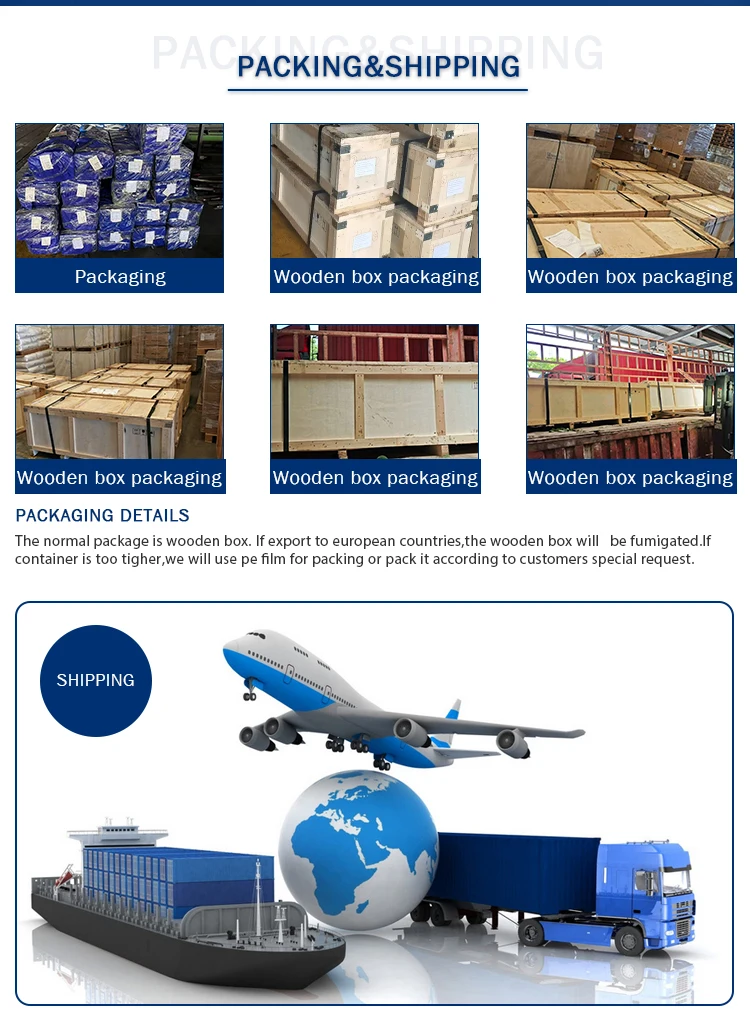
Packaging according to custom requirements |
Q235 Q355B 20Cr 40Cr |


Q1.When can you produce samples?
Usually,it takes us 5 to 7 days to produce samples.
Q2.What is your minimum order quantity?
Cold-drawn structural steel sections are generally divided into two typesless-than-truckload and wholesale, with a minimum of 2 tons; specific quantitiescan be discussed.
Q3.How long is your delivery time?
For customized products, we can arrange shipment within 30 days after receiv-ing the deposit.
Q4.Which ports do you ship from?
Shanghai Port.
Q5.What are your payment terms?
Typically,30% telegraphic transfer (TT) as advance deposit, and the balanceagainst a copy of the bill of lading.
Q6.Where is your company located?
Viangsu Province.
Q7.What are your main products?
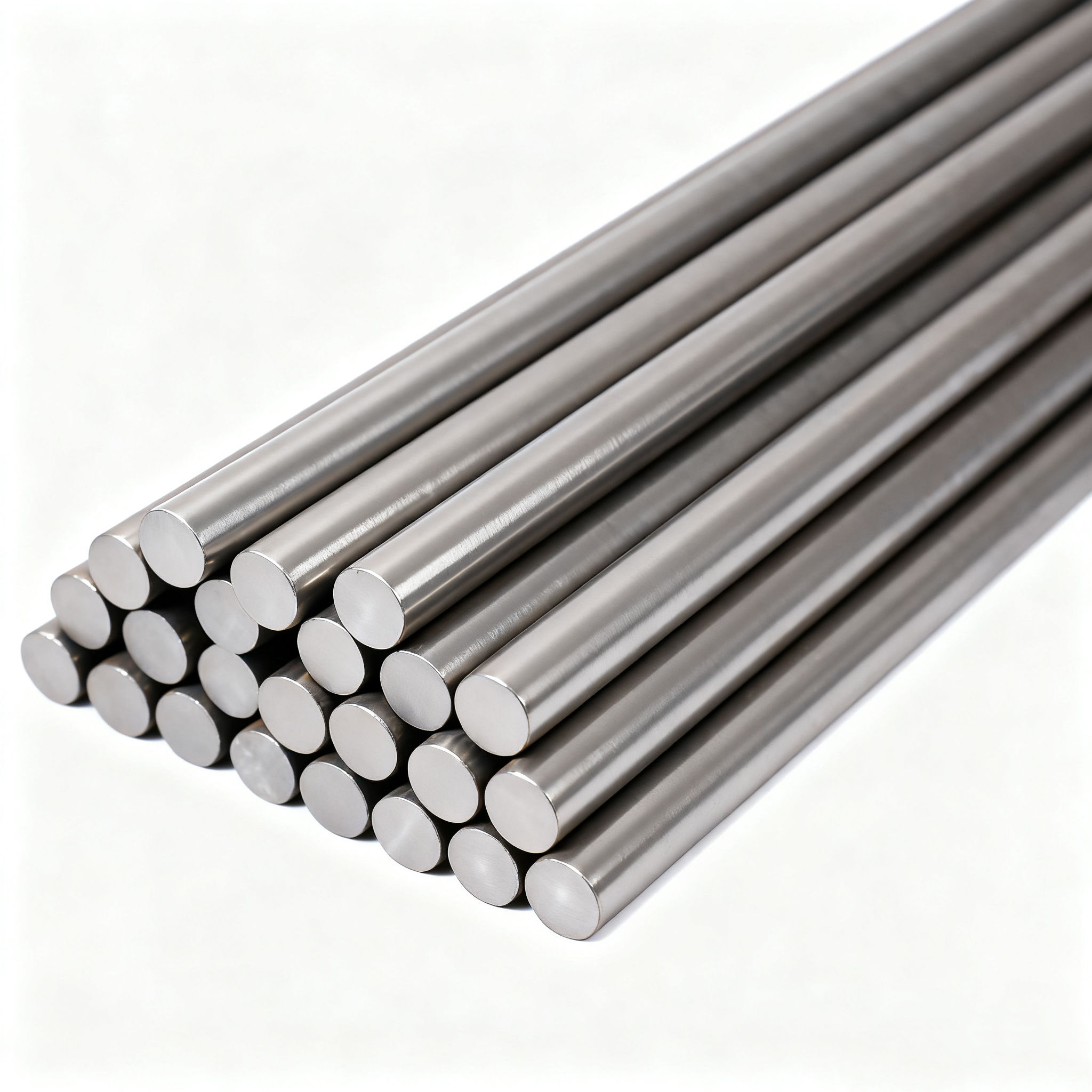
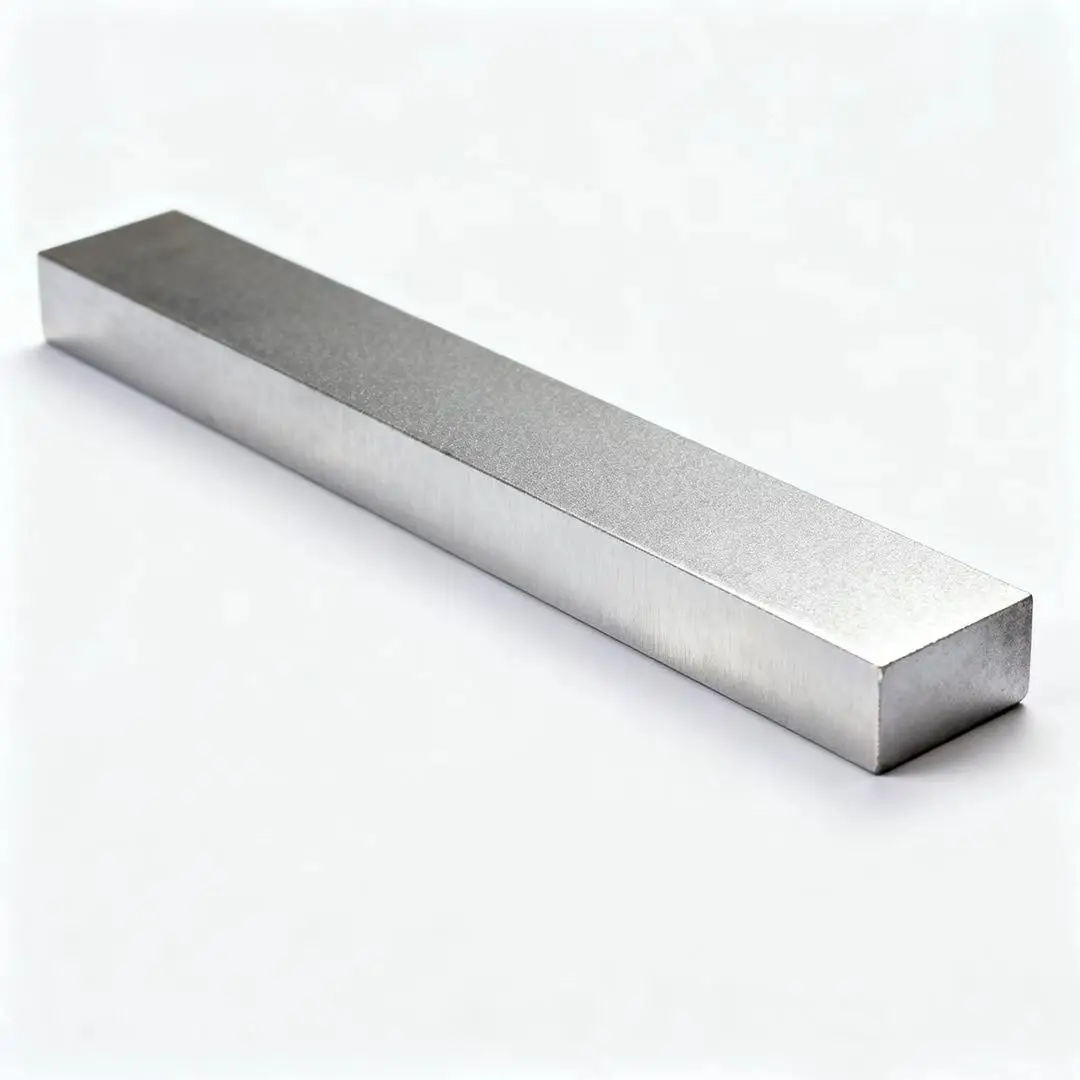
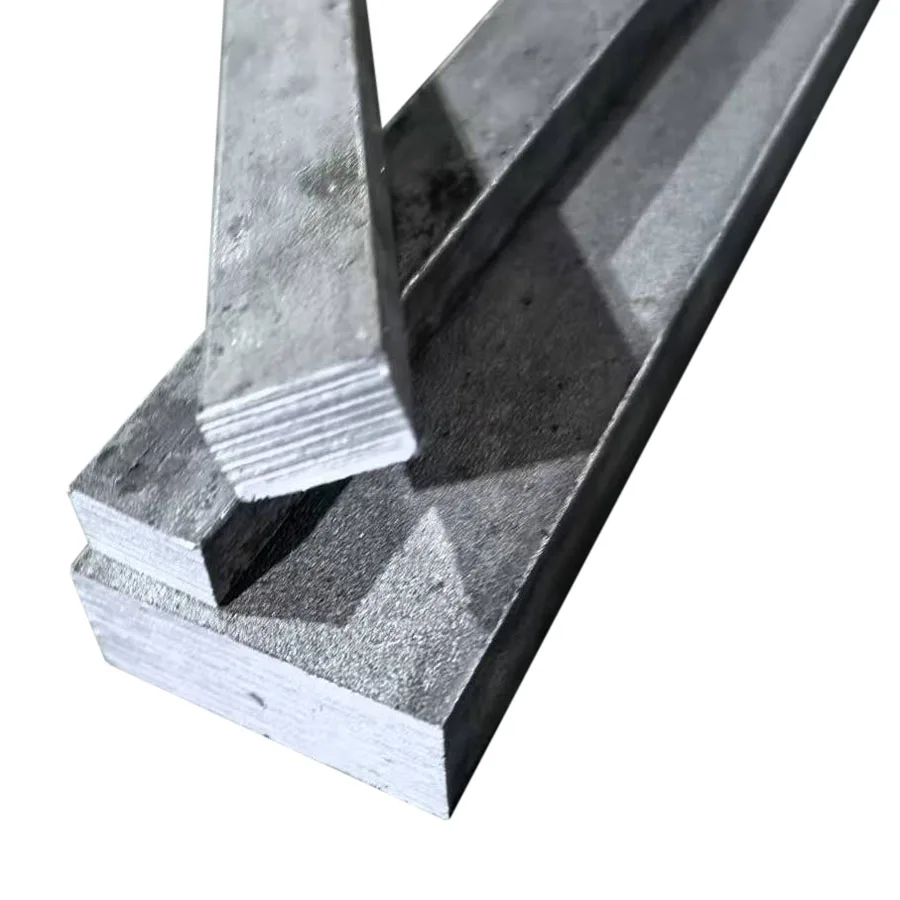
Cold-drawn structural steel:Cold-drawn round steel, cold-drawn square steel, cold-drawn flat steel.cold-drawn hexagonal steel, cold-drawn special-shaped steel.Carbon steel:Q215.Q195.Q235.20#.35#.45#.55#Alloy steel/gear steel:Q355.40Cr,20CrMo,35CrMo.42CrMo,20Cr.20CrMoTi.Free-cutting steel:1215,12L14,1144.Bearing steel: GCr15.Spring steel:60Si2Mn.65Mn.Add inks 24-hourfeedback.48-hour solution(24-Hour Feedback,48-Hour Solution)
Q8.What types of carbon steel bars are there?
Low-carbon steel bars: Low carbon content, good toughness, suitable for weld-ing and machining.Medium-carbon steel bars: Moderate carbon content, balanced strength andtoughness,suitable for mechanical partsHigh-carbon steel bars: High carbon content, high hardness, suitable for toolsand springs.
Q9.Do carbon steel bars rust?
Yes, carbon steel bars are prone to rust in high-humidity environments. Coating.galvanizing,or heat treatment can improve corrosion resistance.
Q10.What are common uses for carbon steel bars?
Used in building structures (such as rebars, support rods)Production of mechanical parts, such as shafts and bolts.Production of tools (such as cutting tools, drill bits).
Q11.How are the dimensional specifications of carbon steel bars determined?
They are typically categorized by diameter and length, with diameters rangingfrom severalmimetershundreds of millimeters.Common lengths are tometers or custom lengths.
Q12.What is the fatiaue resistance of carbon steel bars?
Fatigue resistance depends on the carbon content, microstructure, and surfacequality ofthecaroon steeImprovement methods: Surface treatments (such as rolling, polishing) or opti.mizingheattreatmentprocesses.
Q13.What should be considered when welding carbon steel bars?
Low-carbon steel bars are easy to weld, but it is important to avoid excessivelyhiah temperatures that mav cause coarse arain formation.High-carbon steel bars are prone to cracking during welding and require pre-heating and post-heating treatments.
Q14.Can l get samples?
Yes.
Q15. Do you have a factory?
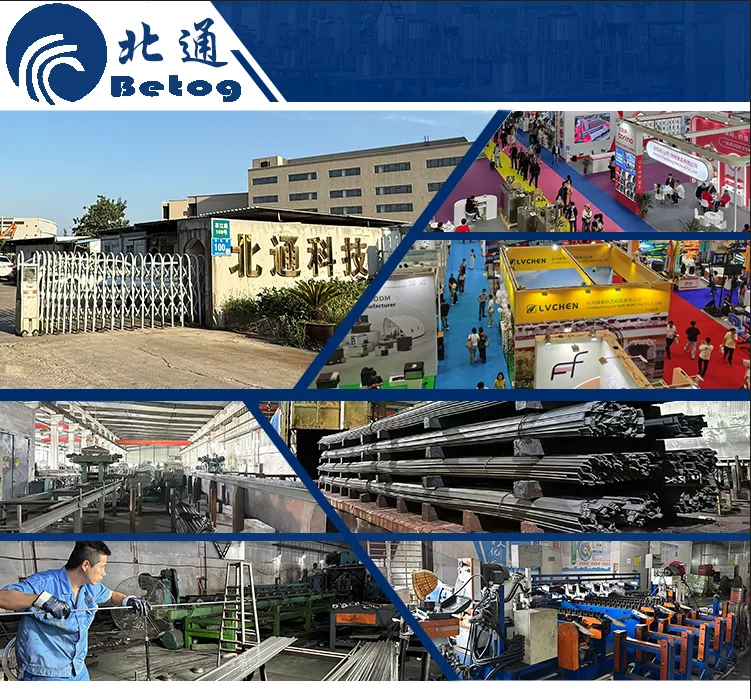
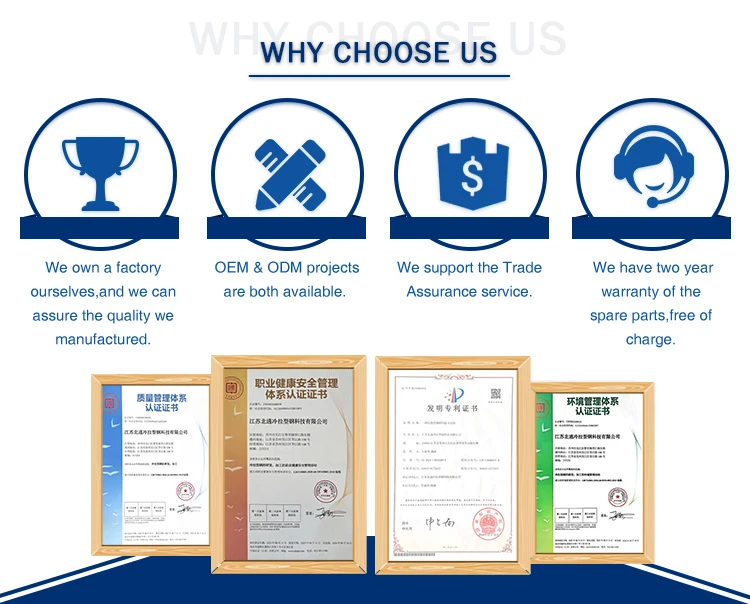
Yes, we have a factory in Jiangsu, and you are welcome to visit our company andfactory.We are a professional cold-drawn steel manufacturer offering OEM/ODMservices to customers.