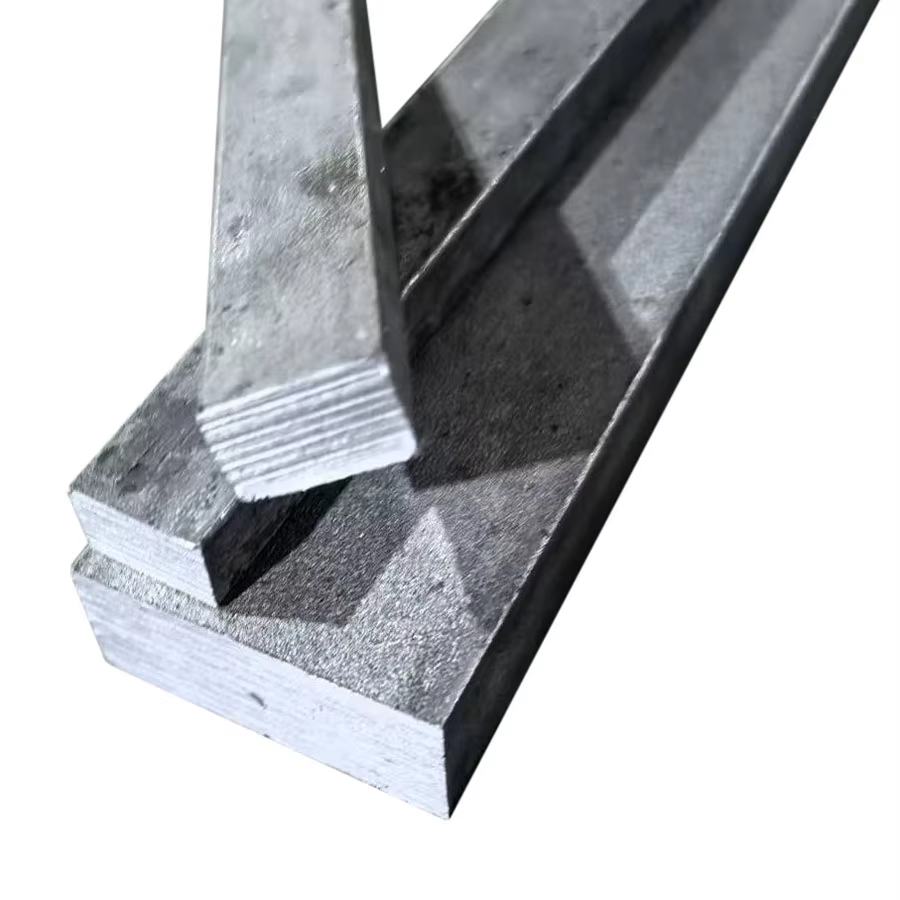
Mechanical Attributes of 1010 Steel for Cold Forming Elongation and Ductility of Annealed 1010 Steel The prime asset which 1010 steel possesses, and which streamlines cold forming, is its documented ductility. In its annealed condition, the materia...
VIEW MORE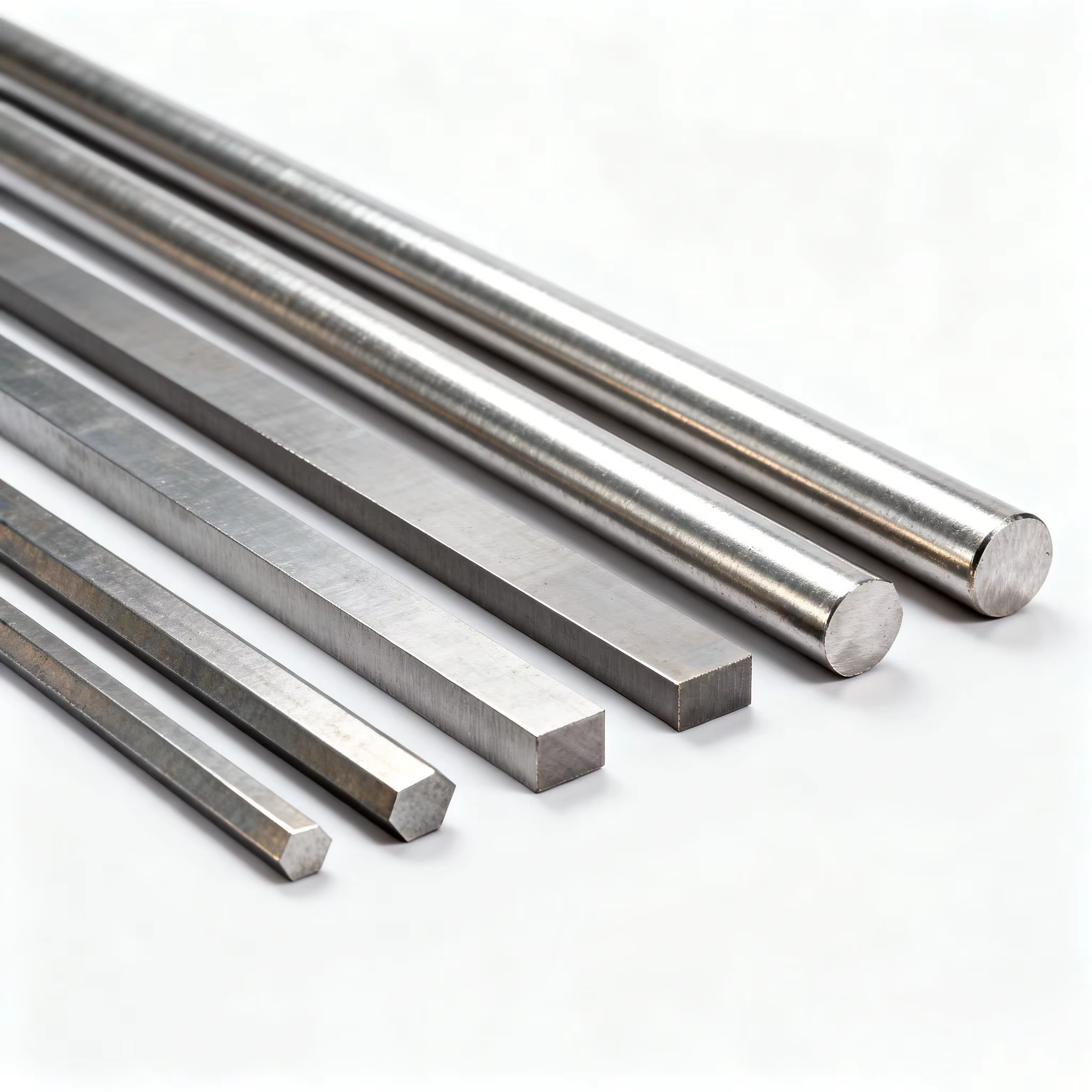
Exceptional dimensional accuracy and tight tolerances are obtained from cold rolled steel. Achieving Tolerance Consistency of ±0.005" During cold rolling steel, temperature is maintained at room temperature while it is compressed using rolle...
VIEW MORE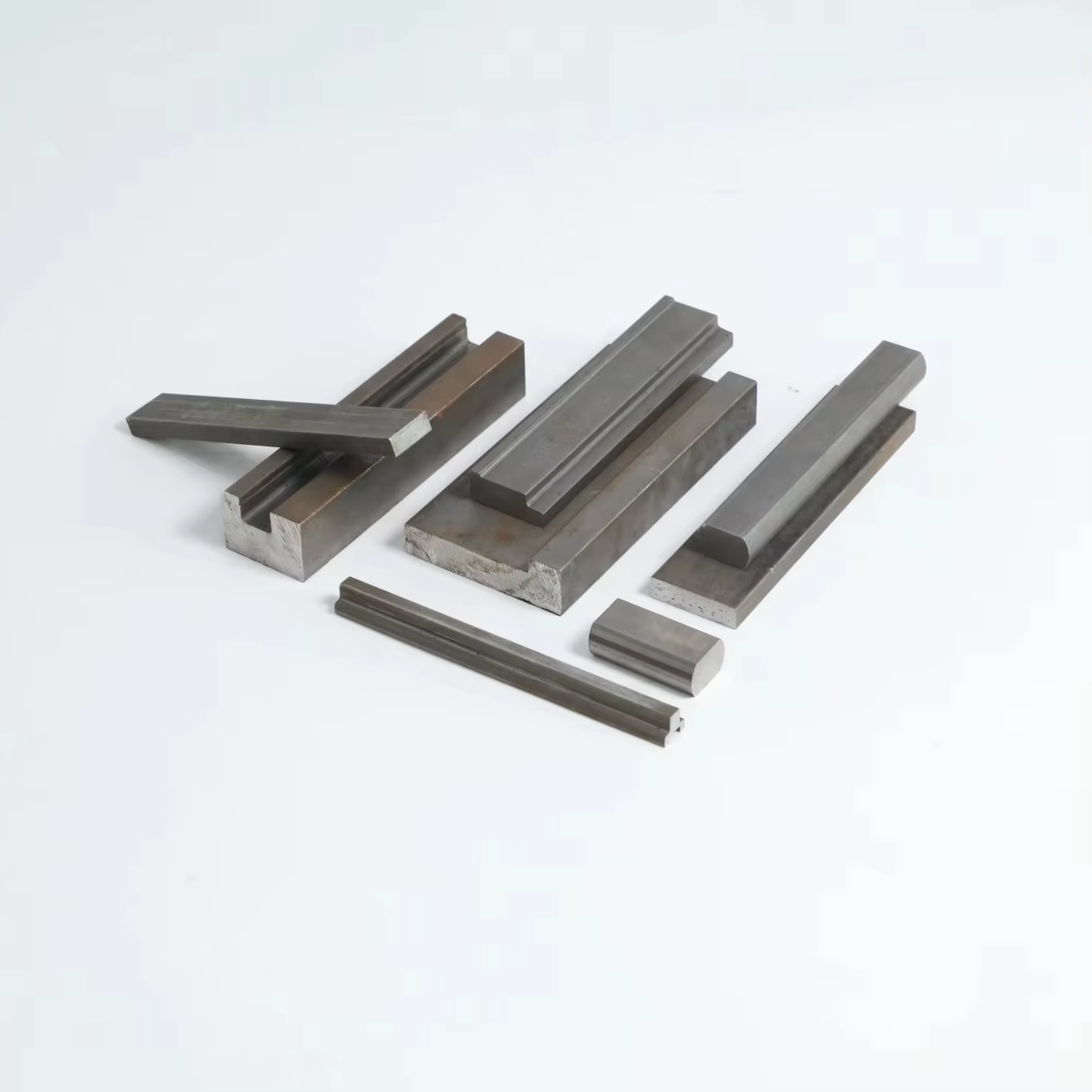
Core Heat Treatment Methods for Carbon Steel: Objectives, Procedure, and Effectiveness Annealing: Recovering Ductility and Microstructural Modification of Cold-Worked Carbon Steel Severe cold working of steel can lead to excessive hardening of the ...
VIEW MORE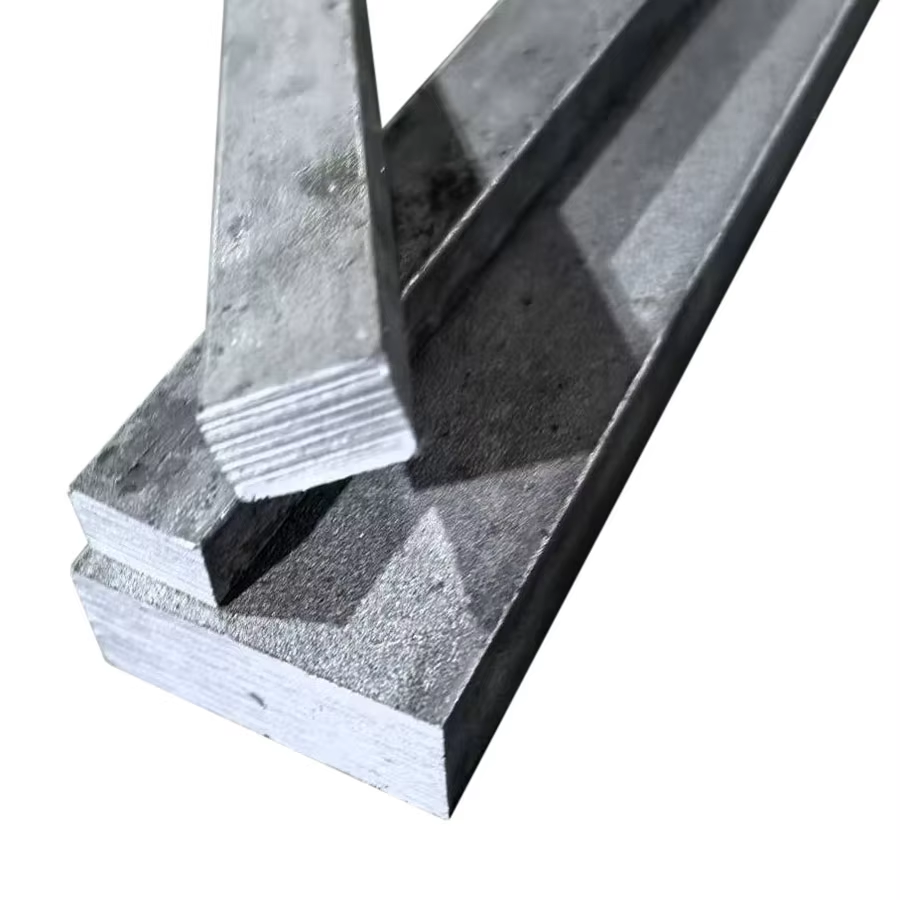
The Mechanical Properties of 1045 steel bar enabling Class 8.8+ bolt performance (Tensile and Yield strength): Compliance to ISO 898-1 specifications for bolts of structural applications 1045 steel bars, when optimally quenched and tempered, can ac...
VIEW MORE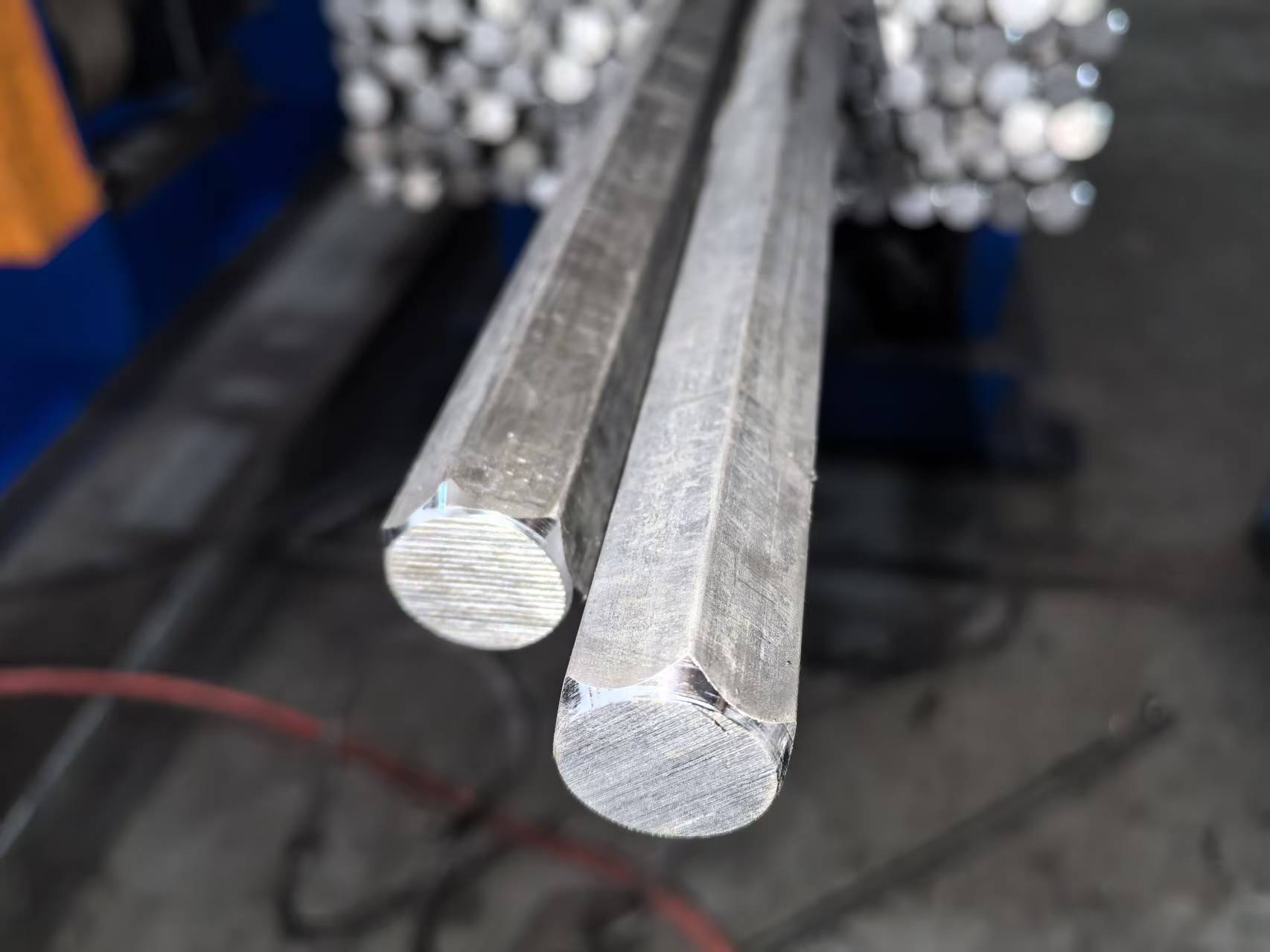
Engineering Logic of the Hexagonal Cross-Section Symmetry for Equal Torque Distribution and Optimal Wrench Interlock Hex bolts are designed with six sides to optimize their mechanical functionality. The symmetrical shapes mean that torque wrenches ...
VIEW MORE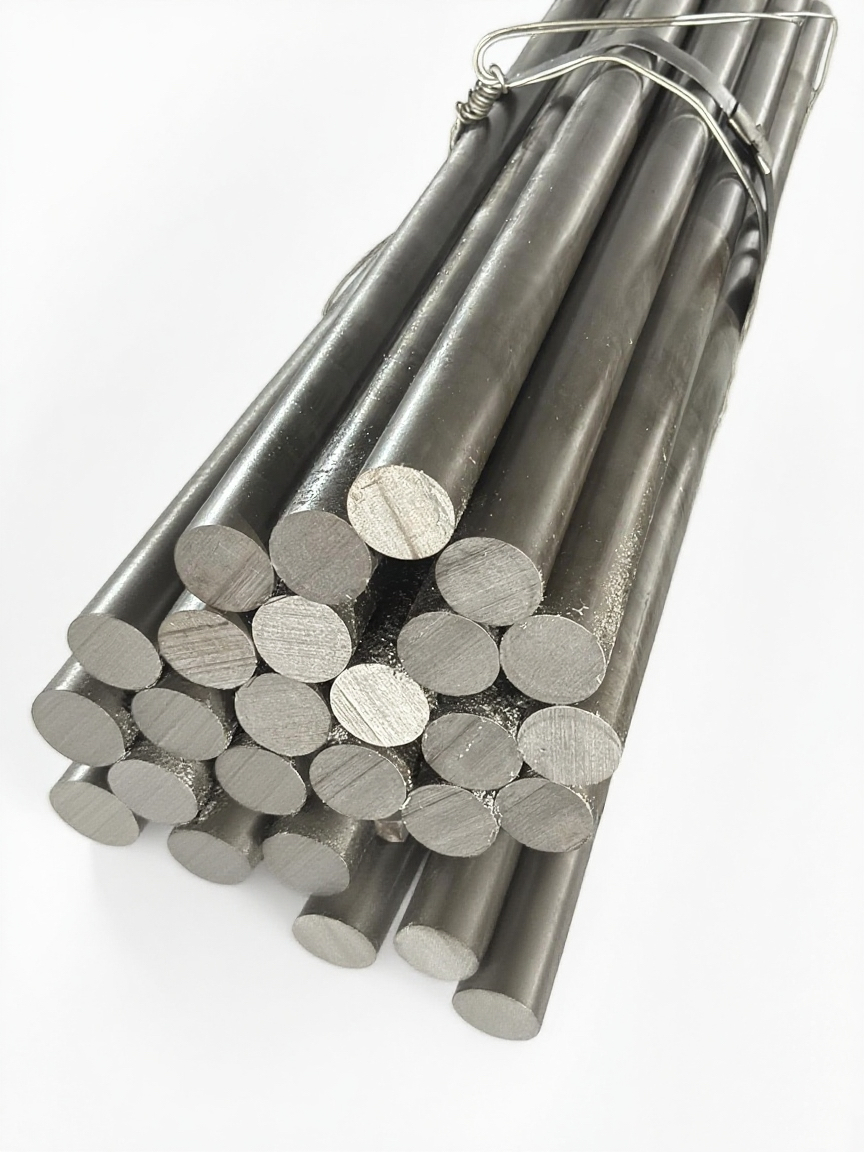
Concerning Dimensional Accuracy and the Finish of the Surface: The Advantage of Cold Drawn Steel for High-Reliability Assemblies No Need for Fit-Up Adjustments for Hydraulic Cylinders and Boom Linkages with ±0.05 mm Tolerances Key feature of...
VIEW MORE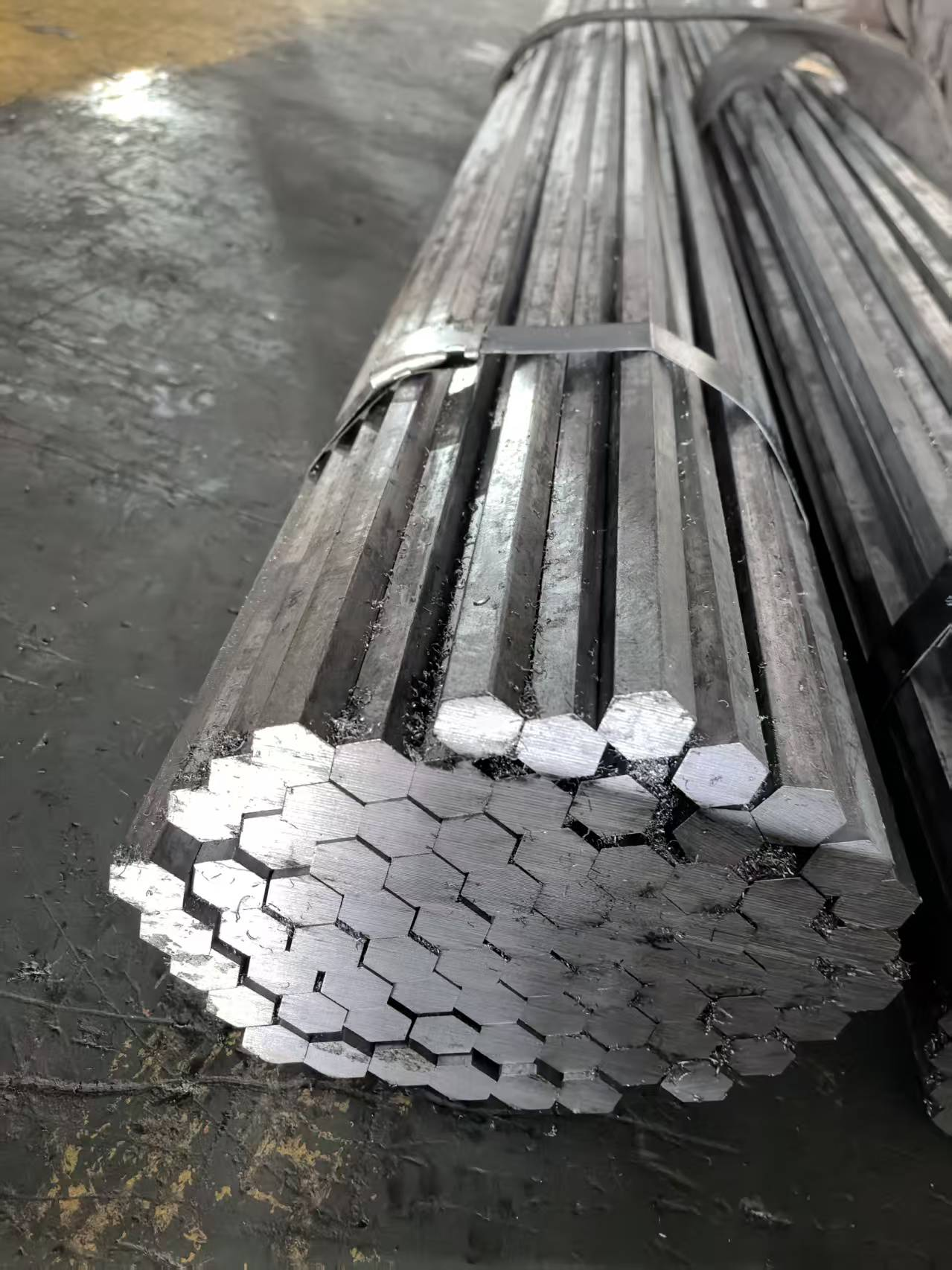
Structural Stability and the Effects of Geometry and Load How the Cross Section Shape Influences the Resistance to Buckling and the Flexural Stiffness When it comes to the stability of structural elements, the cross-sectional shape of steel bars is...
VIEW MORE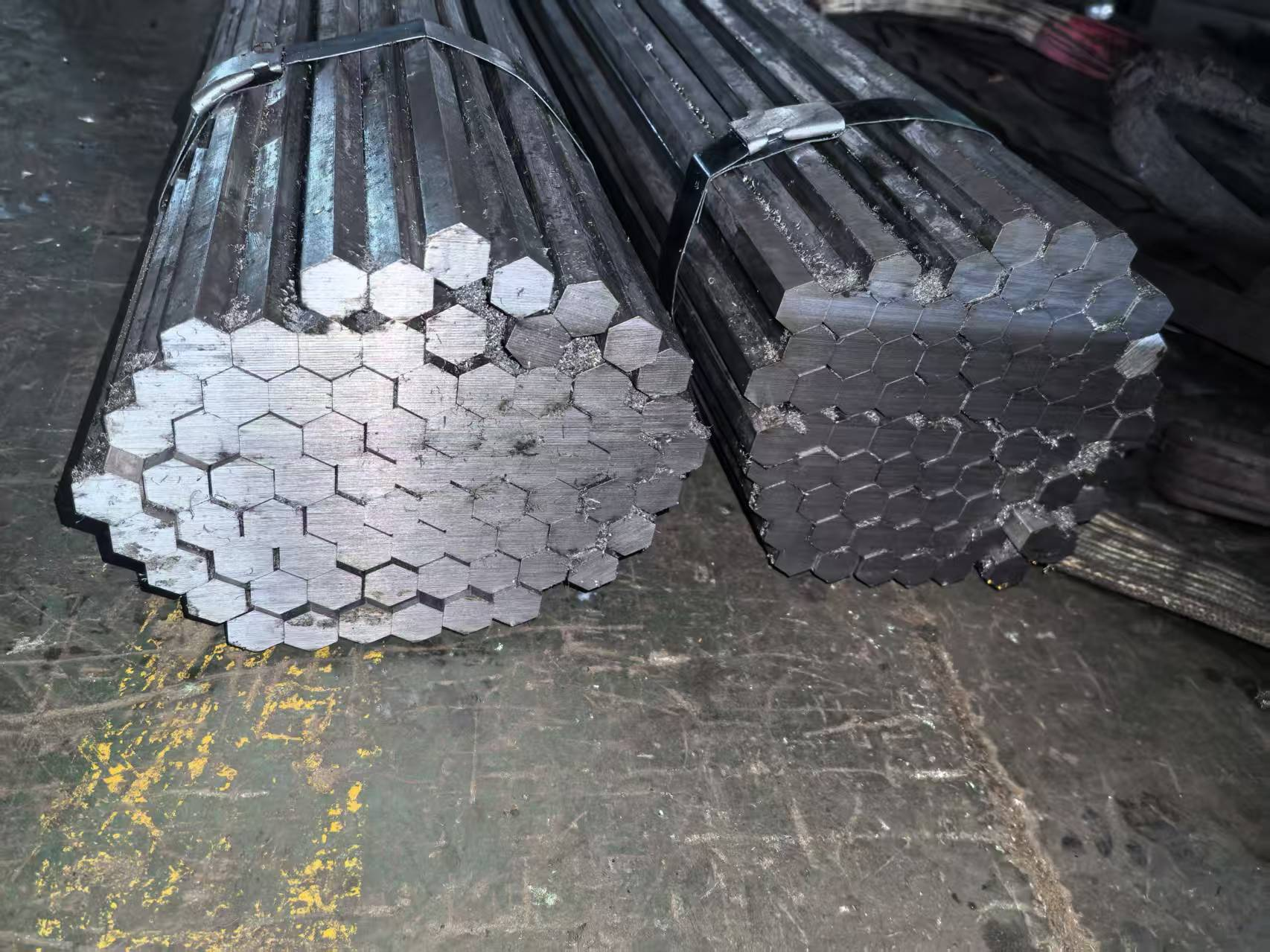
NEC Compliance and Code Acceptance of Flat Steel Bar for Grounding NEC Articles 250.52 and 250.64: When Flat Steel Bar Qualifies as Grounding Electrode or Conductor The National Electrical Code (NEC) presents specific dimensional, material, and ins...
VIEW MORE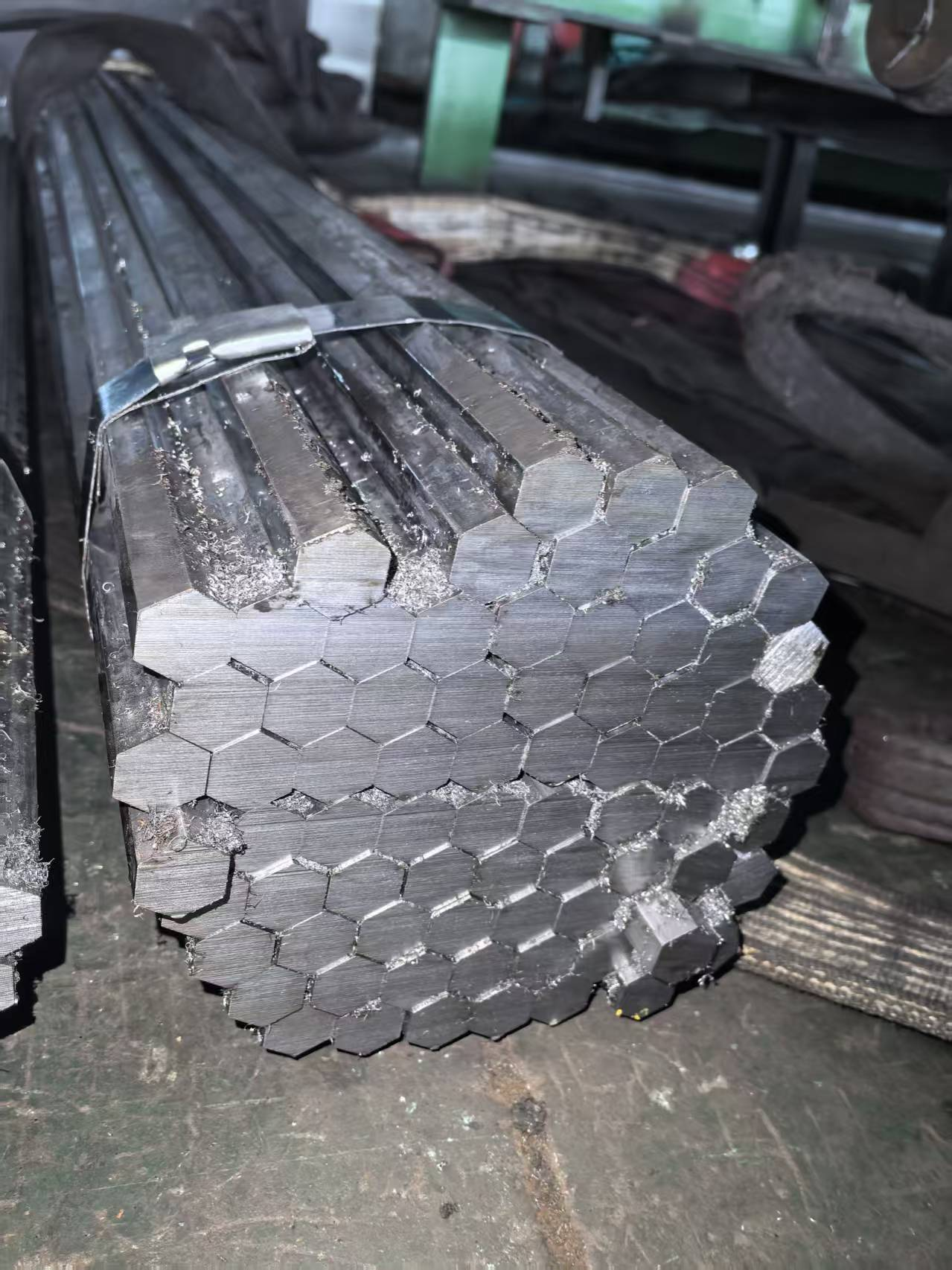
Tensile and yield strength of the material comply with ASME BPVC Section II Part D. Concerning the pressure vessels, the carbon steel rods have some requirements to comply with the ASME Boiler and Pressure Vessel Code, in particular, Section...
VIEW MORE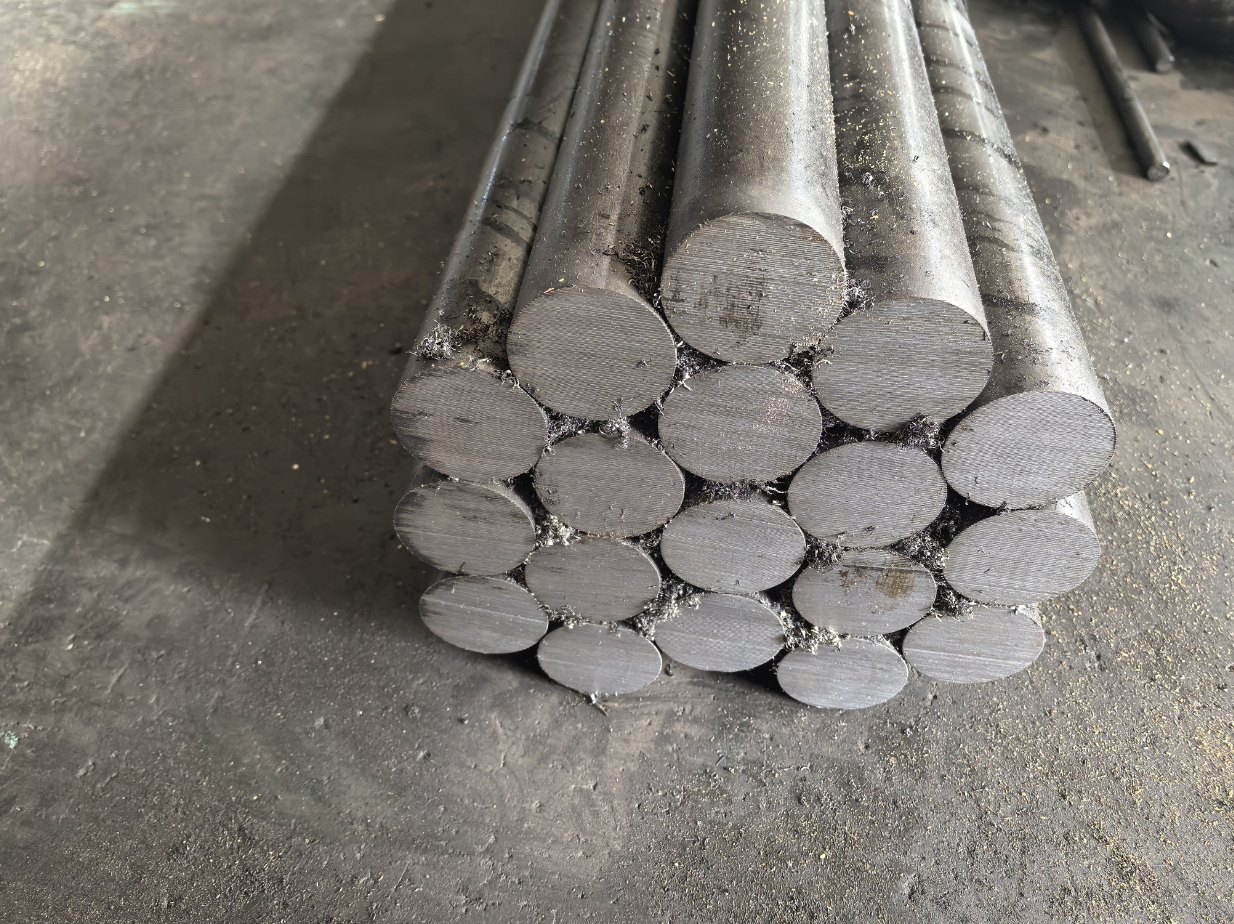
No Additional Processing Required for Superior Mechanical Properties Cold drawn carbon steel presents clear benefits. No need for a secondary heat treatment or extensive processing. The benefits derive from the cold drawing process which cau...
VIEW MORE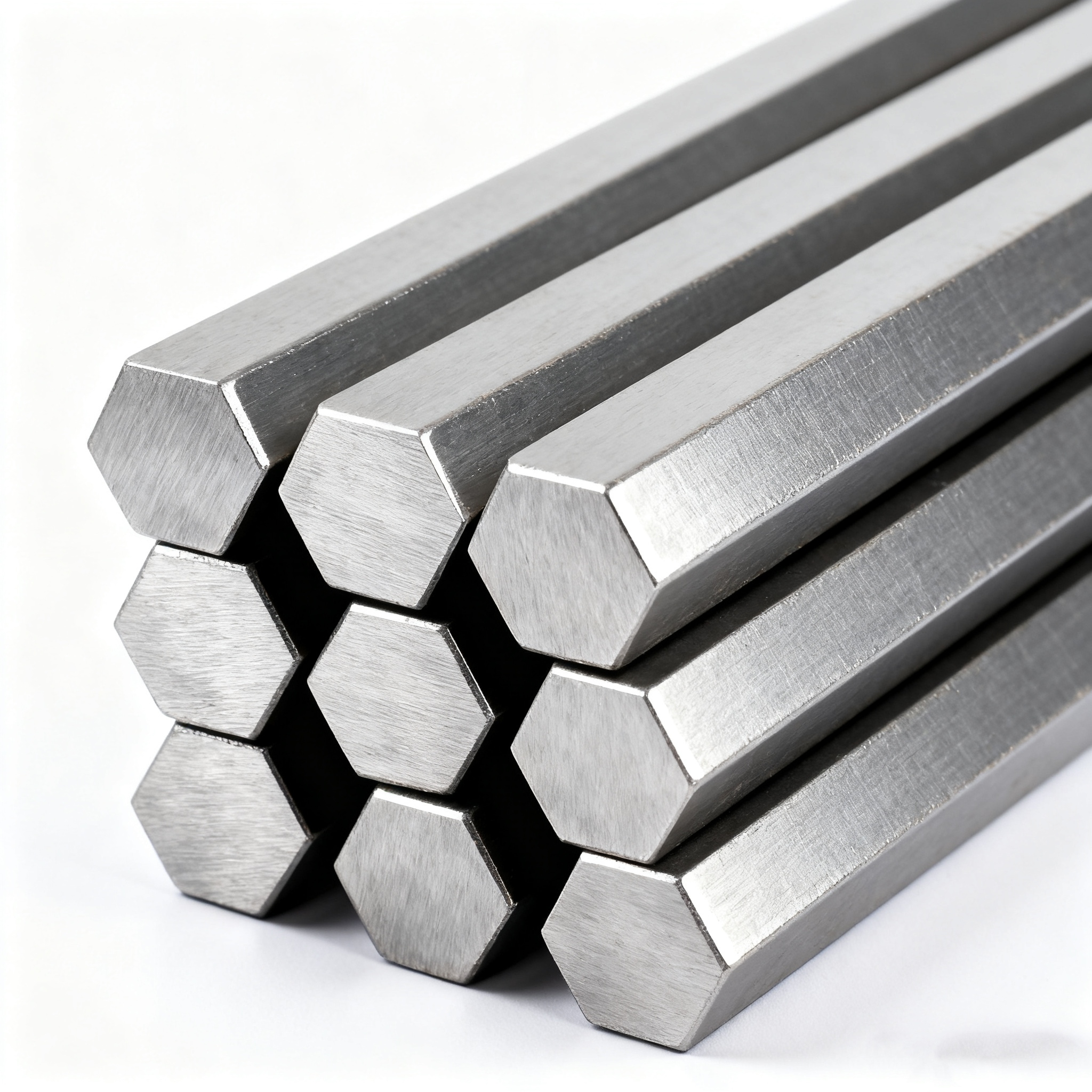
Stainless Steel Grades (304, 316, 17-4 PH): Powertrain System Thermal Stability and Corrosion Resistance Powertrain systems endure a lot of demanding challenges, including exposure to very hot and very cold temperatures and extremely high levels of...
VIEW MORE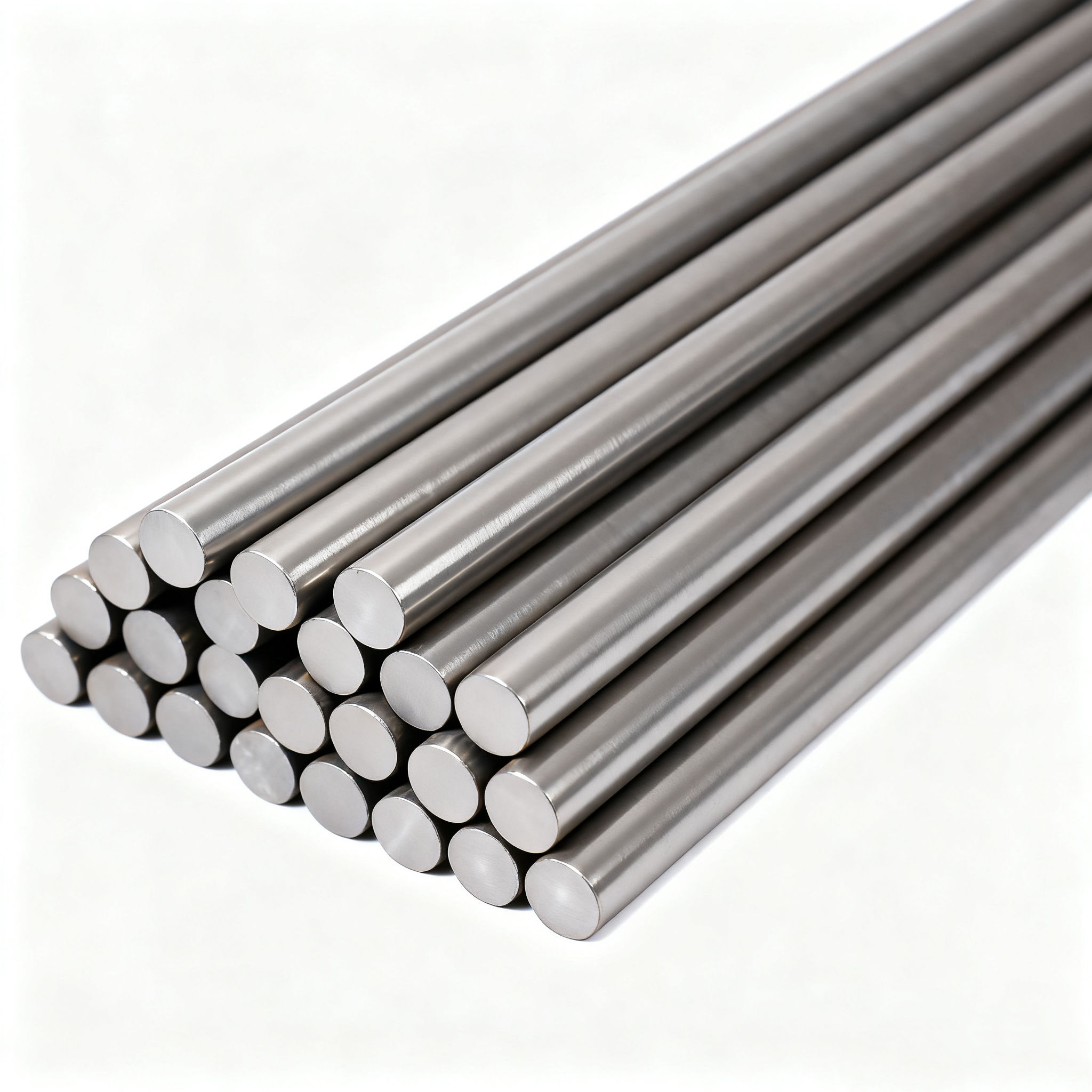
When discussing cold drawing, we focus on what makes it stronger. Here we examine the strengthening mechanism at work, a process termed work hardening, which is achieved by squishing the material at room temperature, as opposed to softening it via ...
VIEW MORE
Copyright © 2026 by Jiangsu Beitong Cold-drawn Section Steel Technology Co., Ltd.
 EN
EN