
 EN
EN
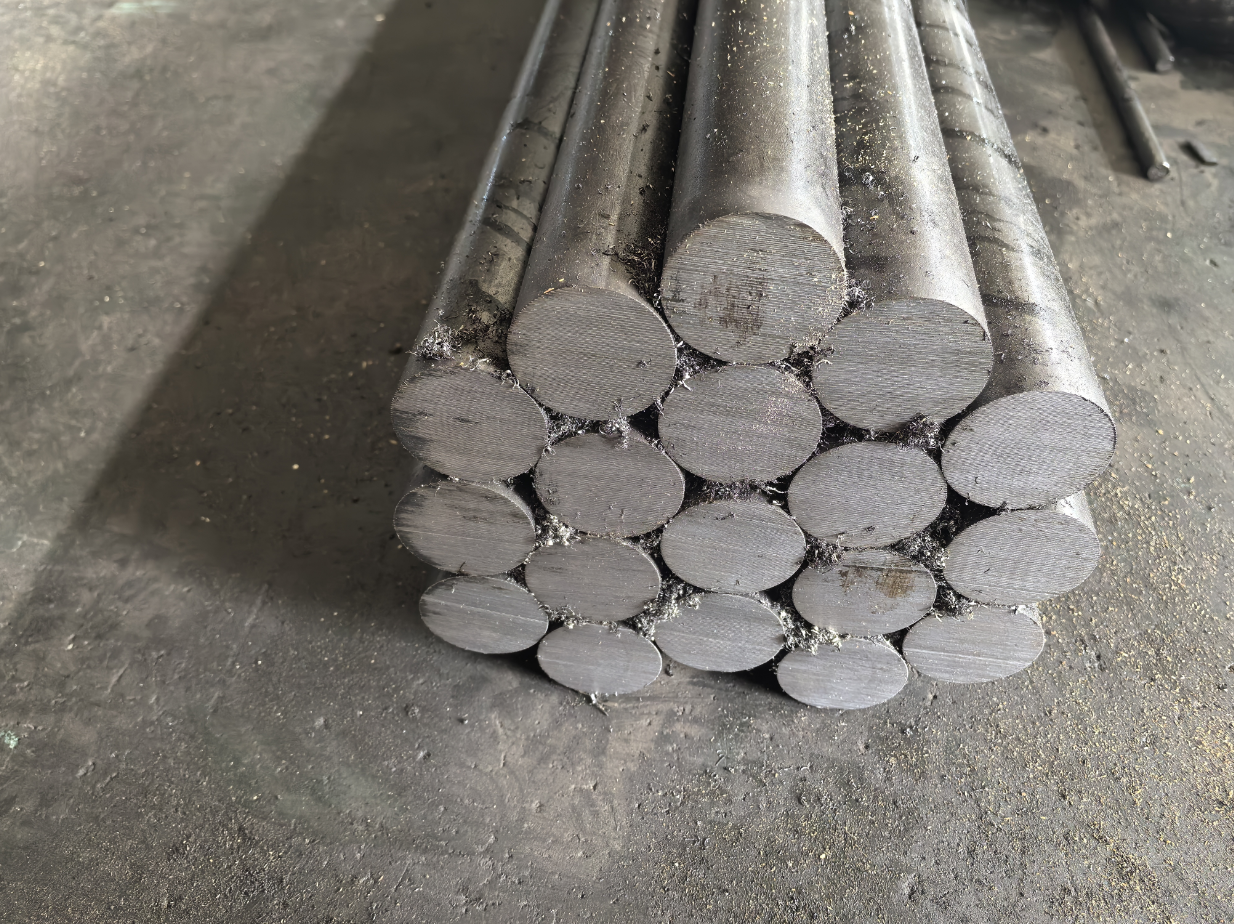
No Additional Processing Required for Superior Mechanical Properties
Cold drawn carbon steel presents clear benefits. No need for a secondary heat treatment or extensive processing. The benefits derive from the cold drawing process which causes strain hardening. The end product of this cold drawing process will have stress induced structural integrity. The process of drawing the steel means that the end product will mean the customer will save costs. This means the steel will have a greater positive impact on performance within the mechanical components.
Greater Strength and Hardness as a Result of Strain Hardening
Cold working steel will improve the structure as one observes it from a microscopic level. While the steel is still cool and is being pulled through a die, it caused plastic deformation, creating a dislocation structure within the grains of the steel. What this means is that these structures (or lattice dislocations) act as barriers against the deformation of grains and make the steel stronger. Cold drawn steel is, according to Corten (2022), 20-30% stronger than other steel which has been heat rolled steel. The other lateral shift that cold working brings is the increase of surface hardness. This means that the steel will have a Rockwell hardness increase of about 10-15 points. Better still, the hardened steel will still possess the impact resistance and plastic deformation capacity. When it comes to creating functional components, end users and developers aim to balance multiple performance requirements.
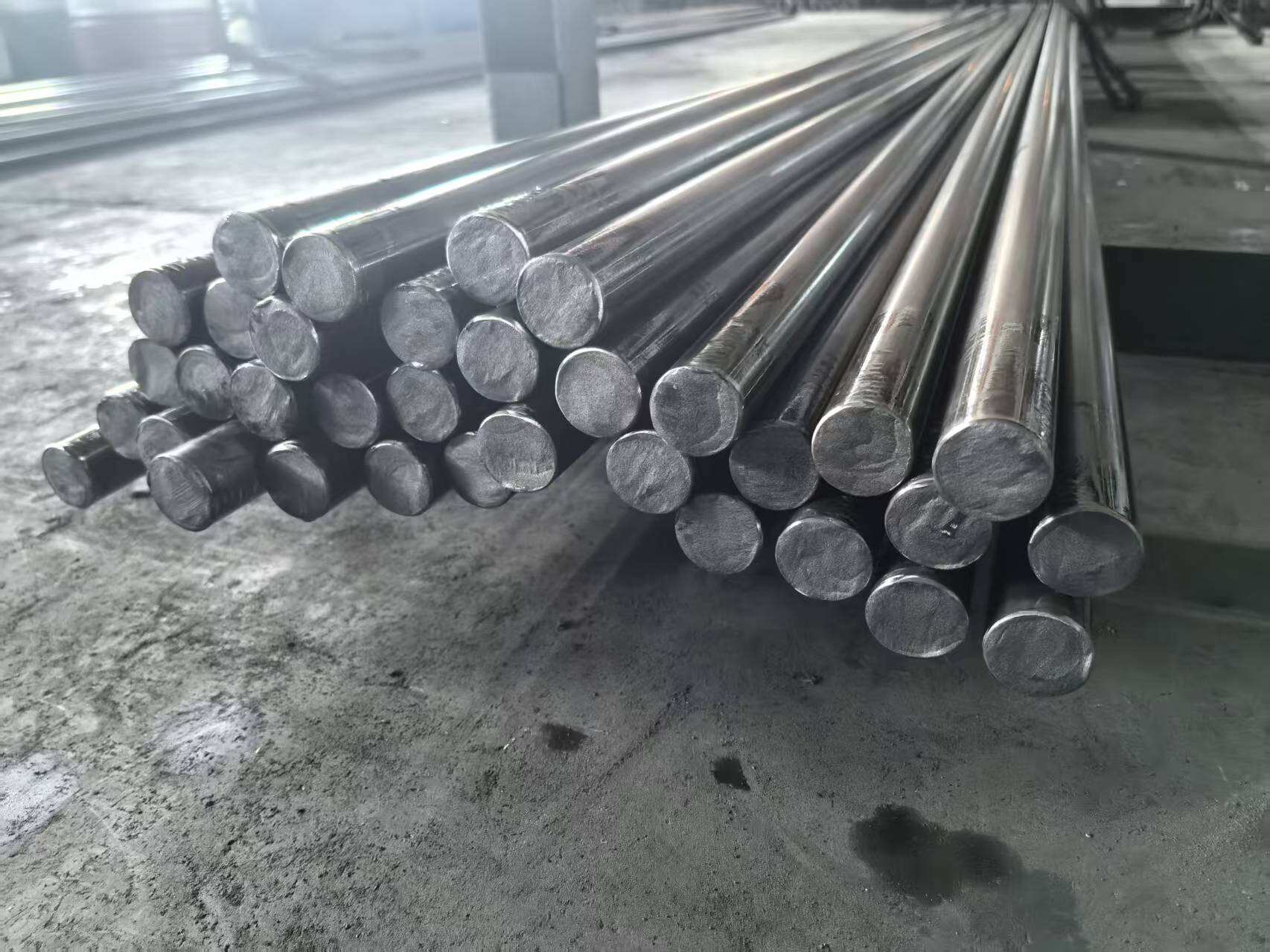
Consistent Microstructure and Predictable Performance in Load-Bearing Parts
Cold drawing offers a finely structured grain that aligns throughout the length of the steel, providing mechanical consistency. This is critical for components such as load bearing shafts, hydraulic pins, shafts, and parts. After cold drawing, the final product retains a high degree of ultimate tensile strength, with variations of +/- 15 MPa. This variation is predictable and can be accounted for in designing to meet safety factors with confidence. In addition, cold drawn steel avoids the troublesome issues of casting, such as air pockets and material unevenness, which cause the most critical failures in components subjected to repeated stress. This is uniform quality in cold drawn steels.
Branagan’s latest studies show that parts manufactured from cold drawn steel show less wear than parts manufactured from hot rolled steel by ~40%.
Cost savings in manufacturing come from Improved Geometry and Surface Integrity
Secondary machining becomes unnecessary when tight dimensional tolerance is achieved
Impressive dimensional accuracy is achieved in the cold drawn process, often around ±0.005 inches (~0.13 mm), and is to be expected as the metal is formed through controlled dies at room temperature. The process retains the part’s dimensions, eliminating the need for subsequent machining operations, whether they be turning, grinding, or centerless grinding, that would normally be required to meet the strict limits. According to ASM International, a 2022 report notes that many manufactures have eliminated 30-50% from these operations. The effects of strain hardening produced by the cold drawn process actually aid in maintaining the dimensions of the parts as they undergo back-end machining. The parts warp less, requiring less frequent setups, and as tools wear less, the overall machining cycle times are greatly reduced.
Smooth, Scale-Free Surface Finish Lowers Finishing Time and Labor
The cold drawing process produces surface textures between 125 to 250 microinches of Ra, and these surfaces fully eliminate mill scale, which is typical on hot rolled steel products. Because cold-drawn surfaces require no abrasive blasting or chemical treatments to remove scale, surface prep time drops by 40 to 60 percent, as shown by research from the Journal of Materials Processing Technology in 2023. Manufacturers working with scale-free surfaces often report the need for less additional polishing before coating and/or assembly, which decreases the number of time-consuming finishing operations. Additionally, these surfaces are ready for immediate welding. Overall, these surfaces provide better paint adhesion, and reduce the number of rejected parts during quality inspections, as well as providing minimal protection from corrosion in industrial environments.
Cost savings with hot-rolled options aren't as significant as with cold-drawn carbon steel. The key is in the number of steps needed. There are no cheaper materials. Hot-rolled steel might look cheaper at first. Some industry reports from last year suggested a cost of 15 to 20\% less. However, cold drawn steel actually saves more money in the long run. Why?. It's because it comes out of the production process with the exact shape and size needed. Factories can save a significant amount of time, typically 40\%, on large batches. This is possible because of the cold drawing process. During the cold drawing process, the metal is strengthened, and the process is used to create the parts. The tolerances are super tight, usually within 0.001 inch. Parts can then be fit together without additional grinding or straightening. Think of something as simple as engine shafts or bushings used in machinery.
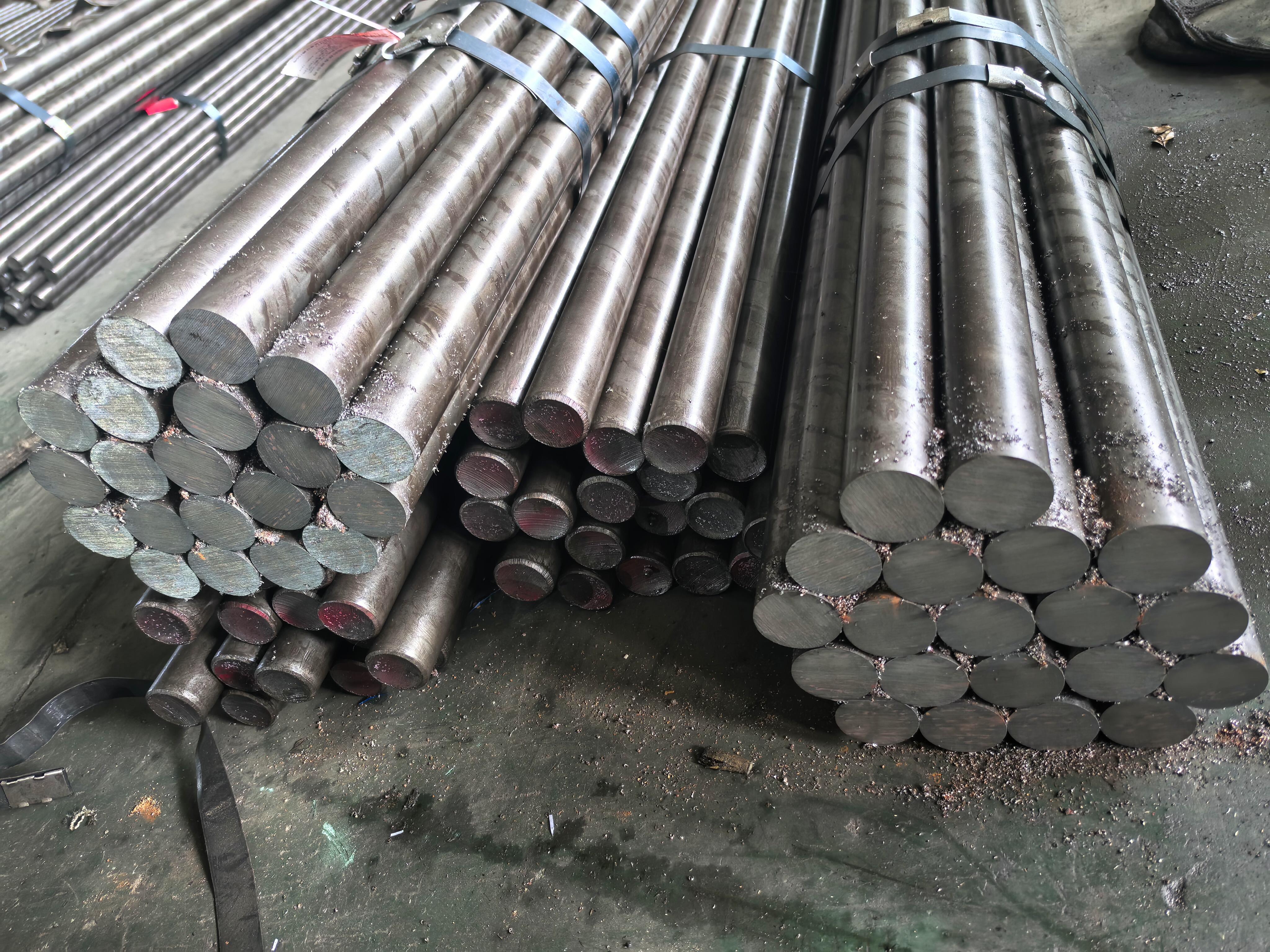
Manufacturers say that their products are getting ready about 30% faster than with standard carbon steel that require special treatments and more finishing steps. Some shops claim to have even cut weeks from their production schedules with the use of cold drawn materials.
When to Select Cold Drawn Carbon Steel Over Alloy Steels and Stainless For Non-Corrosive Machinery
When thinking of steels, cold drawn carbon steel is often the best choice for applications where corrosion is a nominal concern, but other factors such as cost, machine-ability, and dimensional stability during the cold drawn process are to be prioritized. Consider the case of a hydraulic system, industrial gearbox, and pneumatic actuator applications. This steel’s performance is comparable to many stainless steels (85 ksi yield strength) yet is ~40% cheaper. What distinguishes the steel from stainless (nickel & chromium) alloy in these applications is that conventional machine shop tools can be used to manufacture the steel, yielding production costs savings of $18 -20 per part. We often use this steel in highly abrasive systems, like press fittings and conveyor rollers, and in linear guide rails and other applications where cold drawn carbon steel’s surface finish and hardness is required for consistent and reliable service.
High-ROI Machinery Applications Using Cold Drawn Carbon Steel
FAQ
What is cold drawn carbon steel?
This steel is processed in such a way that makes its structure denser by pulling it through a die at room temperature and then it is further cold processed to maximize its mechanical attributes.
How does cold drawing improve steel properties?
The structure alters to achieve a more compact arrangement resulting in a higher tensile strength and makes the overall structure more difficult to deform/alter and improves the overall size accuracy.
What are the advantages of using cold drawn carbon steel?
The mechanical properties are higher, the dimensions are more accurate, there is less of a need for secondary machining, and it costs less than cold drawn or annealed steel.
Is cold drawn carbon steel suitable for environments with high corrosion?
It does not possess high corrosion resistance so it is not recommended to be used in environments that have corrosive conditions. Instead, its best to use it in situations that require strength, easy machining, and dimension stability.
Table of Contents
- No Additional Processing Required for Superior Mechanical Properties
- Consistent Microstructure and Predictable Performance in Load-Bearing Parts
- Secondary machining becomes unnecessary when tight dimensional tolerance is achieved
- When to Select Cold Drawn Carbon Steel Over Alloy Steels and Stainless For Non-Corrosive Machinery
- FAQ