
 EN
EN
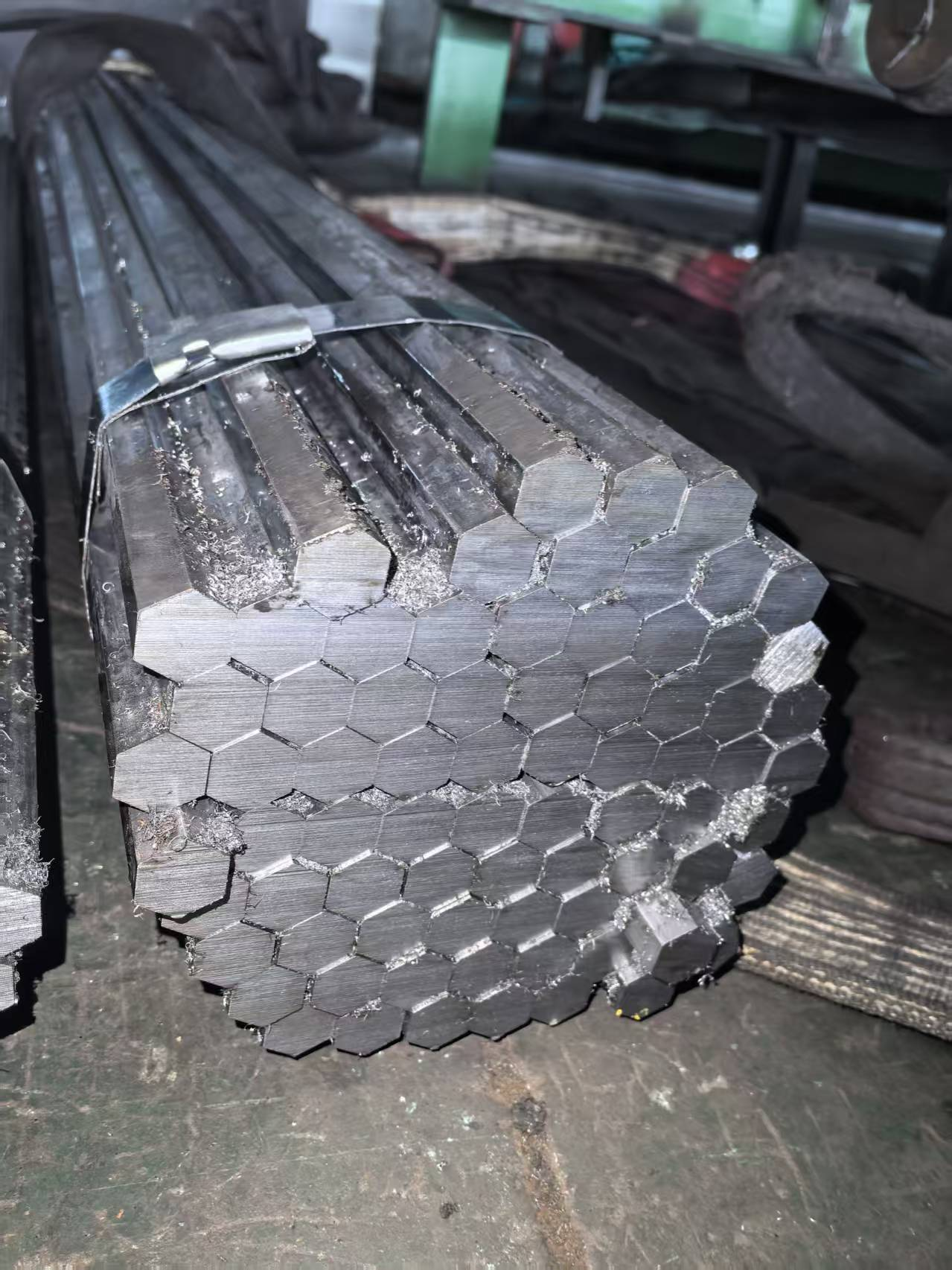
Tensile and yield strength of the material comply with ASME BPVC Section II Part D.
Concerning the pressure vessels, the carbon steel rods have some requirements to comply with the ASME Boiler and Pressure Vessel Code, in particular, Section II Part D which explains the mechanical properties for pressure containing parts. From the yield strength numbers, it is required to be a minimum of 205 MPa, or about 30,000 psi. Whereas, the tensile strength is less consistent, which can be anywhere from 380 to 485 MPa, or about 55,000 to 70,000 psi depending on the grade and temperature of the operation. The ASTM A36 carbon steel bar is explicitly cited in standards for applications where pressure is not greater than 300 psi. The bars meet standards, and also provide a good strength-to-weight ratio. Another important property is the elongation. If it remains over 20%, then the material is flexible enough to withstand pressure surges without failure. Keeping the hardness < 200 HB also helps to prevent loss of ductility fractures, which is a safety issue that is significantly important.
Touchstone toughness Specifications: Comparison of ASTM A516 Grade 70 and low temperature service requirements
Considering the nature of carbon steel and its ductile-to-brittle transition temperature, degrees, impact toughness becomes a critical consideration. Take ASTM A516 Grade 70 as an example. It is a material that is often used for welded vessel plates. A515 Grade 70 is required to only have a 20 J requirement for Charpy V - notched testing at around minus 30 degrees Celsius. This requirement is adequate for chilled water applications. However, it is inadequate for applications that involve temperatures of approximately minus 45 degrees Celsius. -49 degrees. Interestingly, when studying the data of ASME section VIII and related to the mechanics of fracture, it turns out that carbon steel tends to performs less compared to austenitic stainless steel. This is approximately 40 to 50 percent less. In the real world, this means that Arctic pipelines and LNG storage facilities demand a minimum of 40 J performance. In this case, engineers generally are left with no choice other than to utilize nickel alloys of the type specified in ASTM A352 LCB/LCC or to provide some form of special stress relieving treatment post construction. This is a result of the fact that standard carbon steel bars possess no inherent capability.
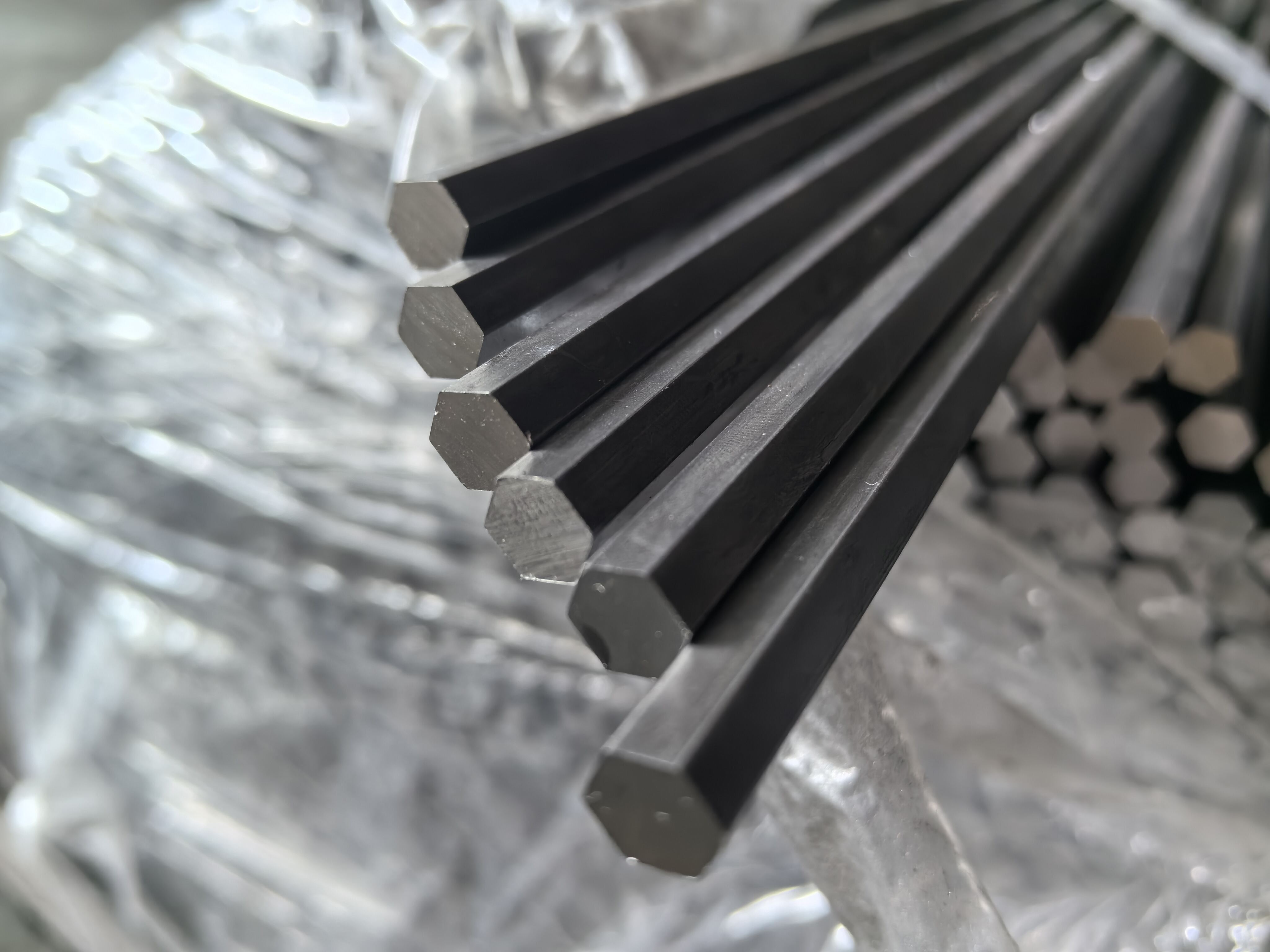
Of Pressure Vessels, Fabrication and ASTM-Approved Carbon Steel Bar Grades
Welded Carbon Steel Pressure Vessels: Tackles and attachments made of A516-70
A516-70 has all the right properties since the starting point yield strength is around 260 MPa (38 ksi). It has good weldability and reliable through thickness weldment toughness at moderate service temperatures, while also being at the right carbon level (less than 0.27%). This is helpful in preventing the formation of heat-affected zone (HAZ) cracks. It must be noted, however, that A516 covers only plates and not bars. Substituting carbon steel bars would be non-compliant unless the 'equivalent' bar grade is specified. When it comes to bar forms used for pressure-retaining applications, there are other ASTM standards. These cover the mechanical and chemical balance requirements.
When to Avoid Using ASTM A106 and A29 Bars for Structural and Cylindrical Applications
While ASTM A106 seamless pipe can be quite effective for the high-temp cylindrical components seen in nozzles and similar products, the product’s poor, inconsistent chemical structure, and lack of requisite impact testing means that it simply can’t be used to replace the structural bars in primary pressure retaining applications. Consider, for example, A29 grade 1045. This grade is for typical structural applications, but the grade does not have a defined minimum yield strength, and as a result, it could potentially have quite low yield strength in the ductile region, thereby leading to structural failure at the worst possible moment. These two specifications also lack the chemical composition, impact testing, and record-keeping requirements of the ASME BPVC Section VIII. Therefore, when it comes to non-cylindrical pressure retaining components, ASTM A696 carbon steel bars shall be used. These bars have increased chemical composition requirements, proven impact resistance, and the test results demonstrating that the bars can be fabricated into the necessary fittings that are so important in our world.
Corrosion Behavior and Environmental Constraints for Carbon Steel Bar
Vulnerability to wet H₂S cracking, chloride pitting, and mitigation strategies
Pressure vessels containing wet hydrgen sulfide (H₂S) and chloride are extrememly damaging to carbon steel bars and cause rapid deterioration of the metal. While in service, steel becomes prone to a phenomenon called sulfide stress cracking. During sulfide stress cracking, hydrogen (H) is absorbed into the metal and the steel structure. This problem is even more accentuated with increases in steel hardness (greater than 22 HRC on the Rockwell hardness scale). The presence of chlorides creates electrochemical cells (or small pitting corrosion) on the surface and stress concentration points, which significantly increases the rate of crack propagation. Because of this, engineers should select materials with hardness levels lower than the 22 HRC value prescribed in the NACE MR0175 and the ISO 15156 standards. Protective coatings (e.g, thermal sprayed aluminium and epoxy) should also be applied. Consideration should also be given to Cathodic protections systems. Control systems designed to eliminate H₂S, lower levels of pH, and corrosion inhibiting materials are all means of controlling environments. From a design perspective, the elimination of “dead legs” and spaces in which water can be retained is prevalent in preventing failures due to corrosion.
Reducing Carbon Content in Carbon Steel Bar and Its Effect on Weldability, Fabrication, and Post Weld Heat Treatment
How does carbon reduction and its impact on the Heat Affected Zone (HAZ) and Post Weld Heat Treatment (PWHT) requirements?
When integrating carbon steel with other elements for the construction of pressure vessels, the level of carbon (C) is critical in defining the ease of welding. At C levels above 0.25% there is an increased risk for the heat affected zone (HAZ) to develop undesirable properties making the zone susceptible to cold cracking post-weld. Remaining at less than 0.25% carbon is generally favorable for welding as it allows for better arc stability, reduction in preheating requirements, and greater flexibility in regards to the welding procedure qualifications. Per the ASME BPVC Section VIII Division 1, if any section is equal to or exceeds 38 mm in thickness, it is a requirement to perform Post Weld Heat Treatment (PWHT). This is a procedure to remove residual stresses induced from the welding process and to regain a level of ductility that is necessary in components experiencing cyclical loading or components with a high integrity operating condition. Typical PWHT is performed by heating to a target temperature of 600 to 700 ◦C for 1 hour for every 25 mm of specimen thickness and, prep heating to prevent thermal shock is a requirement prior to the PWHT to avoid any undesirable preheating to avoid thermal shock.
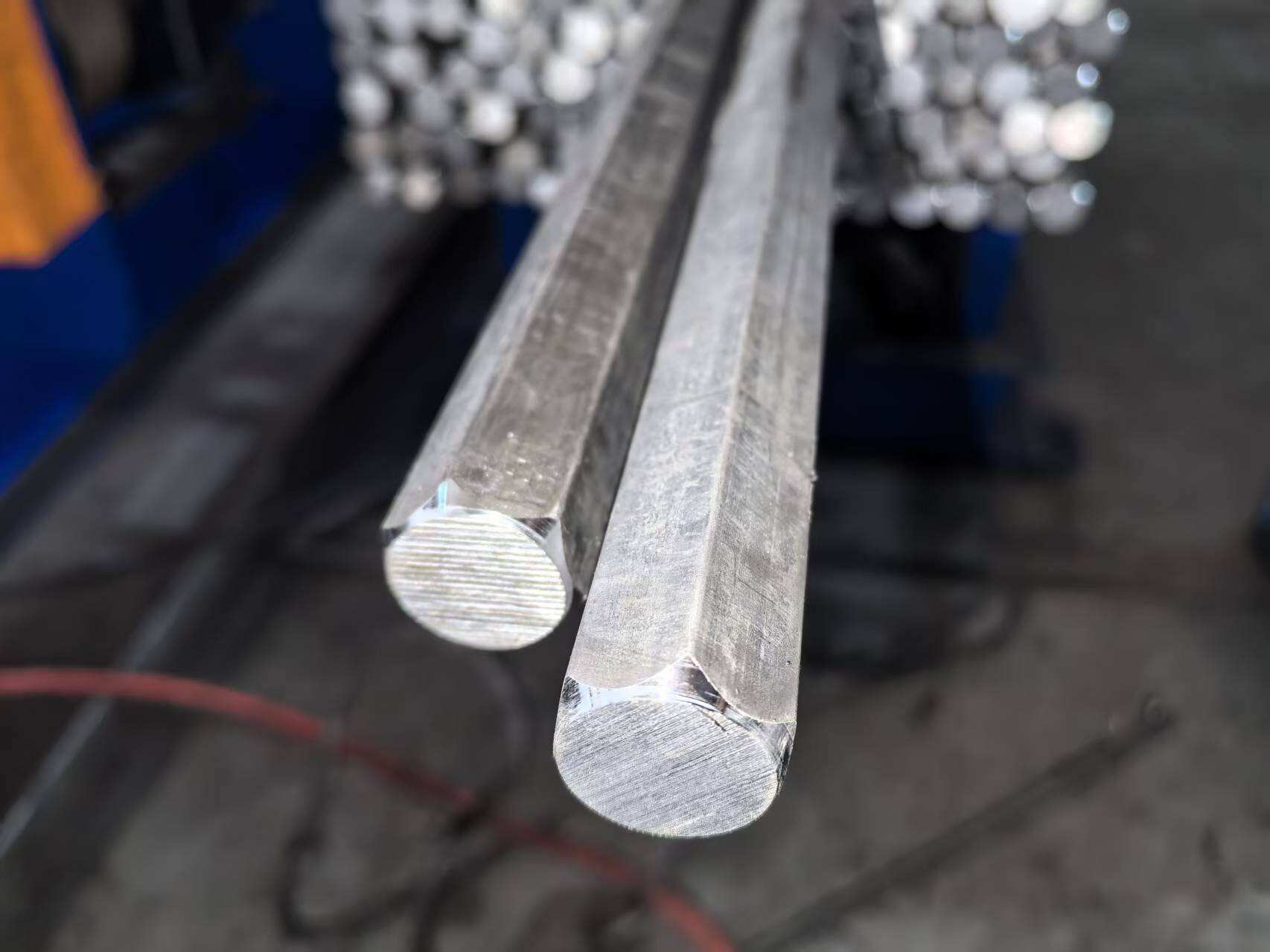
Correctly following these steps ensures everything remains dimensionally stable and that the structure remains dependable over time without a large impact on the rate of production.
What is the minimum yield strength for the carbon steel bars used in pressure vessels?
The required minimum yield strength is 205 MPa or 30,000 PSI.
Why is ASTM A516 Grade 70 the material of choice for welded carbon steel vessel parts?
Because of its balanced set of characteristics including minimum yield strength of about 260 MPa, good weldability and good toughness.
What are the effects of temperature on the impact resistance of carbon steel?
Cold temperatures will reduce the impact resistance of carbon steel, making it perform worse than austenitic stainless steels.
What are the ways of controlling corrosion in carbon steel bars?
Using materials of hardness less than 22 HRC, protective coatings, cathodic protection, and controlled environment.
What is the importance of carbon content in the welding of carbon steel bars?
If the carbon content remains below 0.25%, it will promote stable arc during welding, reduce the necessity of pre-heating and the steel will be less prone to cold cracking.
Table of Contents
- Tensile and yield strength of the material comply with ASME BPVC Section II Part D.
- Welded Carbon Steel Pressure Vessels: Tackles and attachments made of A516-70
- How does carbon reduction and its impact on the Heat Affected Zone (HAZ) and Post Weld Heat Treatment (PWHT) requirements?
- What is the minimum yield strength for the carbon steel bars used in pressure vessels?