
 EN
EN
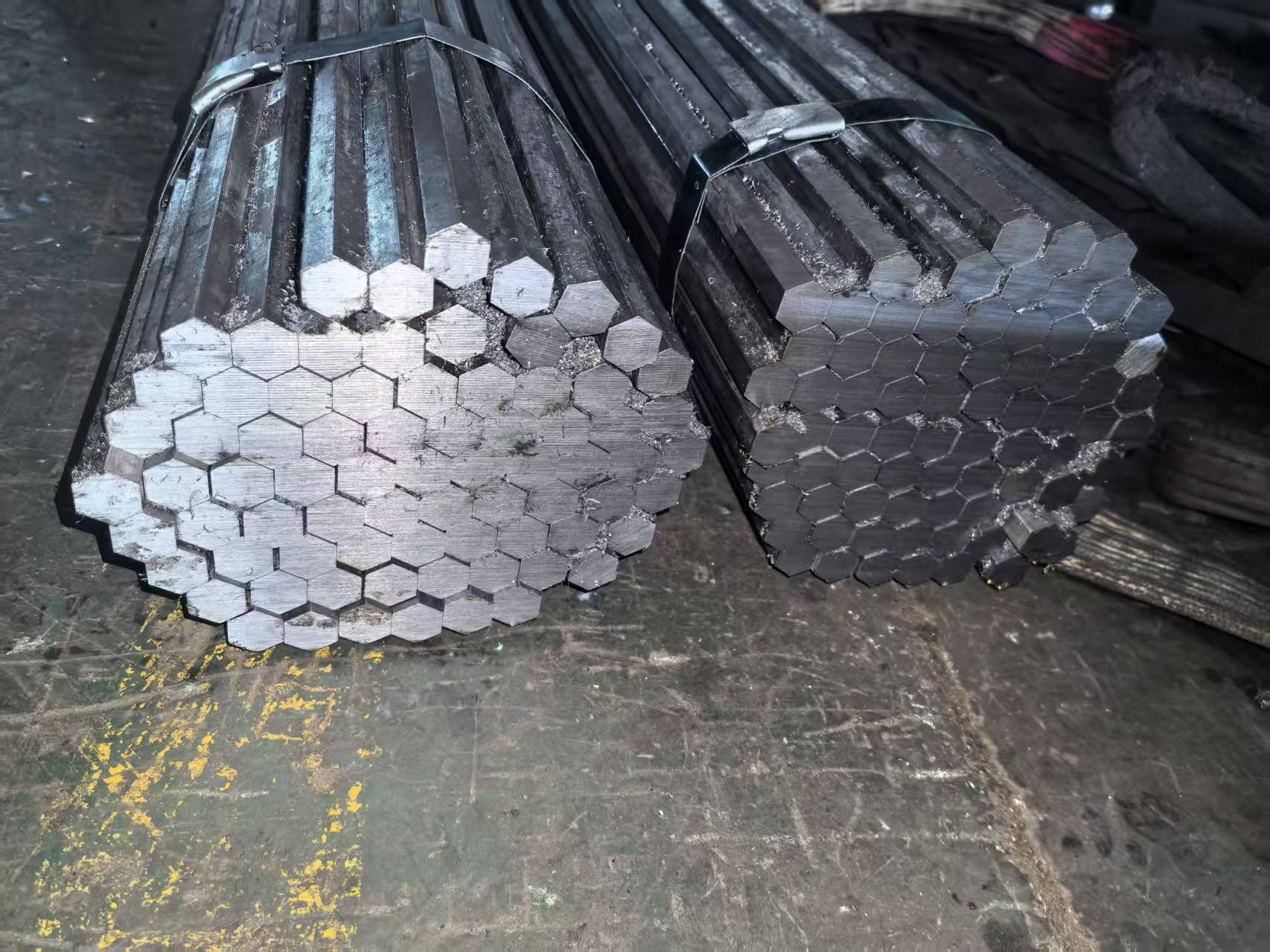
NEC Compliance and Code Acceptance of Flat Steel Bar for Grounding
NEC Articles 250.52 and 250.64: When Flat Steel Bar Qualifies as Grounding Electrode or Conductor
The National Electrical Code (NEC) presents specific dimensional, material, and installation criteria for grounding systems that include flat steel bars. For instance, Article 250.52(A)(7) identifies flat steel bars as grounding electrodes if low carbon steel bars are placed in a horizontal position above or below the frost line. To use these bars as grounding conductors, Article 250.64 specifies requirements for mechanical protection, size, and status of the components. Not adhering to these requirements can create an increase in the grounding system impedance between 40-70%. This increase can result in a number of issues such as a failure in ground fault detection and failure of the equipment. This is the main reason for the NEC Handbook 2023 to provide the details to the electricians.
Minimum Size Requirements per NEC Table 250.66: Dimensions, Thickness, and Burial Depth for Flat Steel Bar
Coated steel bars must have specified dimensions for post galvanization. The loss of coating should not result in material steel reduction below the standards for safety. Metal bars less than 5.0 pH levels in soil will see thinner metal bars corrode almost three times faster than standard bars per IEEE Std. 80-2023. The accelerated corrosion poses a dangerous aspect of the fault current management in the system. In areas where soil is too rocky for complete burial, field crews must document any and all extra measures taken, including installing more corrosion resistant layers, additional grounding, etc. In these cases, additional measures must be approved by the Authority Having Jurisdiction.
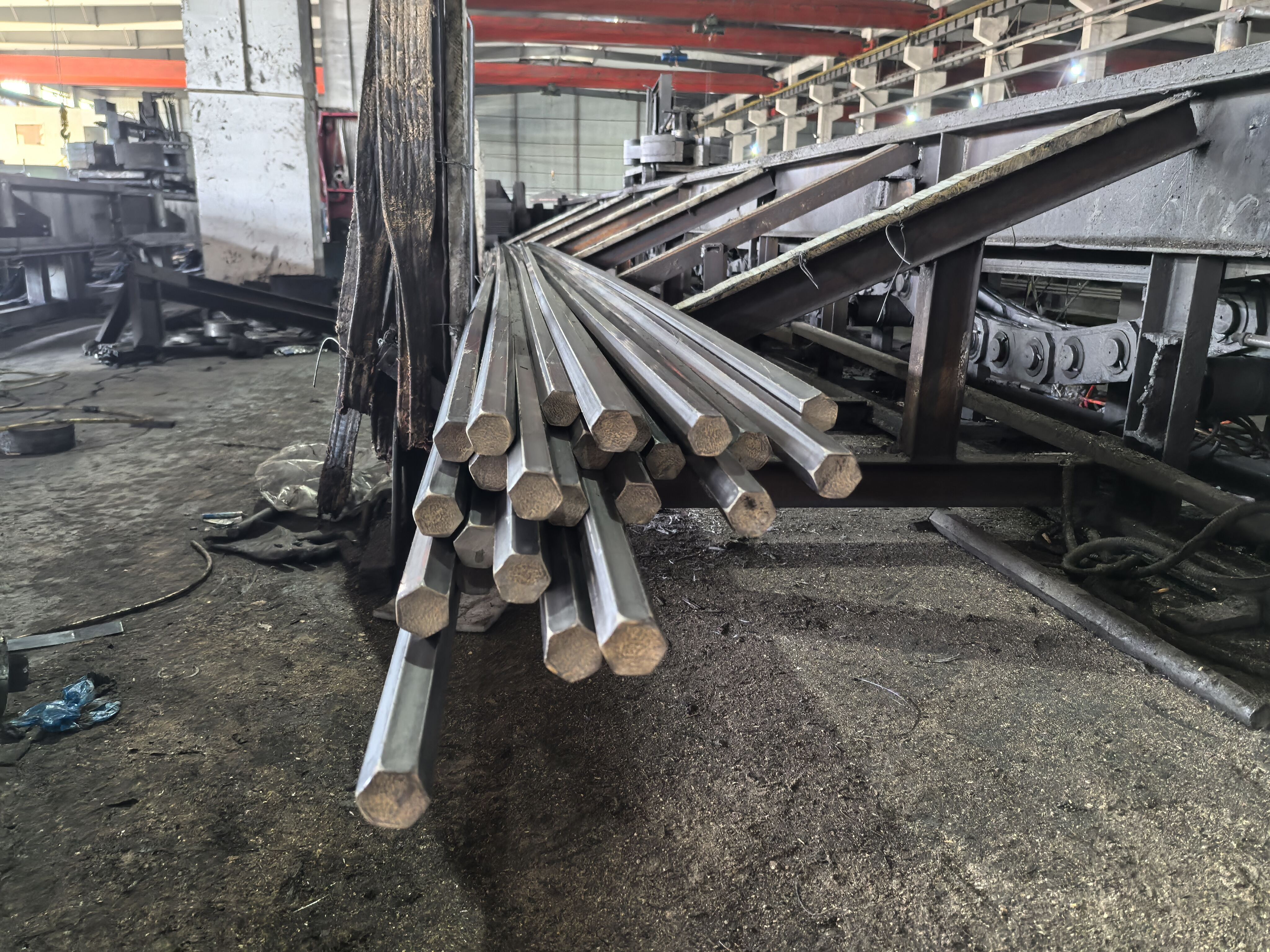
Corrosion Resistance and Lifespan of Flat Steel Bars for Grounding Applications
HDG Flat Steel Bar: ASTM A123 & 30–50 Years Corrosion Resistance in Typical Soils
Grounding systems with hot dip galvanised flat steel bars compliant with ASTM A123 standards have performed successfully in various field tests. The zinc coating acts as a barrier for soil corrosion, and takes the corrosion hit first to protect the underlying steel. Independent tests show that these coatings are at least 85 micrometers thick, which is the required thickness for 30 to 50 years of protection in soil with pH of 5.5 to 8.0 and resistivity above 1,000 ohm centimeters. Matrix test results for extreme conditions indicate that the material remains intact after the equivalent of 1,500 hours of salt spray, which is about 20 years of coastal exposure. Effective installation of these hot dip galvanised steel bars ensures the grounding systems maintain a resistance of less than 25 ohms throughout their entire lifespan, and satisfy the requirements of IEEE 80 standards for safety.
The Degredation of Bare and Galvanized Flat Steel Bars in Coastal and Arid Environments
Permanent grounding infrastructure is subjected to environmental stressors, starting with corrosion in grounding systems. Stressors such as moisture and and temperature fluctuations and corrosion cause galvanizing to become increasingly important.
Coastal and Arid Environments
Unprotected steel in coastal areas tends to rust at a rate of about 1.5 mm per year as a result of chlorides, moisture, and temperature fluctuations. 30+ years is expected in Arid areas with less than 15% of the coating (zinc) lost, while galvanized (coated) steel bars are estimated to last approximately 30 years in Arid areas.
Plain steel surfaces will eventually become pitted. Steel that is uncoated will be pitted much faster than steel that is coated. Galvanized (zinc coated) steel maintains about 98% of its conductivity after about 10 years.
Testing of various vegetation and soil conditions across several geographic areas shows the engineers' assumption that galvanized coatings double to triple the lifespan of metal components in harsh conditions is correct.
This is important for reliable electrical connections and systems for safety compliance without maintenance hassles.
Use of Flat Steel Bars in Grounding Systems of Buildings
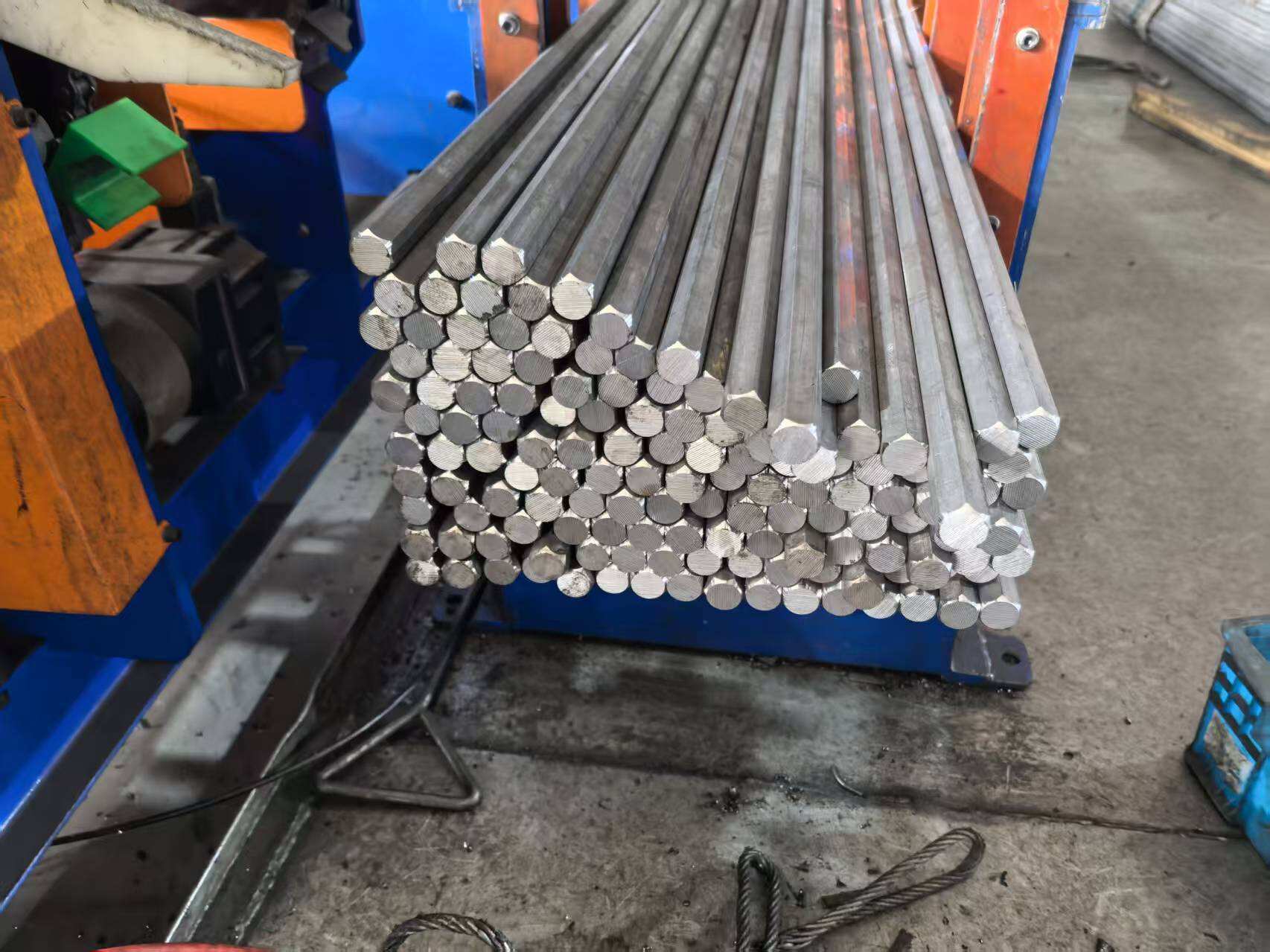
Residential and Commercial Applications: Main Bonding Jumpers, Ground Busbars and Electrode Interconnections
Flat steel bars are used in virtually all types of construction, since they are mechanically superior, easy to terminate, and are cheaper than most alternatives. In residential construction, they are often used as the main bonding jumper that connects service equipment to the grounding electrodes. This is especially critical when multiple grounding rods are required to achieve the 25 ohm resistance target mandated by the IEEE 142 standards. In the case of commercial structures, the flat profile is useful in serving as ground busbars in switchgear and panel boards. The flat profile also allows electricians to install these in narrow areas while still providing the needed grounding bus bar areas to where a large number of ground connections are to be made. flat steel bars are also good when used to interconnect various types of grounding electrodes. This includes ground rods, concrete encased Ufer grounds and even the metal water pipes that some people refer to as "old ground". The interconnection of these electrodes is what is commonly referred to by electricians as a "low impedance" system which is so much better than treating them as separate components of the system.
Coordination with the AHJ, Ensuring Low-Impedance Connections, and Avoiding Mechanical Damage
There are a few basic things to get started with, Constructed below a depth of 750mm, or 30inch, using the NEC as a guide, place exposed flat steel bars. This minimizes the effects of accidental excavation, and keeps the bars from experiencing temperature related issues. For connections to electrodes, busbars, or other equipment, use only code approved connectors, such as UL listed lugs or exothermic welds, as they promote electrical and thermal continuity, and reduce resistance. For soil conditions that are outside the normal range, hot dip galvanizing becomes a necessity. In particular, if the soil pH is < 5.0 or > 10.0 or soil resistivity is < 1,000 ohm cm, galvanizing is required to meet ASTM A123. It is also a good idea to contact the Authority Having Jurisdiction (AHJ) to determine if special requirements apply to the project location, such as moisture, coastal, or chemically corrosive soil conditions. These conditions may require additional testing, coating, and/or quality control measures.
FAQ
1. What do flat steel bars do in grounding systems?
Flat steel bars provide grounding electrodes that help dissipate fault current into the ground safely and effectively.
2. Flat steel bars are galvanized. Why is this done?
Galvanizing provides steel bars with a protective zinc coat. This increases the resistance of the bars to rust and corrosion. This is very important in environments that are coastal or very dry
3. How do flat steel bars meet NEC requirements?
Flat steel bars should be installed at least 750 mm or 30 inches underground. The bars should also have shielding with a solid metal cover to avoid corrosion. Abrasive mechanical connections along with UL lugs or exothermic welds should be made to the bars.