
 EN
EN
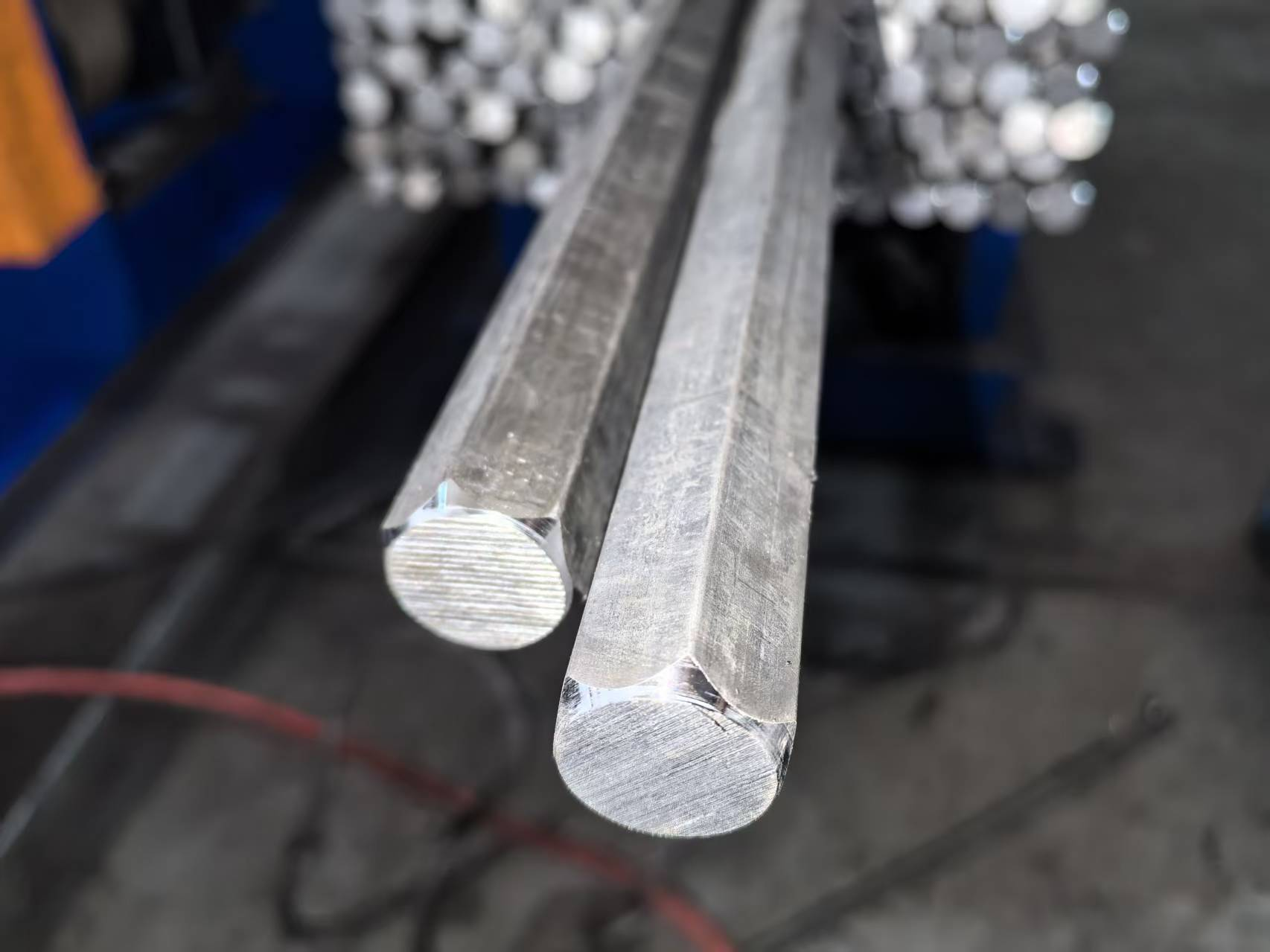
Engineering Logic of the Hexagonal Cross-Section
Symmetry for Equal Torque Distribution and Optimal Wrench Interlock
Hex bolts are designed with six sides to optimize their mechanical functionality. The symmetrical shapes mean that torque wrenches can make contact with the bolts at 12 positions and easily turn the bolt in either direction. This mechanical functionality is precisely why five-sided bolts and square nuts are considered inferior. The 120-degree internal angle design of hex bolts facilitates even load distribution, minimizing the risk of tool breakage and bolt stripping. Recent studies conducted with advanced computer modeling quantify a 40% reduction of stress in symmetrical designs compared to their asymmetrical counterparts. This even distribution of stress in the bolt reinforces the integrity of the joint, as documented in the 2022 Materials Engineering journal.
Balanced Load Distribution Along Flats and Corners Under Shear and Tensile Stress
The hexagonal shape actually distributes stress better for pulling and lateral type loads. When a hex bolt is pulled, the load is distributed in all six directions from the center, which is beneficial in preventing the initiation or propagation of cracks. For lateral loads, the corners act like miniature struts while the flats resist being pulled apart. This design allows hex bolts to perform better with dynamic loads or vibrations, with roughly a 25% improvement over octagonal bolts in industrial machinery tests. In addition, hex bolts are also less likely to deform when high clamping forces are applied and more resistant to stay intact throughout thermal cycling. For these reasons, many industrial manufactures continue to prefer hex bolts for safety critical applications.
The performance of hexagonal steel materials compared to other grades in the industry
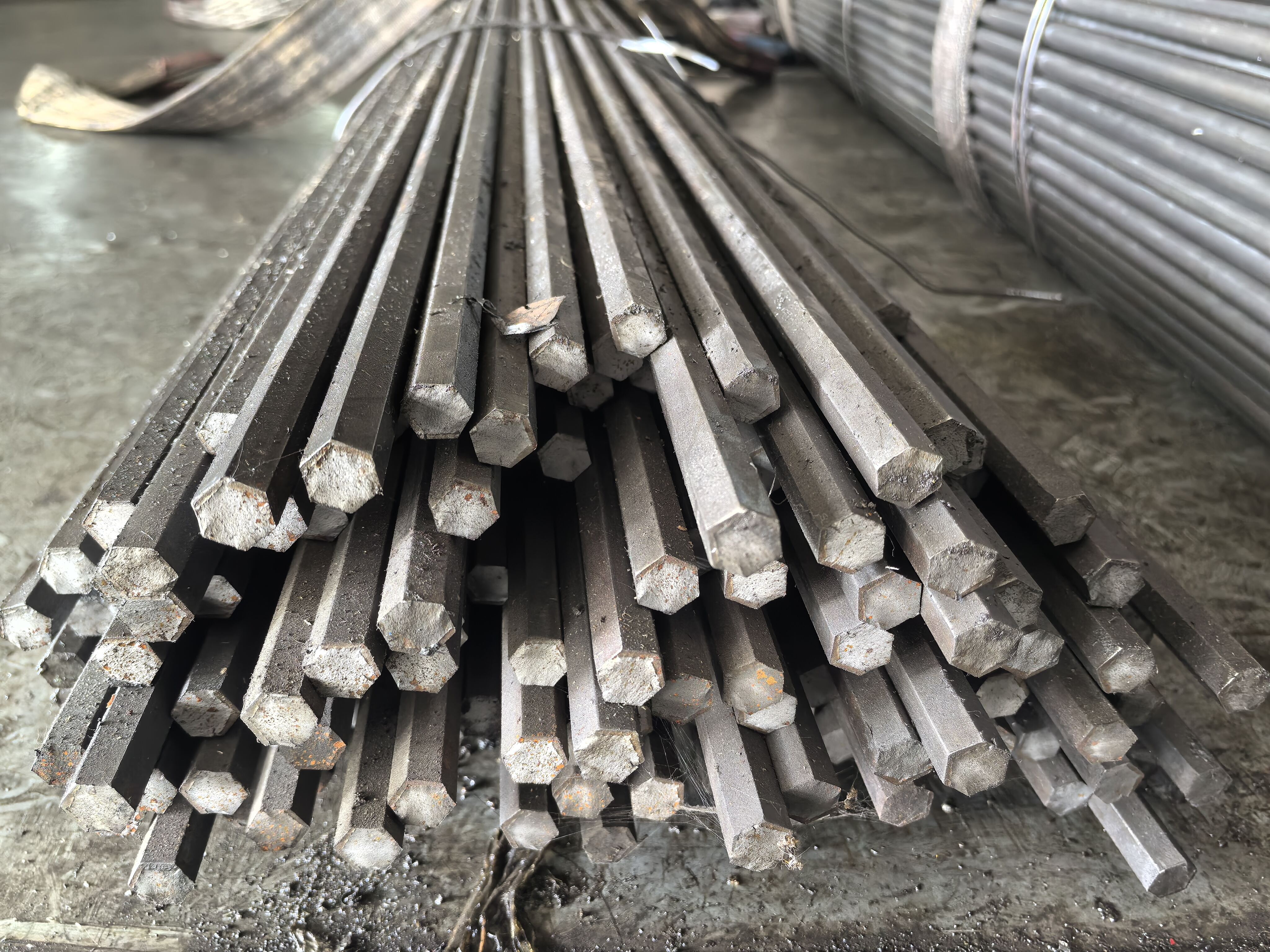
Carbon and Alloy Steels: Remarkable Tensile Strength and Fatigue Resistance for Static and Dynamic Loads
Carbon steel hex bolts are stronger than most other competitors (greater than 120 ksi) and conform to the ASTM A325 standards. Because of their strength, they are required for the construction of tension structures such as bridges. The addition of chromium and molybdenum to the steel, and the creation of alloy steels, easily elevates that strength to greater than 150 ksi. This range of strength is also significant in the construction of a vehicle, as the components of the engine are subject to a constant and repetitive cycle of vibration and wear for millions of iterations. The manufacturing process of these bolts is designed to produce a uniform microstructure, and that is the key to achieving a balanced load distribution across the six faces of the bolt. This is a feature that stresses engineers, as the balanced load distribution contributes to the prevention of warping and breaking of bolts during installation and throughout the operation.
Stainless Steels, Super Duplexes, and Titanium Hexagonal Bolts: Steels With Corrosion Resistance and Structural Integrity
Chlorides at concentrations of around 500 parts per million can be withstood by 304 and 316 grades of austenitic stainless steels that comply with ASTM F593 standards. This property makes these steels particularly suitable for marine environments. The majority of fastener problems in marine environments arise from continual exposure to salt water. Super duplex hexagonal steels contain about 25% of chromium and 7% of molybdenum. This combination results in a pitting corrosion resistance of 3 times compared to regular stainless steels. Titanium hexagonal bolts for aerospace applications are also a viable alternative. Under a tension force of 160 ksi, these fasteners remain stable, and their weight is around 50% of that of steel parts. For aerospace applications, both high strength and low weight materials are required, and titanium can be used to meet both of these criteria. Qualification tests have shown that these materials are effective following thousands of hours of exposure in a salt spray chamber.
Real-World Validation: Where Hexagonal Steel Fasteners Deliver Reliability
Performance Over Time: Construction, Automotive, and Marine Applications
When it comes to critical connections, there is no room for error, and hexagonal steel fasteners are the first choice. Skyscrapers rely on these fasteners, as their six-sided heads allow for even distribution of load across a joint. Consider ASTM F3125 Grade A490 bolts, for example, which can withstand shear forces of over 150 ksi in earthquake testing; this was the finding of research done by ASTM International last year. Automotive engineers also have to rely on bolts that are high quality enough to withstand the vibrations of an engine. According to research done by the NHTSA, bolts that are able to maintain a high level of fastener retention are able to reduce the number of failures of parts by 12% under high vibration conditions. Marine engineers, on the other hand, use stainless steel equivalents such as ASTM A193 Grade B8M. These bolts maintain almost 98% of their strength even after being submerged in saline for five years, and they also do not suffer from crevice corrosion, which is a fastener corrosion phenomenon. These real life examples explain why hexagonal steel fasteners are a key construction material in the industries rust is a concern and structural strength is of utmost importance.
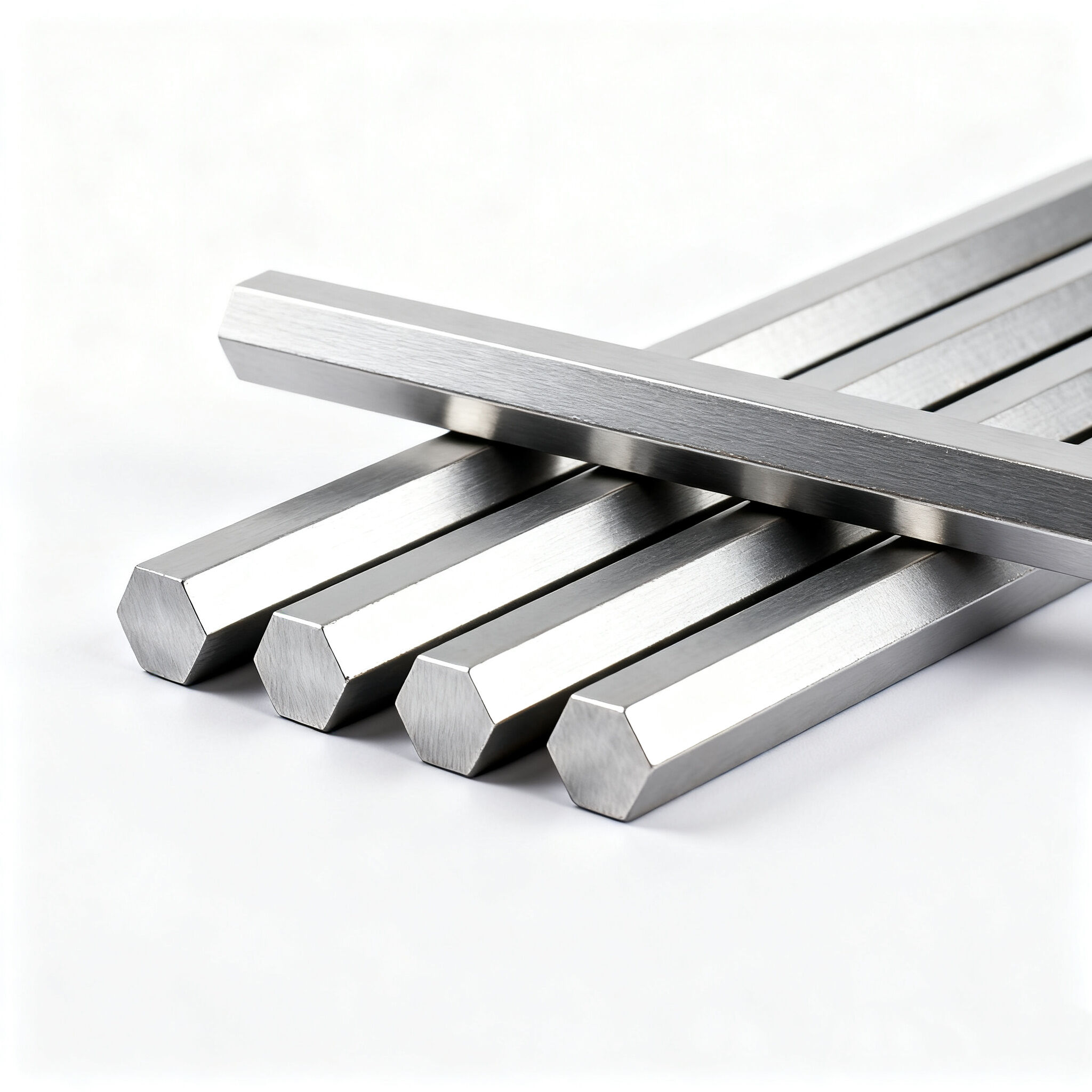
Why choose hex bolts instead of square or five-sided nuts?
Hex bolts have twelve contact points, allowing for a better grip and turn without slipping. Square bolts and five-sided nuts only have a fraction of that.
What are some materials used for hexagonal bolts?
Hexagonal bolts are used with carbon and alloy steels, stainless steels, super duplex steels, and titanium for differing applications based on corrosion resistance, weight, and other factors.
How are stresses distributed by hex bolts?
The hexagonal shape allows for an even distribution of stress that resists cracking and improves shear and tensile stress management.