
 EN
EN
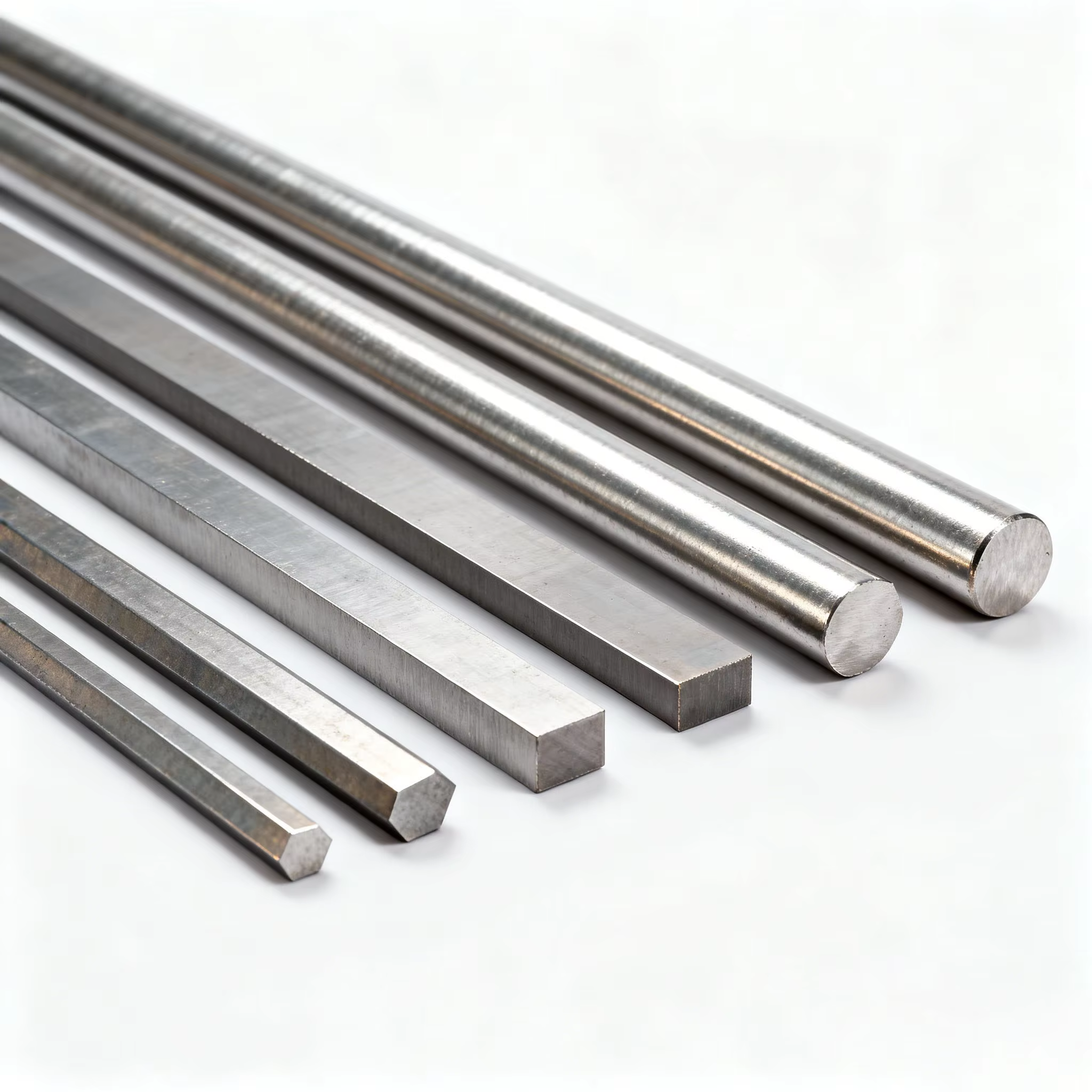
Exceptional dimensional accuracy and tight tolerances are obtained from cold rolled steel.
Achieving Tolerance Consistency of ±0.005"
During cold rolling steel, temperature is maintained at room temperature while it is compressed using rollers. This helps eliminate thermal expansion to provide parts that remain the same in size to a precision of 0.005 inches. Consistency in steel flow and compression within the same limits is achieved, unlike hot rolled steel where the flow and compression of steel are uncontrolled and are susceptible to thermal structural changes. Cold rolled products are preferable in the aerospace and medical device industries where measurements are required at the microns level to avoid the grain structure problems related to high temperature transformations. In addition, strain hardening increases the ability of a product to retain its formed shape during subsequent manufacturing operations.What makes Hot Rolled Steel incompatible with ISO 2768-fine Precision Stamping requirements?
Hot rolled steel achieves its alloying and welding purposes by passing through rollers exceeding 1700 degrees Fahrenheit. Due to the extreme heat, the steel develops surface defects (scaling) and cools unevenly, causing it to contract unevenly. This causes the rolled steel to have dimensional deviations that fail to meet the ISO 2768-fine standard of plus or minus 0.03 inches. Along with surface defects, the steel will have internal stresses that cause the steel to warp and refine the internal grain structure. This causes the stamping dies to wear more quickly and cause the precise dimensions of the stamped parts to vary. Due to these issues, manufacturers have to perform additional machining work on roughly 75% of the precision parts. 2023 industry data indicates that the additional machining work results in approximately 40% higher production costs than the costs associated with using cold rolled steel.
Maximum surface quality enables clean forming and longer tool life.
Thanks to cold rolling we can achieve super smooth surfaces to even Ra < 0.8 microns, which makes the difference when it comes to precision stamping. The reason is the surface flatness. With such a smooth surface, friction is considerably reduced (if not eliminated) when the metal comes into contact with the die during the forming process. Consequently, the tool material experiences much less wear. For example, some shops claim that their dies last up to 40% longer when using cold rolled steel, as opposed to when using hot rolled steel. The absence of micro bumps and grooves means that material will not get stuck and gall against the die. Because of the smoothness of the surfaces, shops experience an increase of up to 30% in productivity as the smooth material leads to a significant reduction in scrap. When it comes to large production batches, the surface quality becomes even more critical in order to maintain the desired tolerances, especially when it comes to the high quality requirements that precision manufacturers operate with.
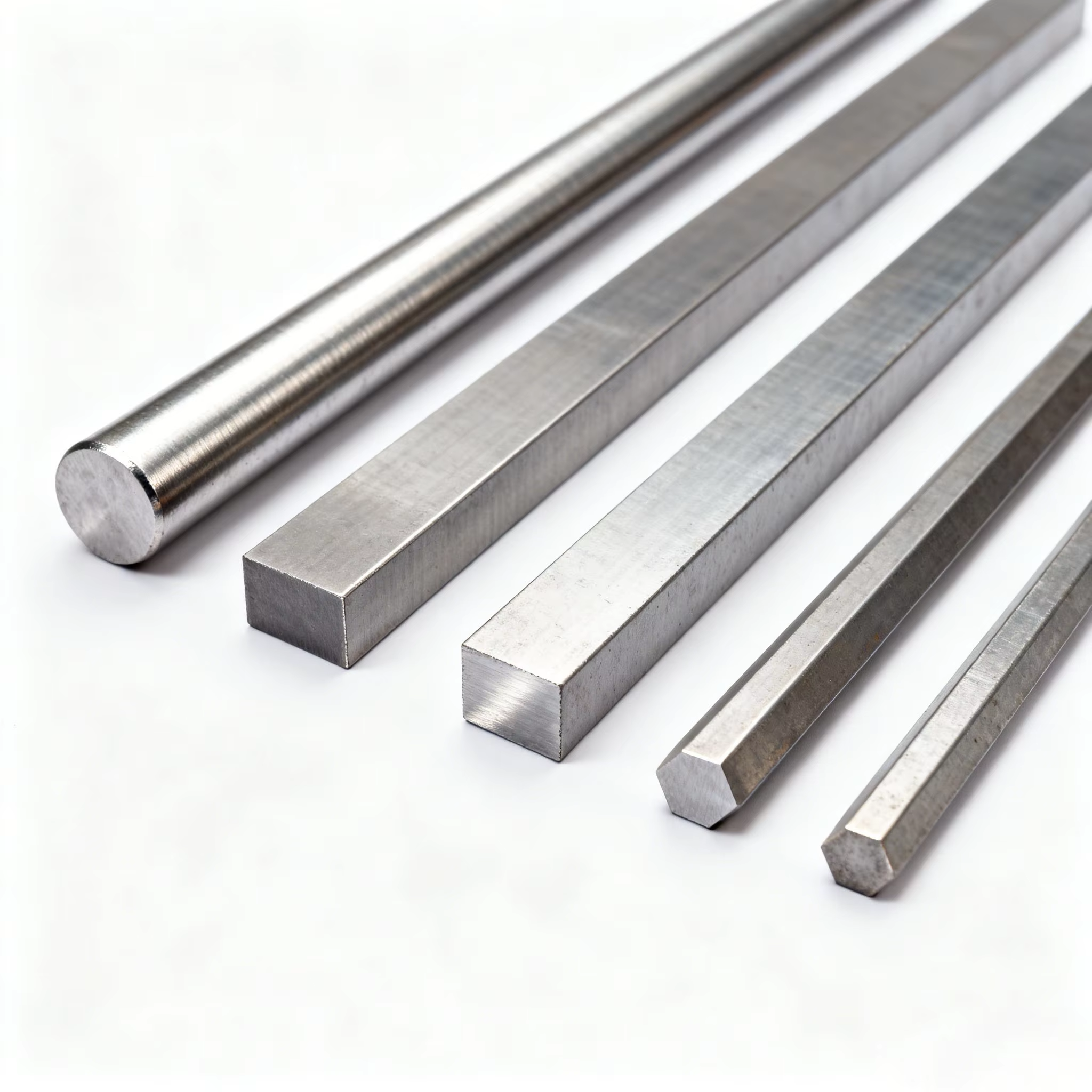
Ra < 0.8 µm Finish and Its Direct Impact on Die Wear and Scrap Reduction
Cold rolling eliminates the thick and brittle mill scale that adheres to hot rolled steel, resulting in nearly mirror-like scale-free surfaces. These surfaces need to reach an Ra value of less than 0.8 microns for specific applications. In sheets with this kind of finish, lubricants can create a true barrier between the metal and die face, unobstructed by residual scale or deep surface grooves that hold and disrupt the lubricant distribution. So what happens? Friction is significantly reduced, material flows more easily and tools are subjected to less stress. Also, there is a notable decrease in the number of parts scrapped due to scratch, tear, and surface defects. Current industry trends show that manufacturers working with smoother starting surfaces enjoy more die longevity and reduced tooling costs per number of parts manufactured.
Scale-Free Surface Improves Lubricant Adhesion and Deep-Drawing Results
There are great advantages aside from being smooth. Cold rolled steel's surface is also free from scale and works better with lubricants than many other options. In cases of hot rolled steel, the lubricant tends to get trapped in the scale valleys or fall away when the oxide layer is removed. In the case of cold rolled steel, the lubricant adhesion is uniform across the surface. This creates a stable lubricant film that is very beneficial in deep drawing processes. Metal-to-metal contact is reduced, galling and tearing of metal components is reduced, and the overall ability to deep draw, increase the complexity of the features, and increase the speed of the operation is achieved. The surface finish and dimensional tolerances are preserved. Also, the uniform lubricant adhesion reduces the control of springback, improving the dimensional accuracy and consistency of the produced stamped components.
Strength, Formability, and Temper Grade Control Customized Mechanical Properties
Complex Geometry and Springback Control Cold Rolled Steel from Quarter Hard to Full Hard
Achieving stamping operational precision requires control of material properties, which is ideal with cold rolled steel given its multiple temper grades from quarter hard to full hard. Quarter hard materials with a yield strength of approximately 150 MPa are preferential for parts with extensive stretching during forming, particularly those with tight curves and sharp corners. Conversely, full hard materials with yield strength over 300 MPa are shown to reduce springback issues by 50% to 75% in flat parts where dimensions are critical. Moreover, because full hard materials have extensive features and end up cracked, finding the “sweet spot” is critical. In mass production of thousands of pieces, cold rolled steel is exceptionally reliable because of the consistent microstructure that allows tolerance to be maintained at ±0.2 mm.
Choosing the right temper grade in advance can prevent time-consuming post-processing work and persistent springback issues throughout the production cycle. This is especially true for complex geometries, such as interlocking components or multi-axis bends.
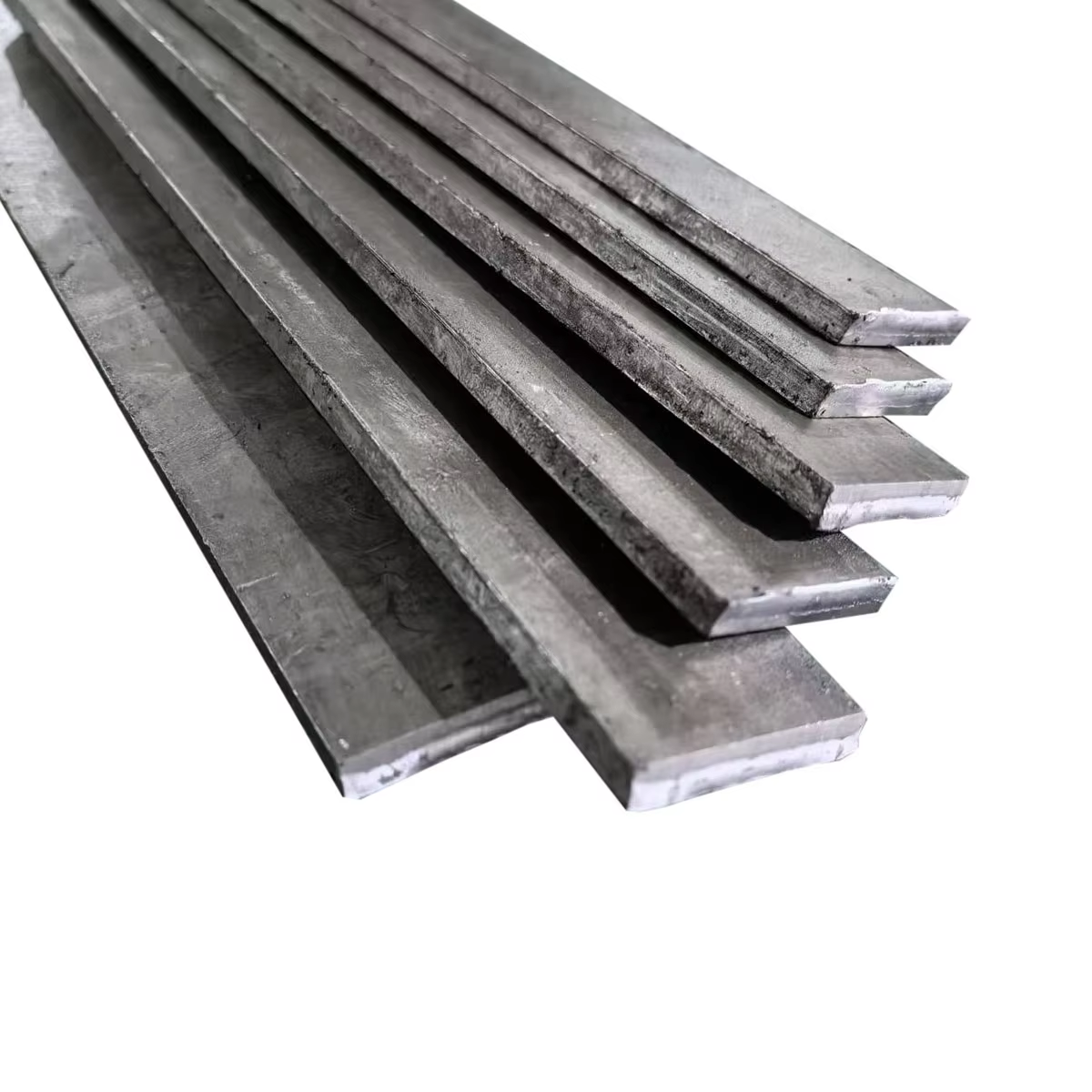
Industry Utilization: Cold Rolled Steel Use In High Precision Stamping Example
Automotive ADAS Bracket Example: 92% - 99.3% Yield Using Cold Rolled Steel
An automotive components manufacturer experienced great improvement after transitioning to cold rolled steel for the production of ADAS sensor brackets. These safety components need to adhere to a tolerance of ±0.1 mm clearance. Before this transition, the manufacturer had challenges with the use of hot rolled steel. Due to dimensional errors and the formation of stamping surface defects (pits), they were losing 8% of the product as scrap. After this change, the yield increased to 92%. With the use of ASTM A366 cold rolled steel at quarter hard temper, they experienced a complete turn-around. This material has a very good thickness consistency of ±0.005 inches and a surface finish of Ra 0.6 micrometers (i.e. scaleless and without surface finish defects (microscale)). All of those springback errors and brittle failure of the material vanished.
After the final testing, the yield rate was recorded at an impressive 99.3%, meaning that the level of scrap was reduced by almost 90%. What this shows is quite evidently, that cold rolled steel is able to deliver both dimensional consistency and enhanced surface quality, enabling the production of nearly perfect components, for even the most critical safety related applications across the industry.
Frequently asked questions
Q: What is the main benefit of cold rolled steel compared to hot rolled steel? A: Because of the production process, which involves lower temperature rolling, cold rolled steel does not exhibit the grain related issues that hot rolled steel does. This leads to far greater dimensional precision and surface quality when the steel is cold rolled.
Q: What is the reason cold rolling is said to enhance stamping? A: Stamping is enhanced due to the lower surface roughness which ultimately leads to reduced friction, less wear on the stamping dies, and a reduction in scrap.
Q: Why is cold rolled steel preferred by manufacturers when it comes to parts that need precision? A: It is due to better retention of tolerances and a more uniform microstructure that cold rolled steel is able to be used to produce quality components that meet the requirements of numerous applications.