
 EN
EN
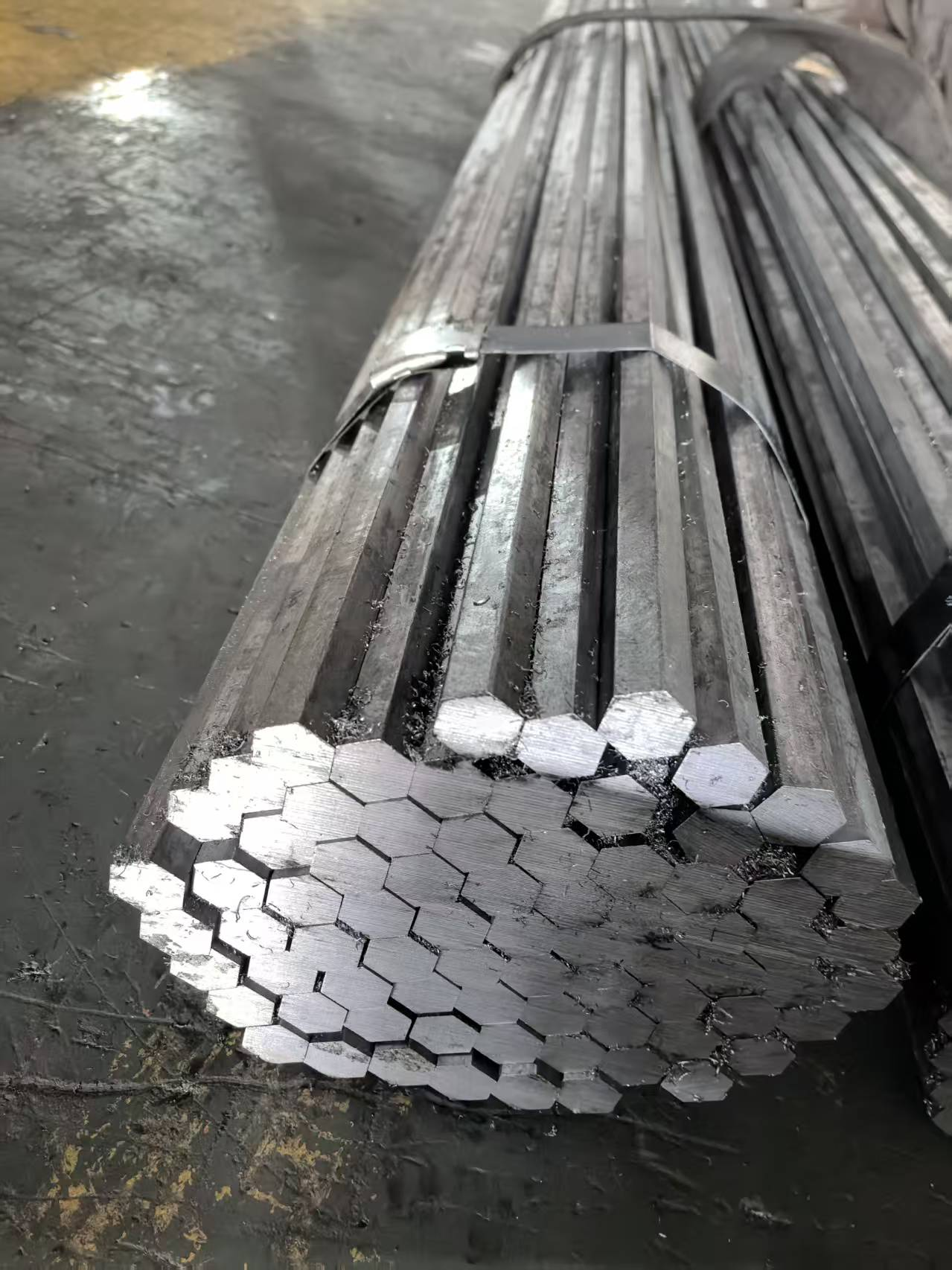
Structural Stability and the Effects of Geometry and Load
How the Cross Section Shape Influences the Resistance to Buckling and the Flexural Stiffness
When it comes to the stability of structural elements, the cross-sectional shape of steel bars is of considerable importance. Compared to circular bars of the same material, the cross section of the steel hexagonal bar increases their polar moment of inertia by approximately 15%. Because of this, they are superior in the preservation of stability in the presence of axial and torsional compressive stresses. Based on classical engineering models, under pure axial compressive stress, steel hexagonal bars can supposedly sustain approximately 8% more load before buckling occurs. The `angular` configuration of the hexagonal shape also assists in the even distribution of stress on the section of the beam `midspan`, which enables the beam to maintain its stiffness, and deflection is reduced. This is particularly true in beams that are used in critical structures where the reliability of the element is of utmost importance, such as beams in building frames and beam supports.
Euler Buckling Comparison: Hex Steel Bar vs Round Bar at Equal Cross-Sectional Area
Hexagonal bars are superior to round bars given identical cross-sectional areas because the mass is more evenly distributed around the axial center. According to industry-standard testing, these hex bars can withstand about 12\% more compressive load before buckling than round bars of the same 1 inch diameter. Why? The hexagonal bars enjoy a greater (better) radius of gyration, meaning the hexagonal bars can take more bending load before buckling occurs. When bending is present, the flat surfaces of the hexagonal bars are seen as more evenly distributed load-bearing surfaces. This provides a stronger member in the presence of less control over the load. In seismic applications, such uniformity in design helps to ensure that the structural response and, subsequently, the permanent deformations are as minor as possible.
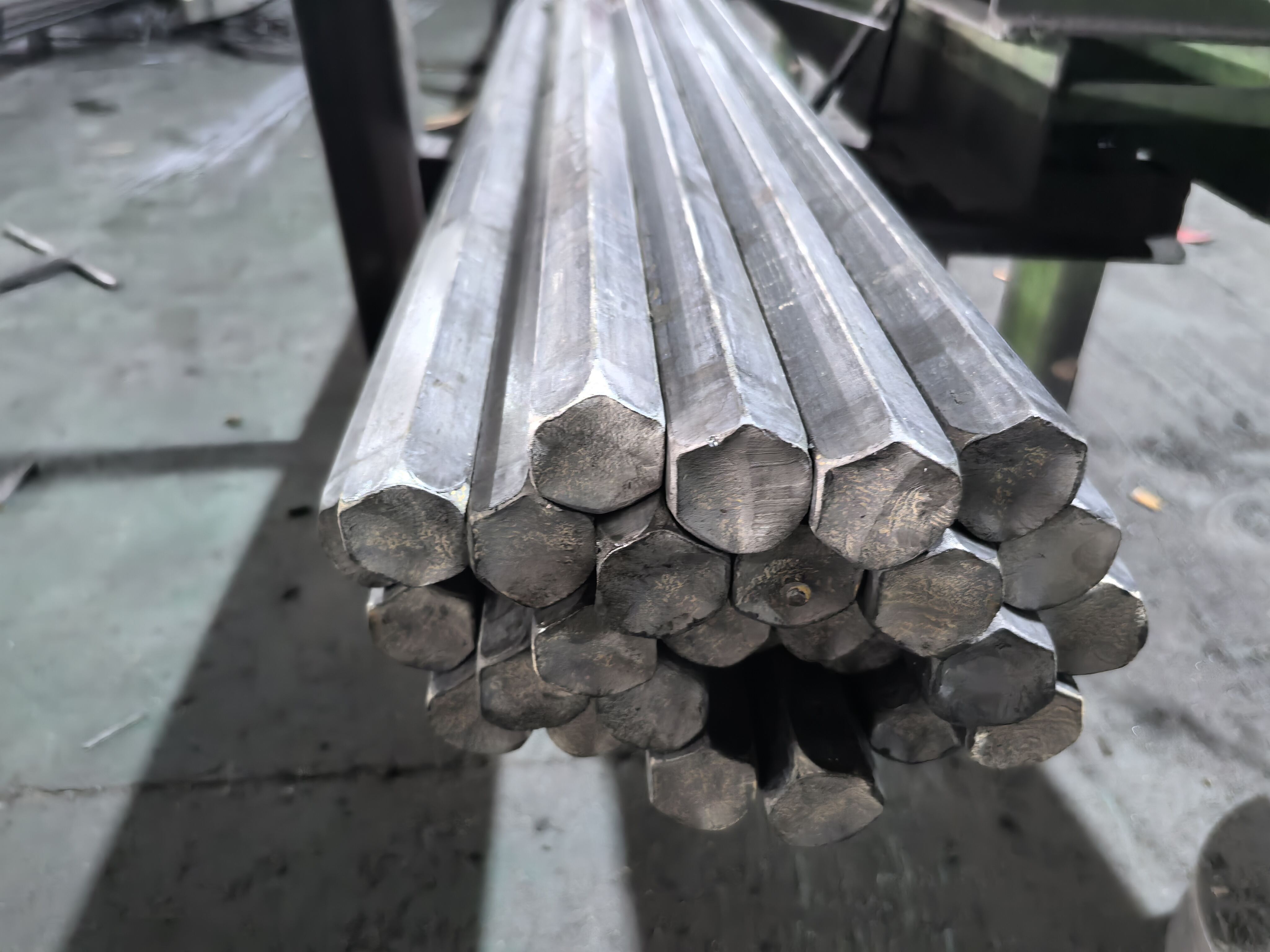
Torsional Stability: Why Hex Steel Bar Has Better Twisting Control
Polar Moment of Inertia and Warping Restraint in Non-Circular Sections
Bar stiffness is a measurable engineering property related to a specific geometric shape and material. A material's stiffness is partially defined by the shape's polar moment of inertia (J), which, in most instances, hexagonal steel bars outperform circular bars of the same cross-sectional area. Why is that hex bars perform better? Hex bars have a shape that encourages warping resistance. The flat surfaces of the hex shape will lock together and resist twisting, whereas the circular shape will allow free rotation about its length when a torque is applied. Though tube bars will warp and buckle, and will end up with a shear plane at their mid-surface, hex bars corner points will shear first creating a more stable section. In practical terms, these hex shapes can resist an additional 15, and often up to 20 percent, of applied torque before permanent deformation occurs. This is precisely why engineers specify hex bars for applications like axial bolt connections, and in most cases, any parts where precise rotational control is needed in a drive system.
ASTM A108 Test Study: Torsional Rigidity & Comparison between 1" Equivalent Hex Steel Bar & Round Bar
The unique design of hex bars with flat faces creates resistive points of natural shear stress and improves elastic deformation. In applications involving power transmission, precise control of rotation is critical, as even small angles of twist can lead to misalignments, energy losses, or complete system failures.
The Benefits of Hex Steel Bars in Machining Components Stability, Fixture Gripping, and Vibration Isolation
Solid Example of Mechanic Interlock with Three - Jaw Chucks and Collets
Hex Steel Bars use their flat edges to create a positive lock in standard three-jaw chucks and collets, resulting in a grip that round stock, in contrast, cannot achieve. When a fixture grabs several surfaces, it provides uniform pressure distribution that prevents rotational movement during machining operations, including milling, drilling, and threading. This facilitates a superior grip that maintains alignment and preserves dimensions throughout a machining operation. This is especially critical in the manufacture of bolts, bushings, and hydraulic fittings, where even micro-geometric deviations may induce functional failures.
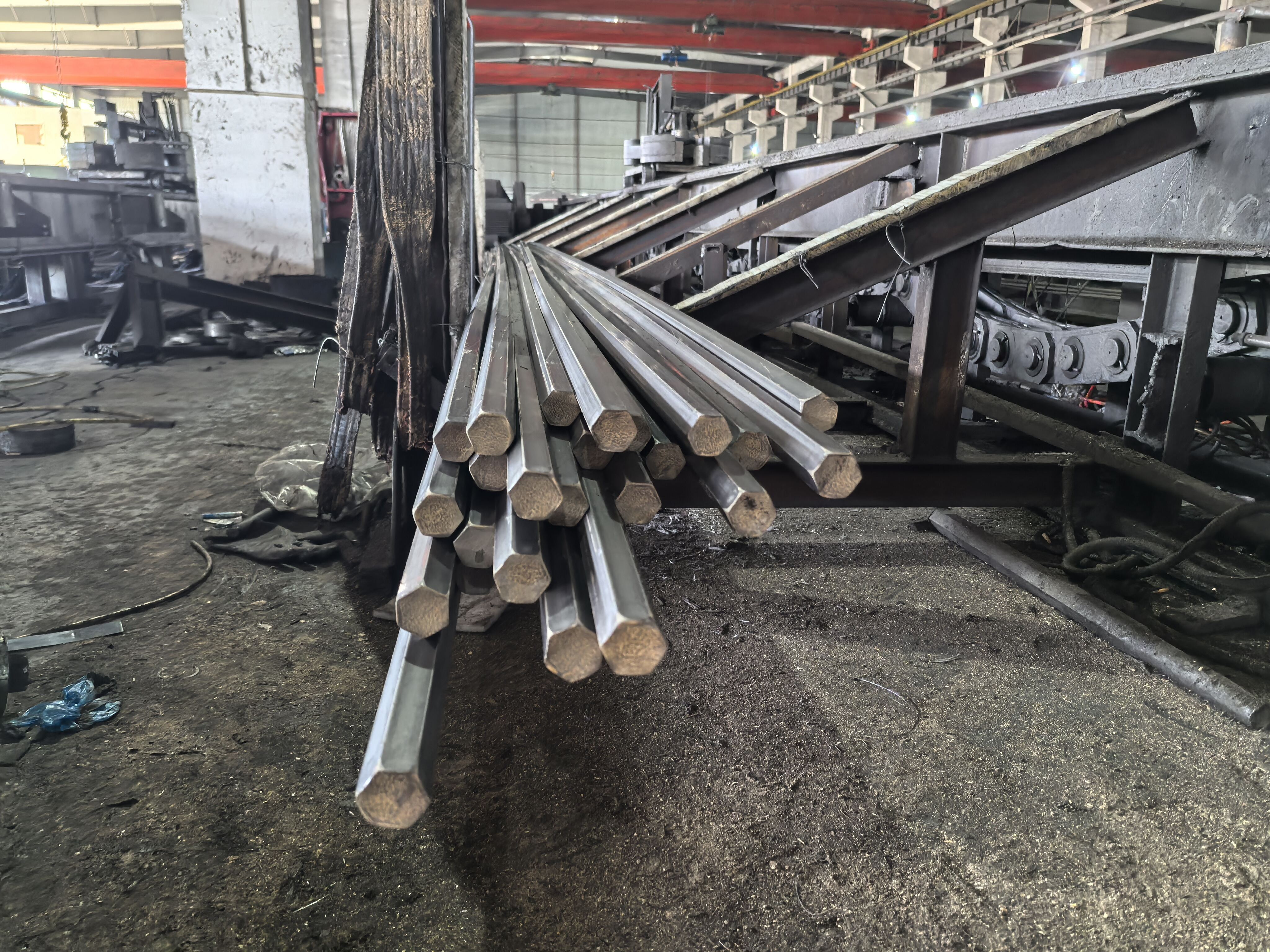
Less Harmonic Resonance When Using Flat Faces During High-Speed Turning
Harmonic resonance is caused by the even distribution of weight around the spinning bar and extrusions of round sections. Therefore, the even distribution around the fully circular sections of the round bar makes the waves created by friction bounce and amplify creating excessive vibrations that are eliminated using hex bars. At high speeds there's approximately a 40% difference in vibration with a hex bar compared to a round bar of the same weight. This means that with the use of hex bars, tool chatter is reduced, which leads to a longer tool life and improved surface finishes. Additionally, the ability to run tooling at a higher speed is possible. All of these factors lead to increased production when machining a run of parts on a CNC mill.
Answers to Questions
Why are hex bars better for structural stability?
Hex bars are better for structural stability because they provide a better polar moment of inertia and a better buckling resistance which means that the weight distribution of the hex bar section is better resisting the bar from bending in the axial direction and will provide better resistance against twisting or torsion when compared to a round bar with the same config.
How do hex bars and round bars compare when it comes to torsional strength?
Due to their design, hexagonal bars can withstand 18% more torque than circular bars of an equal diameter before experiencing permanent deformation. Thus, hexagonal bars are more effective than circular bars in applications where there is a need for high torque and rotational precision.
Table of Contents
- Structural Stability and the Effects of Geometry and Load
- Torsional Stability: Why Hex Steel Bar Has Better Twisting Control
- ASTM A108 Test Study: Torsional Rigidity & Comparison between 1" Equivalent Hex Steel Bar & Round Bar
- Less Harmonic Resonance When Using Flat Faces During High-Speed Turning
- Answers to Questions