
 EN
EN
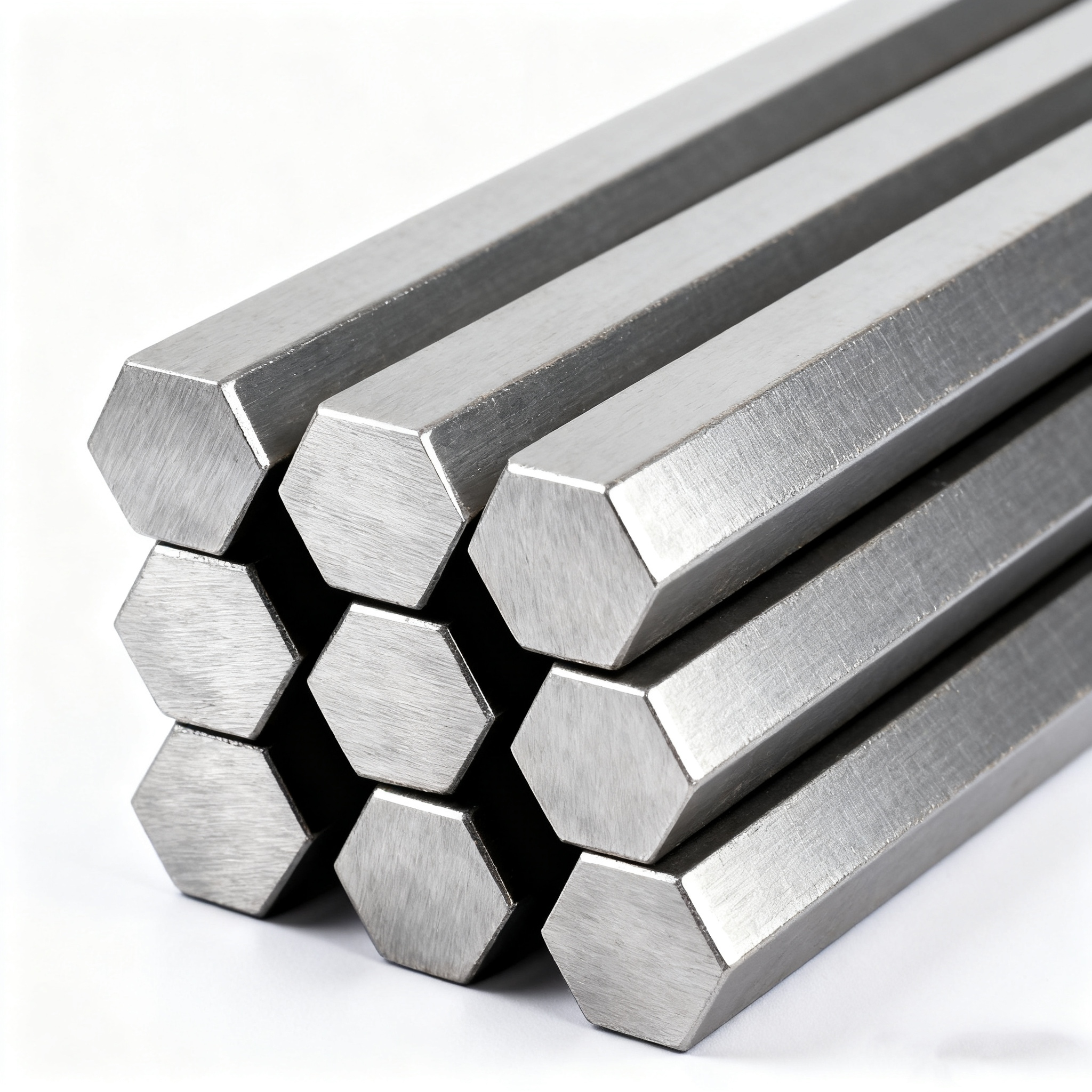
Stainless Steel Grades (304, 316, 17-4 PH): Powertrain System Thermal Stability and Corrosion Resistance
Powertrain systems endure a lot of demanding challenges, including exposure to very hot and very cold temperatures and extremely high levels of heat and powerful corrosive fluids. Therefore, stainless steel hex bar stock provides the best durability in these conditions. For example, fuel components (Grade 304) and exhaust brackets (Grade 316) withstand conditions of high levels of moisture/road salt); turbocharger components (17-4 PH precipitation hardened steel) withstand climb temperatures of greater than 300 degrees Celsius and do not warp. As received and stainless steel grades experience significantly lower damage from galvanic corrosion than do standard carbon steels, sleeve sensors in a low viscosity coolant and electrically conductive fluids in vehicles will require less replacement than will sleeve sensors in standard carbon steel. These galvanic corrosion results provide a much lower replacement rate than standard carbon steel.
Carbon and Alloy Hex Bars (1018, 12L14, 4140): Machinability, Fatigue Strength, and Cost-effectiveness for Mass Production of Fasteners
With its specialized sulfur additives, Grade 12L14 material aids in the machining of ABS sensor brackets, reducing the time required by about 40%. For suspension control arms, the quenched and tempered 4140 steel is remarkable in its ability to withstand repeated stress. We are dealing with components capable of withstanding over half a million load cycles before failing. In addition to those, let’s consider the hexagonal shapes that appear in the transmission crossmembers. They are not included for aesthetics. In fact, the hexagonal configuration distributes bearing stress more evenly than a circular configuration, resulting in a 25% improvement in performance. This is particularly advantageous in locations where components are in constant contact and slide against one another, as it mitigates the vexatious fretting failures that are commonplace in numerous mechanical systems.
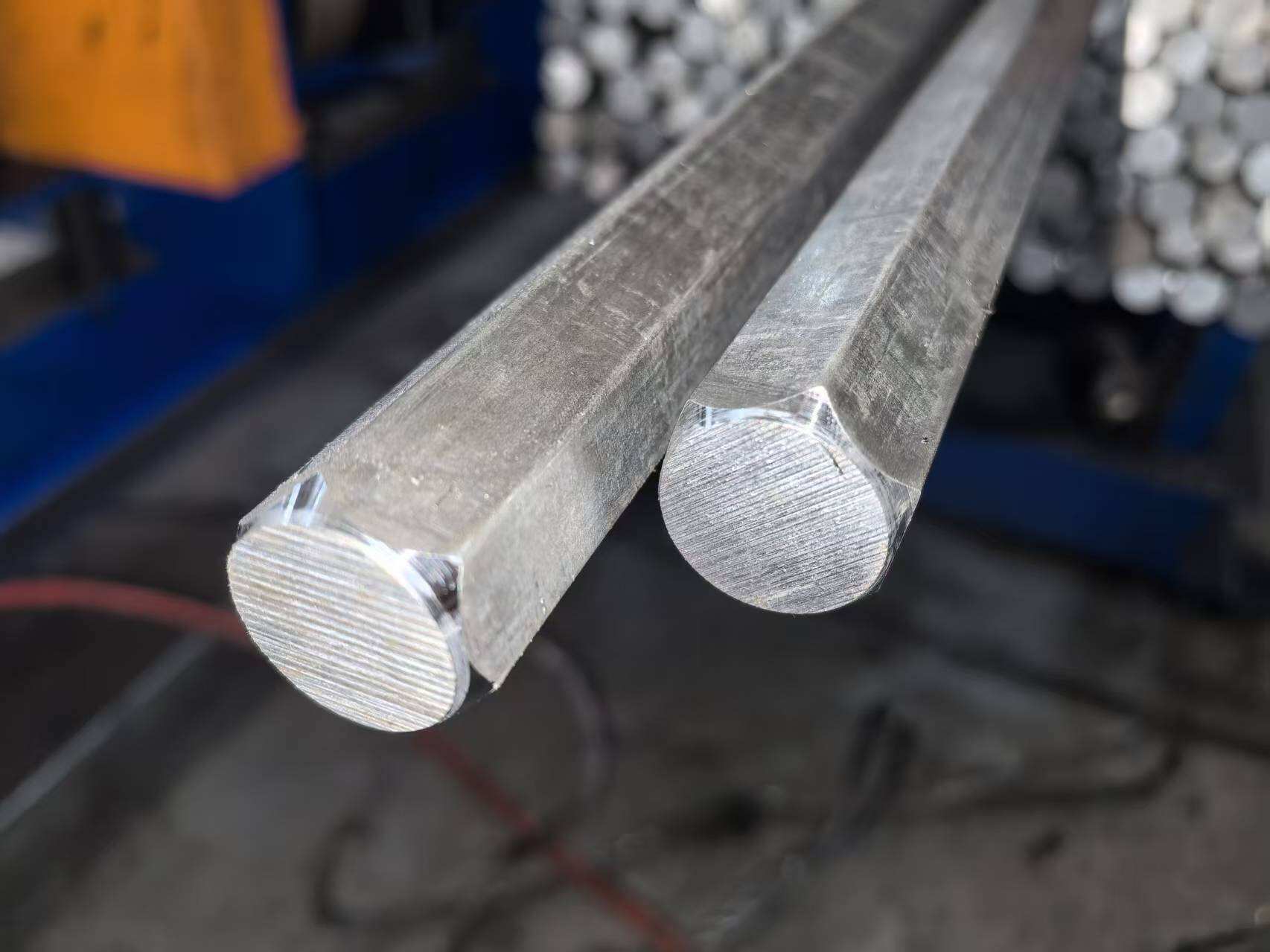
Automotive Industry Specifications for Hexagonal Steel Dimensions and Surfaces
AF Tolerance (ISO 2768-mK / DIN 975 H9) for Torque Critical Shafts and Adjusters
Parts used in the transmission and valve adjustment involve torque transmission. And that is where across flats tolerance becomes critical. When it comes to the European standard (ISO 2768-mK and DIN 975 H9) it means a tolerance of ±0.05 mm for a 25 mm part. This means that a tool can be used on the part without damaging the surface of the part where the tool contacts it. In case the specs are wrong, anything can happen. Parts can slip and crack (under-torqued and over-torqued). There is a monetary side to it too. According to the Ponemon Institute, faulty torque applications cost original equipment manufacturers $740,000 annually in warranty claims. On a positive note, a design improvement can be observed in the six point structures compared to square ones.
Drive train longevity is improved with the reduction of stress points by 40%. This is extremely beneficial when it comes to driving over rough road conditions every day.
Ra ≤ 0.8 µm, Surface Finish Requirements, and Trade-offs of Cold Drawn vs Bright Annealed for Thread Rolling and Assembly Reliability
For the suspension linkages of vehicles, cold drawn hex bars provide a higher strength alternative, while also typically needing only light polishing before the rolling of threads. Alternatively, bright-annealed hex bars provide an ideal solution for the fastening of components in the EGR systems, as they offer immediate stability of the threads and inherent corrosion resistance. Note, there is a ~15% cost increase for bright-annealed hex bars.
Driving Considerations for Hexagonal Steel Specifications
Torque Transmission Reliability in Engine Valve Adjusters, Transmission Selector Shafts, and Chassis Linkage Parts
When it comes to components in cars that are important for torque, it is hard to look past a hexagonal cross section for the reason that it is simply the best shape for this kind of application. A hexagonal rod shaped steel profile enhances engagement of the torque transmission tool, and provides better precision in the adjustment of components like valve trains to within about half a degree. Furthermore, hexagonal steel sections suppress the misalignment of clashing elements in transmission gear shifts. Furthermore, as per SAE J429 specifications, hex sections reduce the number of critical connection points in the chassis by 30% when subjected to severe torque. Therefore, components have enhanced and extended service life due to their improved performance in self-alignment.
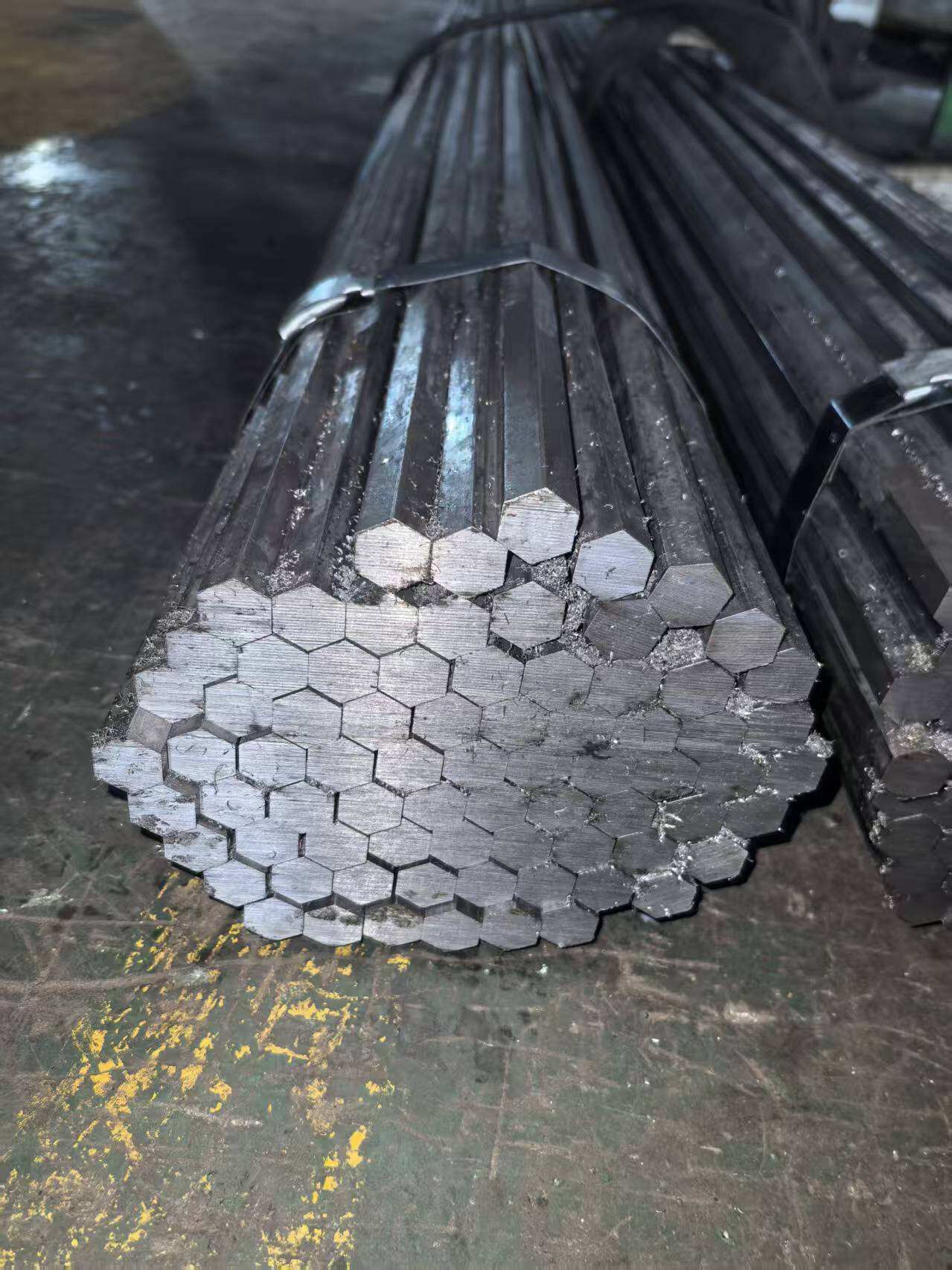
Dynamic Load Cycling and Vibration Resistance: How Hexagonal Steel Geometry Enhances Bending Stiffness vs Round Bars
Hexagonal bars transmit torque more effectively. Additionally, profiles with a hexagonal cross-section perform better under dynamic loads. When compared to round bars (which are the same size), hexagonal bars have an increased bending resistance (approximately 18%) and therefore are a better choice for components (like suspension components of vehicles, for example) that have to endure millions of load cycles. Computer models predict that hexagonal bars in the powertrain of a vehicle will decrease the amplitude of destructive vibrations by 40%. Furthermore, the flat surfaces on the hexagonal bars help improve the contact area when clamps are used, while preventing the bar from rotating within the clamp. This will significantly decrease the fretting corrosion that conventional round bar bushings are subjected to due to extreme vibrations and motions.
Frequently asked questions
What are the 304 and 316 grades of stainless steel and why are they used in the automotive industry?
304 and 316 grades of stainless steel are used in automotive applications (specifically in the powertrain systems) because of their ability to have a high resistance to corrosion, high stability at elevated temperatures, and a high resistance to a variety of chemicals.
Why is hexagonal steel used instead of round bars in the car industry?
Hexagonal steel has superior transmission of torque and structural integrity. It has better resistance against bending. This means it performs and withstands more dynamically loaded stress components than round bars.
What is the cost and strength advantage of using 12L14 free-machining steel?
12L14 free machining steel is cost effective as it reduces machining time. It is also has good fatigue strength, therefore is ideal steel for high volume car part production.
Table of Contents
- Stainless Steel Grades (304, 316, 17-4 PH): Powertrain System Thermal Stability and Corrosion Resistance
- Carbon and Alloy Hex Bars (1018, 12L14, 4140): Machinability, Fatigue Strength, and Cost-effectiveness for Mass Production of Fasteners
- AF Tolerance (ISO 2768-mK / DIN 975 H9) for Torque Critical Shafts and Adjusters
- Driving Considerations for Hexagonal Steel Specifications
- Frequently asked questions