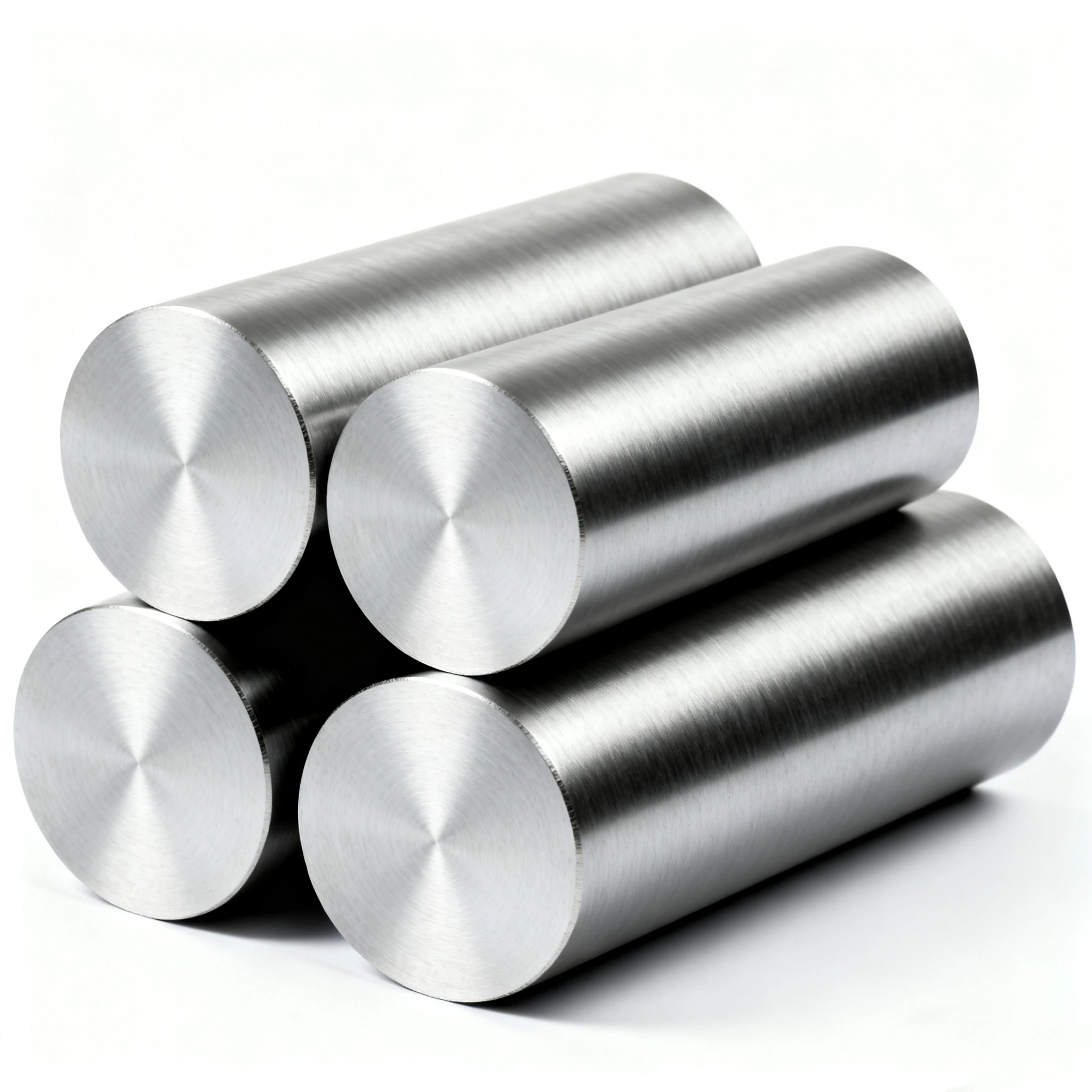
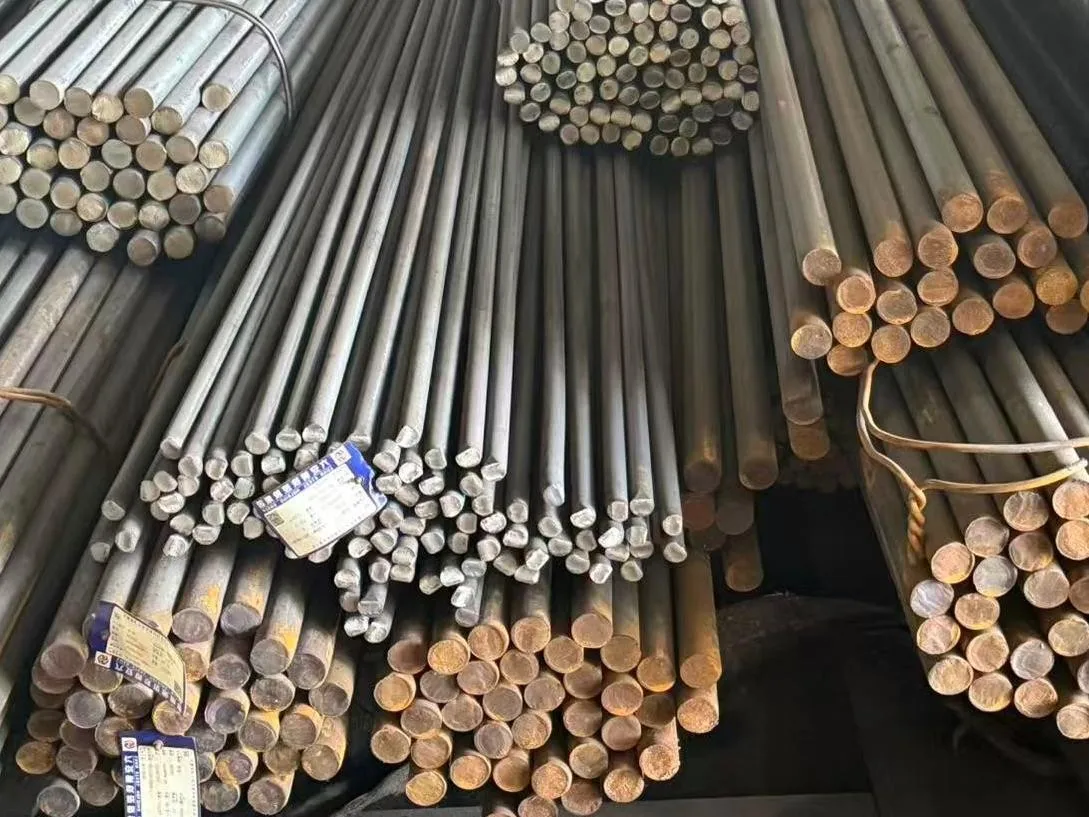
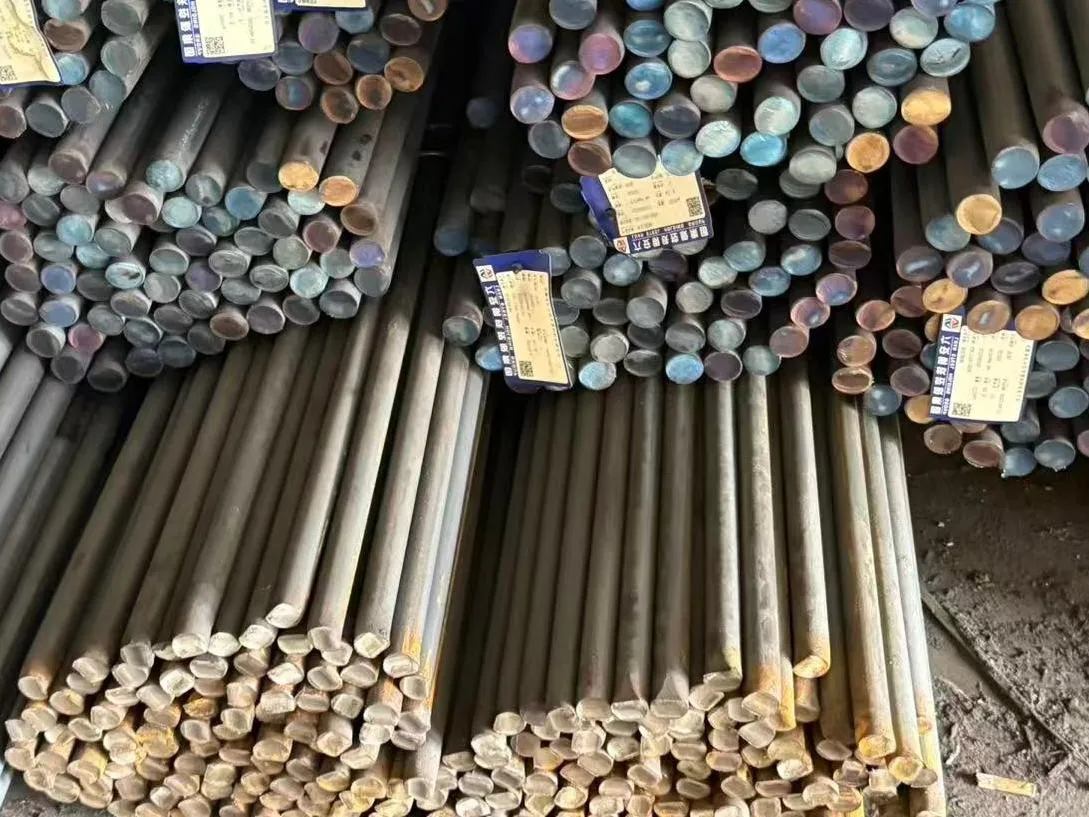
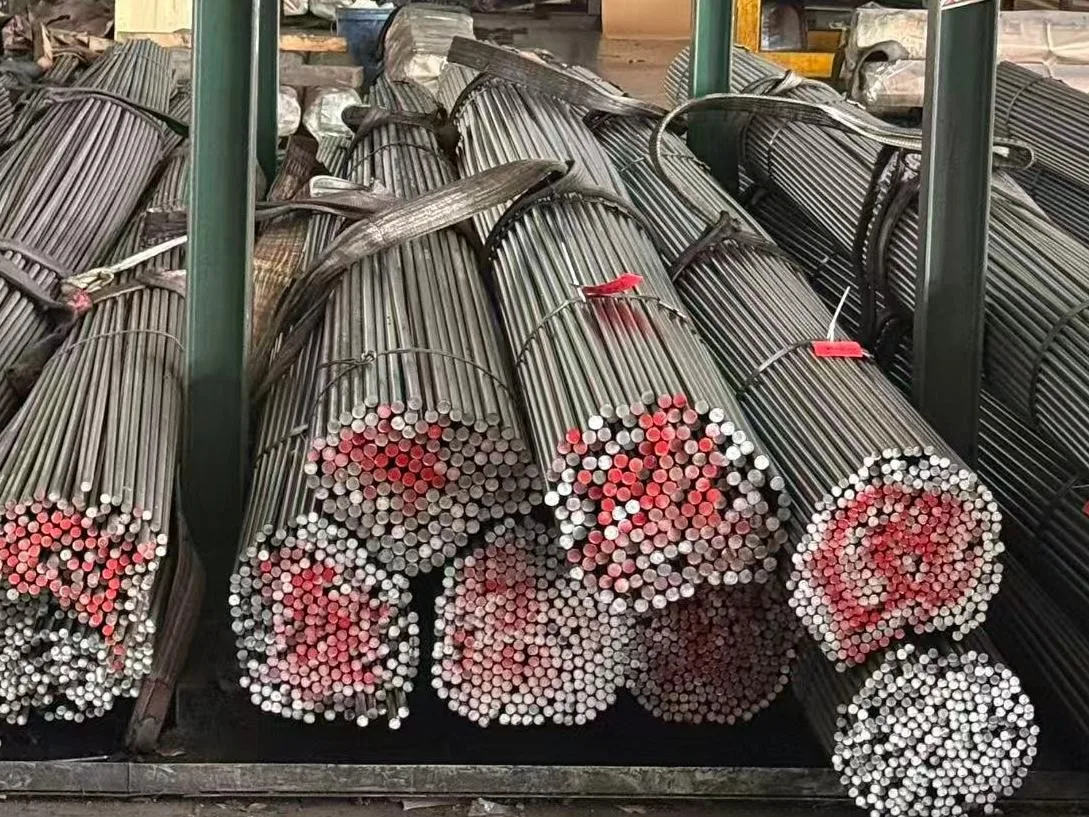
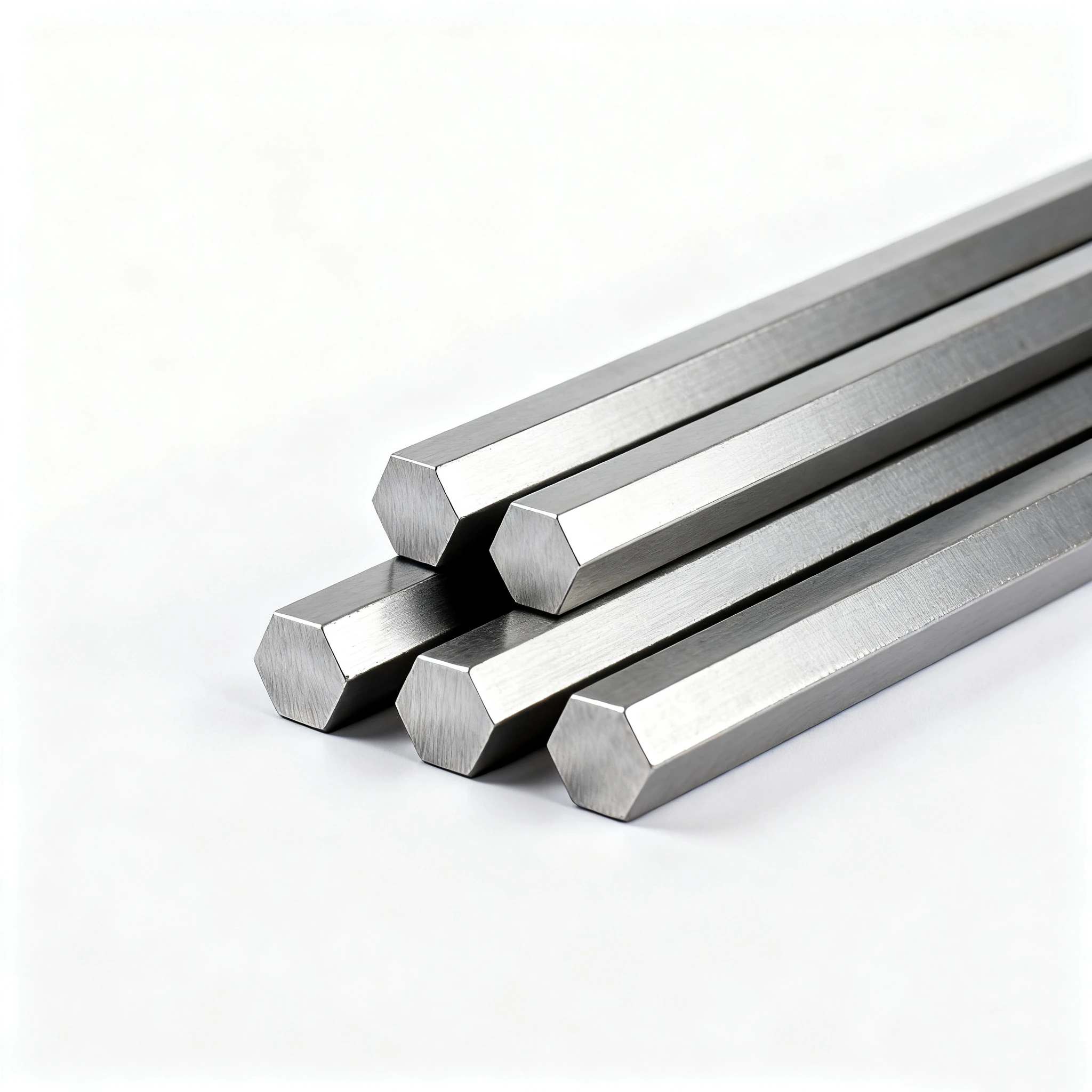
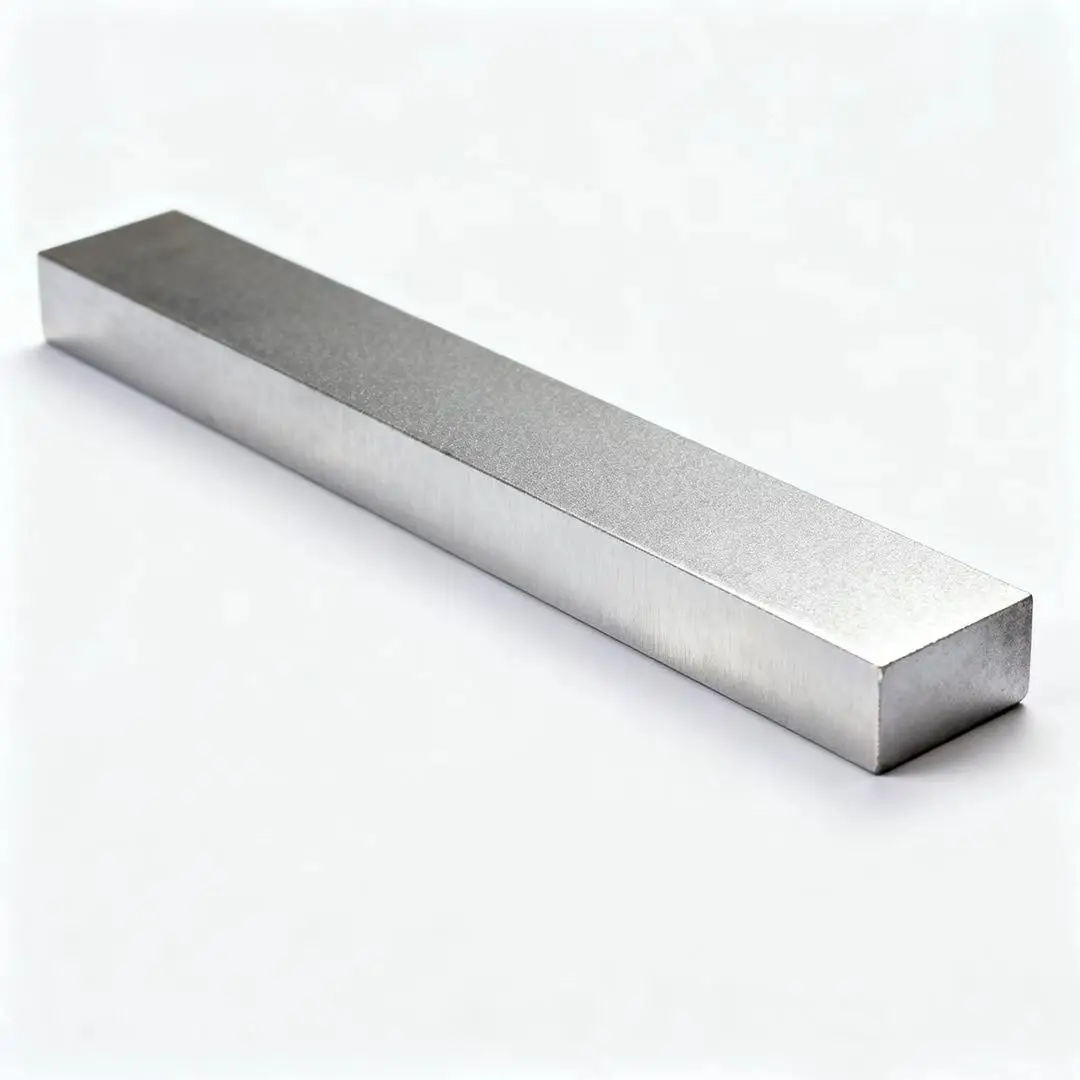
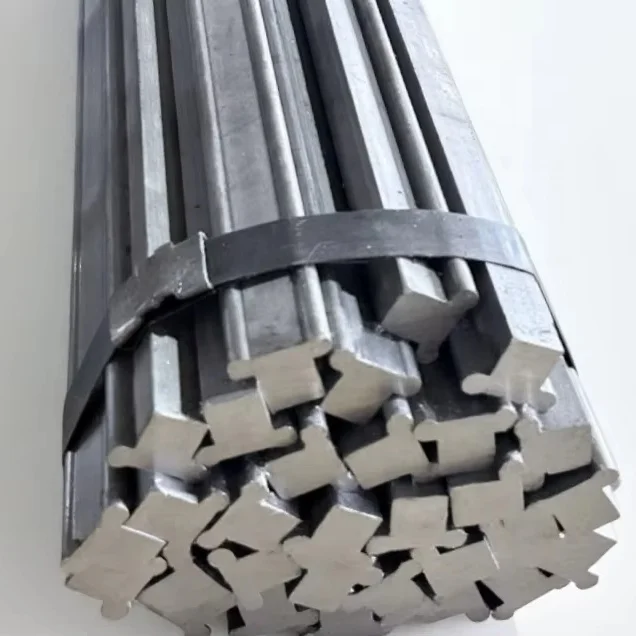
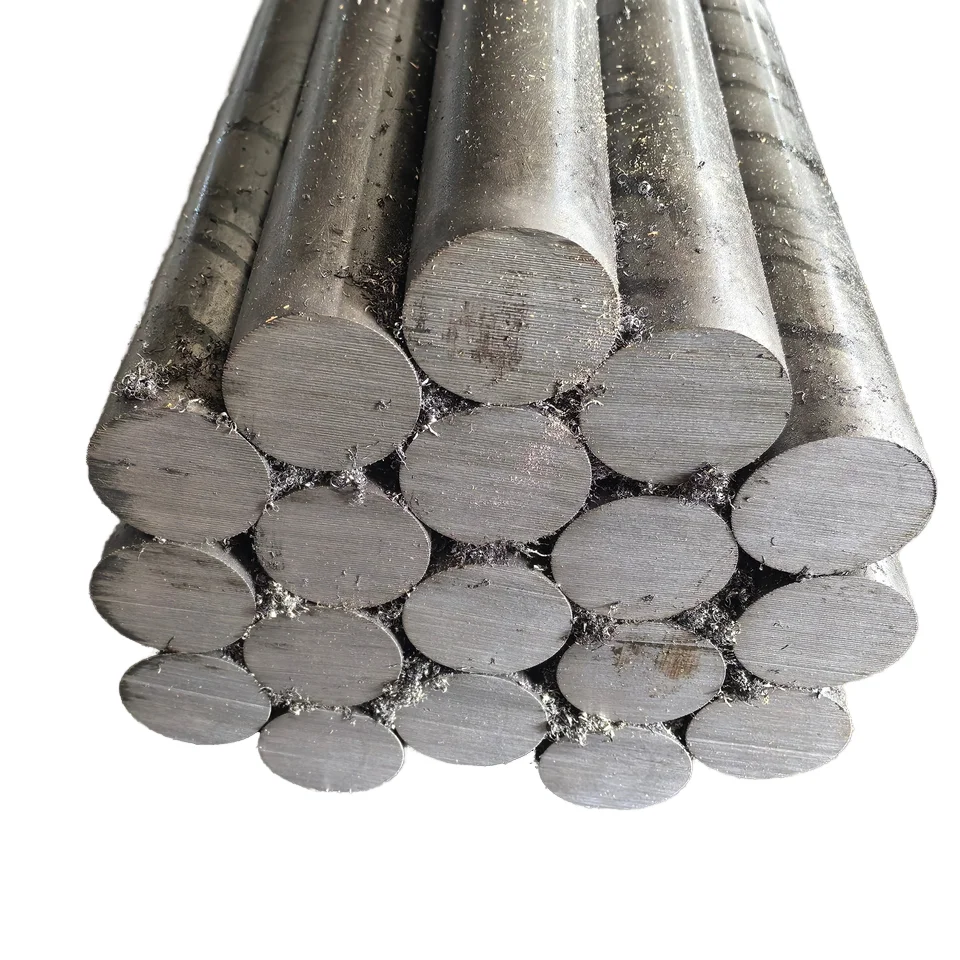
Smooth-running Durable Cold-drawn Round Bar GCr15 High-carbon Chromium Bearing Steel: The Reliable Choice for High-performance Turbine Bearings
In the energy, industrial, and aviation sectors, turbines—whether for power generation, aircraft propulsion, or industrial drives—are core equipment that demands extreme reliability and efficiency. At the heart of turbine operation lie turbine bearings, which support high-speed rotating shafts (often reaching thousands of revolutions per minute) and withstand substantial radial and axial loads. These bearings require exceptional smoothness, wear resistance, and fatigue durability to avoid downtime, which can lead to massive economic losses or safety risks. Our Smooth-running Durable Cold-drawn Round Bar GCr15 High-carbon Chromium Bearing Steel is engineered to meet these stringent demands, emerging as a trusted material for high-quality turbine bearings worldwide.
1. Premium GCr15 Material: The Foundation of Turbine Bearing Performance
GCr15 high-carbon chromium bearing steel is a globally recognized premium grade, and its unique chemical composition and metallurgical structure make it inherently suitable for turbine bearings. With a carbon content of 0.95%-1.05% and chromium content of 1.40%-1.65%, GCr15 forms a fine, uniform carbide structure after heat treatment—this is the key to its exceptional performance. Unlike ordinary steel, the chromium in GCr15 does not just enhance hardenability; it combines with carbon to create chromium carbides (Cr₇C₃) that are evenly dispersed in the steel matrix. These carbides boast ultra-high hardness (HV ≥ 1800) and thermal stability, enabling the material to resist severe wear even when turbine bearings operate at high speeds (up to 10,000 RPM) and generate frictional heat.
Moreover, GCr15 undergoes rigorous smelting control to eliminate harmful impurities. Sulfur content is restricted to ≤ 0.020% and phosphorus to ≤ 0.027%, minimizing the risk of brittleness or fracture—critical for turbine bearings that cannot tolerate even microcracks. Molten steel is further refined via vacuum degassing to remove hydrogen and other gases, preventing internal defects like bubbles or inclusions that could compromise structural integrity under high loads. This strict quality control ensures every batch of GCr15 cold-drawn round bar has consistent composition and metallurgical quality, laying a solid foundation for reliable turbine bearings.
2. Cold-drawing Process: Elevating Precision and Mechanical Properties for Turbines
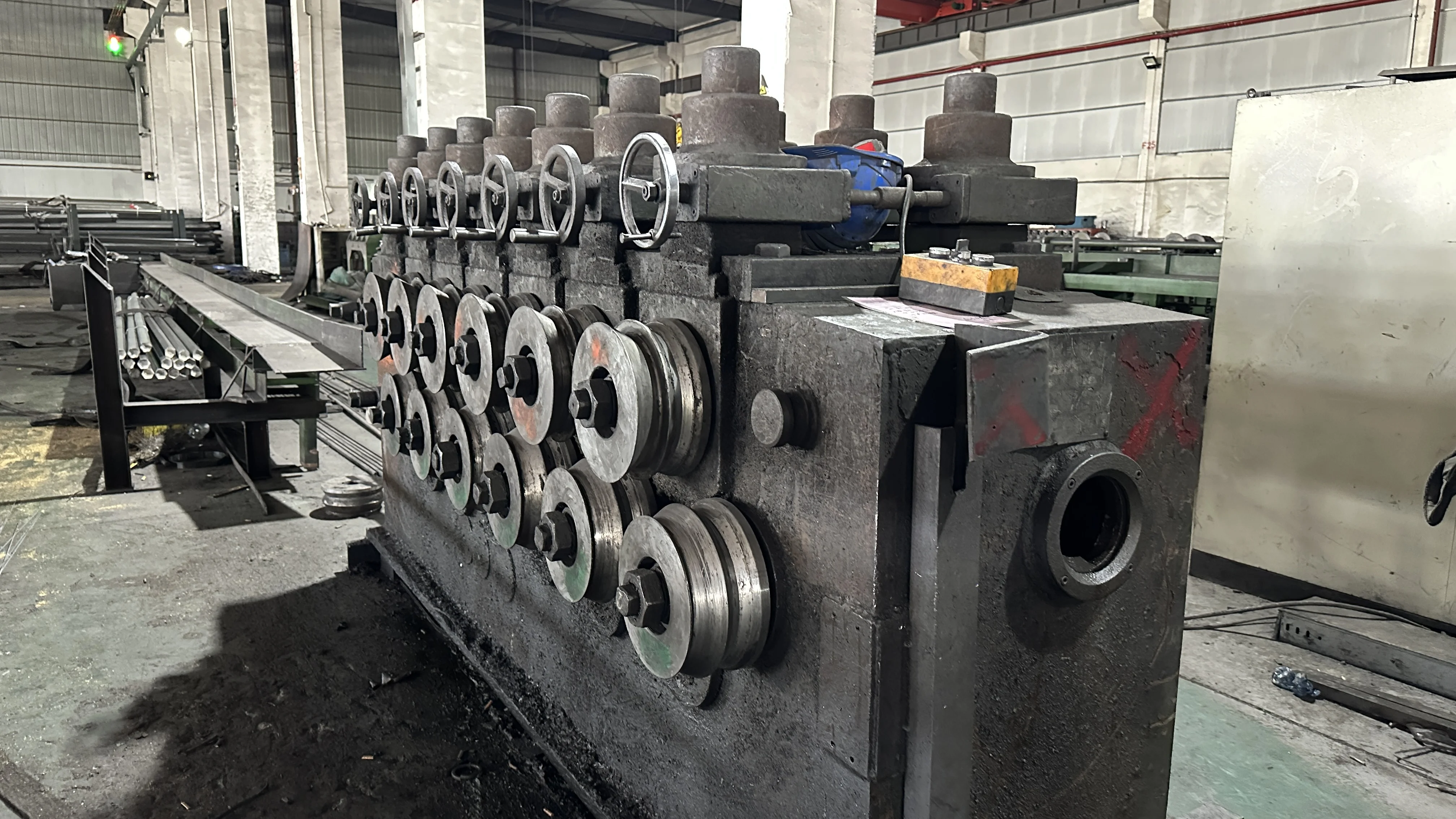
The cold-drawing process is a game-changer for optimizing GCr15 round bars for turbine bearings, addressing the industry’s need for ultra-precision and robust mechanical performance. Unlike hot-rolled steel— which has rough surfaces and loose dimensional tolerances—cold-drawing involves pulling steel through a precision die at room temperature, delivering three key advantages:
First, it achieves exceptional dimensional accuracy. Our GCr15 cold-drawn round bar meets ISO h8 tolerance standards; for example, a 30mm diameter bar has a tolerance of just ±0.025mm. This precision is non-negotiable for turbine bearings: even minimal deviations can cause misalignment between the bearing and rotating shaft, leading to increased friction, vibration, and premature failure. With our round bar, turbine bearings achieve a tight fit with shafts, ensuring smooth rotation and reducing energy loss.
Second, cold-drawing refines the steel’s grain structure. The plastic deformation during the process breaks down coarse grains formed during smelting, creating a fine-grained matrix. This not only boosts tensile strength (up to 1080MPa) and yield strength (≥ 800MPa) but also enhances toughness—a balance critical for turbine bearings. Turbines often experience sudden load fluctuations (e.g., during startup or power adjustments), and the refined grain structure prevents brittle fracture, ensuring bearings withstand dynamic stress without failure.
Third, cold-drawing creates an ultra-smooth surface. Our GCr15 round bar has a surface roughness of Ra ≤ 0.6μm, far superior to the Ra 3.2μm of hot-rolled steel. This smoothness reduces the initial friction coefficient between the bearing and shaft, minimizing wear during turbine startup (a critical phase for bearing longevity). Additionally, the smooth surface facilitates subsequent treatments like grinding or coating, further enhancing wear and corrosion resistance—essential for turbines operating in harsh environments (e.g., industrial turbines exposed to dust or marine turbines exposed to saltwater).
3. Tailored Heat Treatment: Unleashing GCr15’s Full Potential for Turbines
To maximize GCr15’s performance for turbine bearings, we employ a specialized heat treatment process: quenching followed by low-temperature tempering. Quenching is conducted at 830℃-860℃, with rapid oil cooling to transform the steel matrix into a martensite structure—this achieves a hardness of HRC 60-64, ensuring the material resists wear under high-speed friction. Crucially, the chromium carbides remain evenly distributed during quenching, preserving their wear-resistant properties.
Low-temperature tempering at 150℃-180℃ follows, relieving internal stresses generated during quenching without compromising hardness. This step is vital for turbine bearings, which operate at varying temperatures (from ambient to 150℃ in industrial turbines). The tempered GCr15 exhibits exceptional dimensional stability— it won’t deform due to thermal expansion or contraction, ensuring the bearing maintains its precision and fit with the shaft over long service cycles. The retained toughness also allows the bearing to absorb minor shocks (e.g., from slight shaft imbalance), preventing catastrophic failure.
4. Application Advantages: Solving Turbine Bearing Pain Points
Turbine bearings face unique challenges—high speed, heavy loads, and harsh operating conditions—and our GCr15 cold-drawn round bar addresses these pain points effectively:
● Smooth, Low-noise Operation: The high precision and smooth surface of our round bar eliminate clearance-related vibration. Tests show turbines using bearings made from our GCr15 steel operate at noise levels ≤ 60dB—lower than the industry average of 65dB—critical for power plants or industrial facilities where noise reduction is a priority. More importantly, reduced vibration minimizes stress on other turbine components (e.g., shafts and casings), extending the entire turbine’s service life.
● Exceptional Durability: GCr15’s wear resistance (30% higher than ordinary bearing steel) significantly extends bearing life. Under normal operating conditions, turbine bearings made from our round bar last 50,000-80,000 hours—equivalent to 5-8 years of continuous use. This reduces maintenance frequency and downtime; for a power plant turbine, even a single day of downtime can cost millions, making durability a key economic factor.
● High Load-bearing Capacity: Heat-treated GCr15 handles both radial and axial loads with ease. It safely supports static loads up to 25kN and dynamic loads up to 18kN—meeting the demands of most industrial turbines (e.g., 5MW power generation turbines) and ensuring stable operation even during peak load periods (e.g., high electricity demand in summer).
● Harsh Environment Adaptability: Turbines often operate in challenging conditions—industrial turbines in dusty factories, marine turbines in saltwater, or aircraft turbines in extreme temperatures. Our GCr15 round bar can be enhanced with surface treatments like chrome plating (5-10μm thickness) or nitriding, boosting corrosion resistance. Chrome-plated bearings pass 96-hour salt spray tests without rusting, ensuring reliability in marine or humid environments.
5. Strict Quality Control and Global Standard Compliance
Turbine bearings are safety-critical components, so we implement a full-process quality control system for our GCr15 cold-drawn round bar:
● Incoming Inspection: We test raw GCr15 steel billets for chemical composition and mechanical properties, only accepting those that meet GB/T 18254 (China), DIN 100Cr6 (Germany), and ASTM A295 (USA) standards.
● In-process Monitoring: During cold-drawing and heat treatment, we use laser diameter gauges and digital hardness testers to monitor parameters in real time, ensuring every bar meets precision and hardness requirements.
● Final Testing: Each batch undergoes tensile, impact, and metallographic tests, plus ultrasonic flaw detection to identify internal defects. Only passing products leave the factory, accompanied by a Material Test Report (MTR) detailing all results—critical for turbine manufacturers to comply with industry regulations (e.g., ISO 8124 for power turbines).
Our GCr15 round bar also complies with global standards like ISO 683-17 (bearing steel) and JIS SUJ2 (Japan), ensuring compatibility with turbine manufacturing processes worldwide.
6. Flexible Customization and Efficient Service for Turbine Manufacturers
Turbines come in diverse sizes—from small industrial turbines (100kW) to large power plant turbines (100MW)—so their bearings require tailored materials. We offer flexible customization for our GCr15 cold-drawn round bar:
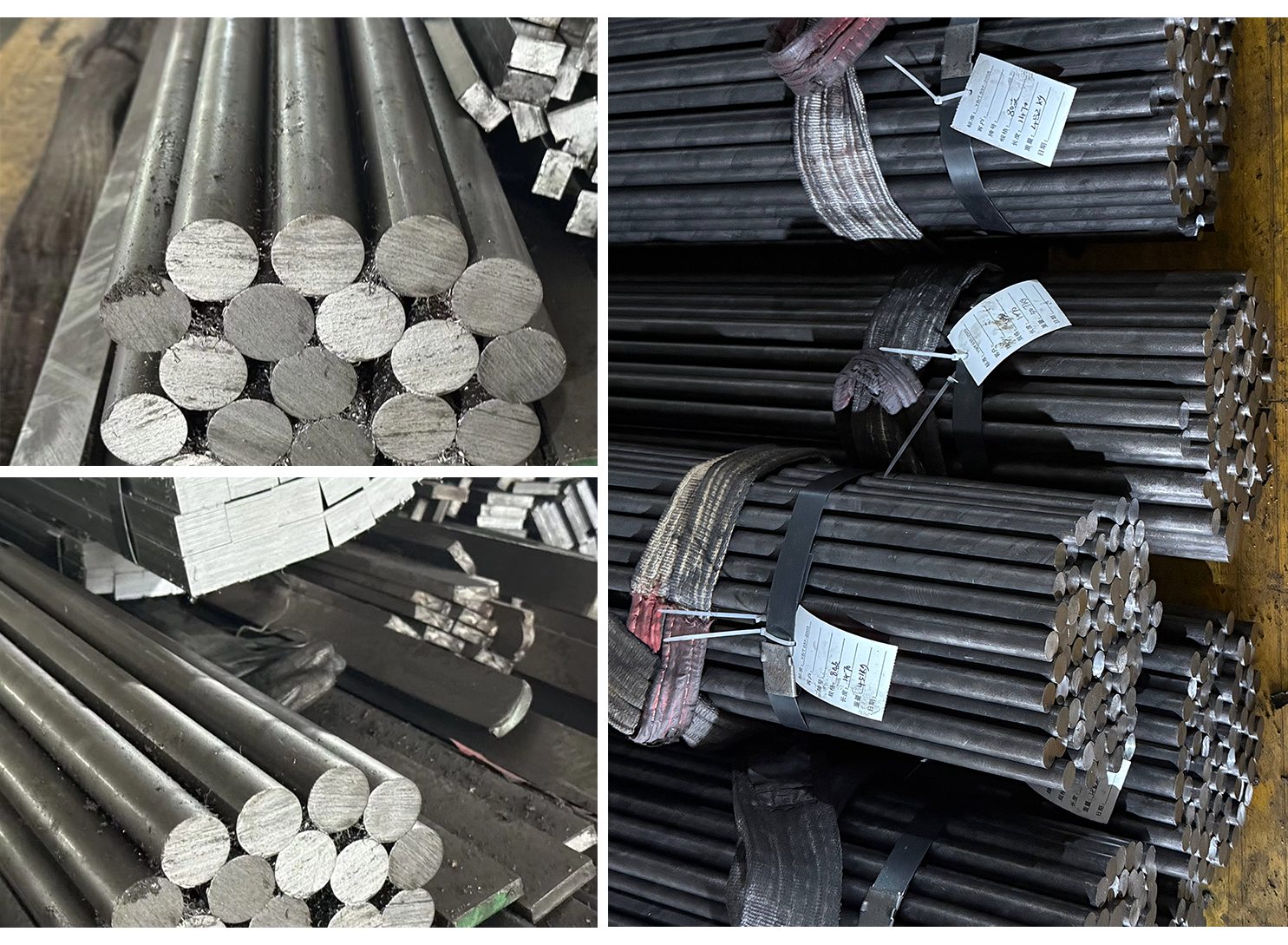
● Diameter Range: 5mm-100mm, covering most turbine bearing sizes. Small industrial turbines typically use 10mm-20mm bars, while large power turbines require 40mm-80mm bars. For specialized turbines (e.g., aircraft auxiliary turbines), we can produce diameters as small as 3mm.
● Length Customization: Bars can be cut to 1m-12m based on production needs. Long bars (6m-12m) suit continuous bearing manufacturing lines, while short bars (1m-3m) are ideal for small-batch or custom turbine projects—reducing material waste and cutting costs.
● Delivery and Support: Standard specifications ship in 7-10 working days; custom orders take 15-20 days. We partner with logistics providers like DHL and Maersk for global door-to-door delivery, ensuring on-time arrival. Our technical team offers 24/7 support—providing heat treatment advice or machining guidelines to help turbine manufacturers optimize bearing production.
7. Beyond Turbines: Broad Application Prospects
While optimized for turbine bearings, our GCr15 cold-drawn round bar excels in other high-precision, high-load applications:
● Machine Tool Spindles: Its precision and wear resistance ensure stable, high-speed machining (e.g., CNC lathe spindles operating at 8,000 RPM).
● Automotive Transmissions: It withstands the dynamic loads of car transmissions, ensuring smooth gear shifts and long service life.
● Aerospace Components: It’s used for small bearings in aircraft hydraulic systems, where reliability and temperature stability are critical.
However, in the turbine industry—where performance directly impacts energy efficiency and safety—our GCr15 round bar stands out. As global demand for clean energy (e.g., wind turbines) and efficient industrial drives grows, the need for high-quality turbine bearings increases. Our product offers a cost-effective, high-performance solution, helping turbine manufacturers enhance product reliability and gain a competitive edge.
In conclusion, our Smooth-running Durable Cold-drawn Round Bar GCr15 High-carbon Chromium Bearing Steel is the ideal material for turbine bearings. With premium GCr15 steel, advanced cold-drawing, tailored heat treatment, strict quality control, and flexible customization, it delivers the smoothness, durability, and precision turbines demand. Whether you’re a turbine manufacturer, bearing supplier, or energy sector distributor, our GCr15 round bar is your reliable partner—supporting the safe, efficient operation of turbines worldwide.

 EN
EN