
 EN
EN
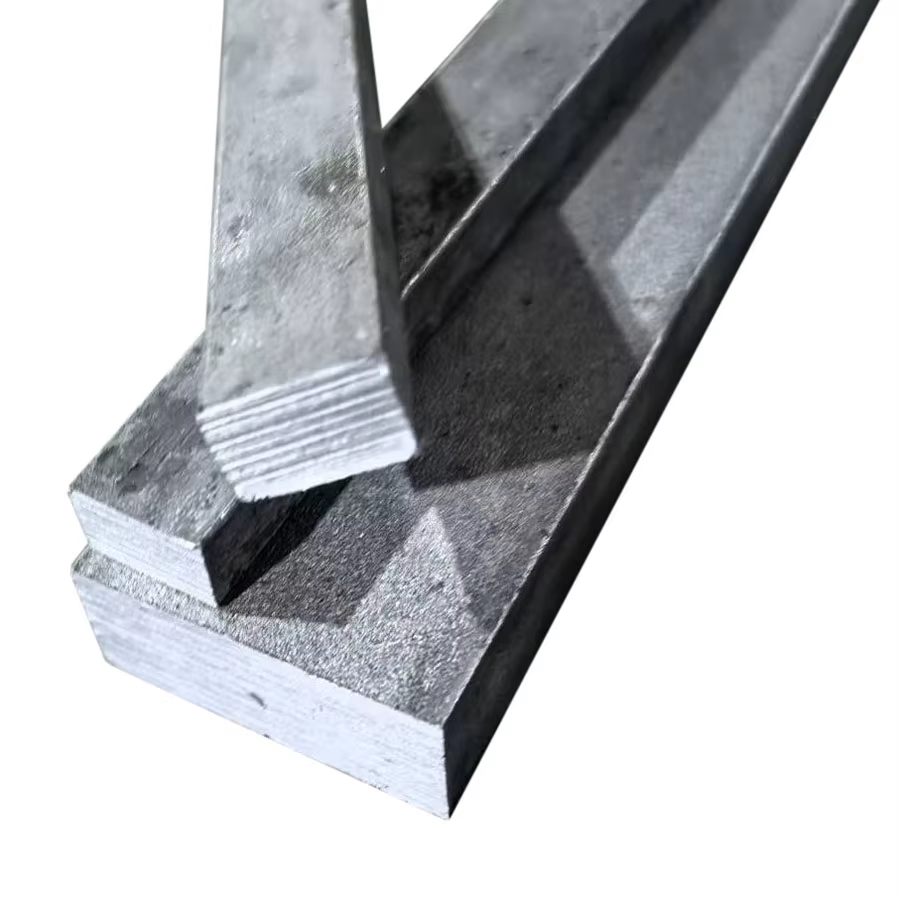
Mechanische eigenschappen van 1010-staal voor koudvormen
Rek en rekbaarheid van geënlaveerd 1010-staal
Het belangrijkste kenmerk van staalsoort 1010, waardoor koudvormen wordt vereenvoudigd, is de gedocumenteerde rekbaarheid. In geannelleerde toestand vertoont het materiaal een rek van meer dan 30 % vóór breuk. Daarom kan het staal thermisch worden behandeld en vervolgens koud gestanst en koud gebogen worden, om te voorkomen dat het breekt tijdens het koudvormen. Deze karakteristieke breukrek is het gevolg van het zeer lage koolstofgehalte van het staal (0,10 %); dit is voldoende laag om dislocaties in staat te stellen vrij en ongehinderd door het gehele ferrietrooster te bewegen, waardoor de benodigde rekbaarheid ontstaat. Hoewel geavanceerdere staalsoorten sterker zijn, blijven zij achter wat betreft rekwaarden van 15 % en lager, waardoor beperkingen worden opgelegd aan de geometrische vormen die kunnen worden vervaardigd. Deze lage reklimiet is ook de reden waarom geavanceerdere staalsoorten ongeschikt zijn voor onderdelen waarbij complexe vormen koud moeten worden gevormd. In de industrie betreffen dergelijke toepassingen onder andere de automobielindustrie bij de productie van ophangingsbeugels en de productie van complexe behuizingconfiguraties voor elektrische componenten. De AMS 366-specificaties voor geannelleerd 1010-staal geven een rekgebied van 30 tot 40 % aan. Deze bovengemiddelde rekbaarheid is een.
Invloed van de verhouding tussen vloeigrens en treksterkte op terugvering en scheurvastheid
De verhouding tussen vloeigrens en treksterkte is een cruciale factor met betrekking tot het gedrag van het materiaal tijdens vormgevende processen. Neem bijvoorbeeld staal 1010. Bij een vloeigrens/treksterkte-verhouding van ongeveer 0,5 wordt weinig veerkrachtige terugvervorming (springback) waargenomen, omdat het materiaal geleidelijk overgaat van elastische naar plastische vervorming. De treksterkte bedraagt 365 MPa volgens ASTM; dit staal toont ook een barstvrije reactie op matige vervorming, maar met een voorbehoud. Het materiaal ondergaat minimale verharding tijdens vervorming, zoals het geval is bij een lage n-waarde van 0,18. Daarom is dit staal niet geschikt voor toepassingen met hoge rek, zoals dieptrekken. Voor dergelijke toepassingen geven fabrikanten de voorkeur aan interstitieelvrije stalen, die n-waarden boven 0,23 hebben en daarmee beter presteren dan staal 1010. Volgens gegevens van ASM International vertoont staal 1010 onder dezelfde buigcondities minder dan 40% van de veerkrachtige terugvervorming (springback) van staal 1020. Dit maakt het ideaal voor gebruik in precisie-onderdelen, zoals veelvoorkomende hardware.
Verwerkingsprestatie van staal 1010 voor typische koudvormbewerkingen
Ponsen, buigen en oppervlakkig dieptrekken: voordelen van staal 1010
Tijdens lage tot matige belastingen, zoals stansen, buigen of oppervlakkige dieptrekprocessen, presteert staalsoort 1010 goed. De rek-eigenschap van het materiaal, gedefinieerd volgens ASTM A366, bedraagt 28 tot 32 procent zonder breuk, waardoor het geschikt is voor deze processen. Staalsoort 1010 is aantrekkelijk vanwege zijn lage vloeigrens van ongeveer 180 tot 210 MPa, wat het voordeel biedt dat de benodigde perskracht wordt verminderd en daardoor de energieverbruikskosten dalen. Daarom wordt staalsoort 1010 veel gebruikt door bedrijven voor de productie van onderdelen met lage vereisten op het gebied van vormgeven, zoals metalen beugels, klemmen en behuizingsonderdelen. Het uitstekende uiterlijk van het gevormde onderdeel is een bijkomend voordeel, met name voor behuizingen die decoratieve afwerkingen vereisen. Indien de eindtoepassing echter nauwkeurigheid vereist, kan eventueel extra spanningsverlichting nodig zijn via gloeien van het onderdeel.
Beperkingen bij zware dieptrek- en hoogverhoudings-koudkopvormprocessen
staal 1010 kan eenvoudigweg niet worden gebruikt voor bewerkingen met hoge vervorming, zoals dieptrekken of koud uitslagen, waarbij de compressieverhouding hoger is dan 2:1. Dit komt door de relatief lage n-waarde van het materiaal; werkverharding bij lage n-waarden vindt snel plaats, wat betekent dat het materiaal gevoelig is voor breuk bij het vervaardigen van complexere geometrische vormen. Iedereen die ooit diepgetrokken cups heeft geprobeerd te maken, weet dat merkbare wandverdunning en scheuren optreden wanneer de wanddikte met meer dan 40 % afneemt. Ook door het ontbreken van een geschikte n-waarde voor koud uitslagen is staal 1010 gevoelig voor randbreuken en ductiliteitsproblemen bij het vervaardigen van koud uitgeslagen bouten en bevestigingsmiddelen. Vanwege deze problemen wordt staal 1010 vaak vervangen door interstitieelvrije (IF) stalen, hoewel deze stalen doorgaans duurder zijn. Deze materialen zijn specifiek ontworpen voor een betere vormbaarheid en een betere oppervlaktekwaliteit.
Gedrag bij werkverharding: Het belang van de lage n-waarde van staal 1010 in de productie
de n-waarde van staal 1010 bedraagt ongeveer 0,18, wat betekent dat de werkverhardingskenmerken van dit staal minder uitgesproken zijn. Om die reden kan staal met een lagere n-waarde het piekwerkverhardingsniveau bereiken bij lagere mate van vervorming. Dit kan daadwerkelijk de ernst van springback bij eenvoudige bochten en ondiepe dieptrekken, evenals het aantal kalibratiestappen, verergeren. Dat betekent echter ook dat 1010 gevoelig is voor concentratie van vervorming in een beperkt aantal gebieden, wat tot meer fouten kan leiden bij scherpe hoeken en/of bij dieptrekken. Het is mogelijk dat verharding op een ongelijkmatige manier over het oppervlak optreedt, wat problemen kan veroorzaken met afmetingen en toleranties, vooral bij een groot aantal onderdelen. Het kan ook voorkomen dat een productiebedrijf een combinatie van bewerkingen gebruikt om dit werkverhardingsgedrag te beperken, maar dat leidt dan weer tot lagere opbrengstraten en hogere kosten. Staal met n-waarden boven 0,25, zoals interstitieelvrij (IF) staal, is veel geschikter voor homogeniteit bij complexere bewerkingen, maar veel producenten geven zelfs vandaag de voorkeur aan staal 1010 wanneer zij een combinatie van goede bewerkbaarheid, een aanvaardbare kostprijs per massaeenheid en een minimaal aanvaardbaar niveau van vormbaarheid voor een bepaalde toepassing nodig hebben.
Hoe 1010-staal zich verhoudt tot alternatieven voor de productie van koudgevormde onderdelen
Vergelijking met 1008-, 1020- en interstitieelvrije (IF) stalen: afwegingen tussen vormbaarheid, kosten en oppervlaktekwaliteit
1010-staal neemt een positie in tussen lage-koolstofstaalsoorten. Met 0,10% koolstof biedt het een hogere treksterkte dan 1008-staal, dat slechts 0,08% koolstof bevat. Het is ook buigzamer dan 1020-staal, dat 0,20% koolstof bevat. Deze buigzaamheid is voordelig bij buigbewerkingen evenals bij basisstansbewerkingen. Interstitieelvrije (IF) stalen bieden echter aanzienlijke voordelen. IF-stalen presteren beter dan de andere drie kwaliteiten, inclusief 1010-, 1020- en 1008-staal, bij dieptrekken vanwege het ontbreken van koolstof en andere speciale microlegeringsadditieven die rekveroudering in de materialen remmen.
De complexiteit van de bewerking blijkt uit de verschillende kosten.
1010- en 1008-staal zijn meestal de goedkoopste opties.
1010-staal is 5–8% goedkoper dan 1020-staal omdat de samensturing van de samenstelling van 1020-staal strenger is.
IF-staal is 15–20% duurder vanwege het speciale smeltproces en de speciale ontharding.
Kosten en verwerkingscomplexiteit bepalen de keuze. 1010-staal wordt veel gebruikt in toepassingen met een strak budget en enige vormgevingsvereisten, zoals constructiebeugels of behuizingsonderdelen. De meeste fabrikanten vinden deze combinatie vrij risicovol, aangezien 1010-staal onder budgettaire beperkingen het beste presteert.
IF-stalen hebben tegelijkertijd een uitstekende oppervlakteafwerking, met een gladde en consistente IF-staalafwerking, die vereist is voor auto-onderdelen die moeten worden gespoten. Tijdens vormgevingsbewerkingen vertoont 1020-staal minder Lüders-bandjes dan 1010-staal, wat een staalsoort is met een duidelijker uitgesproken Lüders-band.
V.A.Q.
Wat is het belangrijkste voordeel van het gebruik van 1010-staal voor koudvormen?
1010-staal heeft een hoog ductiliteitsniveau. Daarom kunnen gestanste onderdelen herhaaldelijk gebogen worden zonder risico op scheuren.
Waarom is 1010-staal niet geschikt voor dieptrekken?
Vanwege zijn lage waarde van n, die lager is dan 0,18, vertoont staalsoort 1010 een slechte versterking door vervorming, waardoor het snel versterkt en bros wordt onder hoge rekcondities.
Hoe vergelijkt staalsoort 1010 zich met andere koolstofarme stalen?
In vergelijking met staalsoorten 1008 en 1020 heeft staalsoort 1010 een unieke combinatie van vormbaarheid, treksterkte en prijs, waardoor het aantrekkelijker is; interstitieelvrije stalen hebben weliswaar een betere vormbaarheid, maar zijn duurder.