
 EN
EN
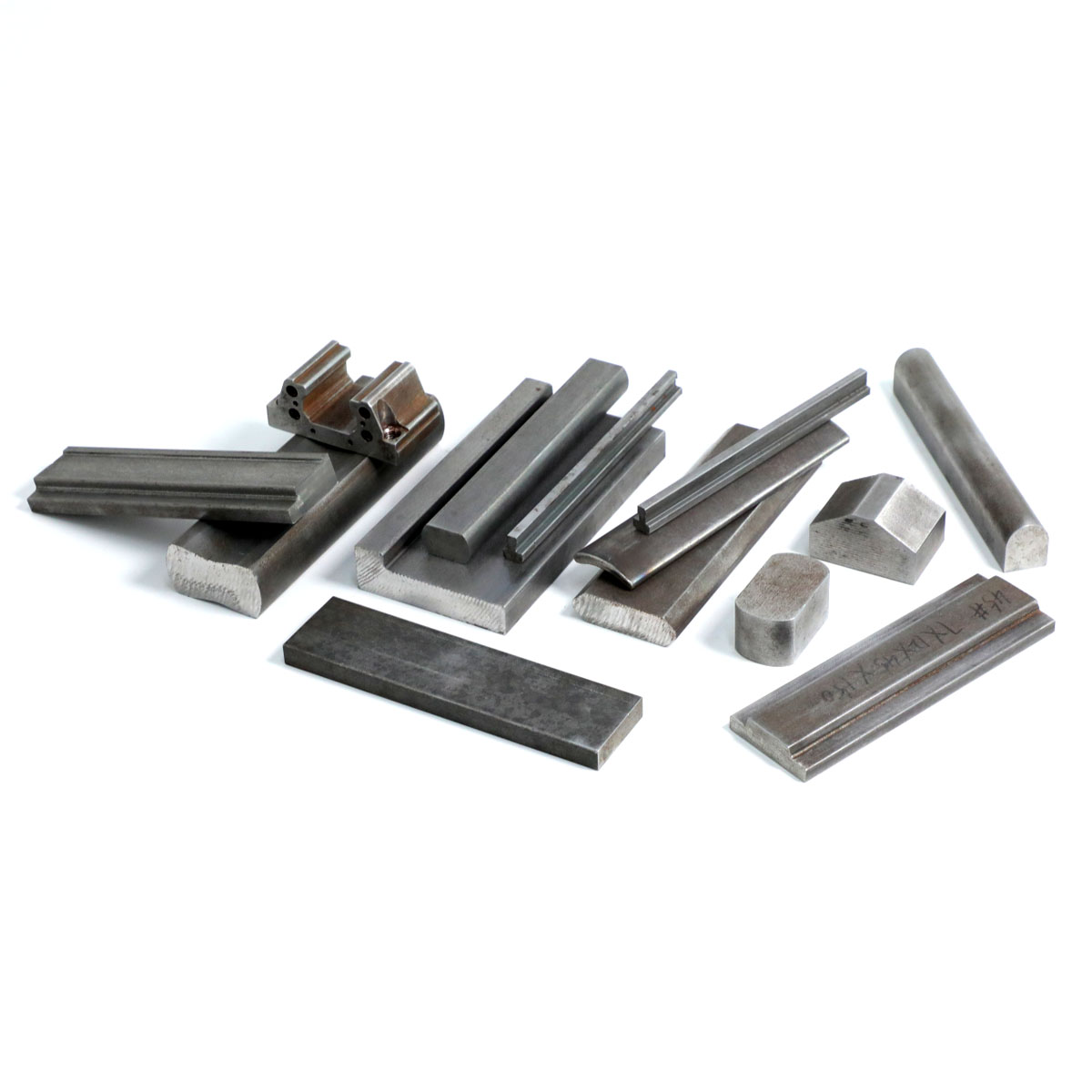
Core Mechanical Advantages of Steel Profile in Industrial Frames
Ductility and brittle collapse prevention under moving and seismic loads
Energy absorption and ductility, combined with Steel profiles' high tensile strength, allow industrial frames to withstand collapse under large seismic and impact deformations, while brittle frames of other materials absorb loads (and thus collapse). Seismic tests have shown that steel structures withstand more than seven times the limit of deformation in comparison to concrete structures. This phenomenon is directly linked to the controlled plastic deformation that steel structures experience at their connections, while the structure maintains stability. This ductility results in a predictable nature of steel structures, leading to the collapse of steel frames in a ductile manner that gives the occupants time to evacuate, therefore ensuring life safety during the event. This feature aligns with modern life safety codes ASCE 7 and AISC 341.
Lighter long-span membrane structures due to high strength-to-weight ratio of steel
Compared to other frame materials, the use of steel frames is cheaper and allows for large spans (due to their light weight nature). The massive structural steel frame results in a weight reduction of spans by approximately 60% compared to using mass concrete frame systems. It is possible to achieve spans greater than 30 m, which is useful for large manufacturing structures and due to the light weight of the system, the frame results in a seismic frame with lower seismic loads and inertia. For large structures (less than) 30 m spans, the use of portal frames with mass profiles have resulted in a significant improvement in the usable floor area and energy efficiency.
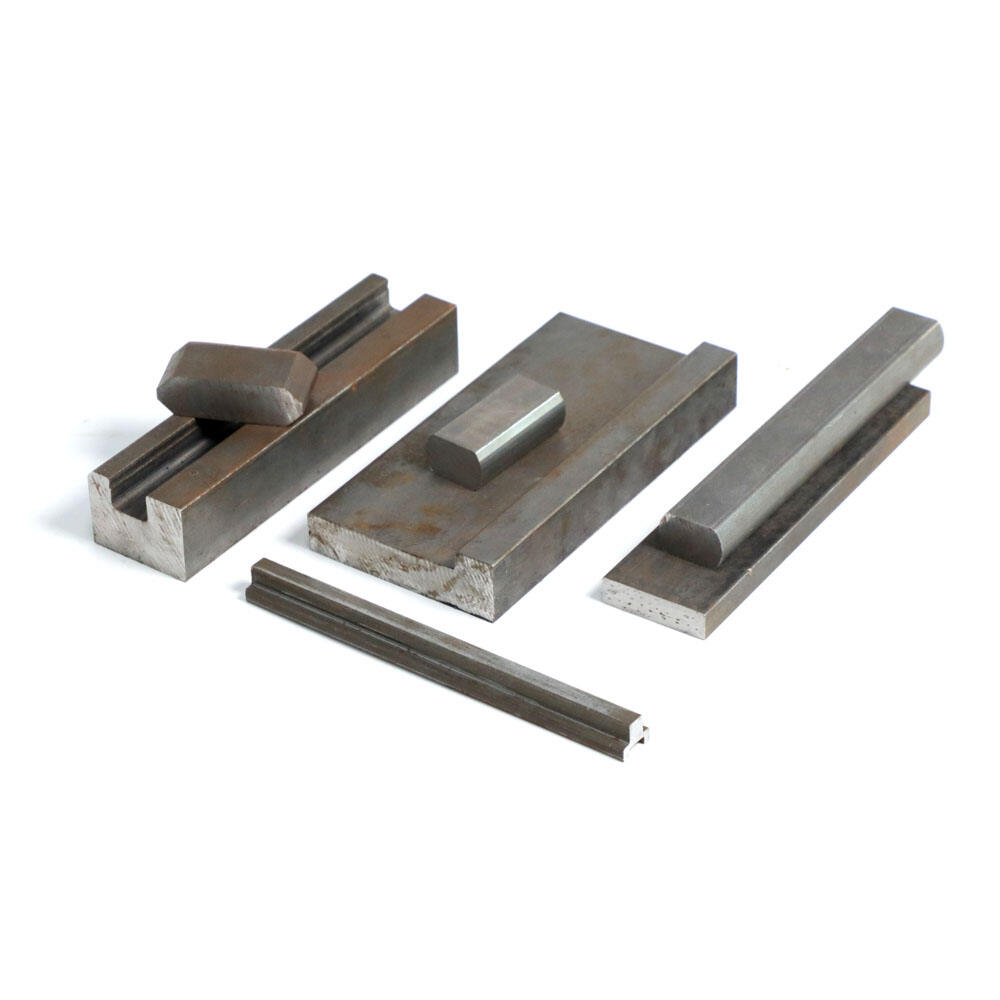
Load Bearing Ability for Steel Profiles Across Frame Structures.
Varied Steel Profiles' Ability to Acquire Creep on Heavy Machinery Loads and High Cyclic Stresses.
The dimensional stability of reinforced steel profiles is excellent for continuous and demanding industrial applications where creep, fatigue and permanent set does not waste away some of that dimensional stability. Most industrial structurals maintain that stability under the above mentioned working conditions. High yield strength steel structurals (ranging between 350 550) how all flexing occurs and instantaneously returns to its original working shape. The Industry Standard grade yield strength for steel profiles is approx 250 MPa for the grade steel industry, which is standard for most profiles in the industry, provides that the system for controlling that stability does not initiate cracking that does not (microly) control cracking, by remaining below that means that the system from which is operating does not initiate that. The cracks themselves are distributed throughout the structure and, although hard to notice, the system dissipates. The system of control of those cracks does not initiate them. The metallurgical system of control is related to the distribution of those cracks throughout the structure.
Moment-resistant connections.
Considerations for portal frames include balancing moment resistance and base stability. In portal frames, H- and I-beams are likely to credibly serve beneficial integrative load-bearing roles. For rafters and purlins, H- and I-beams are preferred to T-beams, where the flanges are tapered to optimize bending and therefore provide efficient resistance to moments in the roof. In protal frames, H-beams that possess uniform web and flange thickness are used as purlin beams while I-beams are used as raisers.
Connection Design and Detailing: System-Level Stability and the Role of Steel Profile
Both bolted and welded connections and their effect on rotational constraints, drift rates, flexural rigidity of frames
Frame behavior is impacted based on the connection type: bolted connections provide flexible or adjustable rotational constraints, which facilitates the accommodation of thermal expansion and the reconfiguration of the frame, making them very suitable for modular and adaptable buildings. In most industrial applications, high-strength bolts provide the required frame rigidity and also relieve the frame from stress. On the other hand, welded connections create a rigid frame, which help reduce the amount of drift and lateral frame drift, which can be as high as 30% for welded connections and as low as 0% for frame connections, which is important when the deflection limit is as small as ± 0.2% of the frame span. Welds create a heat affected zone which need to be post weld inspected and will also require the frame to be stress relieved for the high in service as opposed to the intermittent environment throughout the weld. Each connection joint design has to accommodate a thermal expansion of the steel, an average of 12 × 10−6/°C, through the use of slotted holes or expansion joints.
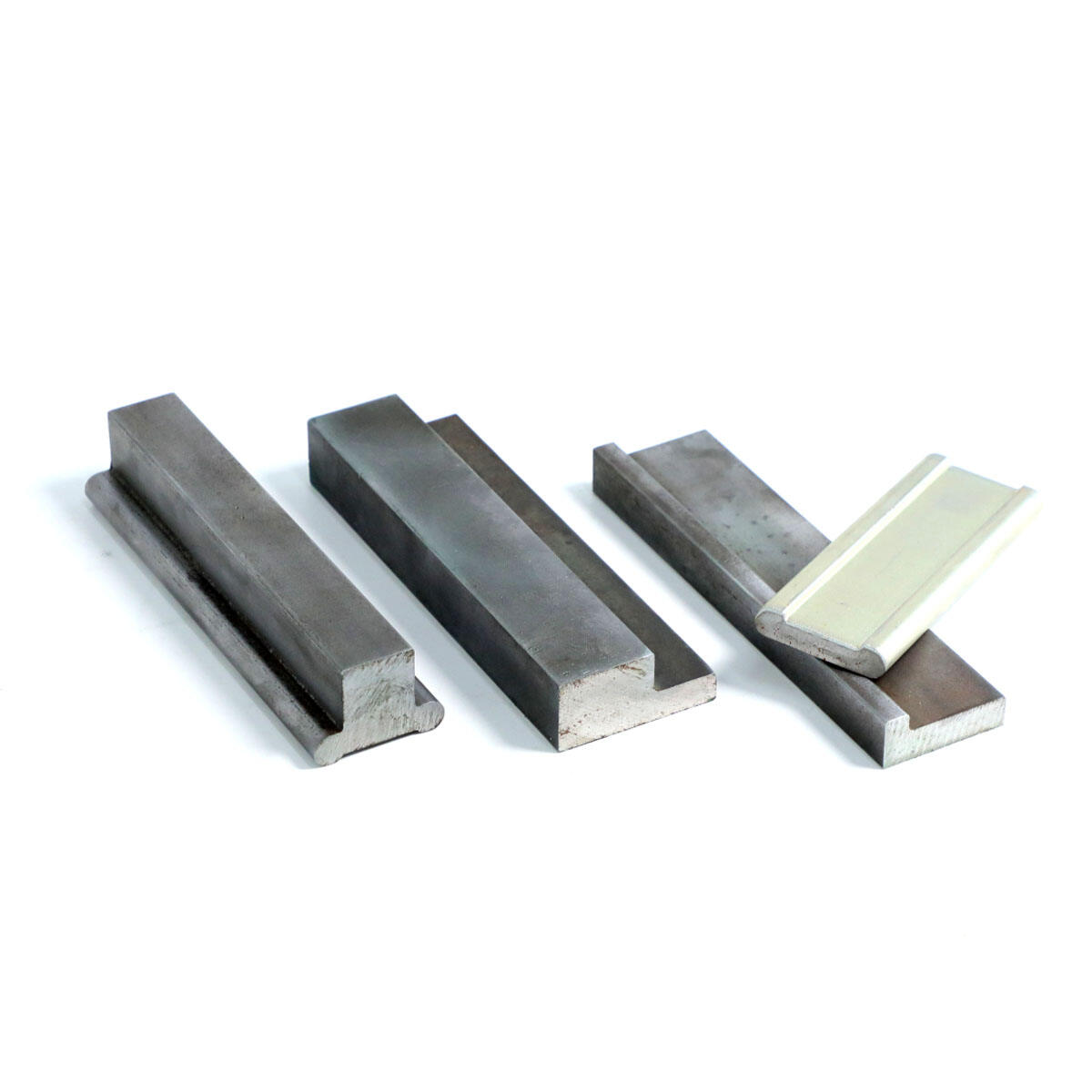
Profile Steel's Endurance in Corrosive Hazardous Environments
Chemicals, smoke, vapor, and dust particles corrode steel in industrial situations, posing a challenge to manufacturers. Yet, steel's long-lasting and corrosion-resistant nature can be further enhanced. Steel's long-lasting and durability can be attributed to a process called E-A-D. Hot-dip E-A-D uses metallurgically bonded zinc, which is an anode that extends the corrosion of the base metal beyond the zinc. For enhanced protection of steel in locations which have higher corrosion, such as petrochemical or waste treatment facilities, additional stacked E-A-D applied on top of the galvanizing results in the same effects as galvanizing, without the costs of galvanizing. When combined with routine visual inspections and targeted stripslashes, this multi-tiered defense preserves structural integrity for decades. The result is an E-A-D factor that is higher than other materials such as timber, masonry, or untreated metals. As a result, the material of choice for E-A-D is steel.
FREQUENTLY ASKED QUESTIONS (FAQs)
Why Choose Steel as the Main Component for Building Frames?
With a combination of high tensile strength, ductility, and resistance to dynamic and seismic loads, steel is the ultimate building material.
What is the Advantage of Building with H-beams and I-beams?
I-beams are used as rafters due to their optimization for bending moments, while H-beams are used in industrial frames due to their enhanced stability and bearing capacity.
How does Steel Stand up to Seismic Conditions?
Steel can deform without failure, and unlike other forms of building materials, it does not fail in seismic situations.
What strategies are there to prevent corrosion in industrial steel frames?
Aggressive industrial settings warrant stronger protection against corrosion, such as the use of duplex systems or hot-dip galvanizing.
Which are better for industrial frames, bolted or welded connections?
There are merits to both approaches. Bolted connections are flexible and simple to implement, whereas welded connections are more durable and may reduce drift in the frame, but require careful mid/post-assembly inspections and additional heat treatment.