
 EN
EN
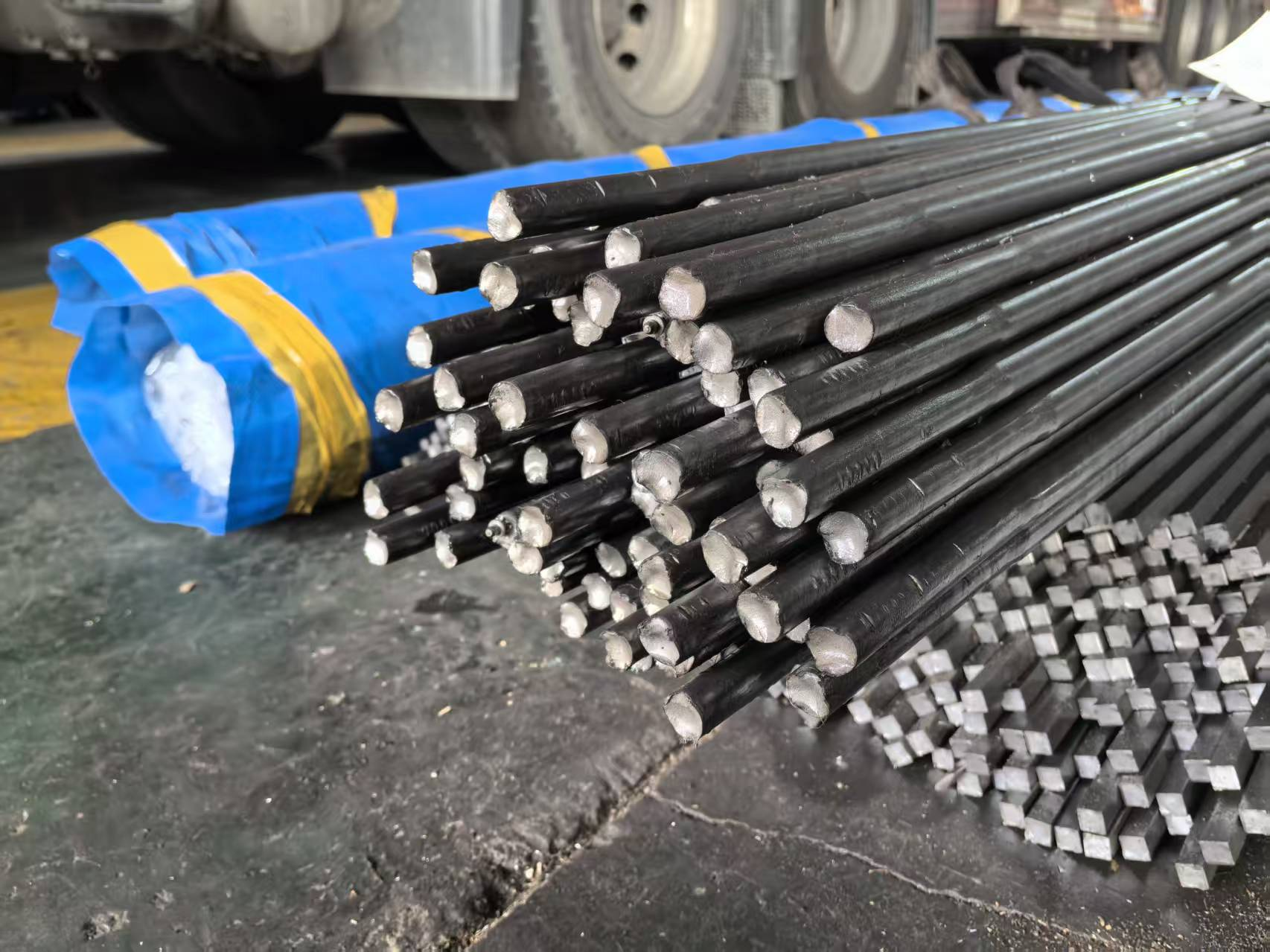
Mechanical Properties of C45 Steel After Quenching and Tempering
Effects of Tempering and Quenching on Tensile Strength, Yield Strength, and Hardness
C45 steel shows considerable balance between workability and strength due to the microstructure alteration of C45 from standard quenching and tempering (Q&T). The average tensile strength lies between 700-850 MPa and the average yield strength lies between 450-600 MPa validated through ASTM E8. The standard post tempering shows average hardness between 25-32 HRC validated through ASTM E18. This combination shows the capability of the steel to structurally hold under static and dynamic loads. In the table below are summarized some of the important key mechanical properties:
Property Typical Range (Q&T) Test Standard
Tensile Strength 700-850 MPa ASTM E8
Yield Strength 450-600 MPa ASTM E8
Hardness (HRC) 25-32 ASTM E18
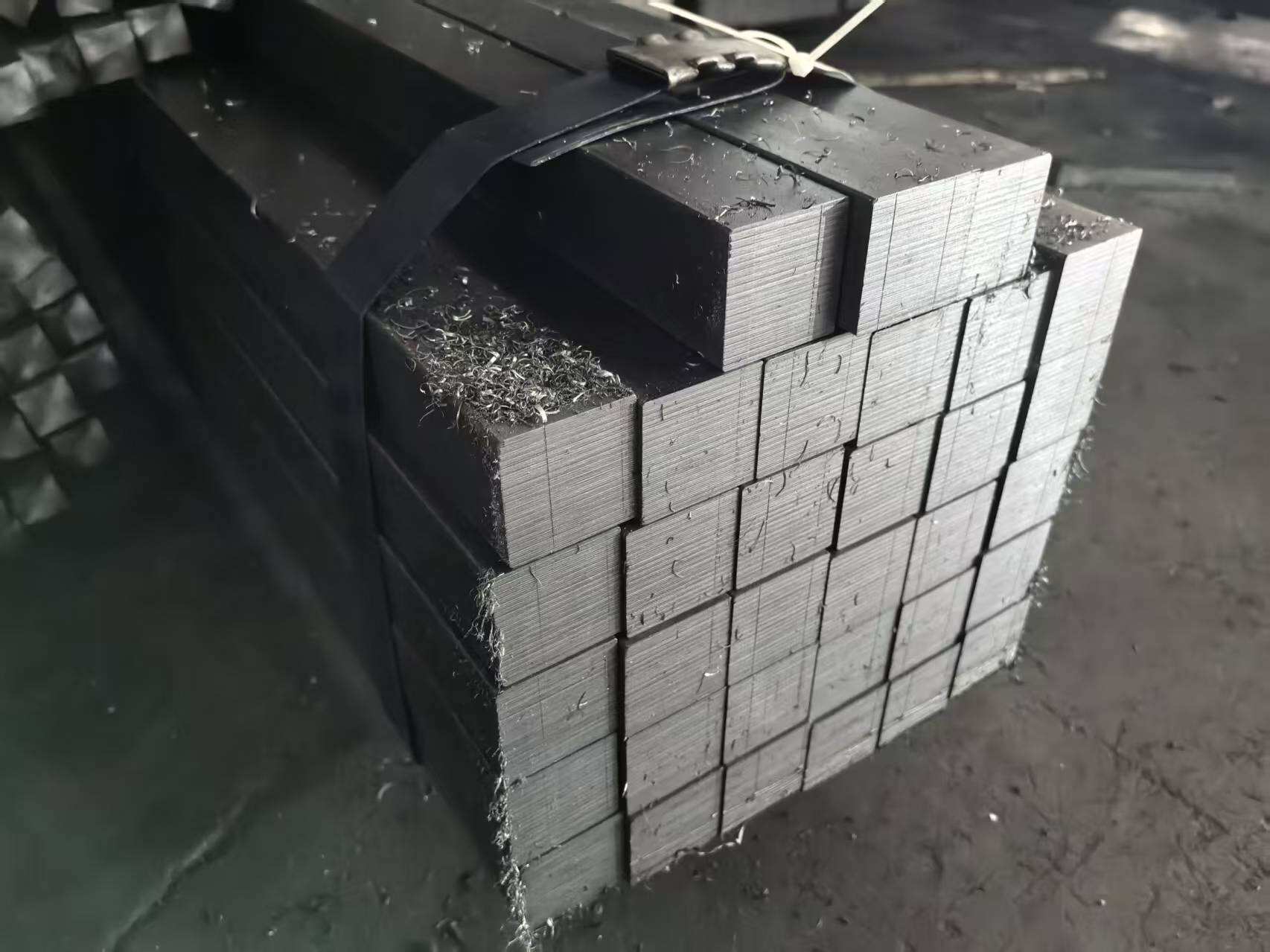
The Effect of the Balance of Toughness and Hardness in Dynamic Components
The optimal balance complete of brittleness reduction to complete fatigue resistance is reached through tempering at 550°C. The impact toughness is at a range of 30-50 J (ASTM E23). This shows complete resistance of crack initiation on shafts and gears that undergo cyclic stress. The core shows average ductility of 8-12% elongation. This is more than sufficient ductility to withstand the complete overload without the post fracture exhibiting any brittle characteristics. This dual-character is crucial to adequate safety and reliability in fatigue failure engineered systems.
C45 Steel Use in Shaft and Gear Applications
Examples of design applications include Drive Shaft, Main Spindles, and Gears for Power Transmission.
With predictable strength and toughness required in applications, C45 steel is specified for rotating components that are in concern of high stress. Drive shafts with C45 steel benefit high torsional rigidity. C45 also is preferred for spindle and tool maker main spindles as the C45 surface remains hard and stable after hardening. Gears in the Power Transmission industry as well as those in automotive drivetrains benefit C45 steel as the hardened surface of the steel is resistant to in service fatigue as well as surface wear. An additional advantage is that the tough core of the steel prevents bending fatigue. C45 steel provides designers the advantage of having wear resistant surfaces and core of the steel that is shock absorbing. C45 can be heat treated to achieve specified toughness of a particular design.
Machinability and Precision Manufacturing of C45 Steel Components
CNC Machining Performance, Surface Finish Quality, and Tool Life Considerations
C45 steel contains 0.42–0.50% carbon and, once quenched and tempered, produces a uniform microstructure with a hardness of approximately 200–250 HB. This makes C45 steel a material that offers exceptional performance in high-precision CNC machining. C45 supports aggressive machining parameters and reduces machining cycle times by approximately 15% compared with more alloyed steels, due to less tool wear. Surface finish requirements for various engineering applications, such as components that incorporate sealed surfaces (gear teeth & bearing journals), are consistently satisfied with a surface finish of Ra ≤ 1.6 μm. This is attributed to three factors outlined below:
- Continuous - Cut Chips: Chips that are ductile and segmented, reducing built-up edge
- Superior - Thermal Conductivity: Tool hardness is preserved
- Uniform - Microstructure: Less tool wear
The stability of C45 aligns and repeats within ±0.001 inch for high-volume production. C45 has low residual stress following the quenching and tempering which results in less post machining distortion, and a redesigned quenching process further enhances C45’s surface integrity. These traits prolong tool life and lower the cost of production by approximately 20% to 30%.
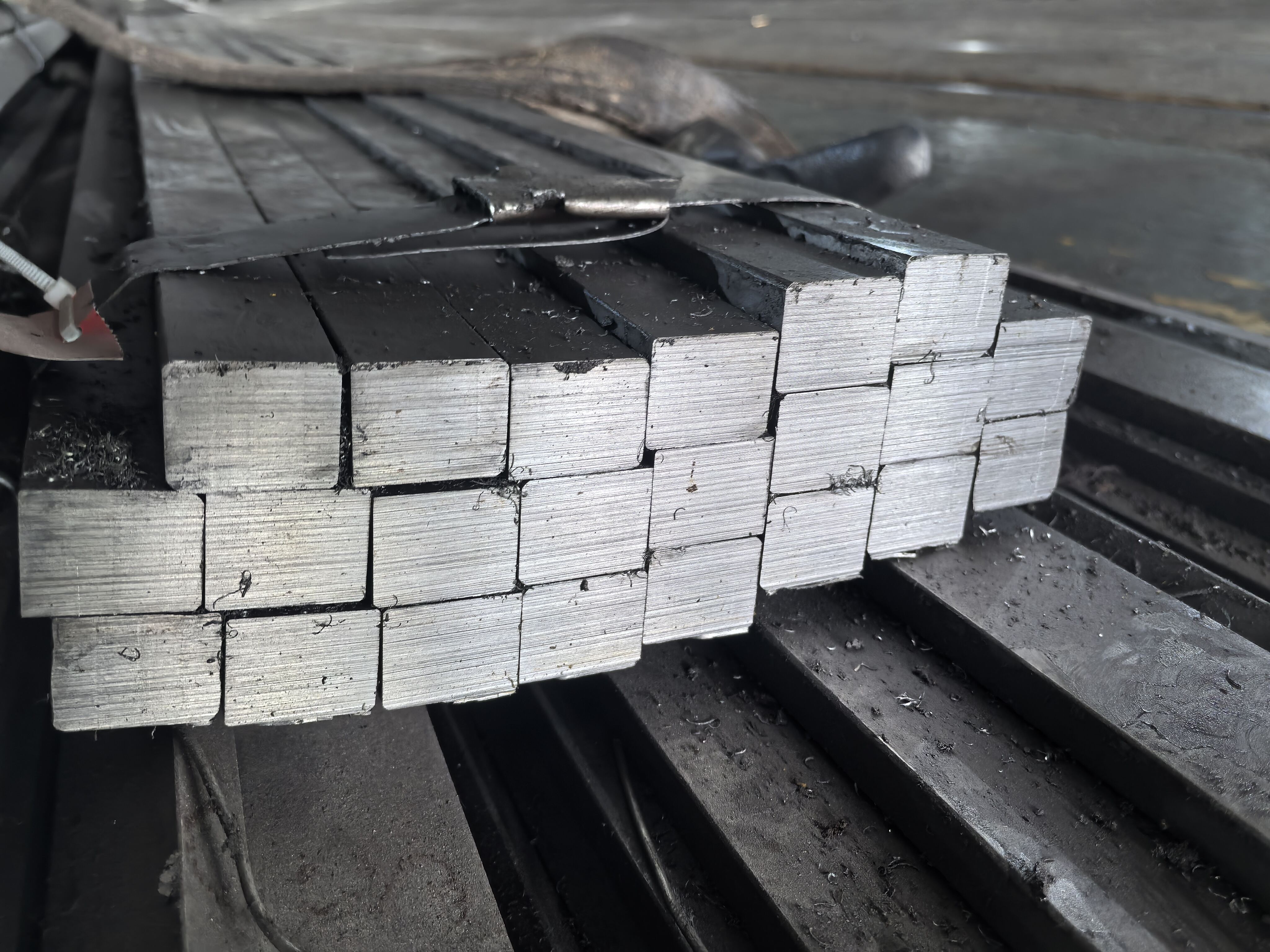
Fatigue Resistance and Wear Performance in Dynamic Service Conditions
Surface Hardness vs. Core Toughness: Optimization for Bending Fatigue and Contact Stress
One method of creating a gradient in metallurgical structure is through the process of Quenching & Tempering (Q&T). C45 steel developed internal gradients through the Quench and Tempering process. The surface becomes hardened and reaches about 55-60 on the Rockwell C (HRC) scale. This hardened surface reduces the impact of wear through the adhesive and abrasive wear processes primarily focused on the surface of the steel. The surface retains the chips while the steel endures the damages caused by wear. The structure of the steel helps to absorb and dissipate the the cracks that could have formed. The hardened surface helps to reduce the length of cracks in surfaces that contact each other and mesh. The steel surface remains strongly bonded and retains shape even after millions of interactions. The case structure remains intact for the tempered steel. For numerous cycles carbide structure cracks would develop, thus the steel would need to be tempered properly to retain case structure cracks within the surface. The tempered surface would be justified to extend beyond 10e6 cycles while in the industrial realm. While the hardened case is connected to the wear resistance of the case surface fractures.
FAQ
What are the key mechanical properties of C45 steel after the Quench and Tempering processes?
Quench and tempering results in C45 steel achieving a tensile strength of 700-850 MPa, rods with a yield strength of 450-600 MPa and a hardness of 25-32 HRC.
Why temper C45 steel at 550?
Tempering C45 steel at 550°C enhances the fatigue resistance of the tempered surface, while also decreasing the brittleness of the case.
What are the primary advantages of C45 steel in demanding situations?
C45 steel exhibits torsional rigidity, exceptional fatigue strength, and good strength-toughness synergy, making it well-suited for drive shafts and power transmission gears.
What performance does C45 steel have in CNC machining and precision manufacturing?
C45 steel is suitable for high-precision CNC machining due to its balanced carbon content, resulting in good surface finish and longer tool life.
How does the metallurgical gradient influence the performance of C45 steel?
The gradient from quenching and tempering develops tough cores and wear-resistant surfaces, optimizing performance for bending fatigue and contact stress.