
 EN
EN
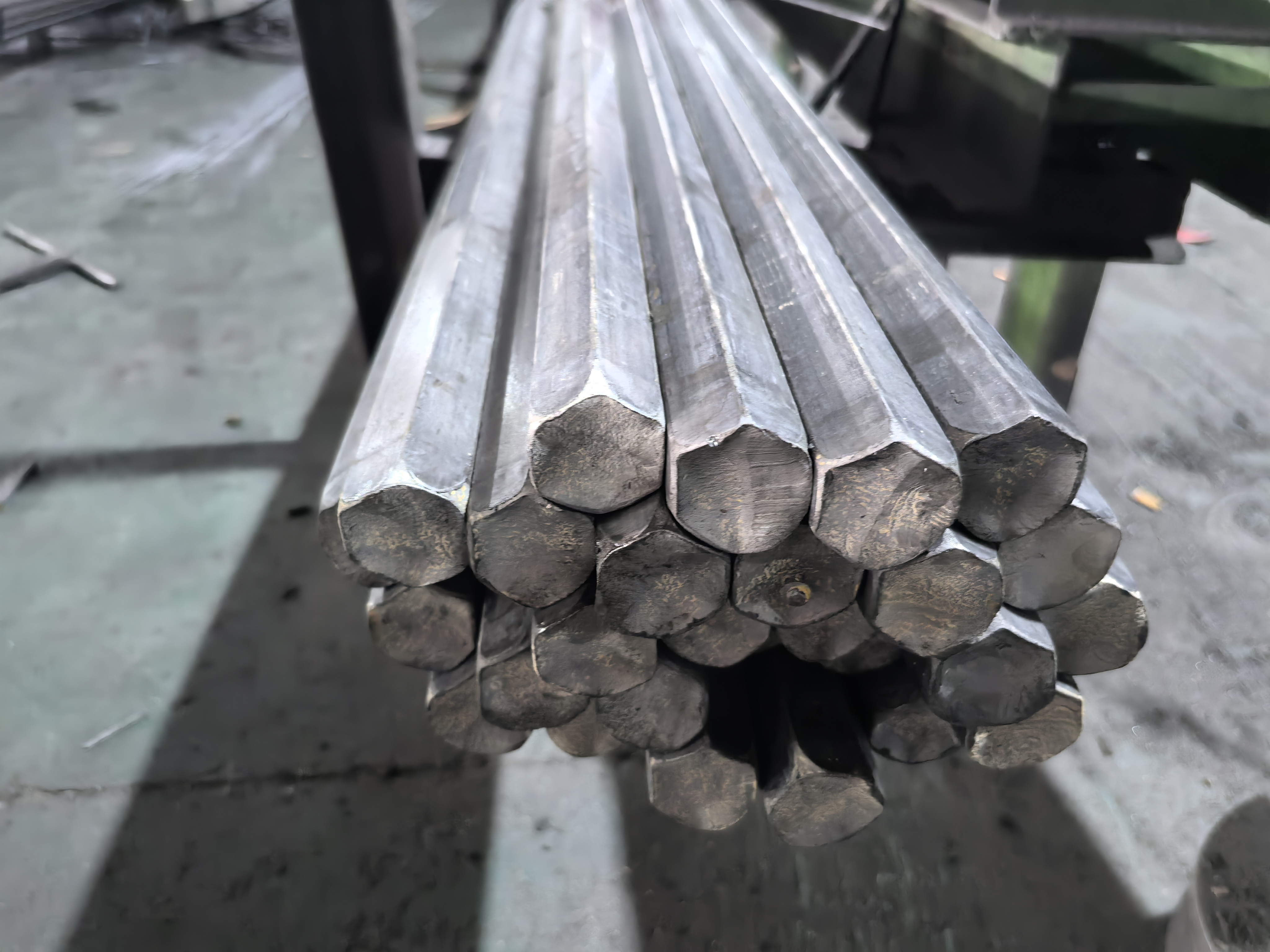
Flat Steel Bar as Main Load-Bearing and Bracing Elements\n\n\nHe's got good proof\n\n\nThe exceptional strength of flat steel bars is the result of carefully controlled carbon content and the precision of the hot rolling operation. Steel bars yield strength close to or above 345 Mpa and possess the ability to extend over 20% and break. This combination is critical to the extend of El seismic forces with out brittle failure. This material's ability to bend and snap allows the design of supporting elements that are sufficiently strong to carry the weight of the building and the lateral loads caused by wind. Under these conditions, it is for this reason that engineers certainly prefer the use of flat bars for the lateral supports of high rise buildings. For these purposes, architects need materials that are capable of controlled plastic deformations and high energy absorption to be made during sever conditions.
Performance Comparison with Angle and Channel Sections in Tension and Compression
Due to their nearly even structure, flat bars perform better than angle sections in tension applications by about 15 to 20 percent. Less issues with joint failures down the line are to be expected due to the even load distribution caused by uniform cross sections. Channel sections, however, outperform flat bars in terms of buckling issues in compression. Flat bars are better for parts of the structure where tension is the most important. Better efficiency in the overall structure occurs when using hybrid methods; for example using axial tension flat bars with compression tubular sections. Additionally, flat bars can be used to simplify modular construction due to their manufacturing tolerances, which are typically within +/– 0.5 mm.
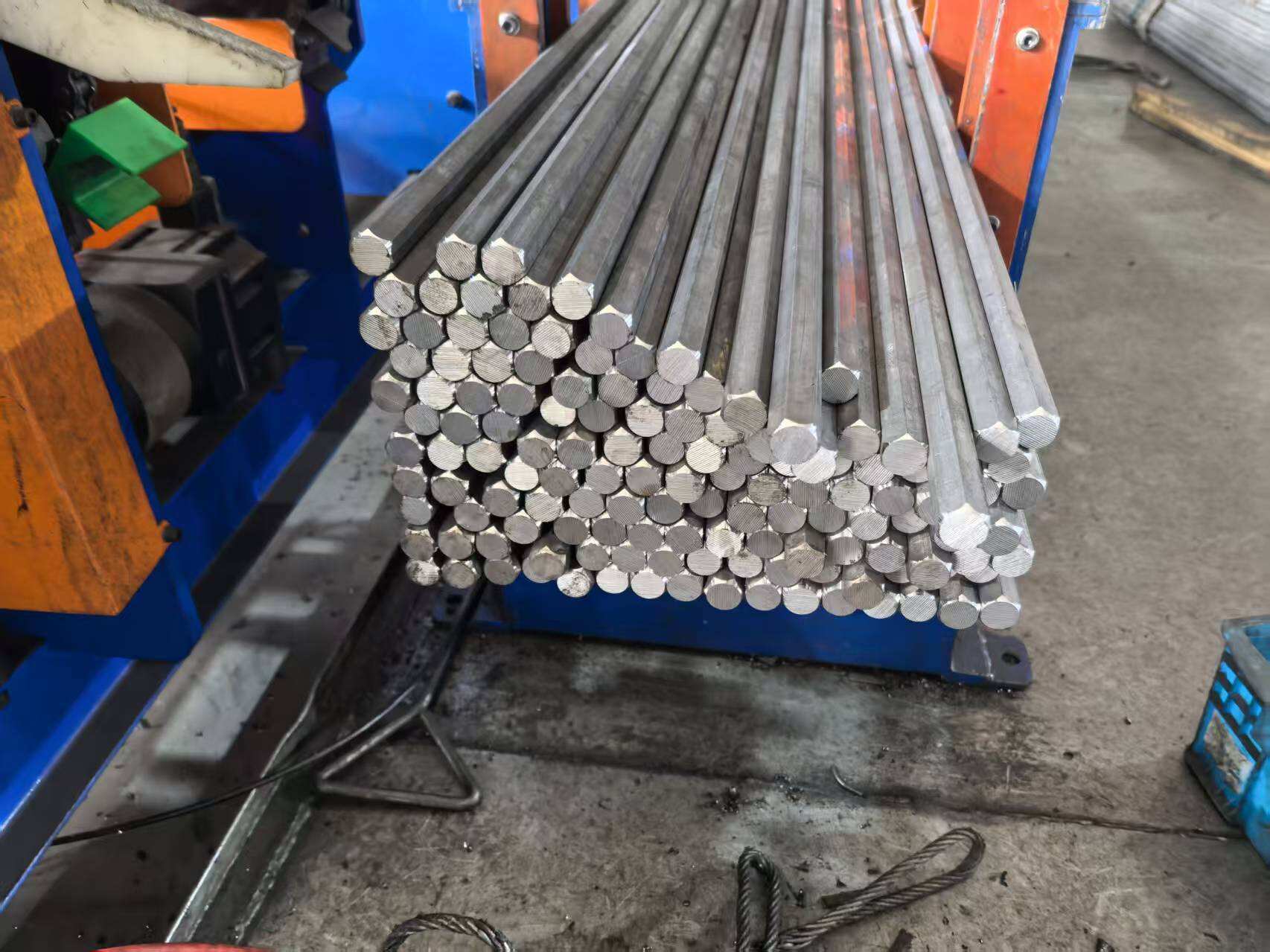
Importance of Flat Steel Bar in Bridge Construction
Reliability of Gusset Plate Fabrication and Connections
Flat steel bars have taken over other types of steel in the construction of gusset plates in bridge trusses and connectors. This is due to their consistent thickness, ease of working while manufacturing, and even mechanical properties in all directions. Welding, drilling and laser cutting for instance, to perform complete penetration welds is much easier. Those welds definitely need to be strong because the connection efficiencies in the gusset plates can be over 95% in a simulated earthquake test. The AASHTO standards state that the shear resistance of a well executed weld is greater than 200 ksi, which is critical in an actual functioning bridge. The modern incorporated design have justified the dimensions of flat steel bars and created a number of load paths and detailed design connections, like in AASHTO LRFD 6.13. It is a fact that contemporary engineering design integrates the dimensions of flat steel bars and creates a number of load paths.
Compliance with AASHTO LRFD for Service Life and Resistance to Fatigue
Bridge components will experience constant traffic loads and the components will experience well over 100 million stress cycles during the 75 years design life of the bridge 75 years. The AASHTO LRFD requires minimum fatigue resistance for bridge components. Flat steel bars also comply with AASHTO LRFD fatigue standards as a result of the microstructure in the direction of the bar that is optimally aligned, has a control of non-metallic inclusions, and crack stopping characteristics. Laboratory testing has demonstrated that these bars have a fatigue strength of approximately 24 ksi after 2 million cycles, which is approximately 35% greater than that of comparable angle sections and at minus 40 degrees Fahrenheit they do not lose their toughness. The additional capacity this offers allows the engineers to design using the required resistance factor of approximately 0.95 and reduce the thickness of the webs up to 20%. An average of 15 tons is saved on an average steel truss bridge. As part of the AASHTO LRFD Section 6.6, Category B fatigue details, all important weld locations are continuously ultrasonically tested as a part of the fabrication process.
Flat Steel Bars offer Strong Possibilities as Bracing for Building Frames and Seismic Bars
Weldability, Dimensional Stability, and Modular Frame Assembly
Flat steel bars have a consistent and uniform cross section, which makes them considerably easier to weld compared to other bars with uneven or inconsistent cross sections. Distortion is less noticeable when welding flat steel bars and they exhibit superior dimensional stability to other bars when subjected to repeated thermocycles. This is a significant advantage when working with prefabricated structural members, as bars need to maintain their shape. In laser cutting, flat bars are generally regarded to have a tolerance of +/- 1.5 mm, which makes field fit-up easier. This is generally recognized and accepted. It is easier and faster to field fit-up flat steel frames as the need to conduct field adjustments is greatly reduced, making it easier to fit the frames to the prefabricated structural members. Not to mention, modular frames are structurally sound and provide support as beam-to-column connections as well as supporting braced frames, which are commonly used in contemporary building construction.
The Role of Applications in Seismic-Resistant Shear Walls and Moment Connections
The use of flat steel bars is important in seismic shear design parallel to energy absorbing shear walls and beam-column connections that require additional flexibility. The ductility of these bars is at least 20% per ASTM standards to develop the intended plastic hinges during seismic activity and safely absorb the seismic energy and not allow the building to fail. In special moment frames, these flat bars are designed to distribute the forces at the welded connections instead of concentrating the forces at one connection. This is said to reduce localized failures by approximately 66%, although the conditions are case dependent. The bars are designed to have a good ratio of yield strength to tensile strength, so that the bars bend before reaching the ultimate fail level. This behavior is considered a good design feature to enhance public safety, to ensure that a building does moderate to severe shaking and not collapse.
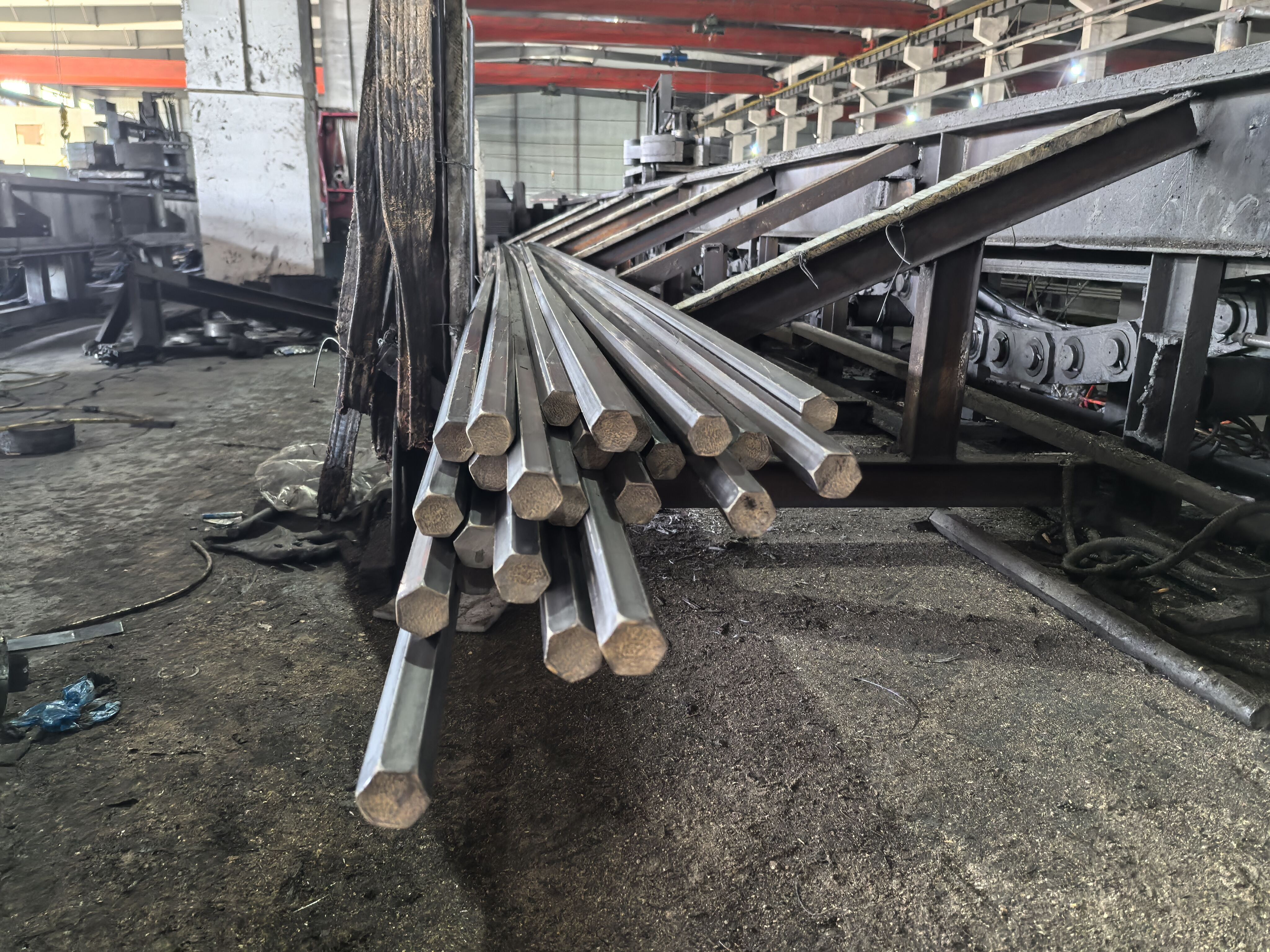
The Importance of Specialized Flat Steel Bars in Energy Infrastructure
Corrosion protection is vital for steel used in energy infrastructure that is exposed to severe environments. For offshore platform construction, marine-grade stainless steels such as 316L and 2205 duplex alloys are commonly used. These duplex alloys are only slightly more expensive than their stainless steel counterparts, and their PREN values are greater than 40, indicating good resistance to chloride corrosion and maintaining a tensile strength of greater than 70 ksi. For electrical substations, the primary construction material for the supporting structure of transformers and switchgear is hot dip galvanized flat bars. These bars are compliant with the ASTM A123 standard and are used in environments with chemically corrosive and moist air. Specialized steel grades combine stress corrosion cracking resistance, yield strength greater than 65 ksi at -40 oF structural integrity, and a Cr-Ni-Mo alloy content. Additionally, the steel grades possess a carbon content that is less than 0.03%, which facilitates welding and minimizes cracking during the fabrication of thicker sections. The bars are also designed and manufactured to provide the best reliability during dynamic load transfers and seismic event protection, which are standard in the energy sector.
Frequently Asked Questions
What advantages do flat steel bars offer for use in structures designed to withstand earthquakes?
Because of their unique properties such as strength and ductility, flat steel bars can withstand seismic activity and are less likely to fail and break than other construction materials.
What is the performance of flat steel bars in regards to tensile strength and compression strength?
Because of their mold capacity, flat steel bars can lift tensile loads well and are good because their loads can be displaced evenly across the bar, making the load easier to lift. On the other hand, channel shapes are said to be better than bars in displacement.
What reasons explain the use of flat steel bars for gussets in bridge construction?
Dependable, flat steel bars have consistent properties in mechanical behavior and dimensions, making them better construction materials when making stronger gusset plates and connections for bridge construction.
What are the advantages of flat steel bars in the prefabricated frame construction?
The use of flat steel bars in the construction of prefabricated frame construction will allow for less assembly time on the construction site and will help keep the frame's structural integrity inside the steel modular frames.
Which categories of flat steel bars have corrosion resistance in energy sector construction?
The 316L and the 2205 duplex alloys are specified to be of good quality as they have strength and corrosion resistance in construction materials in the energy sector.