
 EN
EN
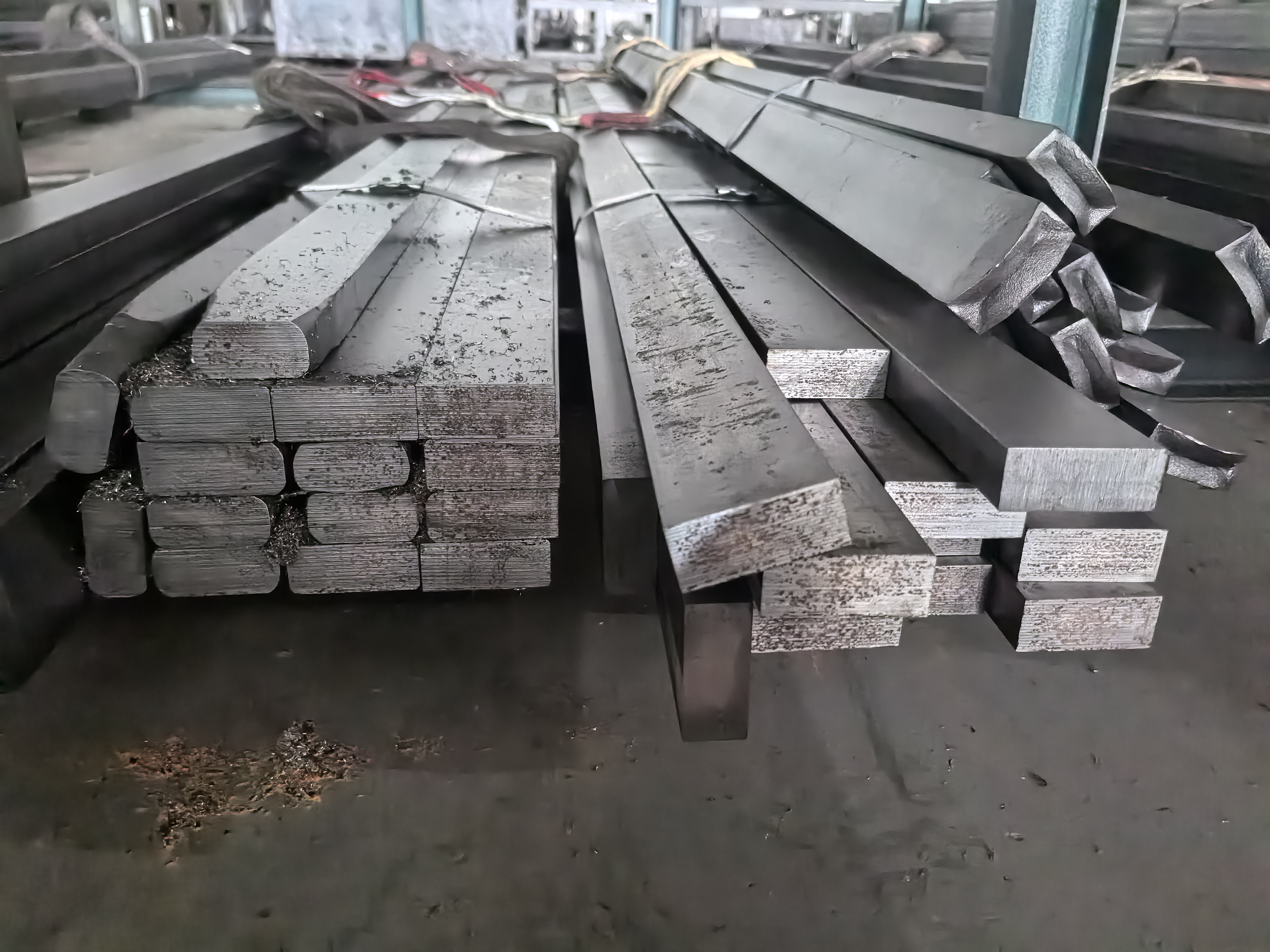
The Benefits of Using Q235 Steel in Structural Steel Projects
Raw material expenses are low because of large-scale production in China.
China produces more than 50% of global steel, and Q235 is the most common form of structural steel produced. This creates a massive and standardized production output from thousands of mills. With local production, structural steel projects are free from tariffs, foreign currency fluctuations, and transportation-related costs that increase the price of steel from US and European competitors. While steel projects using Q235 are compliant with national standards in China, it means that the pricing for Q235 is often 15 - 20% less than the price of imported steel. High volume production of Q235 also means that there is limited risk of delays for projects due to material shortages.
A direct cost comparison shows Q235 has a 25-35% lower base cost per tonne than Q355 and A572 which is a major advantage Q235 has over high strength grades. Q235 prices are likely between $550 - $600 per tonne whereas Q355 and A572 major prices are $750 - $820 and $850 - $900 respectively. This 25% - 35% difference is caused by Q235's simple composition as it is a carbon-manganese unlike other alloyed high strength grades which have chromium, nickel, and vanadium. This makes it a great and safe choice for sizes, parts and grades of construction where high yield strength is not required. It is estimated, when considering a 10,000 tonne project, it would save approximately $2.5 million just on material costs by considering Q235. There is further savings when paired with faster fabrication and reduced labor inputs.
Q235 has good general purpose downgrades and still has a balanced strength and ductility of 235 MPa yield and a 375 - 500 MPa tensile and at least 26% elongation which makes it ideal in general purpose downgrades. It is also great in construction as it has a minimal yield strength of 235 MPa. This minimal yield strength is good for girts, purlins, framing and other similar support systems in commercial and industrial constructs. It has also been scored to be over 26% ductile which is above average and a major plus as it allows for a high plastic deformation which is ideal for overloading or quaking which makes Q235 a safe choice. This is unlike many other downgrades which are less safe as they tend to lose ductility to gain strength. Quality grades are different cause Q235 is downgraded and still manages to be self warning to avoid catastrophic structural failures.
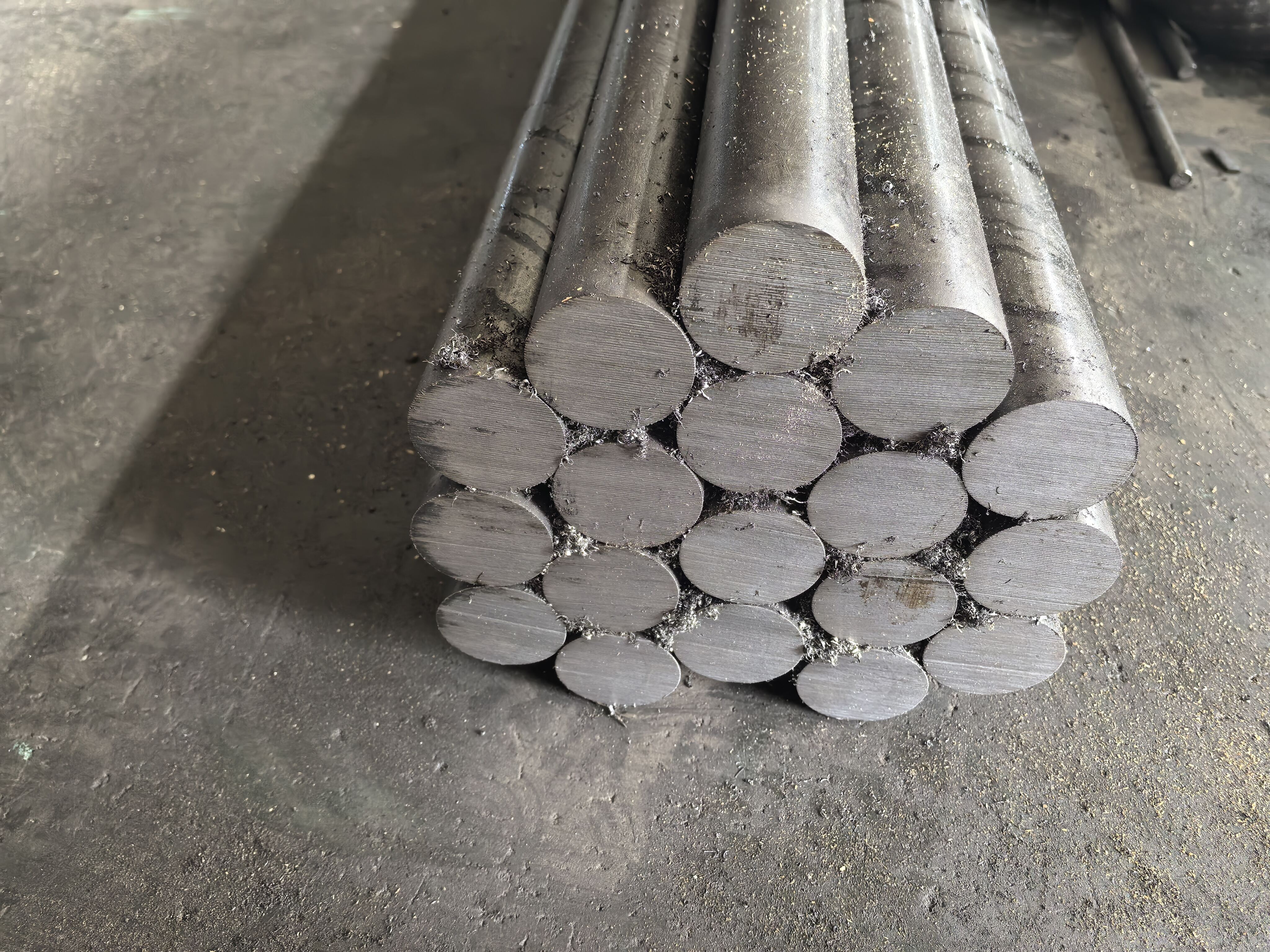
Stress Redistribution Capability due to Strain Hardening — Critical to Non-Critical Framing
A defining feature of Q235's post-yield behavior is strain hardening. This means that after the yield point of a component has been reached, local deformation increases the strength of that region, causing other, adjacent cross-sections to redistribute the load. This load-sharing mechanism improves the overall robustness of the system, particularly for secondary framing members like bracing, cladding supports, and roof purlins. These members are more valuable when they provide redundancy, rather than just ultimate strength. This becomes particularly important in the context of seismic design. In this case, the objective is to allow the structure to deform in a controlled manner, avoiding a catastrophic failure and giving occupants more time to evacuate and reducing the likelihood of the building collapsing. Data from the field, as reported in Engineering Structures 2022, indicates that buildings constructed using ductile carbon steels such as Q235 are 40% less prone to secondary member failures compared to buildings with stiffer, less ductile materials, during extreme loading events. This reinforces the use of Q235 in applications where cost is important and safety needs to be assured.
Excellent Fabrication Efficiency = Lower Total Installed Cost
No preheating for most structural thicknesses and excellent weldability with CEV ≤ 0.40
Q235's Carbon Equivalent Value (CEV) of ≤0.40 results in it being categorized as readily weldable with very high confidence per the ISO 15614 and GB/T 5117 standards. For most standard structural profiles, plates and sections having thicknesses ≤25mm (which are the majority of structural sections and plates) preheating is either not required or is very rarely required. This eliminates a time consuming and energy intensive step that is labor and material intensive with carbon and/or alloyed steels above this specified preheating threshold. It reduces welding preparation labor by up to 30%, and equipment downtime is significantly reduced as well. Preheating also reduces the chance of hydrogen-induced cracking and reduces post-weld distortion, improving first pass weld quality and minimizing the amount of rework required. Fabrication studies show that projects using Q235 tend to have 15-20% faster welding cycle times compared to alternatives that are preheat dependent. This allows for faster shop throughput and quicker installation on site.
The moderate hardness and uniform microstructure of Q235 steel results in significant reductions of tool wear (25%−35% less than HSLA grades like Q355 or ASTM A572). This also translates into less power consumption during machining and faster production cycles. Fabricators have reported saves of 20%−30% faster processing per tonne of Q235 steel when manufacturing products like wall girts, roof purlins, and connection plates this leading to an increase in production volume while decreasing cost. When applied to high volume prefabricated building programs this also results in less labor, machine depreciation, and overhead allocation, leading to a lower overall cost than the initial material price differential of Q235 compared to other HSLA grades.
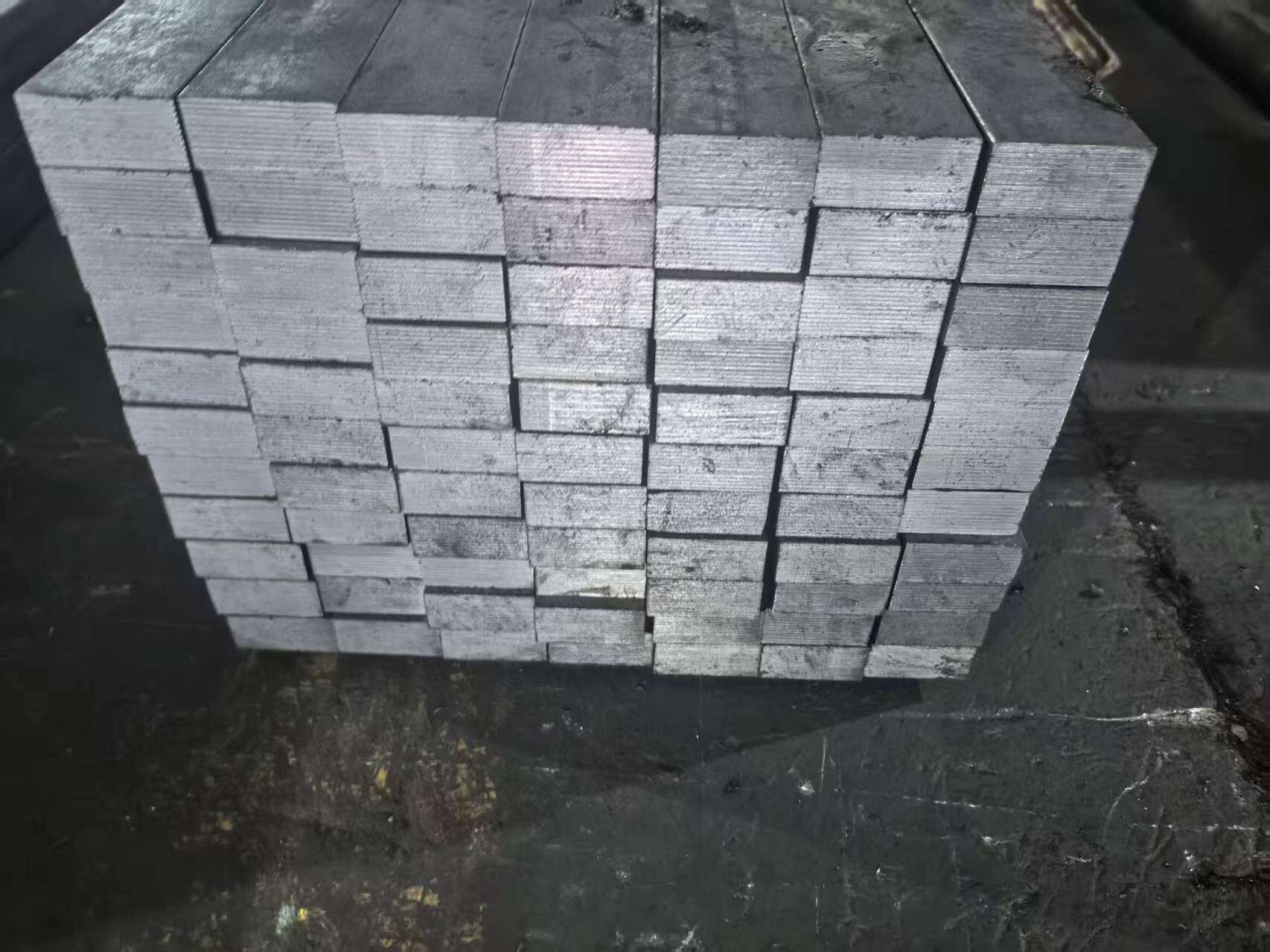
Case studies have highlighted the use of Q235 steel as a highly successful and cost efficient alternative to steel grades previously used in construction.
Between 2020 and 2023, the China Building Metal Structure Association reported that over 12,000 prefabricated industrial buildings (warehouses, logistics hubs, light manufacturing plants) have used Q235 steel for 85% of their non-load-bearing structural frames. The performance of Q235 steel in real-life situations has included maintenance free dimensional stability during cold forming, no preheat required welds, and predictable ductility in response to lateral wind and seismic loads. Program Managers have cited Q235 steel’s performance as minimial rework, and high compatibility with automated systems as major improvements when implementing Q235 across multiple building project. Overall project experience has shown that Q235 steel is an engineering alternative that is highly optimized for cost, construction, and reliable performance.
FAQ Section
What are the main benefits of Q235 steel in structural projects?
The main benefits of Q235 steel (especially from a structural standpoint) are its price and the raw materials associated with its construction. Due to China's mass production and the low costs associated with its materials, Q235 is 15 - 20% cheaper than other materials and production costs in the global market. In addition, users of Q235 save costs associated with imports, foreign exchange, and tariffs.
What does Q235 have to offer in contrast to higher-strength steels like Q355?
Considering that Q235 does not have a high strength yield (dominantly because high strength steels have more alloying elements), Q235 is 25 - 35% cheaper than other higher strength steels. Because of this lack of alloying elements, Q235 becomes an affordable option for projects that might not require a high yield strength, but where safety and serviceability are still important.
Why are the mechanical properties of Q235 important?
It is important for Q235 steel to have a balanced strength (it possesses a Yield Strength of 235 MPa) and ductility (it possesses an elongation of above 26%) because this is important for the general construction purposes that Q235 is meant for.
Is Q235 easy to fabricate?
Yes, Q235 is easy to fabricate with a Carbon Equivalent Value (CEV) of less than 0.40. Because of this, preheating can be avoided for most structural thickness levels. Q235 steel can also be formed the cold way faster than other materials, which in turn reduces installed costs.