
 EN
EN
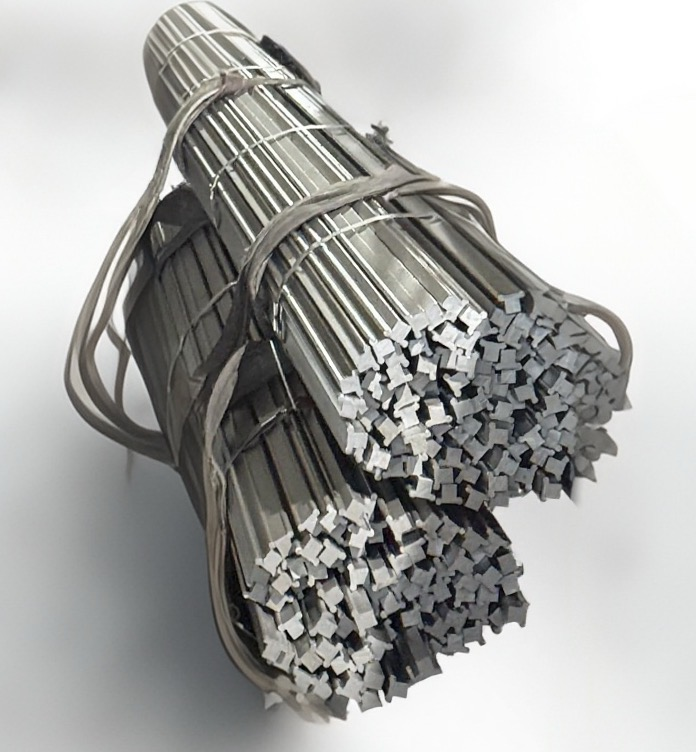
Defining OEM Steel Profiles and Their Importance
In simple terms, OEM steel profiles are custom-made structural components made by Original Equipment Manufacturers. OEM steel profiles are different from standard products because they are made for certain industrial applications, for example, to aid in constructing a framework for buildings or supporting heavy machinery. The construction and engineering to produce these components is thorough and comprehensive to ensure the use of strong materials and accurate dimensions. For companies trying to innovate with new designs, OEM profiles provide an outlet to maintain manufacturing and productivity, while also providing custom-made components that adhere to all of the needed industry standards. OEM steel profiles become increasingly important in the construction of large and complex systems that must operate reliably and efficiently. OEM profiles are needed for advanced and complex manufacturing processes that require custom tailored made solutions to enable companies to develop and optimize their operations across multiple segments.
Why Work with an OEM Steel Profile Manufacturer?
Partnerships with OEM steel profile manufacturers create more opportunities for bulk purchasing deals and cost savings for companies. Partners do not incur overhead costs associated with acquiring tool and other human resources for production. Reports on outsourcing highlight cost savings of 25%-30% on individual parts. OEMs are familiar with the correct material selection for various metal profiles to ensure good mechanical and anti-corrosive properties for applications in a wide range of environments. Increased time to market is also a good advantage gained by OEM partnerships. Rapid prototyping and reliability testing can be performed by the OEMs CAD and CNC tools. To ensure compliance with ASTM, ISO and other relevant standards, OEMs can prepare and file the required documentation. On-demand production shifts are a feature offered by OEM partners to accommodate changes in market demand. Finally, uniform finish quality and tight ship dates optimize the supply chain during unpredictable market changes.
OEM Steel Profile Design and Specification Guidelines
Selection of Materials and Grades
When it comes to the procurement of components, materials play a big role in the efficiency, longevity, and upkeep in terms of cost of a component. Structures that hold the most weight use a carbon steel which has optimum strength, while environments that are at risk of rust and corrosion, such as coastal and chemical processing plants, benefit from the use of stainless steel. With materials used in large engineering projects, compliance to standards such as ASTM and EN are reviewed to ensure that materials are suitable. An example of an engineering-grade steel is S355J2; it is suitable for high load supportive components as it has a minimum tensile strength of ~470MPa. Prior to processing an order, the manufacturers must review the mill certificates and corresponding chemical analysis to ensure that it ties back to the claim on the material. Omitting the review of these documents will result in problematic scenarios such as premature component failures.
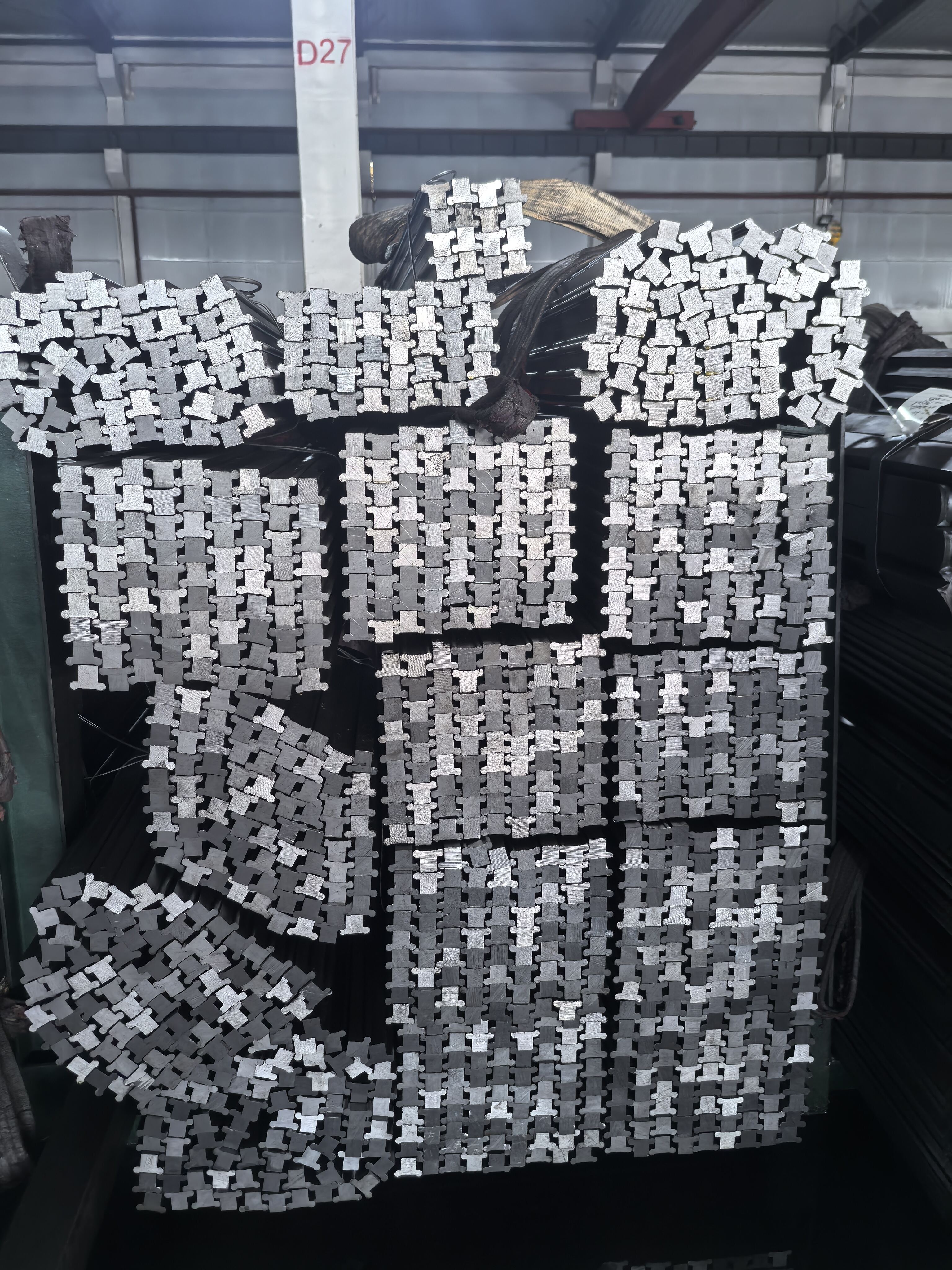
Tolerances, Surface Finish, and Dimensional Precision
When precision engineering is done correctly, it minimizes assembly issues and manufacturing disruptions. For automotive frames, tolerances of about ±0.1 mm are very beneficial as they help avoid issues caused by minor misalignments. Renewable energy installations also require precise tolerances to ensure perfect fitting components. Surface finishes, such as powder coatings and galvanized steel, help parts withstand harsh environmental and mechanical conditions. Maintaining a dimensional consistency is good practice, but it is especially beneficial with large volume manufacturing. Consistency reduces scrap rates by 30%. Moreover, advanced laser scanning technology quickly evaluates every design profile, ensuring every product is as designed before leaving the factory.
OEM Steel Profiles in a Variety of Industries
In order for original equipment manufacturers to achieve success in specialized, performance-driven sectors, a capability to customize fabricated steel profiles becomes essential. Engineered to exacting specifications, these components are structurally robust and designed to perform in extreme and harsh environments where store-bought components are ineffective. In aerospace and heavy equipment manufacturing, for example, custom shapes steel are required for a load of extreme magnitude. Having longer useful lives from corrosion, and meeting the various, and often, more stringent, codes and requirements than unprocessed or generic materials, these custom shapes become critical. In addition to rugged environments, custom shapes are more flexible in design and modification. These profiles are tailored to fit within specific spatial constraints and designed to endure operational stress at specific point. This flexibility, versatility, and tailored design means a more efficient use of material versus more standard profiles.
Applications in Construction, Automotive, and Renewables
Custom steel profiles are vital construction materials. They are used in building earthquake resistant bridges and skyscrapers, especially with special alloys that resist corrosion in coastal areas. In automotive construction, high strength materials are used in the crash management systems. Protective enclosures for the batteries of electric vehicles are also made of high strength materials. In these applications, the manufacturing tolerances need to be in the region of plus or minus 0.1 millimeters especially for safety. Renewable energy applications also use these materials. For example, wind turbines need to have specialized steel profiles for their towers, which are tapered to withstand wind speeds more than 150 miles per hour and help to reduce the amount of material needed to build them by almost 20% when compared older designs. The same benefits are also applicable for solar farms. The mounting systems which need to withstand the elements for up to 30 years, use galvanized steel that is resistant to corrosion.
Choosing the right OEM Steel Profile Supplier
To support high volume construction, automotive, and renewable energy projects, the selected OEM steel profile supplier must have construction and technical capabilities for the projected volume. It is better to select suppliers who have recorded material traceability and are proven resistant to development bottlenecks or delays, which are the best for avoiding expensive project delays.
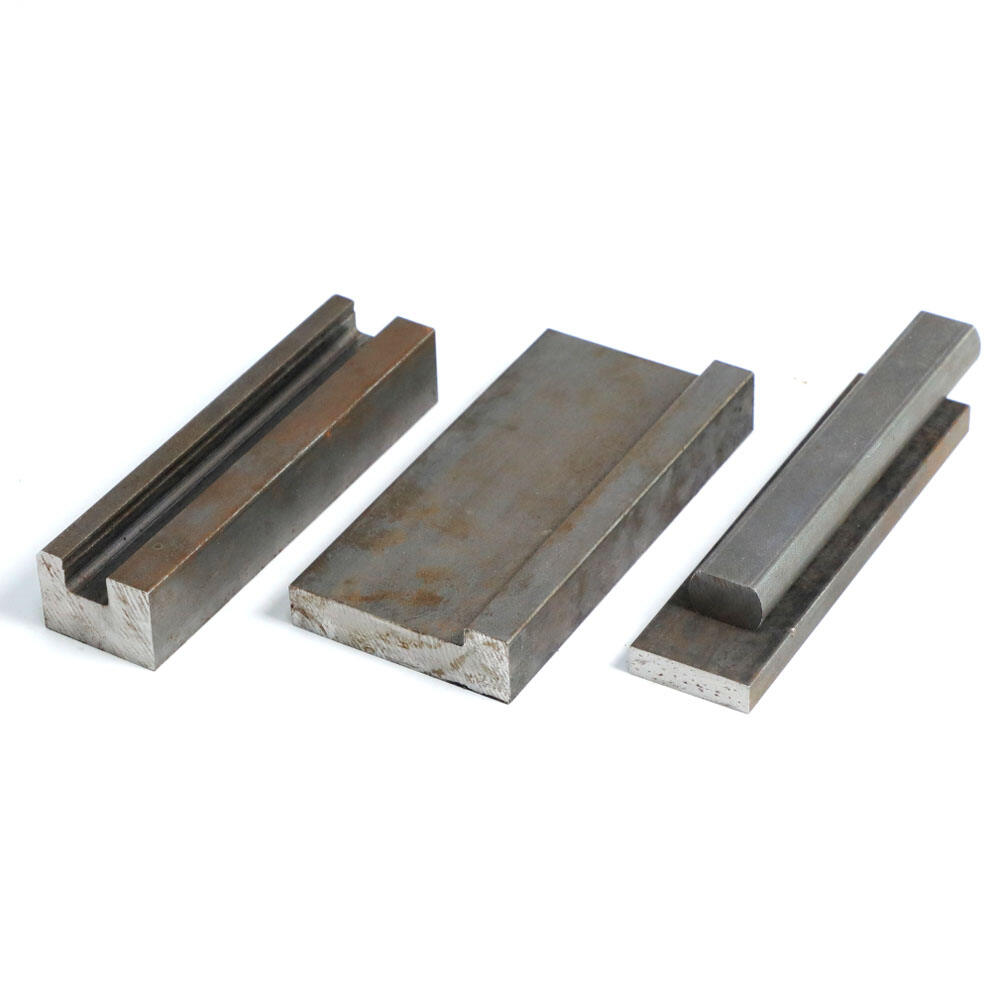
Certifications, Capabilities, and Prototyping Support
Prospective clients should check for ISO 9001 certification, or industry-related certifications, as it demonstrates a supplier's compliance with international standards of quality. A manufacturing supplier's capacity should be assessed by the supplier's accuracy in CNC machining and whether roll forming operations in production runs are adjustable. Prototyping services should definitely be a requirement as perfecting a design saves costs in the long run. Attention to detail and having a proactive approach to solving designs are reflected in companies that develop multiple iterations of a prototype. This detail is essential in the manufacturing of complex parts and components of machinery, as the mistakes that can be made are often large and costly.
FAQ Section
What are OEM steel profiles?
OEM steel profiles are individual parts engineered by original equipment manufacturers and used for a specific design in any of the varied industrial sectors.
Why should I consider using OEM steel profiles?
OEM steel profiles provide design freedom while ensuring compliance with quality requirements, which can be a direct cost benefit to the user.
Which industries benefit from OEM steel profiles?
OEM steel profiles are used extensively in construction, aerospace, automotive, and renewable energy industries, where the design freedom offered by OEM profiles can be instrumental.
How do I select the best OEM steel profile supplier?
For the selection of OEM steel profile suppliers, seek those with ISO 9001 certificates, proven quality control, and the potential to adjust to variations in order volume.