
 EN
EN
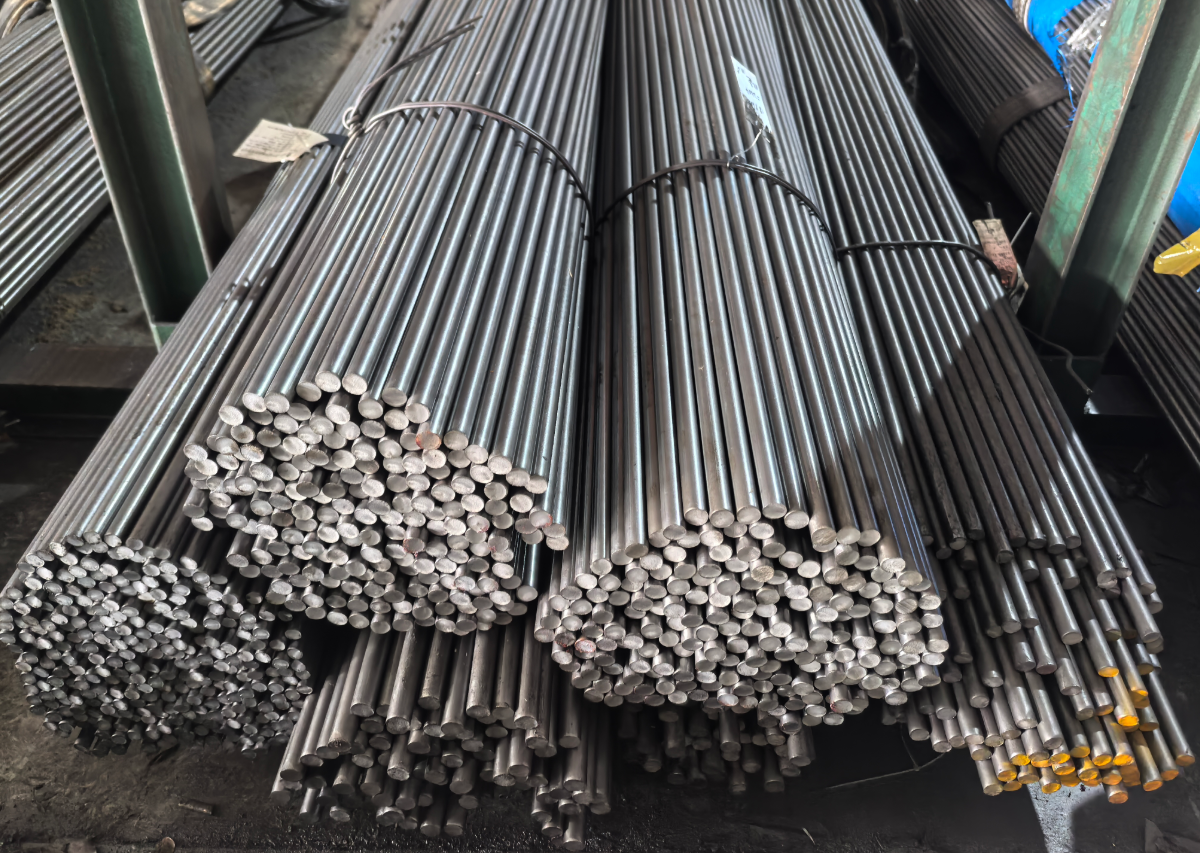
Achieving Micro Precision with Cold Finished Steel Bars
For engineers and machinists working in precision manufacturing, the quality of the raw material is often the deciding factor between a successful production run and a costly rework. When components require tight tolerances, exceptional surface finish, and reliable mechanical properties, cold finished steel bars are frequently the material of choice. Unlike hot rolled steel, which is produced at high temperatures and left with a rough surface and loose dimensional tolerances, cold finished steel undergoes a secondary cold drawing process. This process pulls the hot rolled stock through a die at room temperature, which eliminates surface scale, refines the microstructure, and achieves remarkable dimensional accuracy. For industries ranging from automotive to aerospace and medical devices, the benefits of cold finished steel translate directly into higher productivity, lower costs, and superior product quality. Understanding the specific advantages of this material is essential for making informed procurement and design decisions.
Unmatched Dimensional Precision and Concentricity
The most defining characteristic of cold finished steel bars is their exceptional dimensional precision. The cold drawing process produces bars with diameter tolerances that are significantly tighter than those of hot rolled steel. This level of accuracy is crucial for components such as spindles, bushings, and alignment pins. Even a deviation of a few thousandths of an inch can cause misalignment, vibration, and premature wear in a high-speed machine. Cold finished steel eliminates this risk by providing a bar that is consistently within specification. Furthermore, the concentricity of cold finished bars is tightly controlled. In hollow tools, the coaxial alignment of the outer and inner diameters ensures uniform wall thickness. This consistency is vital for maintaining balance and reducing stress concentrations. In contrast, hot rolled steel bars often require extensive machining to achieve the necessary precision, which adds time and cost to the production process. By starting with a cold finished bar, manufacturers can often machine the part directly, bypassing roughing operations.
Superior Straightness for Error Free Assembly
Precision manufacturing demands more than just tight diameter tolerances. The straightness of the bar is equally critical. A bowed or cambered bar can cause misalignment in a spindle or tool holder, leading to chatter, poor surface finish, and inaccurate workpieces. Cold finished steel bars undergo a mechanical straightening process after drawing, which corrects any bowing that may have occurred. The result is a bar with exceptional straightness. This level of straightness allows the bars to be loaded directly into collets or tool holders without the need for shimming or adjustments. This simple advantage translates into faster setup times and reduced labor costs. For guide pins and boring bars, where alignment is paramount, the straightness of cold finished steel is a non-negotiable requirement. It ensures that the tool runs true and that the finished part meets the design specifications. As a result, manufacturers who use cold finished steel report fewer alignment errors and longer tool life due to reduced vibration.
Smooth Surface Finish and Enhanced Machinability
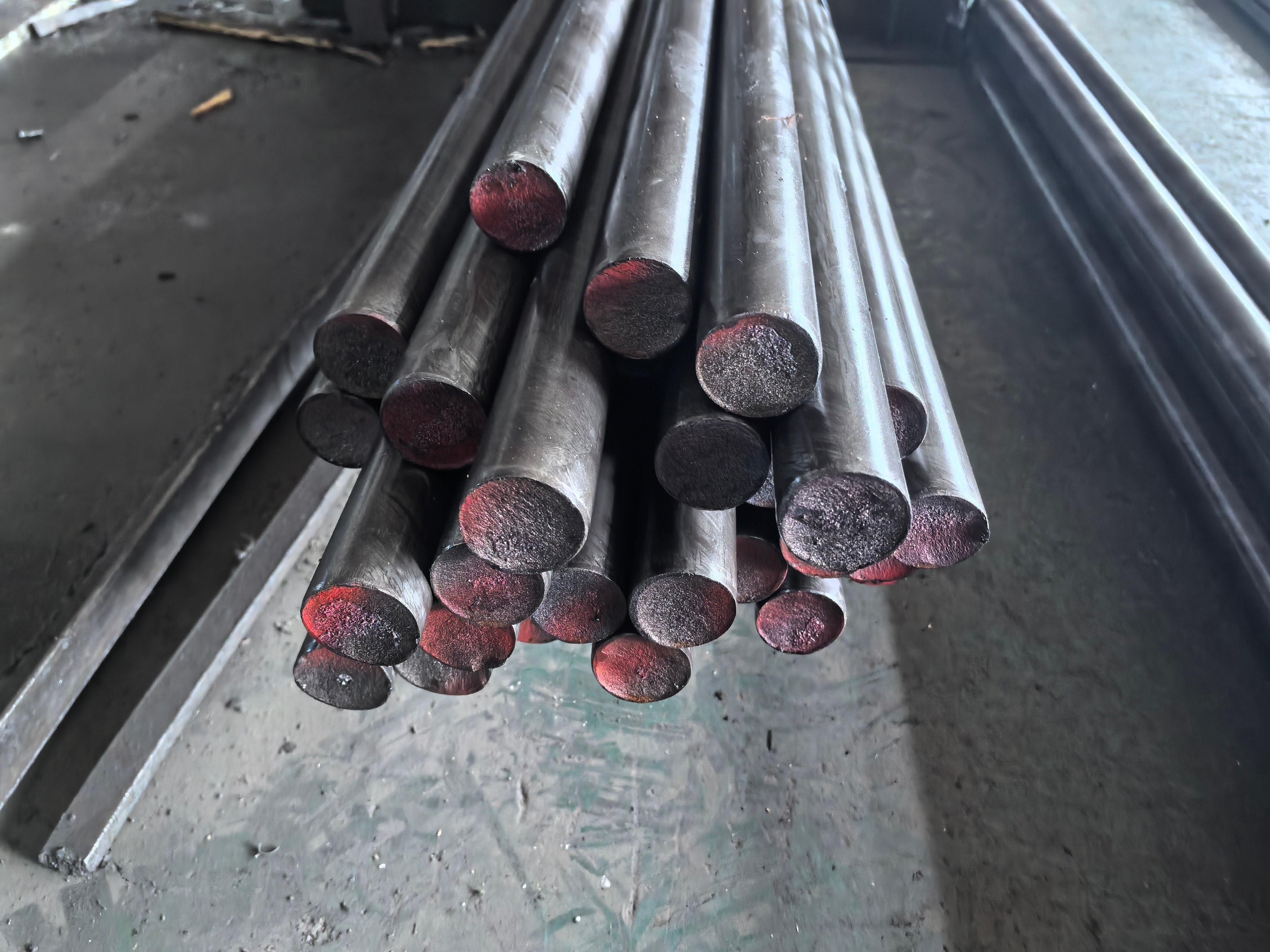
The surface finish of a steel bar has a direct impact on the cost and efficiency of subsequent machining operations. Hot rolled steel has a rough, scaly surface that often requires grinding or polishing before the part can be finished. Cold finished steel, on the other hand, achieves a smooth, uniform surface finish directly from the drawing process. This surface is suitable for many tight-tolerance applications without any additional finishing. This eliminates secondary operations like grinding or deburring, which significantly reduces lead times and manufacturing costs. In addition to the smooth surface, the cold drawing process refines the steel's microstructure. The fine-grained, homogeneous structure promotes consistent chip formation during machining. This means that the material cuts predictably and cleanly, reducing the build-up of material on the cutting edge. This improved chip control allows for higher machining speeds and feeds, while also extending the life of the cutting tools. Machinists consistently report that cold finished steel is easier to machine and produces a superior finish compared to hot rolled steel.
Enhanced Mechanical Properties from Cold Working
The cold drawing process does more than improve the dimensions and surface of the steel; it also enhances its mechanical properties. As the steel is pulled through the die, it undergoes strain hardening. This process increases the yield strength and hardness of the steel significantly. For tooling applications, this increased hardness translates directly into improved wear resistance. The refined grain structure that results from cold working also enhances the fatigue resistance of the steel. This is essential for components that are subjected to repeated stress cycles, such as punches, dies, and shafts. While strain hardening reduces the overall ductility of the steel, cold finished bars still retain sufficient elongation to absorb shock loads without fracturing. This balance between strength and toughness makes the material suitable for a wide range of demanding applications, from impact tools to structural components.
Real World Applications Across Critical Industries
The unique combination of properties offered by cold finished steel makes it indispensable across numerous critical industries. In the automotive sector, cold finished steel is used for axle shafts, gears, and precision spacers. The tight concentricity and uniform structure ensure that these components function reliably under high loads. In aerospace and defense applications, the fatigue resistance and dimensional stability of cold finished steel are vital for landing gear pins and actuator shafts. Engineers rely on the predictable properties of the material to design lightweight, high-integrity assemblies. In the medical field, cold finished stainless steel is used to manufacture surgical tools like scalpels and retractors. The smooth, burr-free surface is essential for maintaining sharpness and sterility. Across all these diverse sectors, cold finished steel delivers the precision, reliability, and efficiency that modern manufacturing demands.
How Quality Manufacturing Ensures Material Consistency
The performance of cold finished steel is ultimately dependent on the quality of the manufacturing process. The precision of the drawing die, the effectiveness of the straightening equipment, and the consistency of the heat treatment all contribute to the final properties of the bar. A manufacturer who maintains strict control over every step of the process can guarantee that every bar meets the required specifications. By adhering to recognized quality standards, such as ISO 9001, a disciplined manufacturer ensures that the material delivered to the customer is uniform and reliable. For a design engineer or a production manager who depends on the consistency of the raw material, partnering with a quality-focused supplier provides the ultimate confidence that the finished product will perform as expected.