
 EN
EN
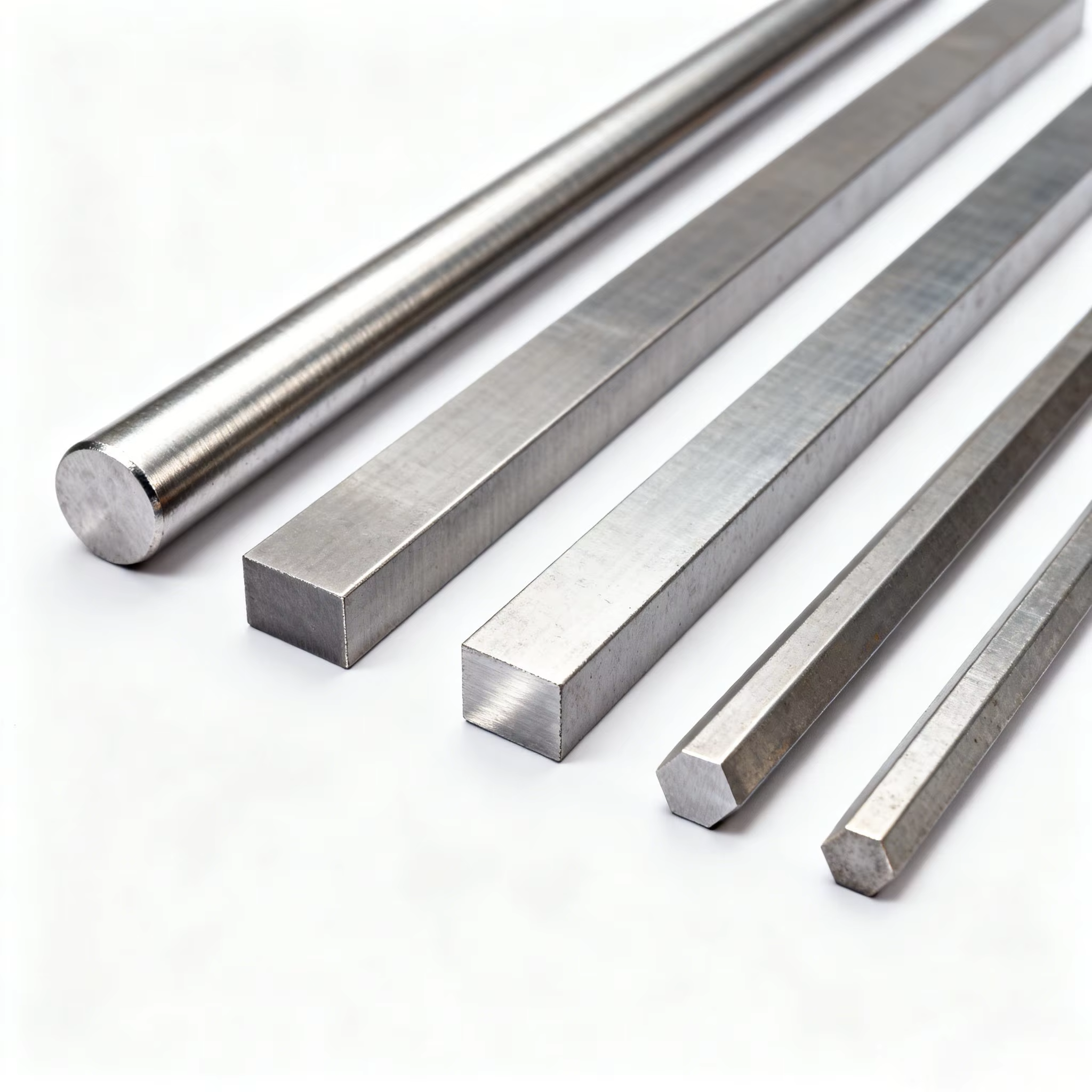
Balanced Mechanical Properties of 1045 Steel Bar
Yield strength, tensile strength, and hardness for structural reliability
The 1045 steel bar has good mechanical properties for construction when there is a need to withstand high pressure. The material has an ultimate tensile strength of about 565 MPa and yields at approximately 310 MPa. In other words, it withstands a lot of pressure before it begins to plastically deform. In addition, the material has a hardness of between 170 to 210 HB, which means it is resistant to abrasion and is good for machining. Because of these characteristics, this steel is used by many manufacturers for the weight-bearing parts, such as framework parts, support parts, and industrial connecting parts, among others.
Property Value Application Impact
Ultimate Tensile Strength 565 MPa Resists fractures under tension
Yield Strength 310 MPa Prevents permanent deformations
Hardness (HB) 170–210 Optimizes wear resistance and machinability
Ductility and impact toughness compared to low and high carbon steels
In comparison between low carbon steels and 1045 steel, the forming flexibility and cold bending capabilities demonstrate 15% better yield strength 1045 steel, and its performance comparative to high carbon steels is closed to a top tier performance. It is a steel that can withstand impacts (energy absorbing) with a tested area reduction (cross sectional) of almost 40% and a reliable elongation of 12 to 17 percent. What is remarkable about this steel is the amazing combination of toughness and hardness achieved with low priced alloy materials. This attribute is highly valuable to prevent brittle fracture in any moving components, especially in the highly stressed rotating shafts and industrial linakges type of applications where materials are subjected to a considerable stress repetition.
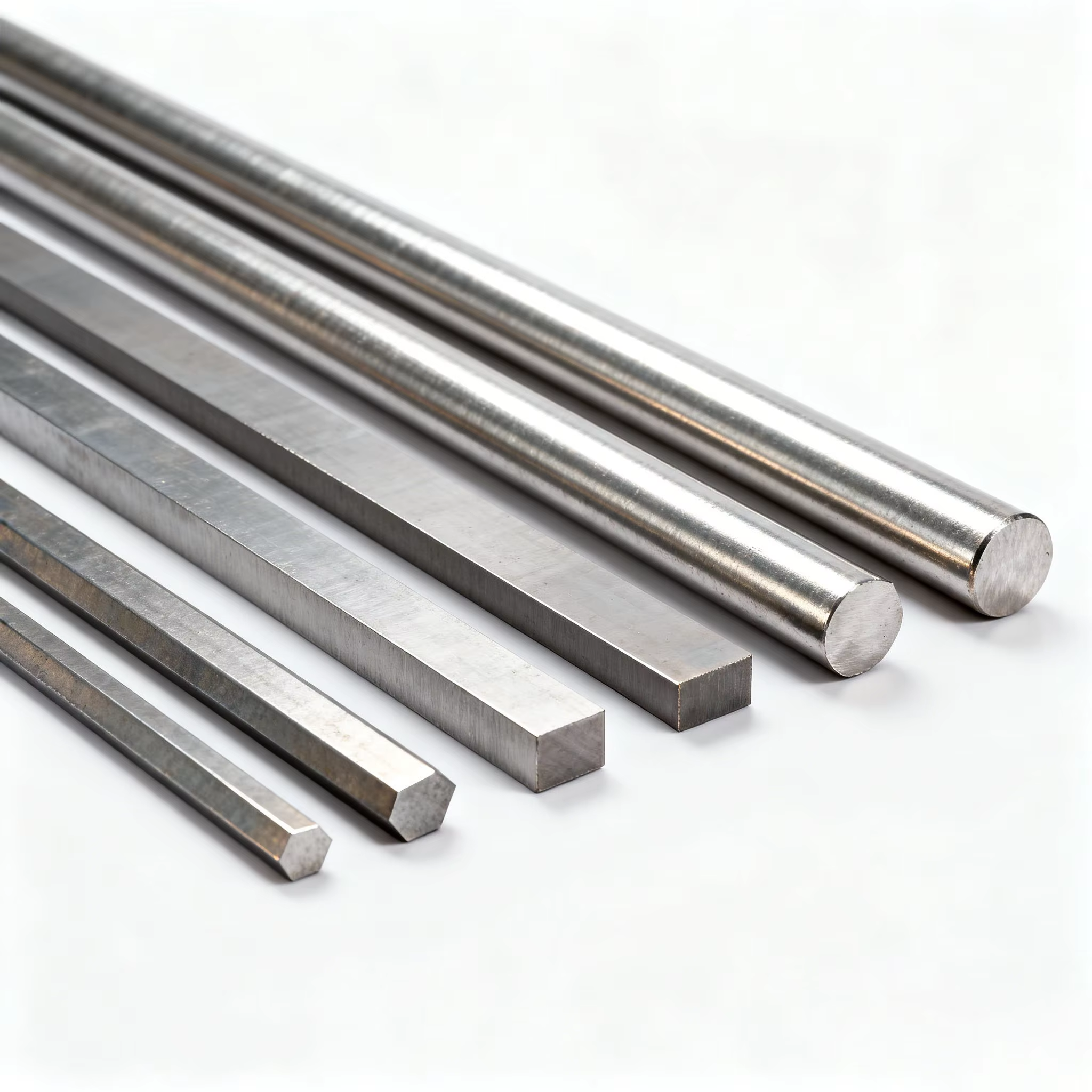
Key Mechanical Applications of 1045 Steel Bar
Shafts, Axles, and Connecting Rods: Performance Under Dynamic Loading
A typical application of 1045 grade steel bars is the construction of shafts, axles and connecting rods, where repeated stresses and torsional forces are present. Properly heat-treated steel of this type has tensile strength of about 570 to 700 MPa, with yield strength of around 310 MPa. This steel is also known for its impact absorptive capacity, and has shown the ability to withstand impact of between 40 to 60 joules at room temperature, making it reliable for sudden spikes in loading. This property is particularly critical for components of automotive drivetrains and large machinery where unexpected stresses are common. With respect to the steel's carbon content (about 0.45%) the material is in a position to be hardened without incurring the brittleness issues (associated with higher carbon steels). In comparison with the lower carbon alternatives, 1045 steel is considerably resistant to abrasive wear in service.
Gears and Crankshafts: Wear Resistance and Fatigue Durability in Transmission Systems
Transmission gears and crankshafts can be made from 1045 steel bars which can be surface hardened via induction or flame hardening. This results in surface hardness of 50-55 HRC which gives the gear teeth excellent resistance to wear from continuous meshing. The core of the gear retains 20-30% elongation so that it remains ductile and is able to absorb impact loads without brittle fracture. The fact that manufacturers can create their own ideal working zones of hardness and toughness gives these components very high fatigue strength and resistance to crack initiation and propagation. This is why the fatigue performance of these crankshafts in millions of cyclical loads is better than many high alloy steels that are expensive.
Performance of 1045 Steel Bars After Heat Treatment Optimization
Balance of Hardness and Toughness through Quenching and Tempering
When we quench a 1045 steel bar in either water or oil, the steel structure turns into martensite, a structure that increases the steel's hardness and brittleness. After quenching, we can perform tempering at a temperature range of 300 and 600 degrees Celsius and during this range, the internal stresses formed during quenching are alleviated, and we can regain some of the flexibility. Thus, we can modify how tough or brittle the metal is, depending on the task. For gears, where surface hardness is an important requirement, we can perform tempering at 300 to 400 degrees, which increases the surface hardness and gives the layers good wear resistance. For crankshafts or axles, which are subjected to repeated stress, we can perform tempering at 500 to 600 degrees (higher temperatures) to form a tougher core that will withstand prolonged use. Properly done, the heat treatment can increase the strength of the steel to an impressive 580 MPa and maintain a 15% ductility. Components made from this steel can last longer than steel that has not been treated, up to 40% longer.
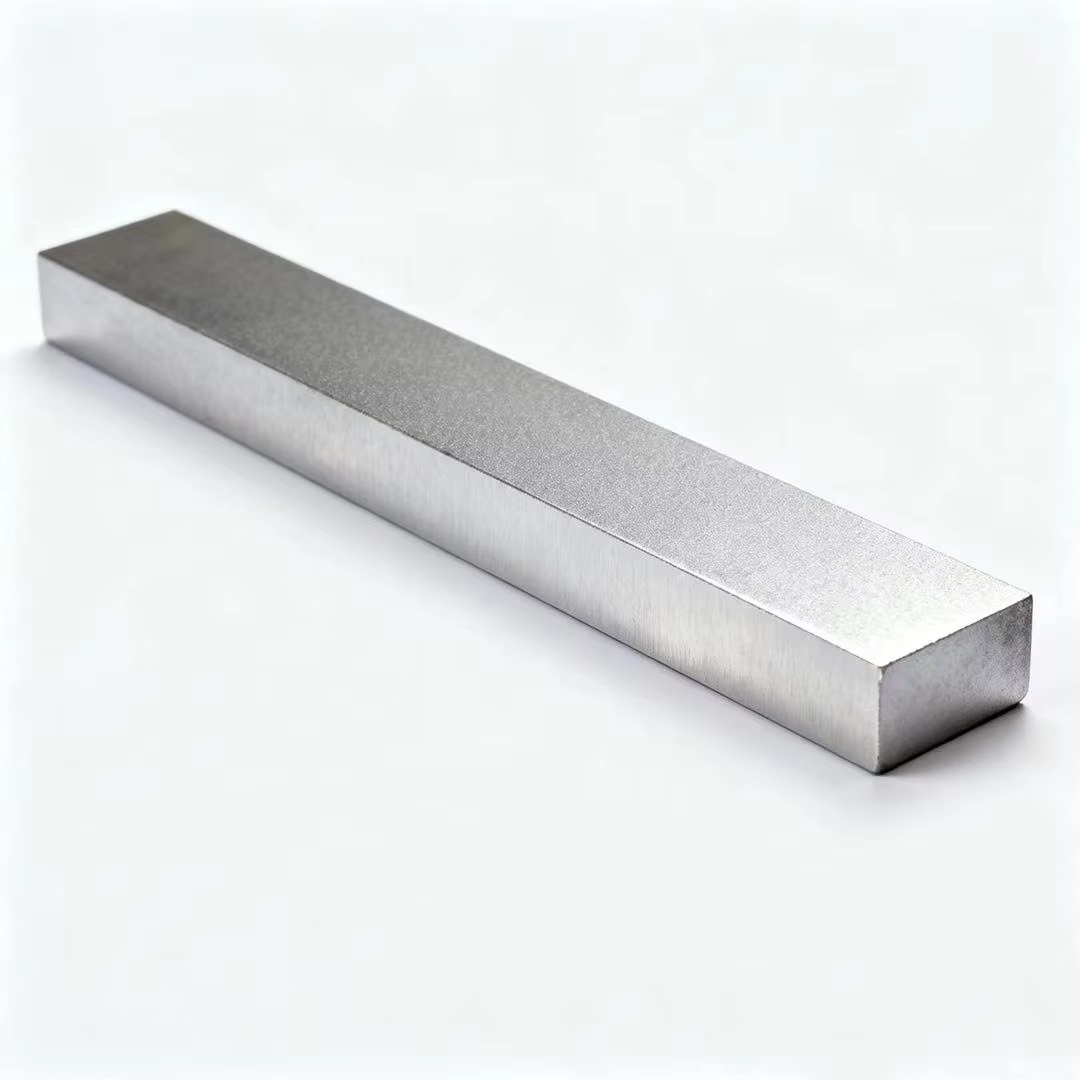
Cold drawn 1045 steel bar: enhanced surface integrity and dimensional accuracy
Room temperature deformation of hot rolled 1045 steel bar via cold drawing provides three main benefits:
Surface finish: Improvement in surface finish by ~50%. This results in increased fatigue life and reduced machining time
Dimensional accuracy: Ideal for precision CNC turning and grinding as cold drawn 1045 steel bar achieves tight tolerances of ±0.1 mm
Strength: Work hardening of the steel results in an increase of 15-20% to the yield strength without changing the chemistry.
The result of enhanced fatigue resistance is a better refined grain structure and increased compressive residual stresses. For the manufacturer that means improved costs as a result of 30% less machining needed from the hot rolled stock to cold drawn bar.
Advantages in Manufacturing: Ease of Machining and Fabrication
Among medium carbon steels, the 1045 steel bar stands out due to excellent machinability. With about 0.45% carbon, this material produces fine chips when turning, milling, or drilling workpieces. Therefore, tool life increases, and it can be expected that the tool will last 30% longer than with a higher carbon alternative. Shops can increase cutting speeds and achieve tight tolerances (+/- 0.005 inches), and they can expect good quality, even with heavy CNC work. The predictable metal grain structure results in more predictable welding and cold forming. With the more predictable processes, the metal will require less finishing work, resulting in less waste. For these reasons, 1045 steel is the steel of choice for shops that are producing a high volume of precision parts. Over time, these shops enjoy reduced cost in tooling alongside increased quality in finished parts.
FAQ
What makes 1045 steel bar suitable for structural applications?
1045 steel bar is suitable for structural applications due to high tensile strength, high yield strength, and high Brinell hardness which allows it to handle weight, as in the case of frameworks and support structures.
How does 1045 steel perform in dynamic loading conditions?
1045 steel is ideal for parts like shafts and axles because it is able to withstand repeated loading and sudden impacts. It performs excellently in dynamic loading conditions.
What are the benefits of heat treating 1045 steel?
The heat treatment process of 1045 steel (quenching) modifies microstructure and optimizes the hardness and toughness balance to increase resiliency under stress and improve wear resistance to the steel’s constituent geometry (such as gear and etc).
Why is 1045 steel preferred for gears and crankshafts?
The 1045 steel gears and crankshaft preference is due to the steels surface hardening capabilities, great wear resistance, and fatigue resistance (even under high cycle applications).
How does cold drawing benefit 1045 steel bars?
In cold drawing, 1045 steel bars are improved in surface integrity, dimensional accuracy, and strength (via work hardening) to prepare the bars for precision machining (which is the end goal).