
 EN
EN
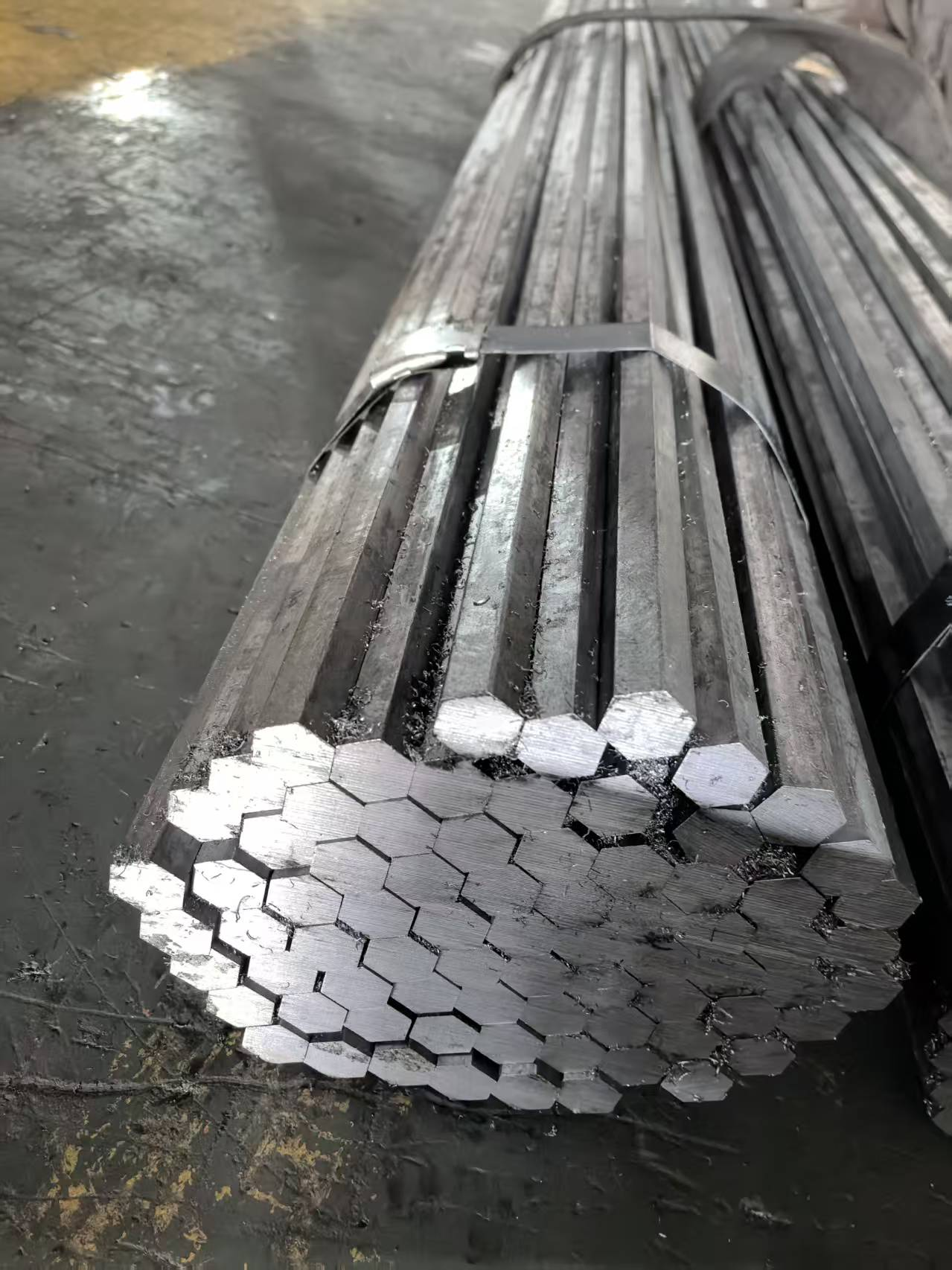
In the world of industrial manufacturing, small components often dictate the success of massive assemblies. The hex steel bar is perhaps the most essential element in this landscape. Whether it is being machined into high-torque bolts, specialized fittings, or intricate machine parts, the quality of the raw material determines the longevity and safety of the final product. Procurement professionals know that buying inconsistent material is a recipe for disaster, leading to broken tools, stripped threads, and failed components that can halt an entire assembly line.
Decoding Global Metallurgical Standards
A hex steel bar is only as good as the certification behind it. Global markets rely on established standards—such as ASTM, EN, and JIS—to ensure uniformity. These protocols define the chemical composition of the steel, strictly limiting impurities like sulfur and phosphorus that can lead to brittleness. A supplier that provides comprehensive Mill Test Reports (MTRs) demonstrates the transparency needed to prove that the material has undergone rigorous chemical analysis before reaching the production floor.
Dimensional Accuracy and Surface Integrity
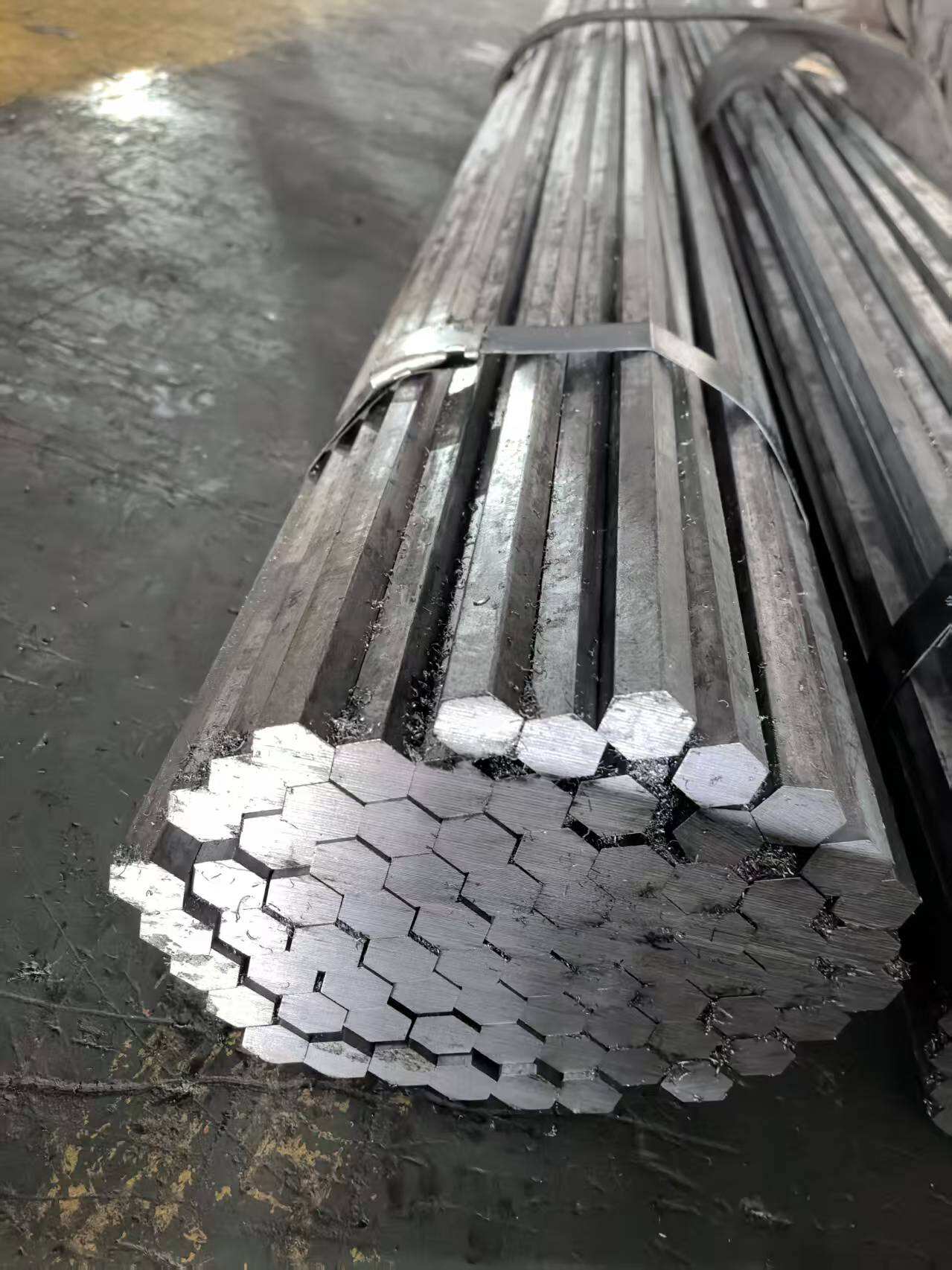
When machining hex bars, dimensional accuracy is paramount. Even a deviation of a fraction of a millimeter can cause a part to fail during operation. High-quality steel bars must exhibit tight tolerances in both the flat-to-flat distance and corner-to-corner measurements. Furthermore, surface integrity—free from deep seams or heavy oxidation—is crucial for manufacturers using automated CNC equipment. Precision-engineered bars save significant time in the production cycle by reducing the need for secondary corrections.
Technical Specifications for Performance
| Parameter | High-Quality Tolerance | Impact on Manufacturing |
| Flat-to-Flat | ±0.05 mm | Ensures fit in automated jigs |
| Straightness | < 1.0 mm/meter | Prevents vibration in CNC turning |
| Surface Finish | Ra < 3.2 μm | Extends cutting tool life |
Comparative Material Properties
| Material Grade | Tensile Strength | Application Focus |
| Carbon Steel (1018) | Moderate | General machinery |
| Alloy Steel (4140) | High | High-stress structural parts |
| Free-Cutting Steel | Low | High-speed automatic machining |
Operational Value for B2B Procurement
Investing in high-standard steel is a strategic move that pays off in reduced total cost of ownership. By minimizing downtime caused by material defects and maximizing the lifespan of machining tools, businesses improve their throughput. Reliable materials mean a smoother production flow and a more competitive final product. When supply chains prioritize quality over rock-bottom pricing, the result is a stable, efficient partnership that fosters growth.
Engineering Reliability with Betog Steel
Betog Steel provides the high-performance material infrastructure that modern industry demands. Through meticulous attention to metallurgical consistency and a robust quality control regime, Betog Steel ensures that every hex steel bar meets or exceeds international technical standards. With extensive manufacturing expertise and a supply chain tailored to handle global logistical requirements, Betog Steel serves as a trusted partner for companies looking to secure their production quality at the source. Choosing Betog Steel means aligning with a manufacturer that values precision, transparency, and operational excellence.