
 EN
EN
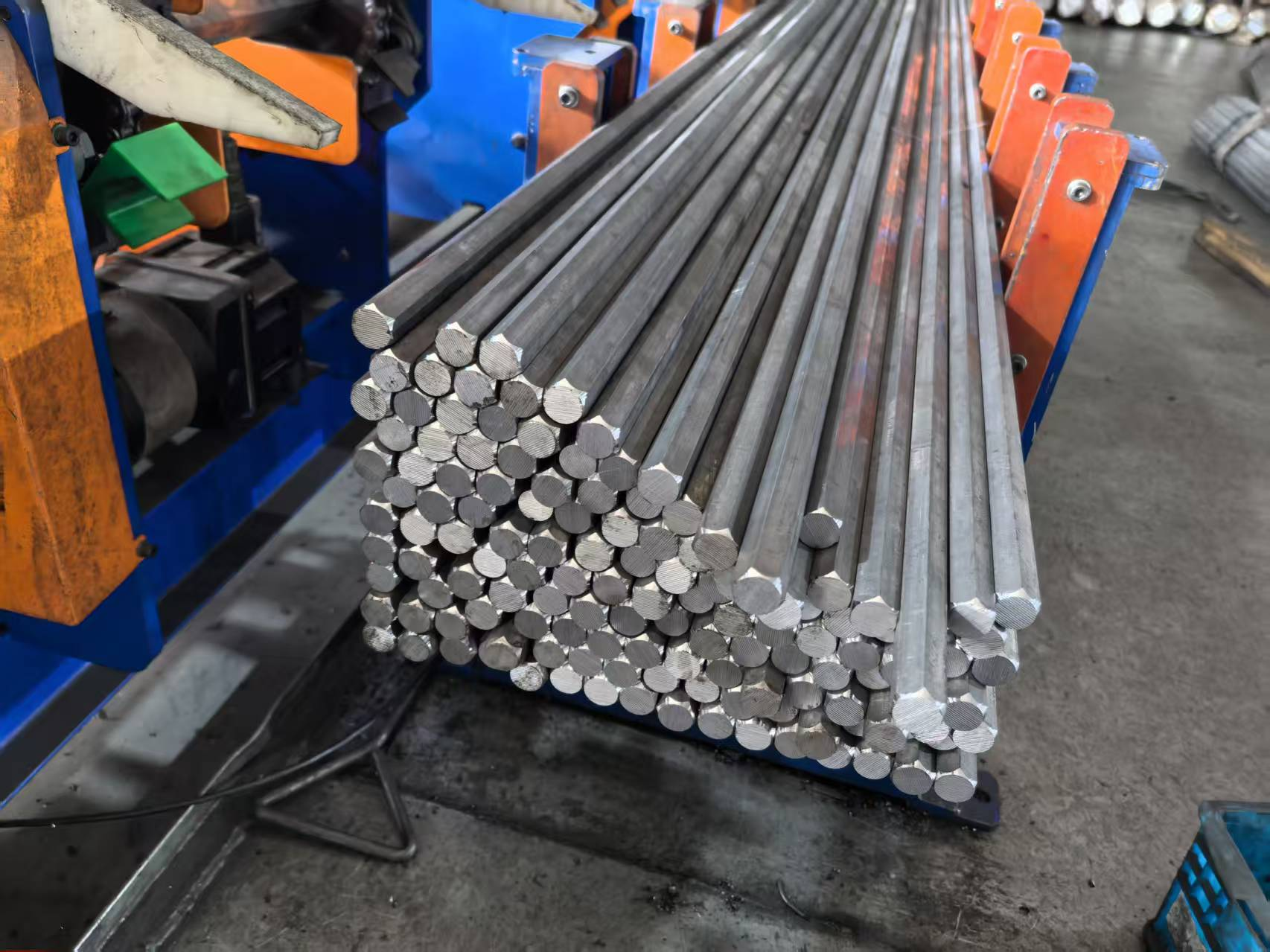
Carbon steel remains the most widely used material in heavy industry, valued for its incredible versatility and structural reliability. Yet, not every carbon steel bar is created equal. Understanding what determines the strength of these bars—from raw metallurgy to final mechanical processing—is essential for engineers and procurement managers who need to ensure infrastructure integrity. Strength in steel is not merely about hardness; it is a complex balance of chemistry, thermal history, and microstructural refinement.
The Role of Chemical Composition
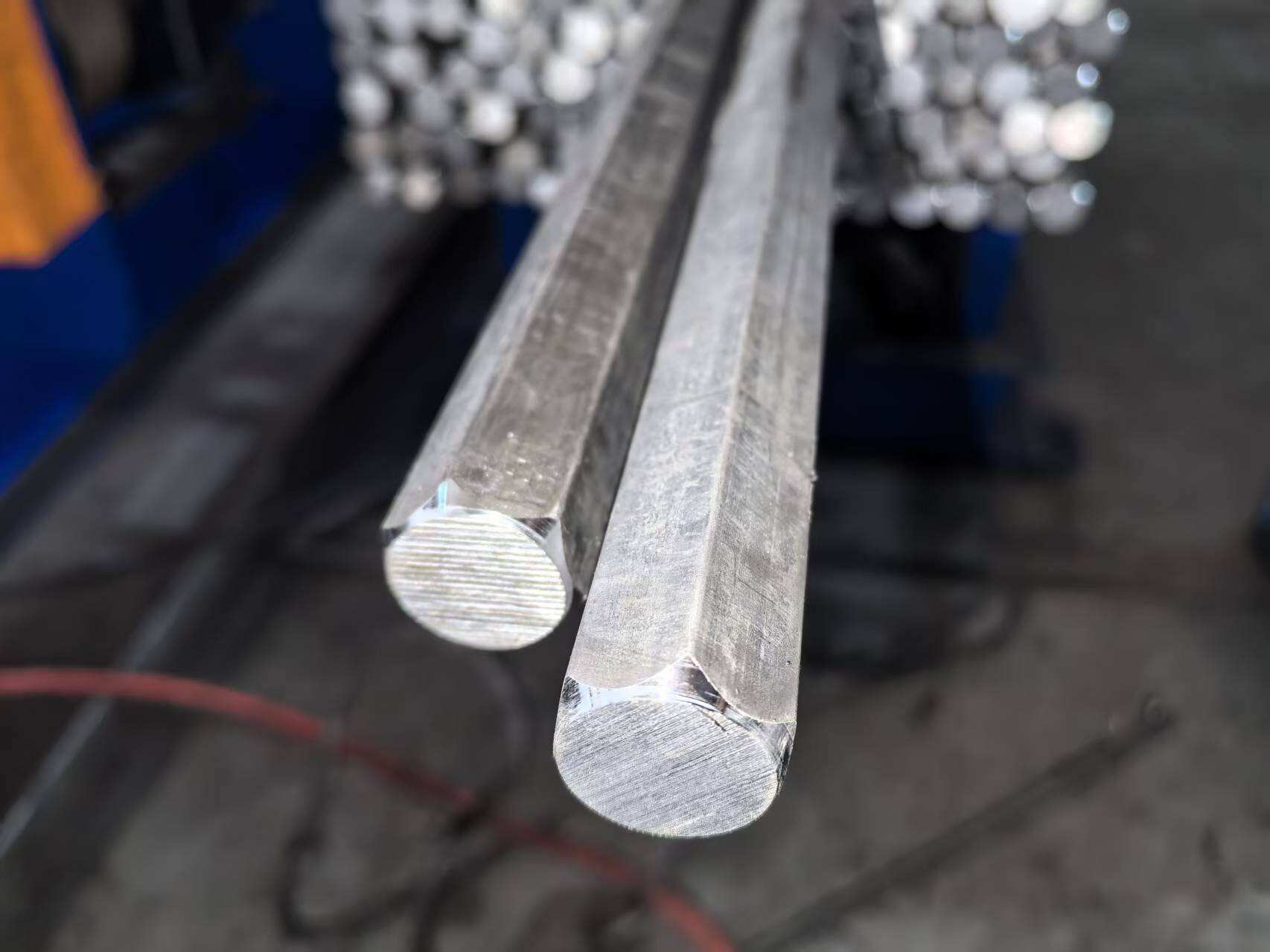
The foundational strength of any steel product begins with its chemistry. Carbon is the primary alloying element, and its percentage directly dictates the steel's yield strength and hardness. Typically, higher carbon content makes steel harder but can decrease its toughness if not managed correctly. Engineers also carefully balance manganese, silicon, and sulfur. Manganese, for instance, significantly enhances hardenability and tensile strength, while precise control of impurities like phosphorus prevents unwanted brittleness. Fine-tuning these elements is the first step in creating a bar that stands up to specific industrial pressures.
| Element | Effect on Steel Properties | Industrial Application |
| Carbon | Increases hardness and strength | Structural components |
| Manganese | Enhances hardenability and toughness | Heavy machinery parts |
| Silicon | Improves deoxidation and yield strength | Springs and high-stress tools |
The Impact of Heat Treatment Processes
Once the desired chemical composition is achieved, thermal treatment plays a pivotal role in final performance. Processes such as quenching and tempering are employed to manipulate the grain structure of the steel. Quenching rapidly cools the steel to create a hard, martensitic structure, while subsequent tempering introduces flexibility and reduces brittleness. Without these controlled heat cycles, even the best chemical formulation would fail under extreme dynamic loads. The goal is to reach a precise equilibrium where the steel provides enough hardness for longevity while retaining enough ductility to handle vibration and impact without catastrophic failure.
Mechanical Processing and Microstructure
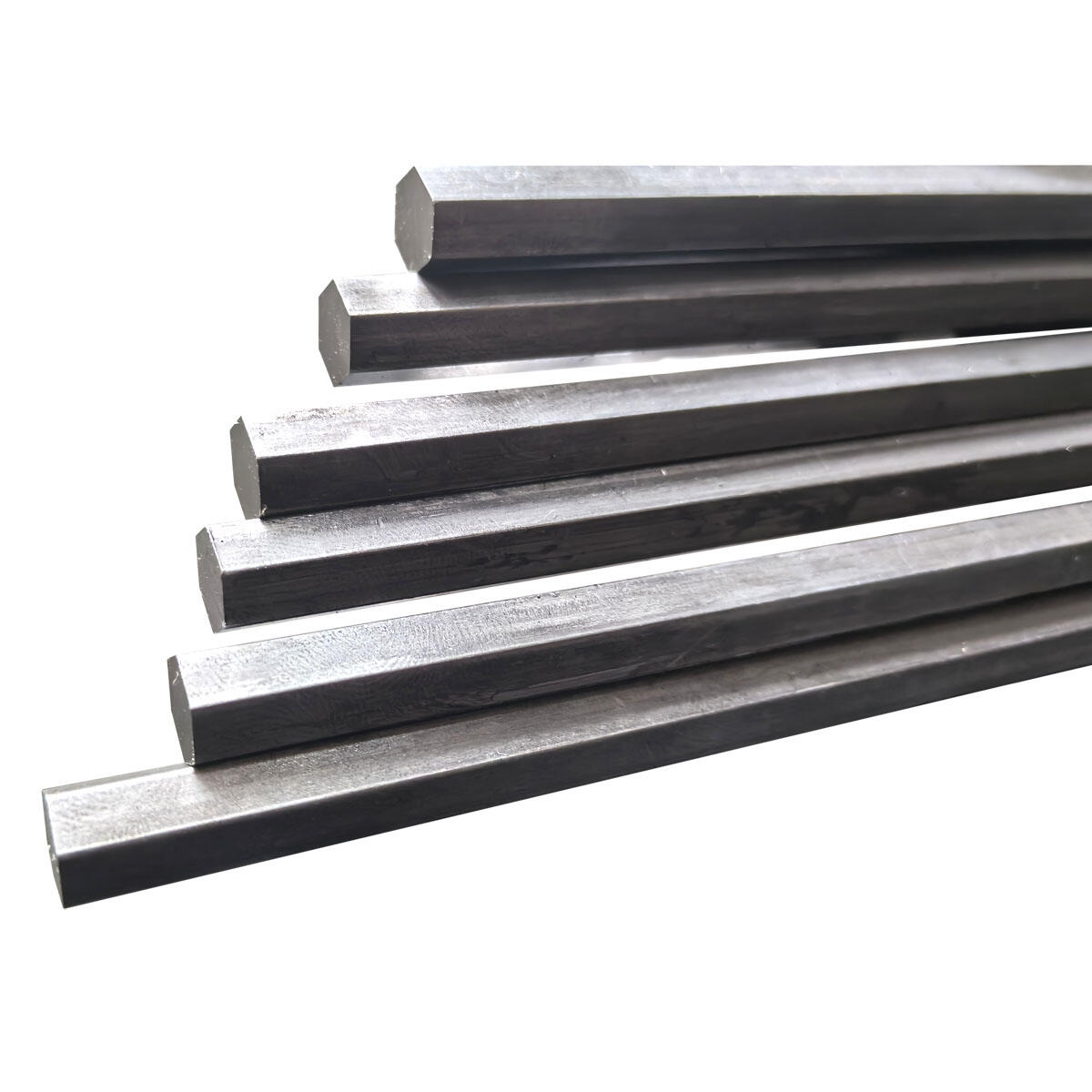
The way a bar is shaped—whether through hot-rolling or cold-drawing—further defines its mechanical profile. Hot-rolling at high temperatures allows for large deformations, which refines the grain size and eliminates internal cavities, leading to uniform properties throughout the cross-section. In contrast, cold-drawing is often used to achieve tighter dimensional tolerances and a superior surface finish, while also increasing yield strength through work hardening. These physical manufacturing steps work in tandem with metallurgy to ensure the final bar meets the exact demands of the intended project.
| Manufacturing Method | Structural Benefit | Typical Use Case |
| Hot-Rolling | Improved uniformity and grain size | Large infrastructure/beams |
| Cold-Drawing | High dimensional precision and strength | Precision shafts and components |
| Normalizing | Stress relief and grain refinement | General engineering parts |
Quality Assurance and Supply Chain Precision
Achieving the high-performance thresholds required by modern industry demands a supplier with rigorous manufacturing controls. Betog Steel bridges the gap between raw material potential and project requirements. By focusing on advanced metallurgy, modern rolling mills, and strictly verified heat treatment cycles, Betog Steel ensures that every batch meets international standards for consistency and performance. Their commitment to quality control minimizes the variance often found in large-scale procurement, providing builders and manufacturers with the reliable performance required for mission-critical industrial applications.
Securing the Future of Industrial Infrastructure
Selecting the right steel is more than a procurement task; it is an investment in the safety and longevity of industrial systems. The combination of chemical precision, controlled thermal processing, and consistent manufacturing quality determines whether a structure will stand for decades or face premature fatigue. Partnering with Betog Steel offers the technical assurance that material integrity is maintained throughout the production process. For those focused on building the future of industrial engineering, having a partner who prioritizes metallurgical precision is the ultimate advantage in project success.