
 EN
EN
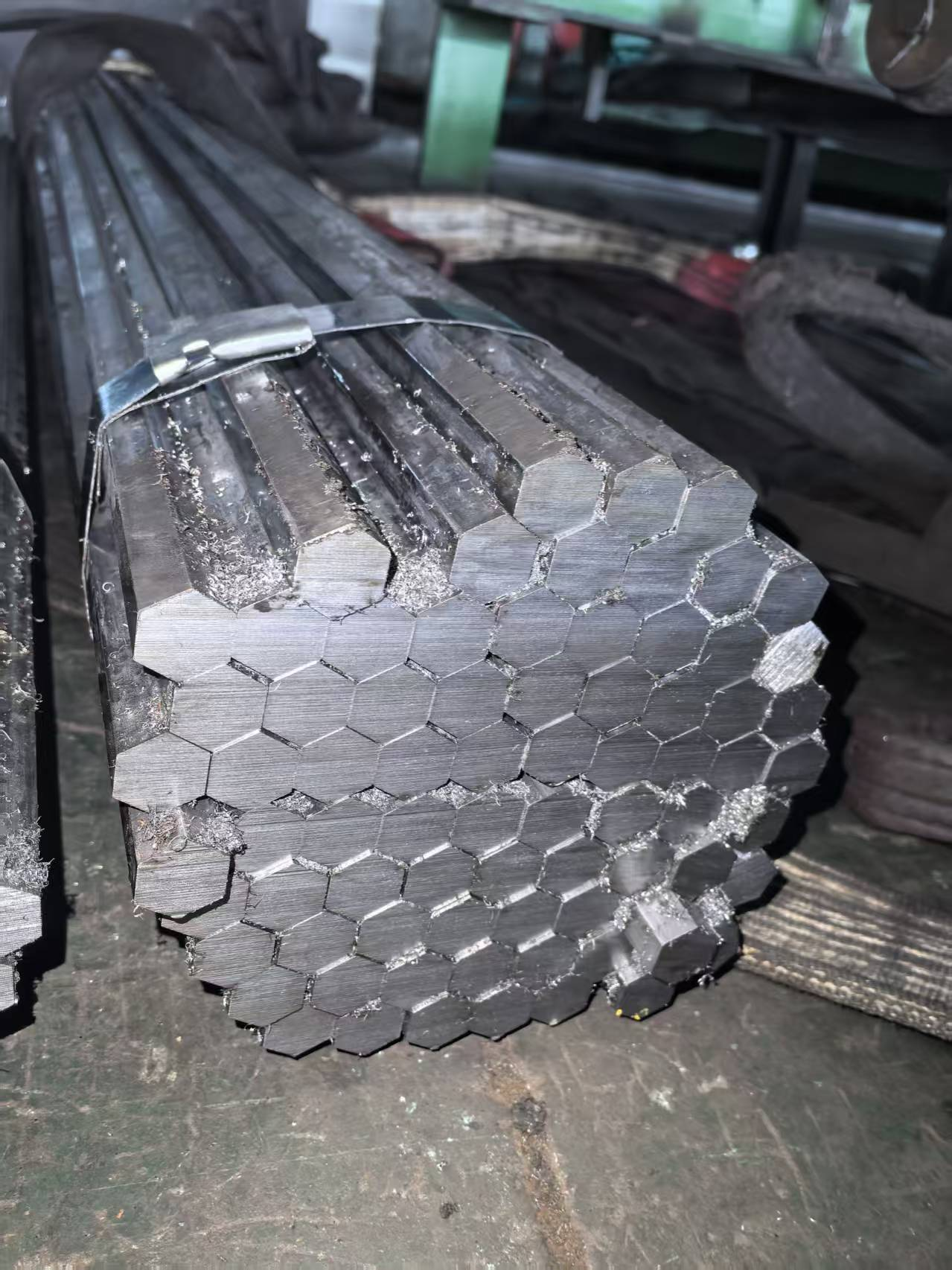
Dimensional and Geometric Customization of Steel Profile
CAD-Driven Profile Design with Tight Tolerance Engineering
Modern OEMs demand steel profiles that match exact spatial and load requirements. Computer-aided design (CAD) transforms conceptual geometry into a manufacturable model, enabling engineers to simulate fit, stress distribution, and thermal behavior before production begins. Integrating tight tolerance engineering—often within ±0.1 mm—ensures each custom profile interlocks seamlessly with mating components, eliminating costly rework and accelerating assembly. For instance, a T-slot profile for a linear guideway must maintain dimensional consistency along its full length to prevent binding or misalignment. Advanced CAD platforms support rapid iteration of fillet radii, wall thicknesses, and flange widths without physical prototyping—reducing development time while preserving structural rigidity under operational loads. Tight tolerances also ensure precise fastener alignment and minimize weld filler requirements, helping retain base-metal strength and integrity.
Ensuring Fit, Structural Integrity, and Interoperability in OEM Assembly
A custom steel profile must deliver more than dimensional compliance—it must integrate reliably into complex systems. Fit requires exact alignment of holes, slots, and contours with adjacent parts; structural integrity demands resistance to static, dynamic, and fatigue loading without deformation or cracking; and interoperability ensures compatibility with standard fasteners, welding procedures, and finishing processes. A mismatched profile can stall production lines and inflate total cost of ownership. To mitigate risk, manufacturers deploy coordinate measuring machines (CMMs) for metrological validation and finite element analysis (FEA) to anticipate stress concentrations and deformation modes. Adherence to ISO 2768-m for general tolerances—and tighter internal controls where needed—ensures batch-to-batch repeatability. This level of consistency strengthens supply chain predictability and allows OEMs to confidently specify custom profiles for high-volume, just-in-time assembly.
Material and Performance Customization for Steel Profile
Material selection fundamentally dictates how a steel profile performs in service. Engineers tailor tensile strength, hardness, ductility, and toughness through deliberate alloy composition and controlled heat treatment. For structural applications requiring high yield strength without brittleness, chromium-molybdenum alloys combined with quenching and tempering routinely achieve yield strengths exceeding 500 MPa while retaining impact resistance.
Tailoring Mechanical Properties via Alloy Selection and Heat Treatment
Alloy chemistry and thermal processing work synergistically to fine-tune mechanical behavior. Manganese enhances hardenability during quenching; nickel improves low-temperature toughness; and post-rolling normalization refines grain structure for uniform performance across production lots. In high-cycle fatigue environments—such as robotic arms or conveyor frames—case hardening delivers wear-resistant surfaces over ductile cores. Recent advances in thermal and microstructural control now enable sub-micron grain refinement, yielding custom profiles with exceptional strength-to-weight ratios and predictable fatigue life.
Enhancing Corrosion Resistance for Demanding OEM Environments
Environmental exposure drives the need for purpose-built corrosion protection. Salt spray testing (ASTM B117) provides a standardized benchmark for comparative performance:
| Protection Method | Time to First Rust (ASTM B117) | Application Complexity | Maintenance Needs |
|---|---|---|---|
| Zinc Electroplating | 96–120 hours | Low | Moderate |
| Hot-Dip Galvanizing | 300–500 hours | Medium | Low |
| Epoxy Coating | 400–600 hours | High | Low |
| Duplex Systems | 1000+ hours | Very High | Very Low |
Electropolishing is preferred for stainless steel in pharmaceutical or food-grade equipment, forming a smooth, passive oxide layer that resists acidic attack. In marine splash zones, aluminum-silicon coatings outperform traditional zinc systems by up to 2× in chloride-laden environments. Where absolute corrosion immunity is non-negotiable—such as offshore instrumentation housings—austenitic stainless steels with molybdenum additions deliver pitting resistance equivalent to less than 0.1 mm/year metal loss in aggressive seawater conditions.
Manufacturing Process Optimization for Custom Steel Profile
Selecting the optimal manufacturing process directly impacts precision, surface quality, and lifecycle cost. Hot rolling supports high-volume output of standard shapes but offers looser tolerances; cold rolling achieves ±0.1 mm accuracy ideal for precision automation frames; extrusion enables complex cross-sections unattainable via rolling; and CNC machining remains indispensable for critical features demanding micron-level repeatability. Each method involves trade-offs among throughput, material yield, tooling investment, and energy use.
Optimization now relies on statistical process control (SPC), real-time sensor feedback, and automated closed-loop adjustments to temperature, pressure, and feed rate—reducing energy consumption by up to 15% while sustaining dimensional stability. End-to-end traceability—from raw material mill test reports to final CMM inspection data—supports ISO 9001 compliance and enables continuous improvement through root-cause analysis. This integrated approach balances speed, precision, sustainability, and structural fidelity without compromise.
Surface and Aesthetic Customization of Steel Profile
Functional Surface Finishes: Passivation, Electropolishing, and Coating Options
Surface treatments extend functionality beyond aesthetics—enhancing corrosion resistance, wear performance, and regulatory compliance. Passivation of stainless steel removes free iron contamination using nitric or citric acid baths, promoting formation of a protective, chromium-rich oxide layer. Electropolishing goes further: electrochemical smoothing reduces micro-pitting sites by up to 40%, producing a mirror-like finish validated for hygienic applications in food, pharma, and biotech. For industrial durability, hot-dip galvanizing applies ~85 µm of zinc armor—providing sacrificial cathodic protection that withstands decades of urban or industrial exposure. Powder coating adds color versatility and UV/chemical resistance via a thermoset polymer barrier. Critically, all these treatments are applied with tightly controlled thicknesses (typically <25 µm for passivation/electropolishing; <100 µm for powder coat), ensuring dimensional tolerances remain unaffected. Industry studies confirm such functional finishes can extend service life by up to 300% in corrosive settings—without sacrificing fit or structural performance.
FAQ
What are the advantages of CAD-driven profile design for steel profiles?
CAD-driven design allows engineers to simulate fit, stress distribution, and other properties before production. It also enables rapid iteration of design parameters, reducing development time while preserving structural rigidity under operational loads.
How does tight tolerance engineering benefit OEM assembly?
Tight tolerances, often within ±0.1 mm, ensure seamless integration with mating components, minimize rework, enable precise fastener alignment, and reduce weld filler requirements.
How do manufacturers ensure corrosion resistance for steel profiles?
Several methods improve corrosion resistance, such as zinc electroplating, hot-dip galvanizing, epoxy coating, duplex systems, and electropolishing. Selection depends on environmental factors and maintenance needs.
What are the key considerations when choosing a manufacturing process?
Considerations include precision requirements, surface quality, throughput, material yield, and energy use. Processes like hot rolling, cold rolling, extrusion, and CNC machining offer distinct advantages depending on the application.
What surface treatments are available to enhance functionality?
Surface treatments include passivation, electropolishing, hot-dip galvanizing, and powder coating, which enhance corrosion resistance, wear performance, and compliance with regulatory standards.
Table of Contents
- Dimensional and Geometric Customization of Steel Profile
- Material and Performance Customization for Steel Profile
- Manufacturing Process Optimization for Custom Steel Profile
- Surface and Aesthetic Customization of Steel Profile
-
FAQ
- What are the advantages of CAD-driven profile design for steel profiles?
- How does tight tolerance engineering benefit OEM assembly?
- How do manufacturers ensure corrosion resistance for steel profiles?
- What are the key considerations when choosing a manufacturing process?
- What surface treatments are available to enhance functionality?