
 EN
EN
Innovative Hot-Drawn Steel Coils Revolutionize Industrial Manufacturing: Enhanced Precision and Sustainability Drive Market Growth
In the fast-paced world of industrial manufacturing, the demand for high-performance, cost-effective steel products continues to surge, and hot-drawn steel coils have emerged as a game-changing solution. Leading steel manufacturers globally are investing heavily in advanced hot-drawing technologies to upgrade their steel coil offerings, delivering superior mechanical properties, tighter dimensional tolerances, and enhanced sustainability—all while meeting the evolving needs of diverse industries, from automotive and construction to aerospace and precision engineering.
Hot-drawn steel coils are produced through a specialized process that involves heating steel billets to optimal temperatures (typically between 800°C and 1200°C) before pulling them through a series of precision dies to form continuous coils with uniform cross-sections. Unlike cold-drawn steel, which is processed at room temperature, the hot-drawing method softens the steel, allowing for more complex shapes, higher production efficiency, and reduced material waste. This process not only enhances the steel’s tensile strength, ductility, and wear resistance but also ensures consistent quality across the entire coil, making it ideal for high-volume manufacturing applications.
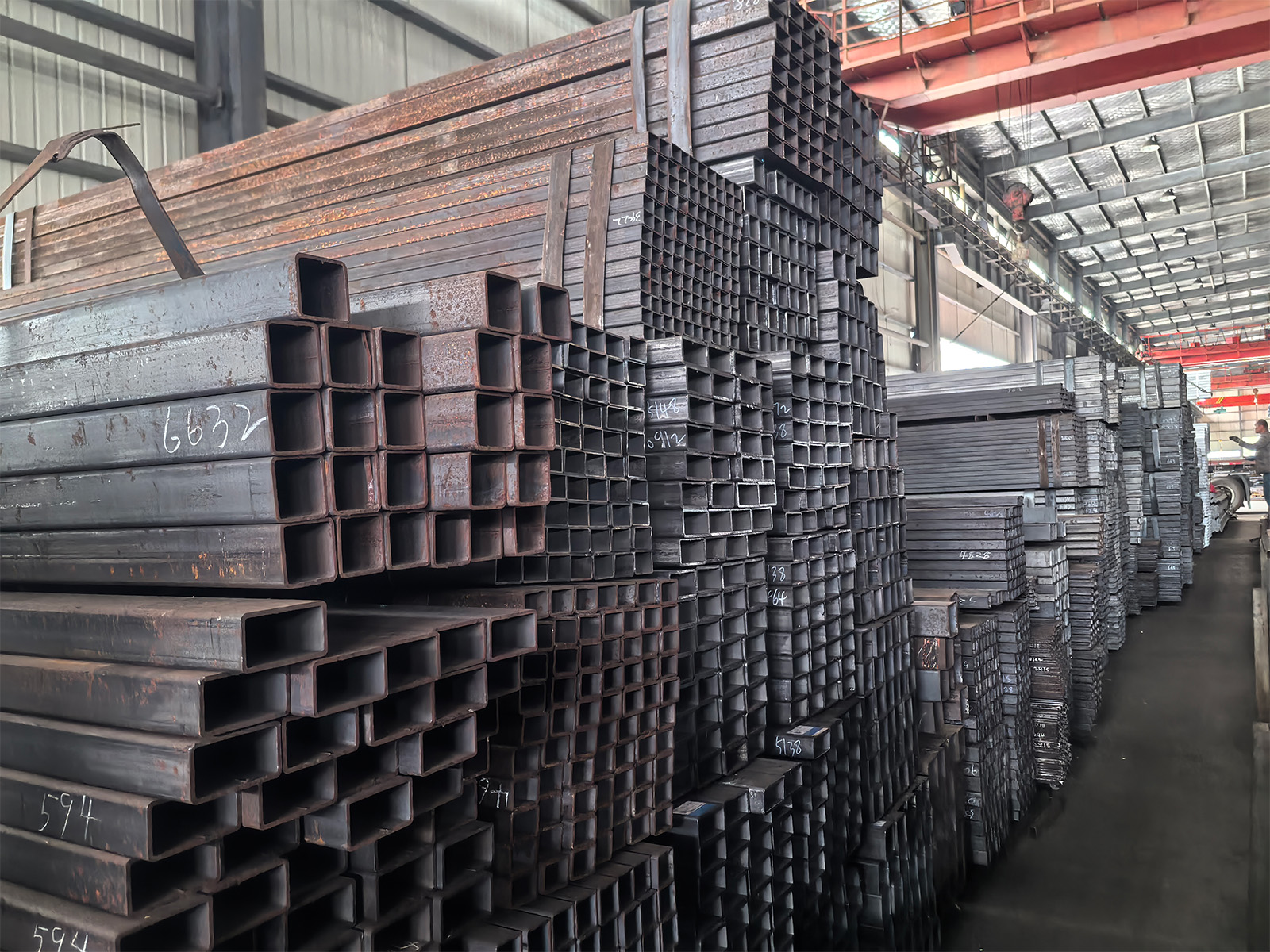
Recent technological breakthroughs in hot-drawing equipment have further elevated the performance of these steel coils. Leading manufacturers have adopted automated temperature control systems, real-time monitoring sensors, and AI-powered quality inspection tools to optimize the hot-drawing process. For instance, a prominent European steel producer recently launched its next-generation hot-drawn steel coils, featuring a proprietary heat treatment process that improves the material’s fatigue resistance by 30% compared to traditional hot-drawn products. These coils also boast dimensional tolerances as tight as ±0.02mm, surpassing industry standards and meeting the strict requirements of precision machinery and automotive component manufacturing.
Sustainability has become a key driver in the development of hot-drawn steel coils, as manufacturers strive to reduce their carbon footprint and align with global environmental goals. The hot-drawing process itself is inherently more energy-efficient than other steel processing methods, as the heated steel requires less force to shape, reducing electricity consumption by up to 25%. Additionally, advancements in recycling and waste reduction have enabled manufacturers to reuse up to 95% of scrap material generated during production, minimizing environmental impact. A leading Asian steel mill recently announced that its new hot-drawn steel coil facility has achieved carbon neutrality, thanks to the integration of solar power and energy-efficient production lines—a milestone that has garnered significant attention from eco-conscious industries.
The automotive industry is one of the largest consumers of hot-drawn steel coils, leveraging their high strength-to-weight ratio to produce lightweight, fuel-efficient vehicles. Automakers are increasingly using hot-drawn steel coils for manufacturing critical components such as chassis frames, suspension systems, and engine parts, as the material’s superior mechanical properties enhance vehicle safety and durability while reducing overall weight. A major global automaker recently partnered with a steel supplier to develop custom hot-drawn steel coils for its electric vehicle (EV) lineup, resulting in a 15% reduction in chassis weight and a 5% improvement in battery range—key factors in the competitive EV market.
In the construction sector, hot-drawn steel coils are gaining traction for their versatility and durability. They are widely used in the production of reinforcement bars, structural beams, and prefabricated components, as their high tensile strength and corrosion resistance ensure long-term structural stability. With the global construction industry shifting toward sustainable and resilient infrastructure, hot-drawn steel coils are becoming the material of choice for green building projects. For example, a large-scale commercial complex under construction in the Middle East is utilizing hot-drawn steel coils for its structural framework, reducing construction time by 20% and improving the building’s earthquake resistance.
The aerospace and precision engineering industries are also benefiting from the advancements in hot-drawn steel coils. These industries require materials with ultra-high precision and reliability, and hot-drawn steel coils deliver on both fronts. With their tight dimensional tolerances and consistent mechanical properties, they are used in the manufacturing of aircraft components, precision mashine,and medical devices. A leading aerospace manufacturer recently certified hot-drawn steel coils for use in its next-generation aircraft engines, citing the material’s ability to withstand extreme temperatures and pressures while maintaining structural integrity.
Despite the numerous advantages, the hot-drawn steel coil market faces challenges, including fluctuating raw material prices and intense global competition. However, manufacturers are addressing these challenges through strategic partnerships, vertical integration, and continuous innovation. Many steel producers are investing in raw material sourcing initiatives to stabilize costs, while others are expanding their global footprint to reach emerging markets in Southeast Asia, Africa, and Latin America—regions where industrialization and infrastructure development are driving demand for high-quality steel products.
Looking ahead, the global hot-drawn steel coil market is poised for significant growth. According to a recent industry report, the market is expected to reach $45 billion by 2028, with a compound annual growth rate (CAGR) of 6.2% from 2023 to 2028. The growth is attributed to the increasing demand from end-use industries, technological advancements in hot-drawing processes, and the growing emphasis on sustainability. Manufacturers are also exploring new applications for hot-drawn steel coils, such as in renewable energy projects (e.g., wind turbine components) and advanced electronics, which are expected to open up new revenue streams in the coming years.
In conclusion, hot-drawn steel coils are revolutionizing industrial manufacturing, offering a unique combination of precision, performance, and sustainability. As manufacturers continue to innovate and upgrade their offerings, these steel coils will play an increasingly critical role in driving progress across diverse industries. From enabling the production of safer, more efficient vehicles to supporting the construction of resilient infrastructure, hot-drawn steel coils are set to remain at the forefront of the global steel industry’s evolution, meeting the challenges of today and shaping the future of manufacturing.