
 EN
EN
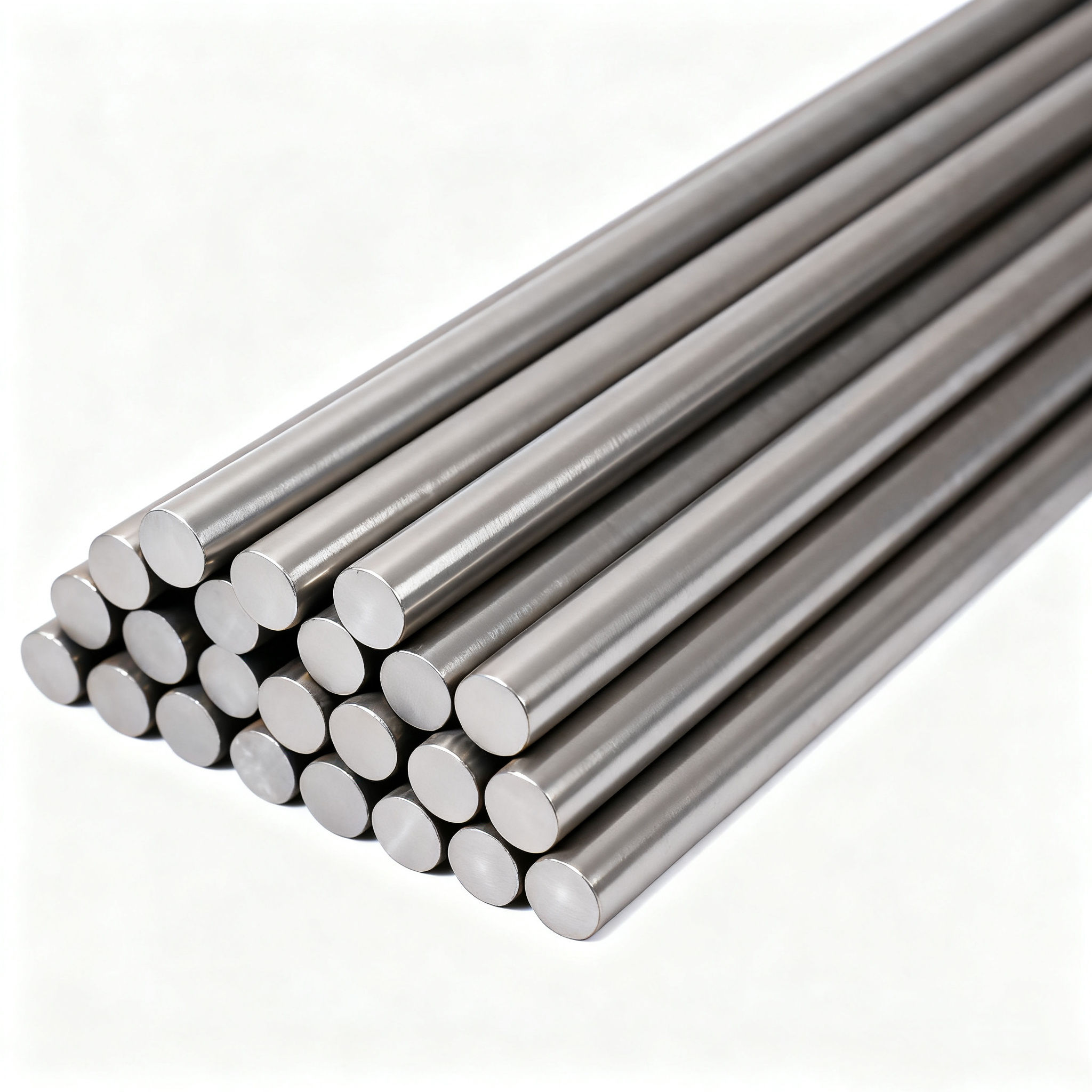
Versatility represents hexagonal steel's ability to serve multiple manufacturing fields. Its stable structure and easy gripping becomes valuable when Machining Hexagonal Steel Precision Components.
In more detail, machining hexagonal steel serves aerospace and high performance auto parts manufacturing fields. Machining orders become valuable as more suppliers serve this field. However, precision machining hexagonal steel demands many factors. Betog represents specialization in this field, possessing significant industry experience.
Hexagonal Steel Properties with Precision Machining
Naturally, machining high precision components from hexagonal steel demands experience in the field and advanced processes. Betog hexagonal steel enhanced sectional properties result from Advanced Cold Drawing processes. These methods provide higher integrity and develop significant surface improvements.
During machining, steel hexagonal Betog sections perform consistently under all cutting, drilling, and milling efforts. This stability allows precision components to achieve high industry quality standards.
Pre-Machining Preparations for Hexagonal Steel
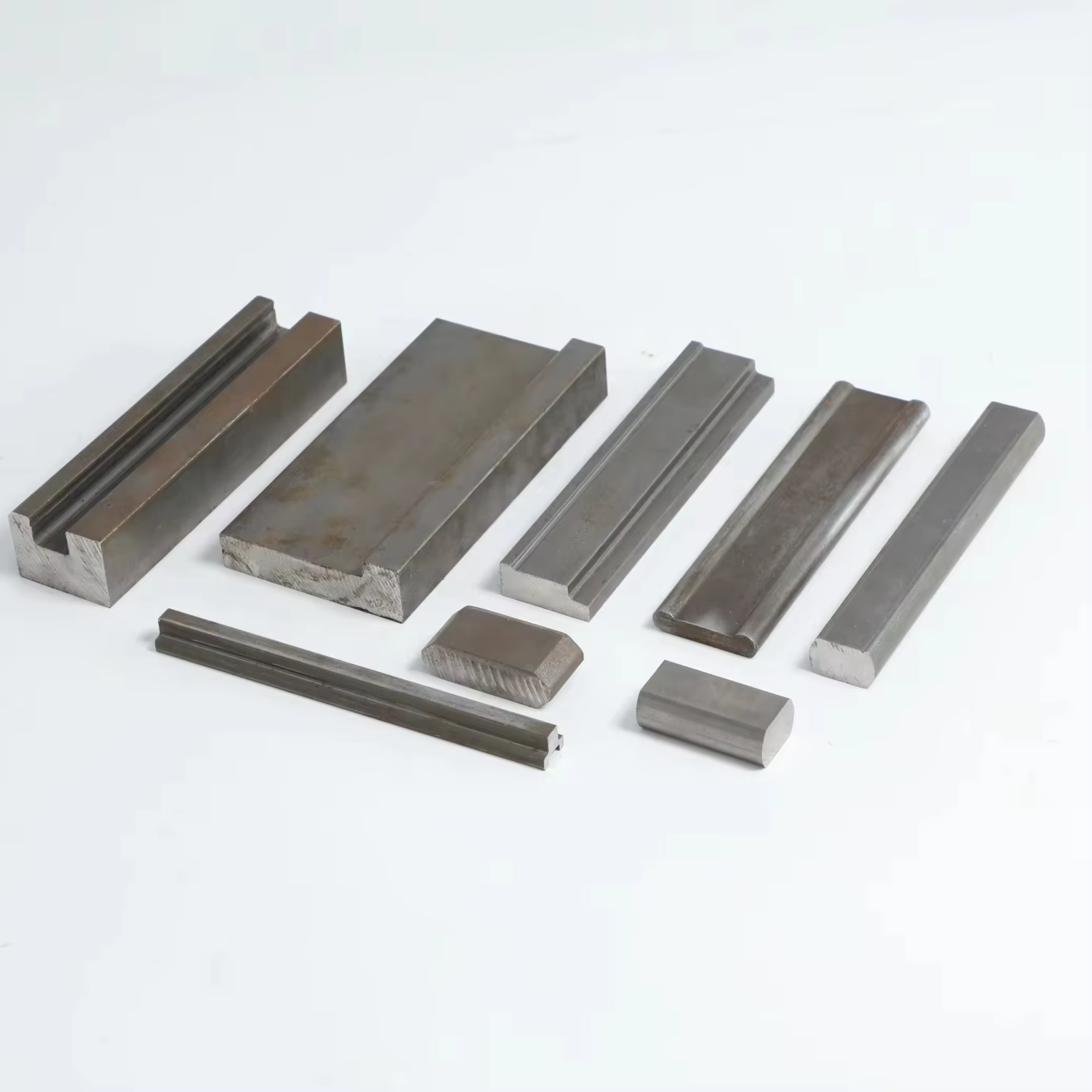
Before undertaking any kind of machining for hexagonal steel, prep work is critical. Start by picking a specification of hexagonal steel from Betog that fits the design requirements of your component. Betog hexagonal steel comes in dimensions of S5 to 100mm, allowing you to choose from a range of options to suit your varying needs. After that, using an appropriate testing device, check the hexagonal steel for any surface inconsistencies or dimensional discrepancies. Next, remove any debris, oil, or rust that can interfere with the precision of your machining. After that, make sure that the hexagonal steel is tightly fastened in the machine tool to avoid any movement during machining. Finally, prep work is essential in ensuring that the hexagonal steel is shaped accurately and that its dimensions are retained throughout the entire machining procedure.
Essential Techniques for Machining Hexagonal Steel
There are several essential techniques for machining steel hexagons down into high precision components. With Betog hexagonal steel, there is minimal need for excessive material removal due to the tight tolerances. This steel can be easily turned to create even outer diameters and beautiful surface finishes. Hexagonal steel is strong enough to withstand the milling process, allowing the steel to be cut into complex geometries. This material is also strong enough to withstand the assembly and disassembly processes. Careful drilling is the result of controlled speeds, dull tools, and focuses aimed at the unrelenting hexagonal steel. This steel also requires unyielding precision during the threading process while utilizing definite dies and taps to create precise dimensions. These processes are vital to maintaining the hexagonal steel’s integrity.
Quality Control on the Hexagonal Steel Machining Process
Quality control has to be done to check the components at the end of the process to check their precision. While machining the hexagonal steel with Ultrasonic flaw detectors, and mechanical property testers, internal flaws and/or performance problems can be identified. Use calipers, micrometers, and coordinate measuring machines to check the dimensions with design. Betog provides hexagonal steel with stable quality. It simplifies quality control as the machining results do not variations due to the consistent property of the material. Quality Control has to be done to check reliability and performance on all components and to confirm that they are High precision.
Post Machining Treatment for Hexagonal Steel Components
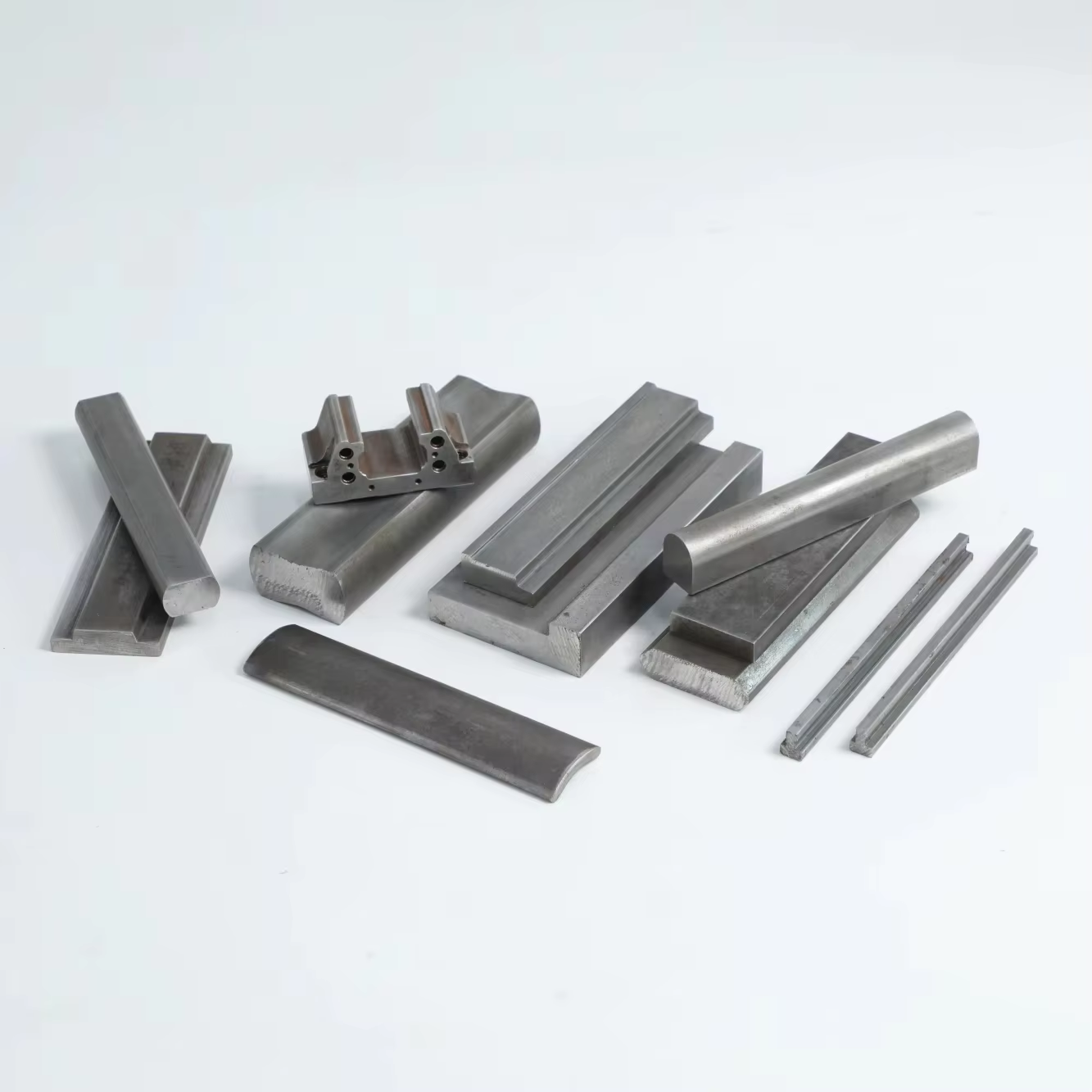
The performance and durability of hexagonal steel components can be enhanced through proper post treatment for machining. To improve safety and appearance, deburring gets rid of rough edges and burrs from cutting. Adjustments to the components’ hardness and toughness can be done through post machining annealing, tailoring the component to meet specific application requirements. For components exposed to harsh working environments such as automotive or construction machinery, post machining galvanizing or painting can be done to prevent corrosion. Thorough cleaning and drying assures no machining fluids or debris will impact the component’s functionality. Optimizing post machining treatments will enhance the performance and prolong the service life of hexagonal steel components.Customer Focused Supplier for Hexagonal Steel
As a customer focused supplier, Betog has earned the trust of their clients due to their hexagonal steel for high precision machining. Betog went from working in the cold drawn steel production field for 20 years, to establishing the company. Betog hexagonal steel gives clients the high quality, remains tight with their tolerances, and consistent with performances to fulfilling their customer orders. Betog also has a 150,000 ton production capacity. This production capacity says a lot to their clients about their ability to be consistent with fulfilling customer orders. Betog even has over 50 cold drawing production lines. Betog has also ISO 9001 certifications which shows their clients that Betog hexagonal steel meets their international quality standards. Betog has proven to over 5000 clients that they can be trusted to simplify the machining processes. Betog hexagonal steel works for creating high precision components in mechanical components, auto parts, fitness equipment, and more.