
 EN
EN
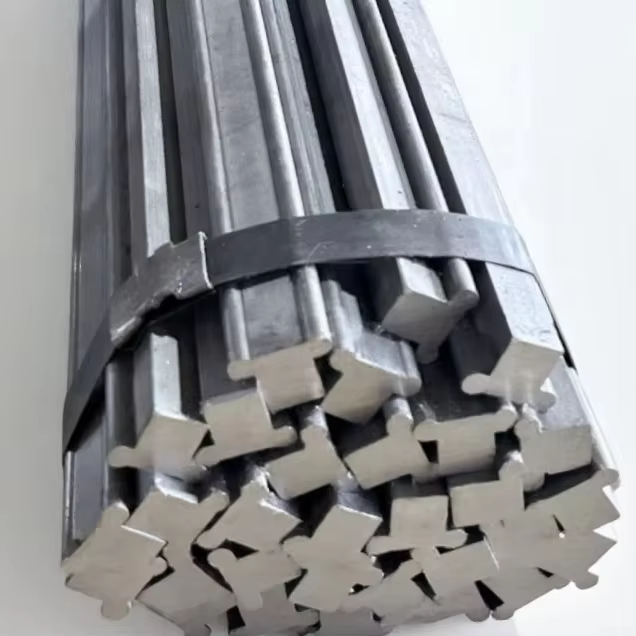
Because of its excellent mechanical properties and cost effectiveness, carbon steel is used in manufacturing construction machinery, automotive parts, and many more industrial fields. There are various grades of carbon steel and each have different compositions and performances. Their different compositions and performances contribute to their service life and application scenarios. Betog is a professional cold drawn steel manufacturer with two decades of experience and offers various grades of high quality carbon steel products. Many professionals and users have difficulties in distinguishing the different grades of carbon steel through practical use. This blog aims to provide practical approaches and important pointers to easily differentiate the grades of carbon steel so you can make the right selections. Betog is well known in the industry for their quality and identifiable carbon steel grades, which enables users to make the correct selections for their applications.
Distinguish by Chemical Composition Indicators
The primary distinction among various grades of carbon steel comes from the carbon content, which is a part of the chemical composition Betog carbon steel products have detailed composition parameters which can serve as a basis for differentiation. Low carbon steel, for example, 1010 carbon steel, has a carbon content of less than 0.25%; medium carbon steel contains 0.25% to 0.6%; high carbon steel contains over 0.6%. In practical use, the carbon content as well as other alloy elements like manganese and silicon can be verified from the certificate of the product quality provided by Betog. This is correct, reliable, and accepted widely in the industrial production sector. Betog provides composition detection reports for every batch of carbon steel to assist in grade differentiation.
Distinguish by Mechanical Property Performance
Varied grades of carbon steel differ, and mechanical properties can be discovered through practical tests. Betog carbon steel showcases grades of the mechanical properties of carbon steel and the indicators of tensile strength, yield strength, and elongation. Betog 1010 carbon steel, a low carbon steel, bends and breaks, while high carbon steel can break in low ductility and bends. You can measure the breaks in low ductility and bends. You can also measure breaks using a tester. The Betog carbon steel products breaks. The user grades the measure bends breaks in a standard.
Distinguish by Surface Morphology and Processing Characteristics
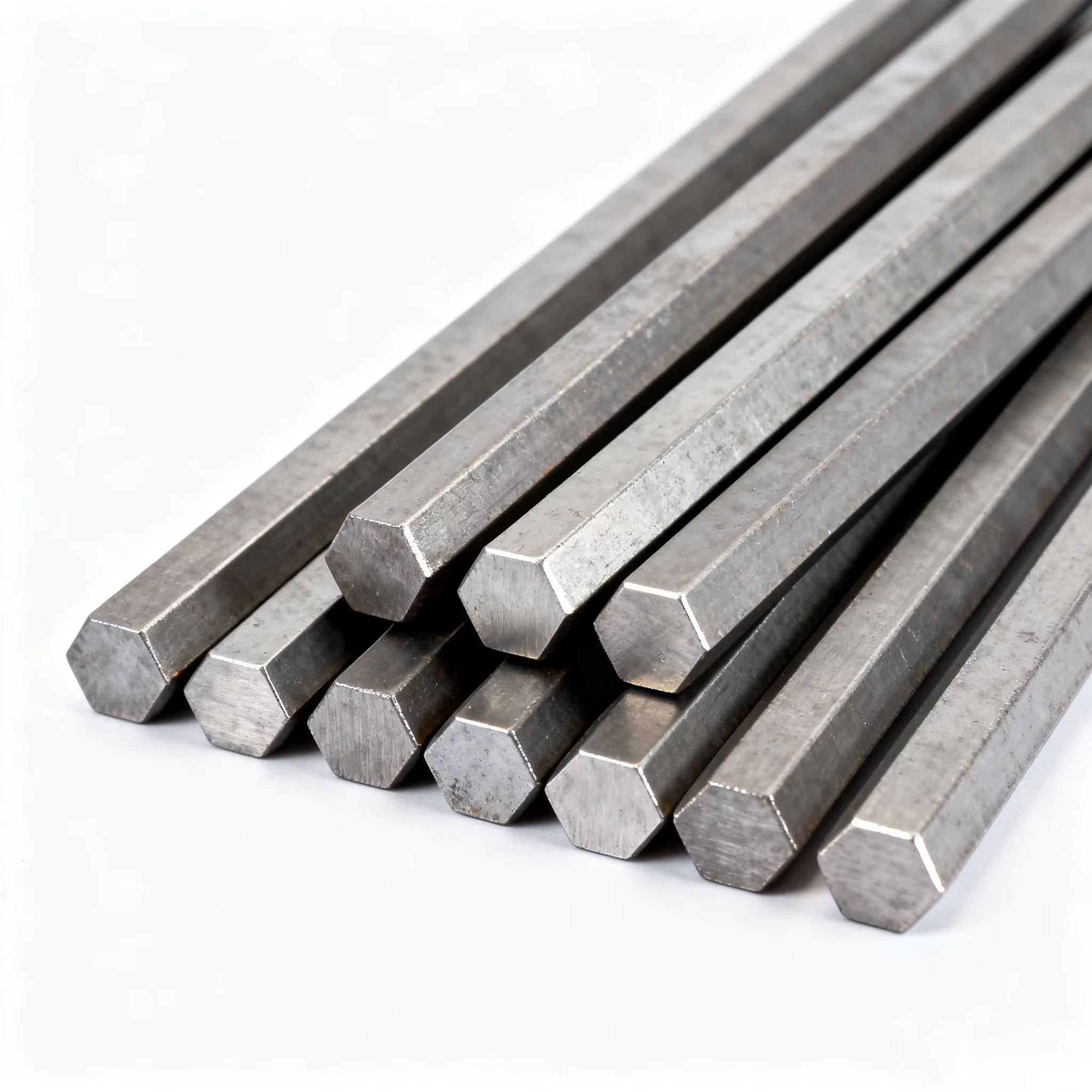
The surface and processing traits for each grading of carbon steel holds some differences which can be observed and distinguished in practical usage. Low carbon steel, such as Betog carbon steel, for precision machining, has a smooth and bright surface post cold drawing and can be easily cut, stamped, and welded. High carbon steel has a rougher surface and demands a higher cutting processing intensity. It has been summarized by Betog’s professional processing team that low carbon steel is, on the whole, less likely to have burrs created in the processing, while in contradiction, high carbon steel is more prone to burrs requiring special treatment. By using a combination of the surface state and processing difficulties, one can differentiate the grading of carbon steel in a practical setting.
Distinguish by Application Scenarios and Markings
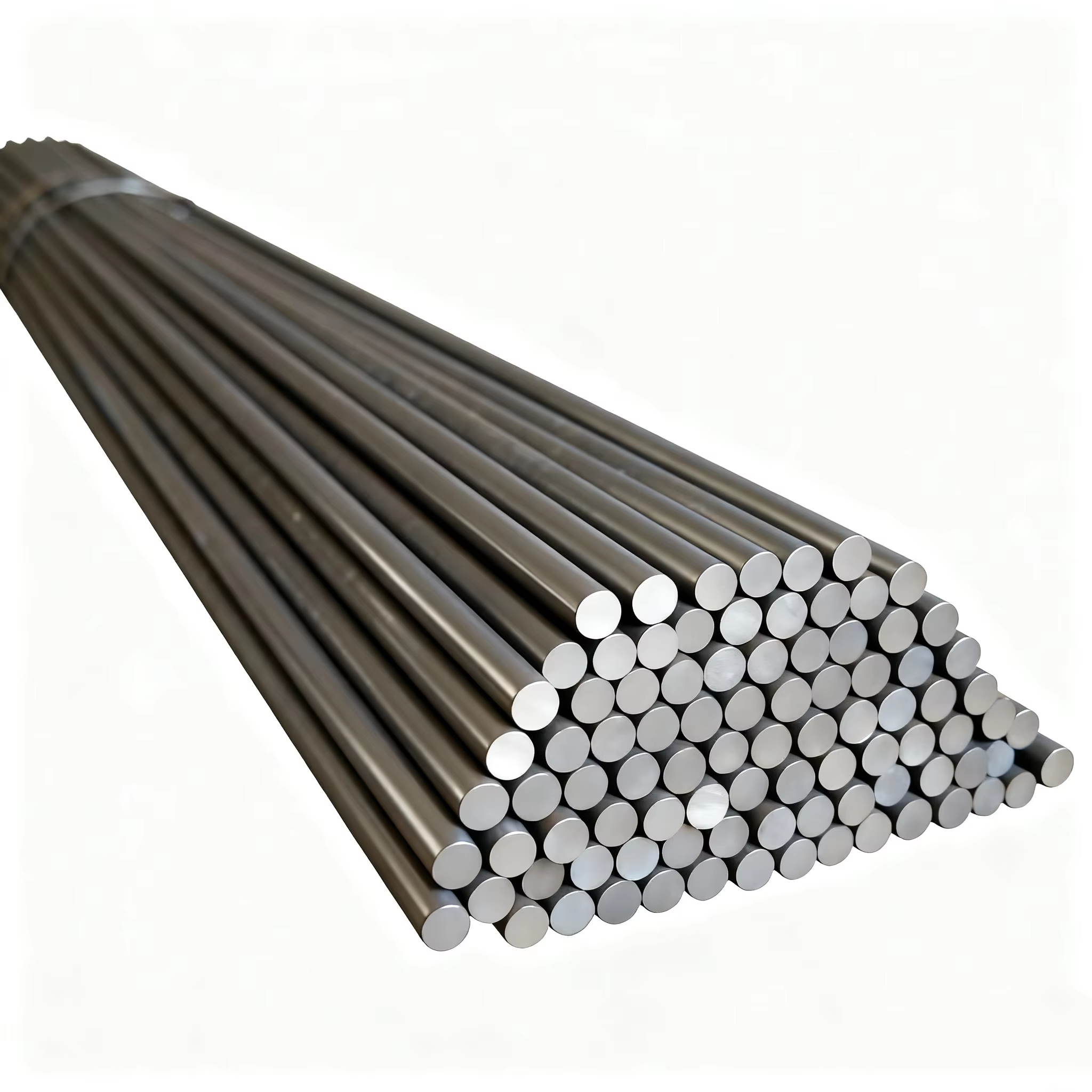
Various grades of carbon steel can be used for different purposes, and Betog typically specifies the grade and the scope of application of the product on the packaging or label. Low carbon steel is used for making auto parts, agricultural machinery parts, and fasteners. High carbon steel is used for making tools, springs, and parts of structures that need to be high strength. In practical situations, you can combine the application to deduce the grade of carbon steel. For instance, the carbon steel used for precision fasteners is mostly low carbon steel, like Betog 1010 carbon steel. Additionally, checking the product label is the most straightforward way to do this. Betog follows the product marking standard so that the users can easily distinguish the grade.
Conclusion
To sum up, while there are several ways to tell different grades of carbon steel apart in practical use from checking chemical composition to using indicators to testing mechanical properties, to observing surface morphology, to processing, to application, and to product marking and labeling, Betog as a professional carbon steel manufacturer has product and technical information aids for users to grade' as a technical support' solution that distinct grades chooses the right grade of carbon steel ensures product quality and reduces production cost Betog carbon steel stable quality, clear grading and reliable supply meets diverse industry needs, from machinery manufacturing to construction industry, Betog offers distinct and professional guidance to grade carbon steel, adds value to your projects, quality products and services.